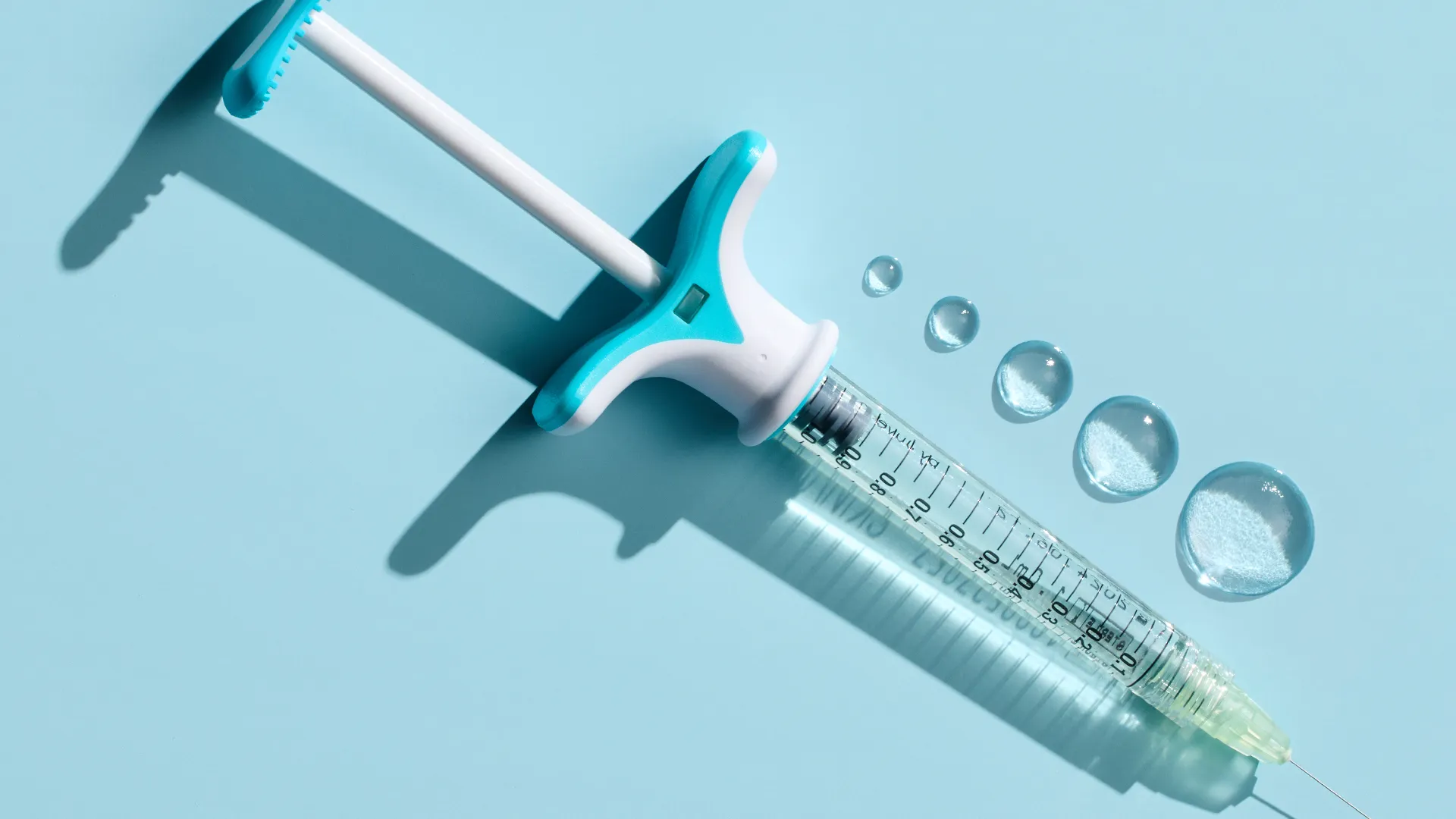
A considered guide to preventative and corrective aesthetic treatments, explaining how injectables and devices support ageing well over time.
Injectable treatments used to improve skin quality are often grouped together, which can make them feel confusing. In reality, treatments commonly described as skin boosters and those known as collagen stimulators work in very different ways and are used for different skin needs. Some focus on improving hydration, glow and skin comfort, while others work more gradually to support the skin’s natural collagen over time. Choosing the right option depends on what your skin needs most and the result you are hoping to achieve.
At Dr Joney De Souza’s clinic in Marylebone, our expert team utilises skin boosters and collagen stimulators on an individual basis. Understanding how these treatments work, and what they are designed to improve, allows patients to make informed decisions based on their own skin, rather than product or brand names.
This article explains what skin quality truly means, how skin boosters and collagen stimulators differ, and who may be suitable for each approach.
Skin quality is often used as a general phrase, but clinically it refers to a combination of
structural and functional characteristics within the skin.
These include:
As the skin ages, hydration levels decline, collagen production slows, and the structure of the
skin becomes thinner and less organised. Some changes are superficial, while others occur
deeper within the skin. Injectable treatments target these layers differently.
This distinction underpins the difference between skin boosters and collagen stimulators.
When skin boosters are placed into the superficial layers of the skin they work by enhancing hydration from within, helping the skin retain water more effectively and restoring a smoother, more supple texture. This deep hydration supports skin elasticity and improves light reflection, giving the complexion a fresher, healthier luminosity.
By replenishing moisture at a cellular level, skin boosters can also soften the appearance of fine dehydration lines that often contribute to a dull or tired look. Rather than changing the underlying structure of the face, their role is to refine overall skin quality, improving how the skin looks, feels and behaves over time, in keeping with a natural, balanced aesthetic.
In summary skin boosters:
Their primary role is to improve how the skin looks and feels, rather than to alter its underlying structure.
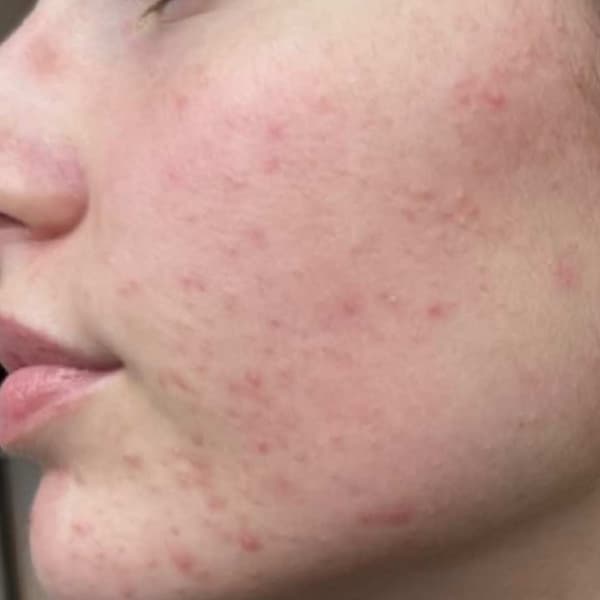
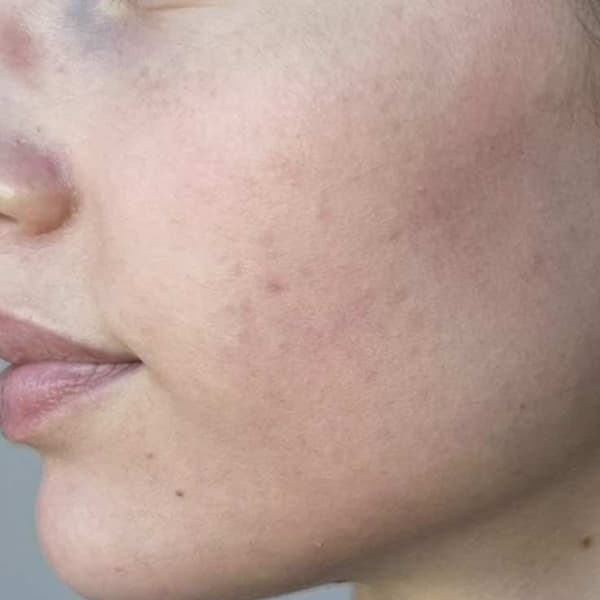
Skin boosters such as Skinvive and Profhilo are both hyaluronic acid-based injectable treatments, but they are designed to work in slightly different ways.
Skinvive is formulated to improve skin smoothness, hydration and light reflection by integrating into the dermal layer of the skin. It helps the skin retain moisture from within, making it a popular option for patients who feel their skin looks dull, dry or lacks glow, even when they are using good quality skincare.
| The Science Behind it | What it means |
|---|---|
Skinvive is formulated using a unique hyaluronic acid technology developed by Juvéderm, designed to integrate seamlessly into the skin rather than sit as a volumising filler. | Once injected, the hyaluronic acid attracts and retains water, improving hydration within the skin over time. |
By improving the skin’s internal hydration and elasticity, Skinvive helps smooth fine lines caused by dehydration and enhances how light reflects from the skin’s surface. | This leads to visibly smoother skin texture and improved luminosity. |
Unlike topical skincare, which works only on the surface, Skinvive delivers hyaluronic acid directly into the skin, where hydration and skin quality are formed. | Patients typically notice an improvement in skin smoothness and hydration within a few weeks of treatment. The skin appears fresher, more radiant and better hydrated, without looking treated. |
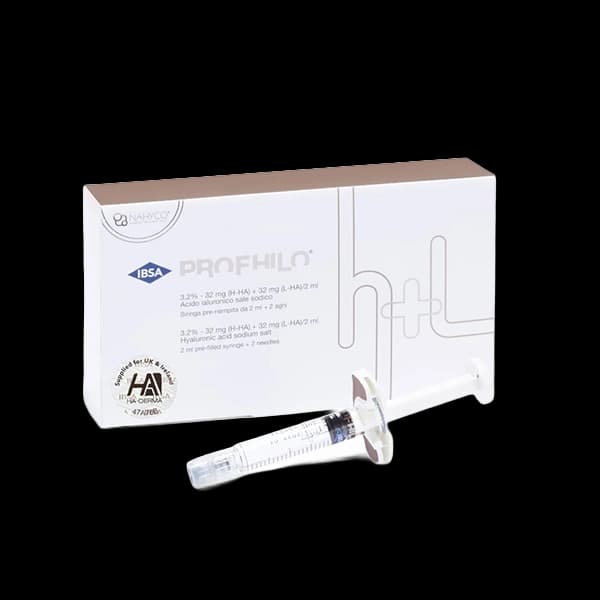
Profhilo also contains hyaluronic acid, but in a higher concentration and with a unique structure that allows it to spread more evenly across larger areas of skin. Rather than adding volume or acting like a traditional filler, Profhilo focuses on improving overall hydration and skin elasticity. It is commonly recommended when early signs of skin ageing begin to appear, such as reduced firmness or crepey texture, but before more noticeable volume changes develop.
Both treatments aim to improve how the skin looks and feels, but the choice between them depends on individual skin concerns, areas being treated and the type of improvement a patient is hoping to achieve.
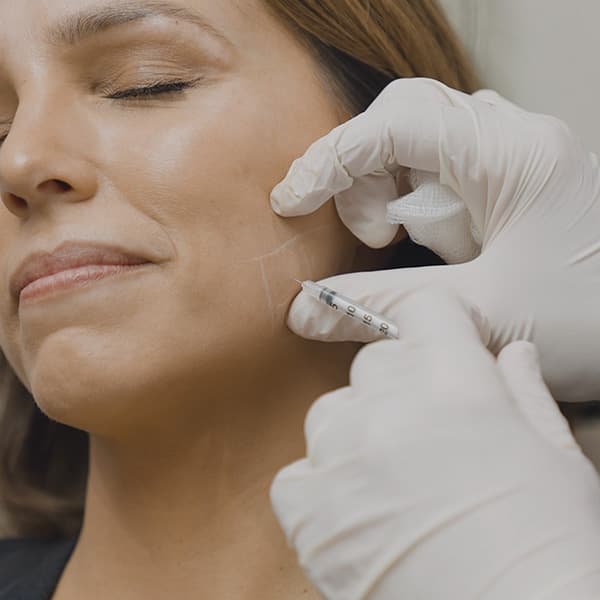
TV presenter Cat Deeley recently spoke openly about her approach to aesthetic treatments in Good Housekeeping, describing how she prioritises natural looking results that support skin quality and confidence. In the article, Cat highlights the benefits of having skin booster treatments with Dr Joney De Souza as part of her routine for maintaining hydration and a fresh-looking complexion.
“I want something that I can go in, do and know it’s going to keep on delivering.”



Collagen stimulators are injectable treatments designed to improve skin firmness, thickness, and structural integrity by encouraging the skin to produce new collagen.
Rather than providing hydration, these treatments interact with fibroblasts, the cells
responsible for collagen production, to support long-term strength deeper in the skin layers.
They are typically considered when skin changes relate more to thinning, loss of elasticity or firmness rather than surface dryness.
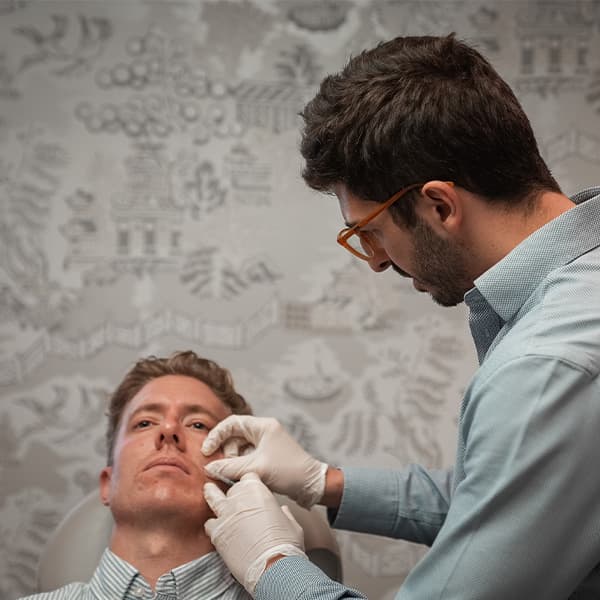
Following injection, collagen stimulators create a controlled biological response within the skin. This signals the cells to increase collagen production over time.
The process is gradual and progressive. Improvements develop over weeks to months as new collagen forms and integrates into the deep structure of the skin.
The outcome is increased skin density and support, rather than immediate visible change.


Radiesse is composed of tiny particles of calcium hydroxylapatite suspended in a gel carrier. When used in diluted or hyperdiluted form, it is often selected to support collagen stimulation and skin firmness rather than volume.
It may be considered for areas such as the lower face, jawline, neck, or hands, where skin thinning and loss of elasticity can be prominent.

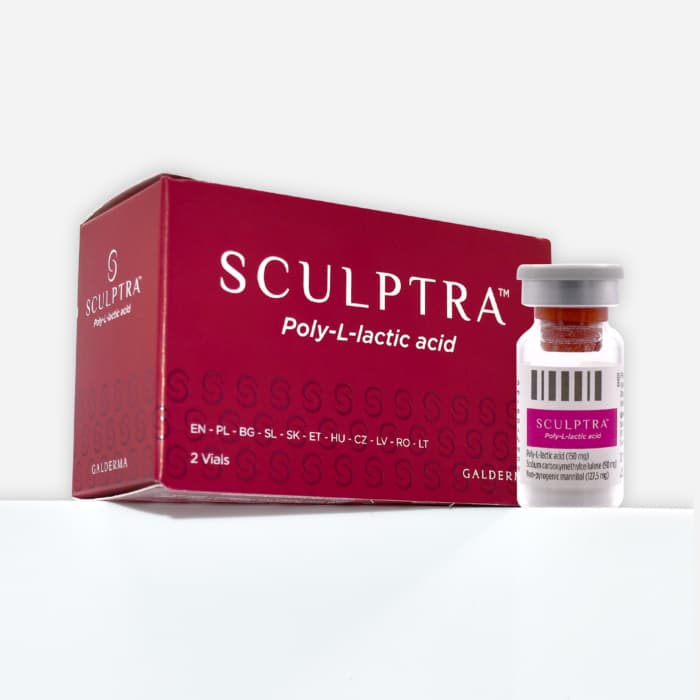
Sculptra is a poly-L-lactic (PLLA) acid based collagen stimulator that works gradually by encouraging the skin’s own collagen production. Its effects develop slowly, and careful assessment is essential to ensure appropriate placement and long-term balance. For this reason, it is discussed in an educational context as part of broader collagen-stimulating strategies.
Although both treatment types aim to improve skin quality, they address different aspects of skin ageing.
| Skin boosters | Collagen stimulators |
|---|---|
Improve hydration and surface texture | Improve skin firmness and density |
Enhance luminosity and suppleness | Strengthen the skin layer framework over time |
Offer subtle, relatively early improvements | Require patience and staged treatment planning |
Do not significantly strengthen the structure of the skin | Support long-term structural skin health |
Skin boosters and collagen stimulators are often discussed together, but they are chosen for different reasons and at different stages of skin ageing. Skin boosters are typically used to improve hydration, smoothness and glow, making them well suited to skin that feels dry, dull or tired, or for patients who want subtle improvements without altering facial structure. Collagen stimulators, on the other hand, are more appropriate when the skin begins to lose strength, firmness or elasticity. These treatments work gradually, supporting the skin’s natural collagen over time and are often selected by patients who are thinking more long term about skin quality rather than immediate radiance. In many treatment plans, both approaches may be used at different stages to support the skin as it changes.
| Skin boosters may be beneficial for patients who: | Collagen stimulators may be beneficial for patients who: |
|---|---|
Have dehydrated or dull-looking skin | Have thinning or crepey skin |
Experience fine lines related to dryness | Notice early loss of elasticity or reduced firmness |
Are early in the skin ageing process | Are concerned about skin strength rather than glow |
Prefer subtle improvements without structural change | Prefer gradual, biologically driven improvement |
Wish to maintain skin quality alongside other treatments | Are focused on long-term skin support |
In selected cases, skin boosters and collagen stimulators may be combined within a carefully
planned treatment strategy.
Hydration and collagen production address different biological processes. When
appropriately sequenced, combination approaches can support both surface skin quality and
strength deeper within the skin layers.
At the clinic, combination treatments are planned conservatively, with a strong emphasis on
skin biology, anatomy, and long-term outcomes.
Choosing between skin boosters and collagen stimulators cannot be based on product
popularity or online trends. Skin thickness, ageing pattern, medical history, and lifestyle factors all influence suitability.
At Dr Joney De Souza’s clinic in Marylebone, injectable treatments are always considered within the context of overall facial health and long-term skin integrity, rather than as isolated solutions.

Skin booster injections mainly focus on hydration and surface skin quality. Profhilo also improves hydration but is designed to spread across larger areas and support elasticity as well. The right option depends on whether the main concern is dryness and glow, or early changes in firmness and skin texture.
Initial improvements may be noticed within a few weeks, but optimal results are usually seen several weeks after completing the recommended course. Profhilo is designed to work gradually rather than delivering instant visible changes.
Skin boosters improve hydration and surface skin quality, while collagen stimulators improve
firmness by encouraging collagen production deeper in the skin.
No. Skin boosters hydrate and improve texture rather than add volume or change facial shape.
Radiesse is classified as a collagen stimulator. When diluted, it is used to support skin
firmness rather than volume.
Profhilo may indirectly support collagen and elastin, but its primary function is hydration and
elasticity.
Neither is universally better. The choice depends on whether hydration or structural support
is the main concern.
Hydration-related improvements are often noticed within weeks.
Collagen stimulation occurs gradually, with visible changes developing over several months.
They may improve elasticity but do not significantly tighten or lift the skin.
No. They encourage natural collagen production, which continues to change over time.
Both typically involve minimal downtime, though this varies by product and technique.
Our patients return to us year after year for natural, balanced results. Every review reflects our commitment to precision, safety and a personalised approach to aesthetic care.