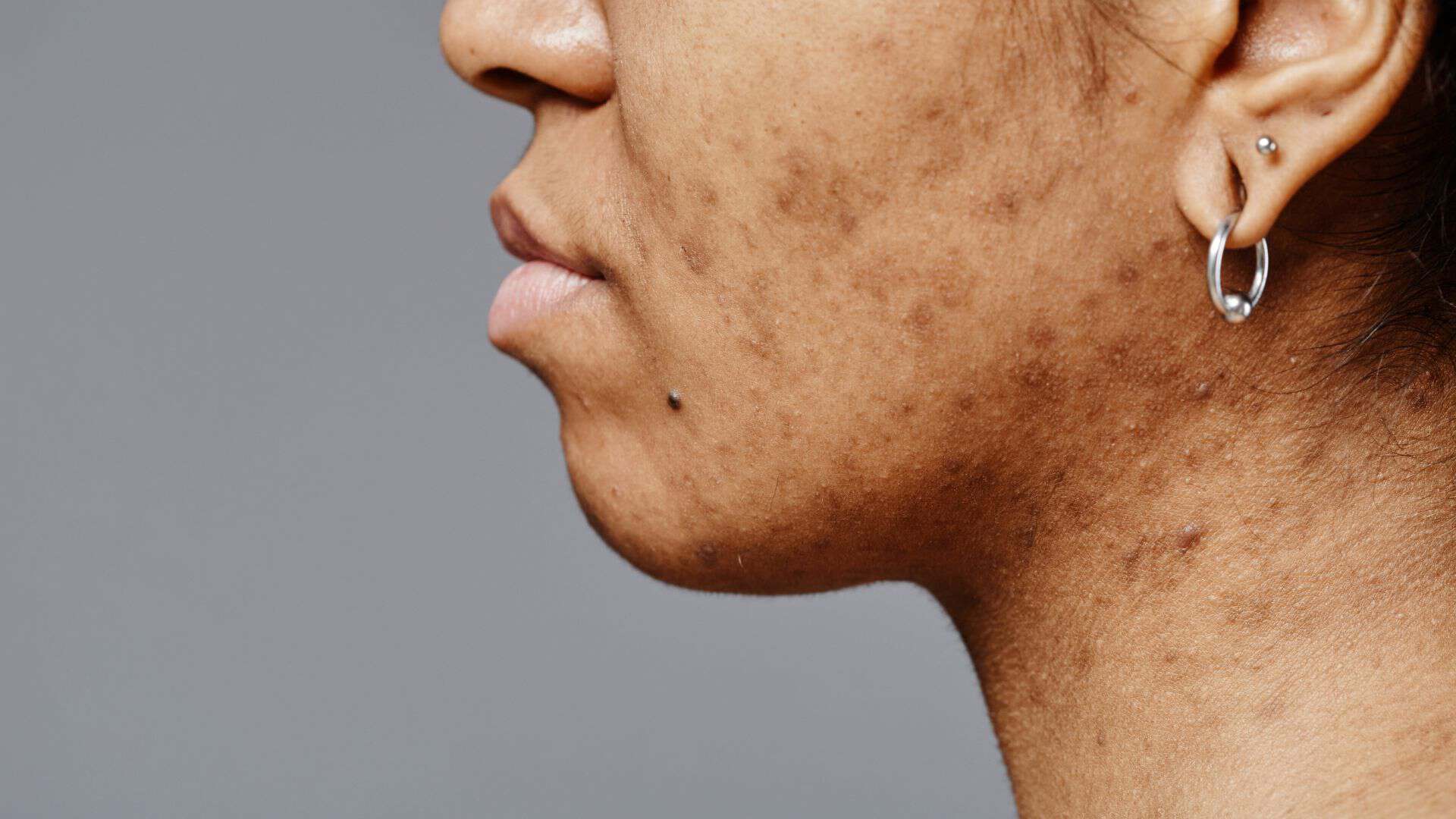
Correct acne scars, age spots and skin texture with UltraClear cold fibre laser. Doctor-led skin rejuvenation in London. Book a consultation.
Every UltraClear session at Dr Joney De Souza Clinic begins with a VISIA skin analysis. Your clinician selects the right solution, 3DMIRACL, UltraClear or Laser Coring, based on your skin goals and available recovery time.
UltraClear laser resurfacing suits patients seeking meaningful skin improvement. It offers three solutions, each matched to a different level of downtime and depth of treatment. Patients choosing UltraClear laser in Marylebone most commonly want help with:
UltraClear suits a wide range of skin tones and types. The cold fibre laser technology minimises thermal damage to surrounding tissue. This makes it more inclusive than traditional CO2 resurfacing lasers. We confirm suitability at consultation with a full clinical skin assessment. For active acne, rosacea, or darker skin tones, the clinical team assesses the right solution and settings individually.
Related concerns: this treatment helps with acne scarring and pigmentation.

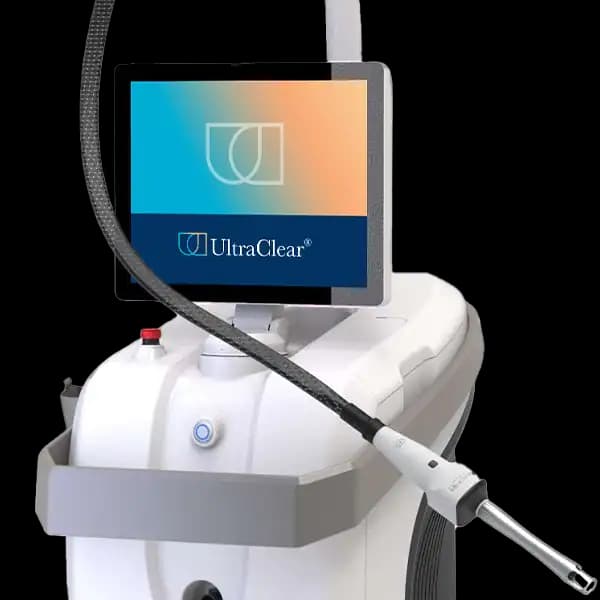
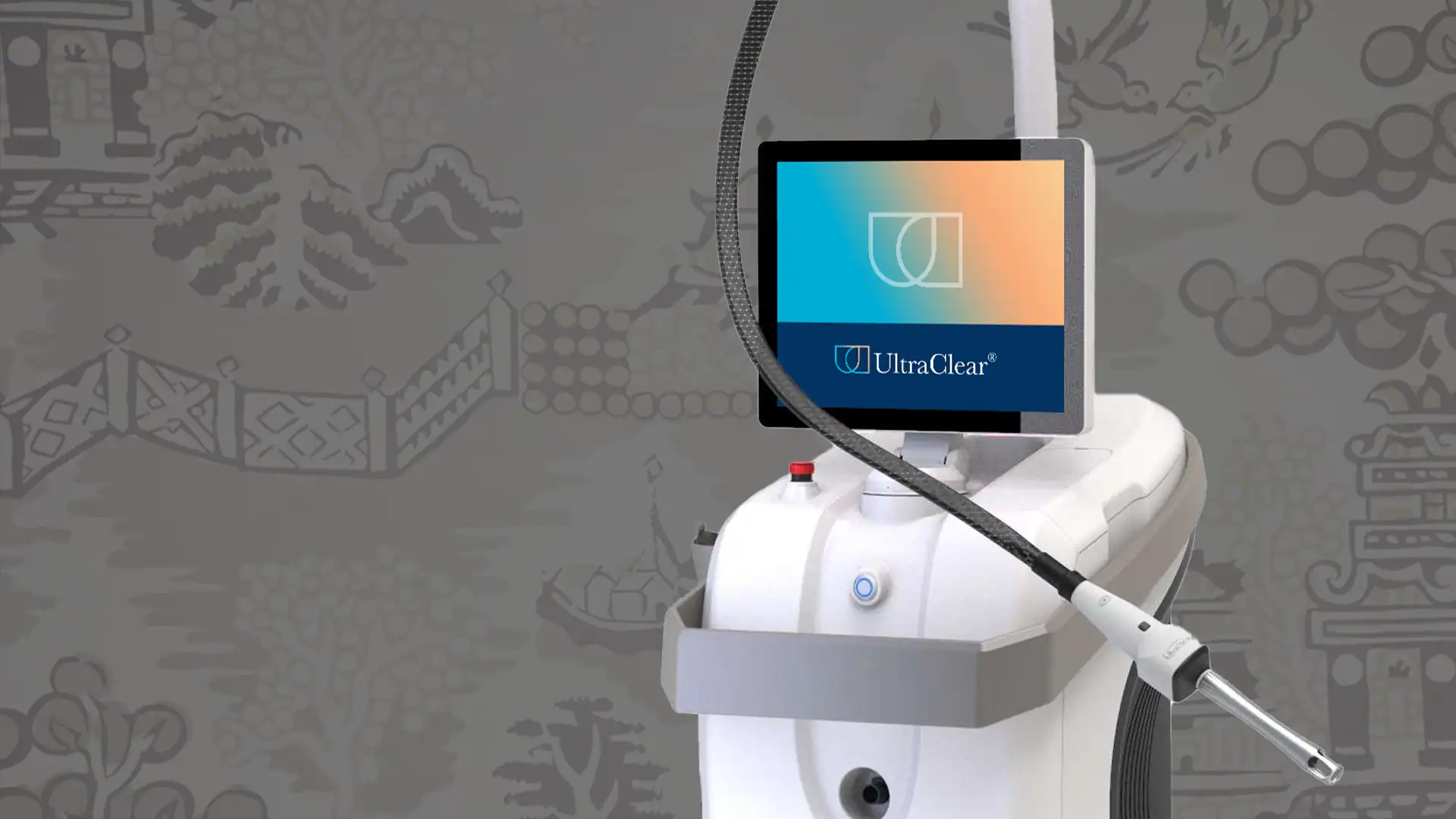
UltraClear is a cold fibre laser resurfacing system. It delivers controlled ablation of the skin surface. Compared to conventional CO2 lasers, it transfers significantly less heat to surrounding tissue. It offers three treatment solutions: 3DMIRACL, UltraClear and Laser Coring. Each is calibrated to a different depth of resurfacing and recovery profile. This lets the clinician match treatment precisely to your skin goals and available downtime. Options run from a no-downtime maintenance solution to deep fractional resurfacing for significant scarring or textural concerns.
The technology directs highly focused laser energy into the skin. This removes damaged surface cells and stimulates collagen remodelling in the deeper layers. The cold fibre delivery mechanism reduces collateral thermal damage. That means faster healing and more consistent outcomes than older ablative systems. At Dr Joney De Souza Clinic, every UltraClear treatment begins with a VISIA skin analysis and clinical assessment. This determines the correct solution, energy settings and protocol for your skin and recovery schedule.
Where pigmentation or melasma is the main concern rather than texture, our PicoSure laser treats the colour directly. It is often the better first step.
UltraClear uses cold fibre laser technology to resurface the skin with precision. Traditional CO2 lasers generate significant heat in surrounding tissue. UltraClear’s fibre delivery system works differently. It ablates the skin surface while keeping collateral thermal damage to a minimum. The result is more targeted treatment, faster recovery and a wider range of suitable candidates.
Before any UltraClear treatment begins, your clinician performs a VISIA skin analysis. It assesses texture, pore size, pigmentation, sun damage and overall skin condition. This gives a data-driven baseline. It also guides the choice of solution, whether 3DMIRACL, UltraClear or Laser Coring. The findings set the energy settings and the density of the treatment pass. Every session is planned individually to match your skin on the day.
For UltraClear and Laser Coring sessions, a topical anaesthetic cream is applied first. It goes on the treatment area about 20 to 40 minutes before the laser begins. This keeps you comfortable during resurfacing. For 3DMIRACL, the treatment is comfortable without anaesthetic. It needs no waiting period before starting. Your clinician will advise at booking which applies to your planned session.
The UltraClear handpiece is moved across the treatment area, following the clinician’s planned protocol. For 3DMIRACL, the laser delivers micro-ablative columns with minimal surface disruption. There is no formal downtime, and it stimulates renewal without visible peeling. For the UltraClear solution, a mid-depth resurfacing pass gives more visible surface renewal. Recovery takes 3 to 7 days. Laser Coring targets deeper fractional resurfacing for significant scarring or established textural concerns. It requires 7 to 14 days of downtime.
After ablation, the skin’s wound-healing response triggers collagen synthesis in the treated area. This remodelling continues for weeks to months after the session. Improvement keeps showing well beyond the initial surface healing phase. The cold fibre technology supports this by limiting the zone of collateral thermal injury. This lets the deeper remodelling cascade proceed without the recovery burden of conventional CO2 systems.
Immediately after the session, a cooling gel or barrier product is applied to the treated skin. This reduces initial redness and supports the healing environment. For resurfacing sessions with downtime, you receive a full aftercare kit and written protocol. It covers barrier cream application, cleansing method, SPF requirements and skincare reintroduction timelines. For 3DMIRACL sessions, aftercare is minimal. SPF and a gentle moisturiser are the main requirements.
A follow-up consultation is scheduled after your treatment. It assesses healing and reviews the result against your baseline VISIA images. It also plans any further sessions. For patients on a course of treatments, protocol adjustments and spacing are confirmed here. This is based on how your skin has responded. The structured review keeps progress consistent towards your skin goals. It also lets the clinician optimise each following session.
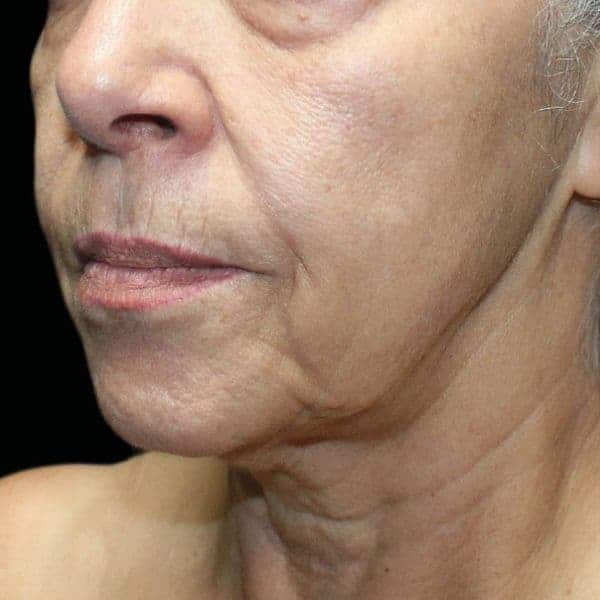
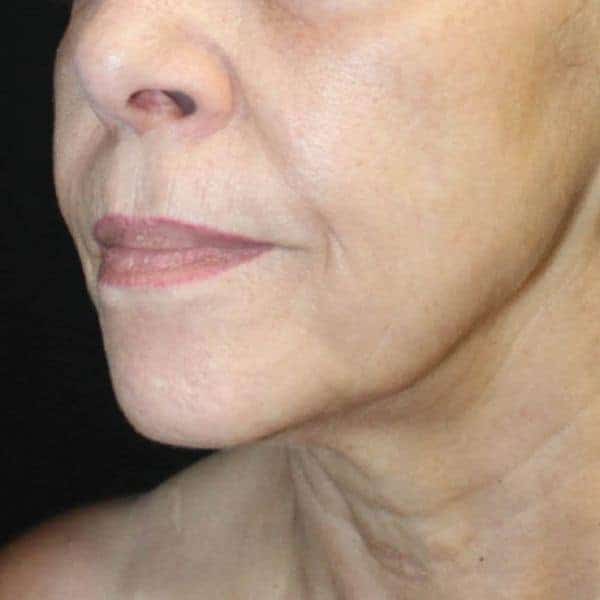
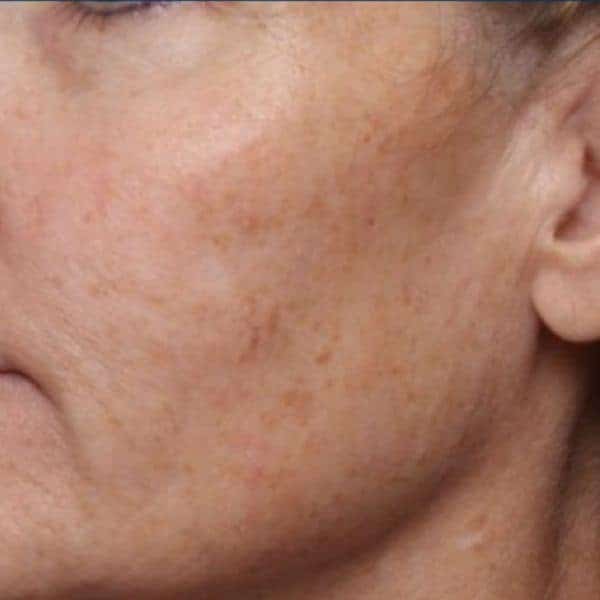
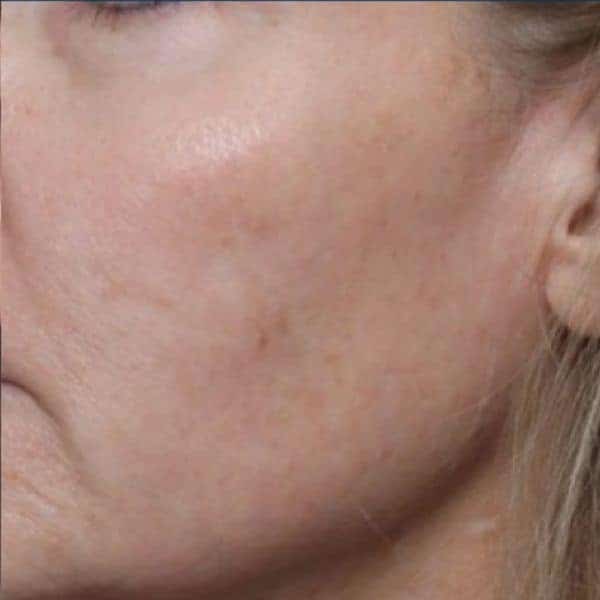
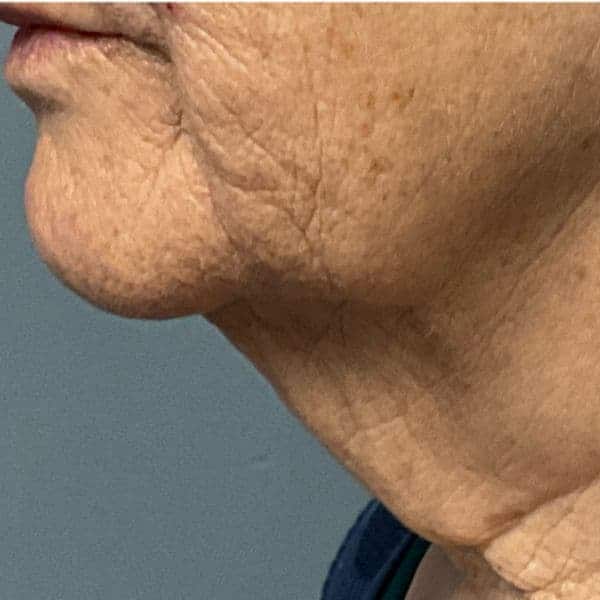
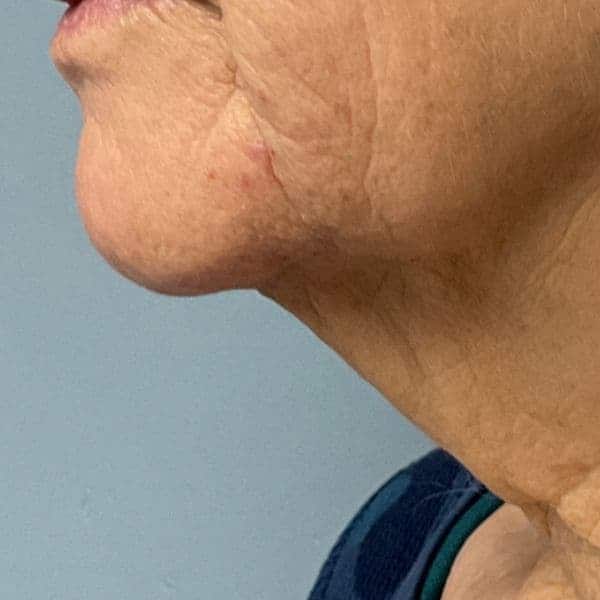
Results from UltraClear laser resurfacing are visible from the first session and continue to improve as collagen remodelling progresses over the weeks following treatment. Images show results achieved at Dr Joney De Souza Clinic, Marylebone. Individual outcomes vary based on skin type, the treatment solution selected and the number of sessions.


Ultraclear Laser
6 weeks post 1 treatment


3DMIRACL
5 weeks post 1 treatment


Laser-Coring
5 months post 1 treatment
For your first laser resurfacing treatment, the initial session begins with a VISIA skin analysis and clinical skin assessment. This happens before any treatment is performed. Your clinician discusses your main concerns, tolerance for downtime and skin history. They also review any previous laser treatments or active skincare ingredients you use. A patch test may be recommended for deeper resurfacing solutions, depending on your skin type.
Most first-time patients attend a standalone consultation before their first resurfacing session. This allows time for a proper assessment and protocol planning. For 3DMIRACL treatments, a combined assessment and treatment visit may be possible, depending on your skin presentation. Your clinician will advise at the time of booking. New patients begin with no obligation to commit to a course. The assessment itself is the starting point.
Some patients build UltraClear into a longer-term skin programme. For this, the 3DMIRACL solution suits regular sessions every four to six weeks. It maintains an improved skin surface and stimulates ongoing collagen activity, without the recovery of deeper resurfacing. UltraClear and Laser Coring sessions are spaced three to six months apart. This spacing allows full collagen remodelling between treatments and ensures complete healing before the next session.
Many patients combine UltraClear resurfacing with injectable treatments, polynucleotides, skin boosters or anti-wrinkle injections. This forms part of a structured skin programme. Dr De Souza advises on the most effective sequencing and spacing at consultation. This ensures each treatment contributes fully to your result without compromising healing.
You will be asked to pause retinoid and acid-based skincare products in the days before your appointment. Please arrive with clean skin. Your clinician will perform a VISIA skin analysis before treatment begins. This confirms the planned protocol and documents your baseline. For deeper resurfacing sessions, topical anaesthetic is applied on arrival. You then wait about 20 to 40 minutes before the laser starts, so plan accordingly. No other special preparation is needed. Avoiding sun exposure and using SPF in the week before treatment is strongly advised.
The experience varies by solution. For 3DMIRACL, the session is brief, usually 20 to 30 minutes. It is comfortable throughout, with no significant sensation and no downtime. For the UltraClear and Laser Coring solutions, topical anaesthetic keeps you comfortable during the resurfacing pass. That pass takes 30 to 60 minutes, depending on the area treated. You may feel a mild warm or prickling sensation despite the numbing. This is normal and managed by the clinician during the session. The UltraClear handpiece moves across the skin in a systematic, controlled pattern. Your clinician monitors your comfort and skin response throughout.
For 3DMIRACL, you can return to normal activities the same day. The skin may look slightly pink for a few hours. It needs only SPF and a gentle moisturiser. For UltraClear and Laser Coring, expect 3 to 14 days of visible healing. In the first 24 to 72 hours the skin looks red and swollen, and may weep slightly. As healing progresses, the surface sheds to reveal new skin beneath. It is noticeably smoother, more even and more refined in texture. Your clinician will provide a full aftercare protocol at the end of your session. It covers barrier cream application, cleansing method, SPF requirements and the timeline for reintroducing active skincare ingredients.
UltraClear laser resurfacing is available at a growing number of clinics across London. At Dr Joney De Souza Clinic, it is delivered in a doctor-led environment. Every session begins with a thorough clinical skin assessment and VISIA skin analysis. Your skin on the day determines the correct solution, energy settings and treatment depth. Nothing is selected from a standard protocol menu.
We offer UltraClear laser in Marylebone across all three treatment solutions. Pricing reflects the depth of resurfacing, the session duration and the level of clinical oversight. Every treatment includes a personalised clinical skin assessment with VISIA imaging.
Final pricing depends on the treatment area confirmed at clinical assessment.
| Treatment | Price (£) |
|---|---|
3DMIRACL, Face | 850 |
3DMIRACL, Face & Neck | 1,050 |
3DMIRACL, Face, Neck & Décolletage | 1,250 |
UltraClear, Face | 1,900 |
UltraClear, Face & Neck | 2,100 |
UltraClear, Face, Neck & Décolletage | 2,300 |
Laser Coring, Face | 3,950 |
Laser Coring, Face & Neck | 4,500 |
Laser Coring, Face, Neck & Décolletage | 5,500 |
Laser Coring, Submental | 1,500 |
UltraClear Scars | 250 |
UltraClear laser works at the surface and mid-dermis. It removes damaged tissue and stimulates collagen remodelling through the wound-healing response. Polynucleotides work at a deeper biological level. They deliver purified DNA fragments into the dermis to activate fibroblast activity and support tissue regeneration from within. Both approaches share the same goal, improved skin quality and structure. They simply reach it from different depths and through different mechanisms.
Combining UltraClear with polynucleotides lets surface resurfacing and deep tissue regeneration work in parallel over a structured programme. Dr De Souza advises on the most effective sequencing and spacing. In most cases, injectable treatments are given separately from laser sessions. This allows independent healing and maximum benefit from both approaches.

UltraClear is one of the most advanced laser resurfacing systems available. Even so, patients often arrive with questions. They ask how the three solutions compare, what to expect during recovery and whether it suits their skin. The answers below address the most common questions we hear at Dr Joney De Souza Clinic.
UltraClear is a cold fibre laser resurfacing system. It removes damaged surface skin cells through controlled ablation. At the same time, it stimulates collagen remodelling in the underlying dermis. It offers three treatment solutions. These are 3DMIRACL (no downtime), UltraClear (3 to 7 days downtime) and Laser Coring (7 to 14 days downtime). This lets the clinician match the depth of treatment to your skin goals and recovery time. At Dr Joney De Souza Clinic, every session begins with a VISIA skin analysis and a clinical assessment. This happens before treatment is planned.
3DMIRACL is the no-downtime solution. It delivers micro-ablative columns to the skin surface with minimal disruption and no formal recovery. This suits maintenance resurfacing and patients who cannot take time off. The UltraClear solution delivers mid-depth resurfacing with more visible surface renewal. It involves 3 to 7 days of downtime and targets fine lines, texture, pigmentation and mild scarring. Laser Coring is the deepest option. It addresses significant acne scarring, established textural concerns and deeper lines. It needs 7 to 14 days of downtime for comprehensive remodelling.
For 3DMIRACL, improvement in skin radiance and texture shows within a few days. This appears as any initial redness settles. Results keep building over several weeks as collagen remodelling progresses. For UltraClear and Laser Coring, the biggest visible change comes once healing is complete. This is typically 7 to 21 days after treatment. Skin texture, tone and firmness then keep improving for three to six months. This continues as deep collagen remodelling takes full effect.
Results from a single resurfacing session are long-lasting. The surface improvements in texture, tone and clarity are durable and do not reverse. That said, sun exposure and natural ageing continue over time. The collagen stimulated by the treatment improves skin quality for 6 to 18 months after a single deeper session. Maintenance with 3DMIRACL every 4 to 6 weeks helps preserve and build on those results over time.
For 3DMIRACL used as maintenance resurfacing, monthly sessions are appropriate. For the UltraClear solution, a course of two to three sessions is typical. These target texture, fine lines or pigmentation, and are spaced three to four months apart. For Laser Coring on significant acne scarring, one to three sessions is the usual approach. These are spaced four to six months apart. The number depends on how severe the scarring is and how you respond to the first treatment. Your clinician will confirm the right plan at your consultation.
Yes. UltraClear laser is one of the most effective treatments for acne scarring, especially the UltraClear and Laser Coring solutions. It works because it combines surface ablation with deep collagen stimulation. The ablative pass removes the damaged surface layer. The heat-induced remodelling response then reshapes and fills indented or rolling scars over the following weeks and months. Cold fibre technology allows deeper fractional ablation with a more controlled thermal profile than older CO2 systems. This reduces the risk of post-inflammatory hyperpigmentation in more melanin-rich skin tones.
Yes. UltraClear is effective for fine lines and surface wrinkles. It works particularly well around the eyes, mouth and forehead. These are areas where epidermal texture and superficial skin quality are the main concern. The 3DMIRACL solution gives progressive improvement with repeated sessions and no downtime. The UltraClear solution delivers more pronounced results per session. It suits patients with more established lines or overall textural ageing. For deeper lines or significant skin laxity, the clinical team may combine laser resurfacing with injectable treatments. This gives a more comprehensive result.
UltraClear suits a wider range of skin tones than conventional CO2 lasers. This is because the cold fibre delivery reduces collateral thermal damage. That damage is the primary cause of post-inflammatory hyperpigmentation in higher Fitzpatrick skin types. Suitability is assessed individually at consultation. Your clinician considers your skin tone, current condition, previous laser history and any relevant medical factors. Not every solution is right for every skin type. Your clinician will confirm which option is safe and effective for you.
For 3DMIRACL, the treatment is comfortable and needs no anaesthetic. For UltraClear and Laser Coring sessions, topical anaesthetic cream is applied beforehand. This keeps you comfortable during the resurfacing pass. Most patients describe a mild warmth or prickling sensation despite the numbing. This is normal and managed by the clinician. Discomfort after the session varies by solution. 3DMIRACL needs only SPF and moisturiser. Deeper sessions involve a healing period with redness, swelling and sensitivity. This peaks in the first 24 to 72 hours and settles gradually over the following days.
UltraClear is a clinically validated laser resurfacing system with a well-established safety profile. The cold fibre technology reduces the risk of thermal complications compared with conventional CO2 lasers. The three-solution structure lets depth and intensity be calibrated to each patient’s skin. At Dr Joney De Souza Clinic, all treatments start with a clinical assessment and VISIA analysis. This confirms suitability and plans the correct protocol. Some patients may not be suitable candidates, due to certain skin conditions, medications or health factors. This is assessed and discussed before any treatment is undertaken.
For 3DMIRACL, aftercare is minimal. Apply SPF and a gentle moisturiser daily. Avoid active skincare for 48 hours. For UltraClear and Laser Coring sessions, your clinician will provide a written aftercare protocol. It covers barrier cream application and a gentle cleansing method. It also covers strict SPF use throughout healing and beyond. You should avoid heat, exercise and swimming until healing is complete. The protocol includes a timeline for reintroducing retinoids, acids and other active ingredients. Following it precisely is essential for the best result and to prevent complications.
Once patients understand what UltraClear laser does, new questions follow. They usually ask how it compares to CO2 laser and microneedling. They also want to know how it fits alongside other treatments and whether it suits their specific concern. The answers below address the most common comparisons we hear at Dr Joney De Souza Clinic.
Related reading: 5 things to know about UltraClear laser, what UltraClear technology is, is UltraClear laser safe, and how UltraClear compares to Erbium YAG.

Our patients return to us year after year for natural, balanced results. Every review reflects our commitment to precision, safety and a personalised approach to aesthetic care.