Latest
How Long Does Endolift Last?
Blogs
Read the article: How Long Does Endolift Last?
PRP treatment in Marylebone, London. Doctor-led platelet rich plasma to stimulate collagen and restore radiance. From £490. Book at Dr Joney De Souza Clinic.
Regenerative treatment using your own blood to stimulate collagen, improve skin texture and restore natural radiance. Doctor-led. No synthetic materials. Minimal downtime.


You have started to notice your skin looking flatter than it used to. The glow has faded, fine lines are settling in around the eyes and mouth, and no amount of skincare quite brings back that lit-from-within quality. PRP treatment in London is built for exactly this moment, and most of our Marylebone patients sit somewhere between their late twenties and early sixties when they book it. Age is only part of the picture, though. What matters more is that you want a real, lasting improvement in the condition of your skin rather than a quick surface fix.
PRP facial treatment tends to suit patients dealing with one or more of the following:
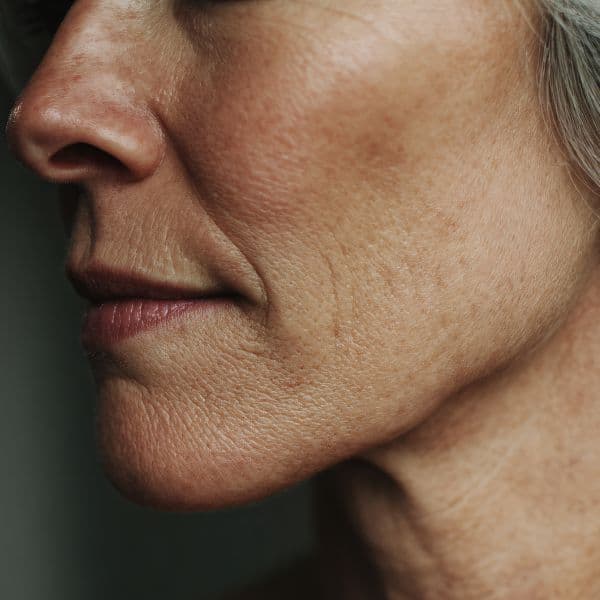








PRP stands for Platelet Rich Plasma. It is a regenerative injectable that uses a concentrated preparation of your own plasma to stimulate collagen production, improve skin texture and bring back natural radiance.
The process is simple. A small blood sample is taken at the clinic and spun in a centrifuge to isolate the platelet-rich fraction. That concentrated preparation is rich in growth factors, and once injected into targeted areas of the face it wakes up the skin’s own repair and renewal response.
New collagen forms, circulation improves, and over the following weeks the skin becomes firmer, smoother and more luminous. The look is natural, and it builds gradually over four to eight weeks after each session rather than appearing overnight.
Our PRP patients typically notice gradual improvement in skin radiance, texture and firmness over 4 to 8 weeks following their first session. Results continue to develop as collagen builds across a course of treatment, creating a naturally refreshed appearance without any obvious signs of injectable treatment.
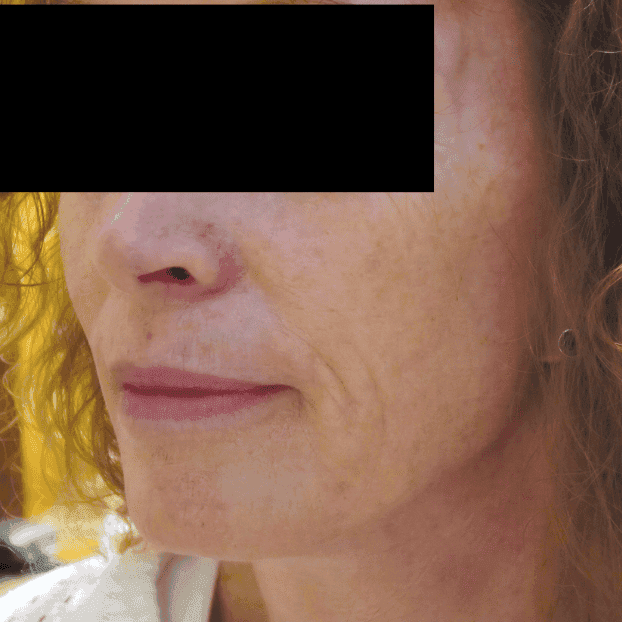
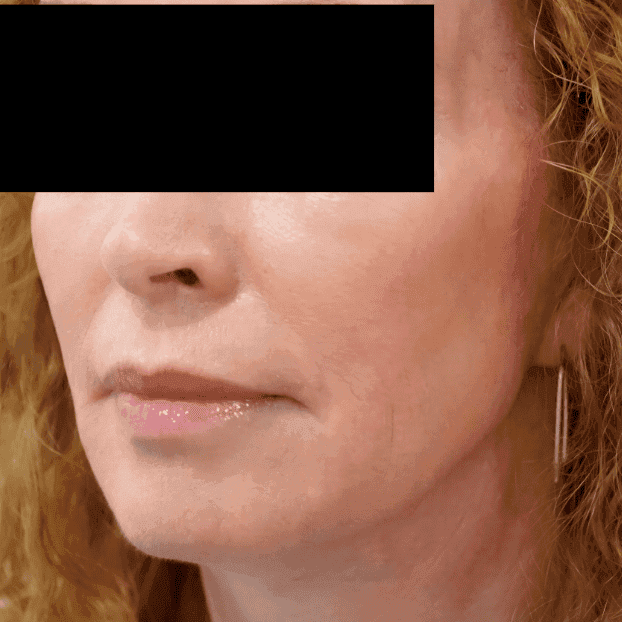
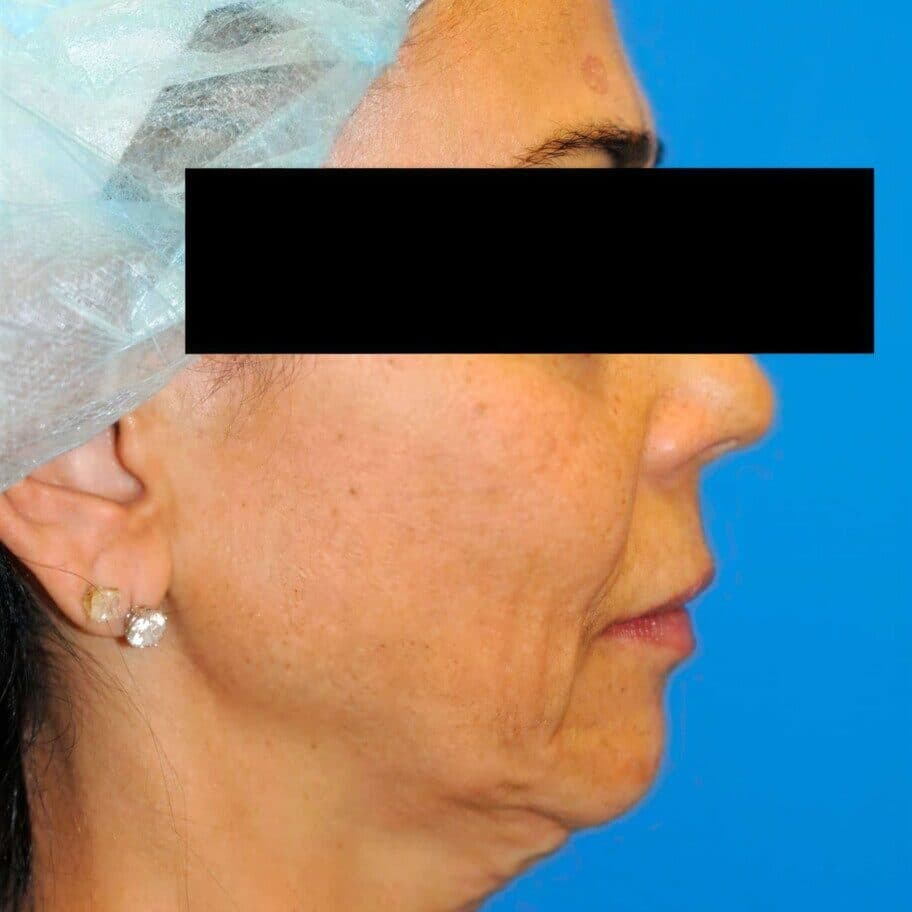
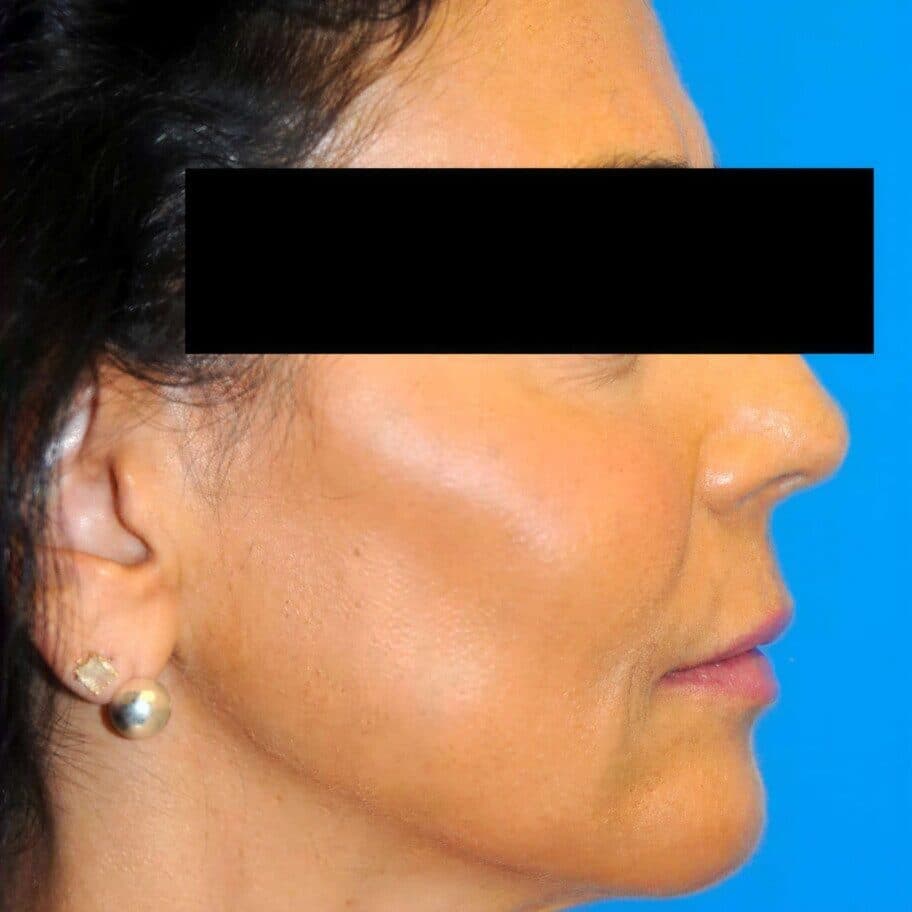
PRP works by concentrating the growth factors that are naturally present in your blood and delivering them into the skin at depth. That triggers a controlled regenerative response, stimulating collagen production, tissue repair and better microcirculation across the area being treated. In other words, your own biology does the work, prompted by a preparation made from a small sample of your blood.
Your practitioner draws a small blood sample from your arm before treatment begins. The volume is similar to a standard blood test and takes only a few minutes. It is a straightforward step, and most patients find it very comfortable.
The sample then goes into our centrifuge and spins at high speed. This separates the blood into its layers, concentrating the platelets and growth factors into a highly active plasma preparation. The result is a consistent, high quality preparation ready for injection.
Once the plasma is ready, a topical numbing cream is applied across the treatment area and left to take full effect before anything else happens. Most patients find the injection phase very manageable as a result, and discomfort during PRP injections at our London clinic is minimal.
The concentrated PRP is then injected into targeted areas using fine needles. The technique changes by area and concern, with extra precision applied to delicate zones such as the under-eye area or around the mouth. Each session is tailored to your specific skin goals rather than following a fixed protocol.
After the injections, your practitioner reviews the treated area and gives you specific aftercare guidance. Some redness or minor swelling is normal and usually clears within 24 to 48 hours. Most patients return to their normal activities the following day.
Over the following four to eight weeks, the growth factors activate the skin’s collagen-producing cells. New blood vessel formation improves microcirculation, gradually brightening and firming the skin as the regenerative process continues. The full benefit of a course usually becomes visible by the three-month mark.
Your PRP journey at Dr Joney De Souza Clinic starts with a full medical consultation. During this appointment, your practitioner reviews your skin health, medical history and treatment goals to confirm suitability and recommend the right number of sessions. A course of two to three sessions spaced four to six weeks apart tends to produce the strongest cumulative result.
If you are new to regenerative treatment, PRP is one of the easiest places to start. There is no synthetic material, no significant recovery period, and results that build naturally over weeks rather than landing all at once.
Once you have completed an initial course, a maintenance session once or twice a year usually sustains what you have achieved. Many patients go on to pair PRP with complementary treatments such as SkinPen microneedling, polynucleotides or skin boosters as their goals evolve.
Your skin is reviewed at each appointment and the approach is adjusted as your skin changes and matures over time.
As advised at consultation, avoid blood-thinning medications and alcohol in the days before your appointment where it is medically appropriate to do so. Staying well hydrated helps ensure a good quality blood draw on the day. Our team will contact you beforehand with any specific preparation instructions relevant to your medical history.
PRP treatment takes roughly 45 to 60 minutes in total. Once the topical anaesthetic has taken full effect, your practitioner begins the injection sequence. Most patients find the experience very manageable and leave the clinic the same day.
Mild redness, swelling or small injection marks are common in the 24 to 48 hours after treatment, and they usually settle without any specific intervention. We advise avoiding strenuous exercise, saunas and direct sun exposure during this period. The skin then heals more efficiently and the regenerative process develops undisturbed.
At Dr Joney De Souza Clinic, PRP is delivered by practitioners with advanced training in regenerative injectables and a thorough grasp of facial anatomy. Every patient completes a full medical consultation before treatment begins, which confirms suitability, establishes your skin goals and lets us tailor the session to you rather than reaching for a fixed protocol.
Dr Joney De Souza’s philosophy shapes how every treatment here is approached.
My ‘less is more’ approach has become the mainstay of my practice and clients appreciate that they will have natural looking results.
Our patients come back year after year for results that are natural, balanced and genuinely lasting. Our doctors have delivered PRP across thousands of patient sessions, refining both the injection technique and the patient journey around real clinical outcomes rather than passing trends.
Every PRP session at our clinic uses CE-certified preparation equipment, so you get a consistently high quality plasma preparation at each visit. Treatment takes place in a medically supervised environment, with full aftercare guidance provided before you leave.
It is an approach rooted in skin longevity, using your own growth factors to support the skin’s natural repair and gently reinforce its own structure, so skin quality is looked after for the years ahead.
PRP at Dr Joney De Souza Clinic is priced by the number of areas treated in a single session. Treatment can be applied to the face, neck or decolletage on its own, or across two areas in the same appointment for a more comprehensive regenerative result.
One-area treatment is the most common starting point and usually covers the full face. If you have visible concerns across the neck or decolletage as well, combining areas in a single session tends to make sense. Treating two areas together works out more cost-effective than separate bookings, and it gives a more consistent regenerative result across a wider surface.
| Treatment | Single | Course of 2 |
|---|---|---|
Face, Neck or Décolletage | £490 | £830 |
2 Areas | £660 | , |
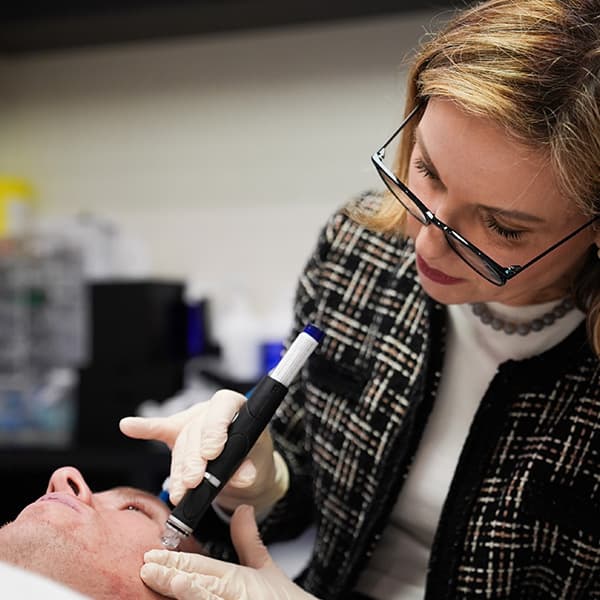
SkinPen is an FDA-cleared microneedling device and one of the most clinically validated tools available for skin renewal. At Dr Joney De Souza Clinic, SkinPen is often combined with PRP in a single session for patients who want to tackle texture, scarring and early ageing at the same time. The micro-channels SkinPen creates let PRP reach deeper layers of the skin than topical application manages on its own.
The combined treatment produces a stronger regenerative response than either approach delivers alone. It suits patients with acne scarring, enlarged pores or uneven skin tone especially well, where surface refinement and deeper collagen stimulation are both needed. Results also tend to appear more quickly after a combined session than after PRP alone. You can read more about the pairing on our PRP and SkinPen microneedling page.
The session takes roughly 60 to 90 minutes and recovery is comparable to standalone PRP. Suitability depends on your skin concern and current condition. If you would like advice on whether SkinPen with PRP is right for you, WhatsApp our team for a quick recommendation before booking.
Below are the questions patients most commonly ask about PRP treatment for the face in London. For anything not covered here, WhatsApp our team directly for a quick answer.
PRP treatment for the face uses a concentrated preparation of your own blood to stimulate collagen production, improve skin texture and restore natural radiance. A small blood sample is drawn, processed to isolate the platelet-rich plasma, and injected into targeted areas of the face. It uses only your own blood, so there is no risk of an allergic reaction and no synthetic material involved. Results develop progressively over four to eight weeks as the skin’s repair response takes hold.
Most patients notice early improvements in skin texture and radiance within two to four weeks of their first session. Firmer, smoother skin with a more even tone typically becomes visible at six to eight weeks. The full benefit of a course is usually apparent by three months.
A course of two to three sessions typically delivers results lasting twelve to eighteen months, though longevity depends on your age, skin condition and lifestyle. A maintenance session once or twice a year is usually enough to sustain the improvements you have achieved.
Most patients benefit from a course of two to three sessions, spaced four to six weeks apart. Each session builds on the regenerative response triggered by the last, producing a cumulative improvement in skin quality, firmness and radiance. Some patients with more pronounced concerns benefit from additional sessions as part of a longer plan, which your practitioner discusses at consultation.
PRP is one of the more effective options for the under-eye area, improving microcirculation, stimulating collagen and reducing the appearance of dark circles caused by skin thinning. The skin here is particularly delicate, so results develop more gradually than on other areas of the face. Multiple sessions are usually recommended for the best outcome in this zone.
Yes. PRP stimulates collagen and fibroblast activity, which progressively refines skin texture, reduces the appearance of enlarged pores and smooths surface irregularities. Most patients notice a meaningful improvement in texture and skin quality after a course of two to three sessions. It works particularly well when combined with microneedling.
PRP is well suited to fine lines and early wrinkles, particularly around the eyes, mouth and forehead where skin is thinner and more prone to early ageing. By rebuilding the collagen framework beneath the surface, PRP softens these lines progressively over weeks. It is not a replacement for anti-wrinkle injections, but it complements them well, addressing the underlying tissue quality rather than just the surface movement.
PRP improves radiance and tone by encouraging the formation of new blood vessels, which enhances microcirculation and gives the skin a healthier, more luminous look. Patients with dull, tired or sun-damaged skin consistently report a noticeable improvement in overall glow and clarity after a course of treatment.
PRP suits most skin types and tones well because it works through your own biology rather than introducing a synthetic substance. Since the preparation draws entirely from your own blood, there is no risk of an adverse reaction related to skin type. Suitability is always assessed individually at consultation, taking your medical history and current skin condition into account.
PRP supports the remodelling of scar tissue by stimulating collagen production and tissue regeneration in the affected areas. It works best on mild to moderate atrophic scarring rather than deep or ice-pick scars. For more significant acne scarring, your practitioner may recommend combining PRP with microneedling, which strengthens the regenerative response and improves surface texture at the same time.
Yes. PRP can cover the neck and decolletage in the same session as the face, or as a standalone treatment if those are your main concerns. Treating two areas together works out more cost-effective than separate bookings and gives a more consistent regenerative result across a wider surface.
PRP is one of several regenerative treatments available at Dr Joney De Souza Clinic in London. The questions below cover how it compares to the alternatives and what to weigh up when choosing the right approach for your skin.
For a dedicated facial protocol, see our PRP facial page.
Our patients return to us year after year for natural, balanced results. Every review reflects our commitment to precision, safety and a personalised approach to aesthetic care.
From the journal
Latest
More from the journal