Latest
CO2 Laser for Acne Scars: How Fractional Resurfacing Smooths the Skin
Acne & Acne Scarring
Read the article: CO2 Laser for Acne Scars: How Fractional Resurfacing Smooths the Skin
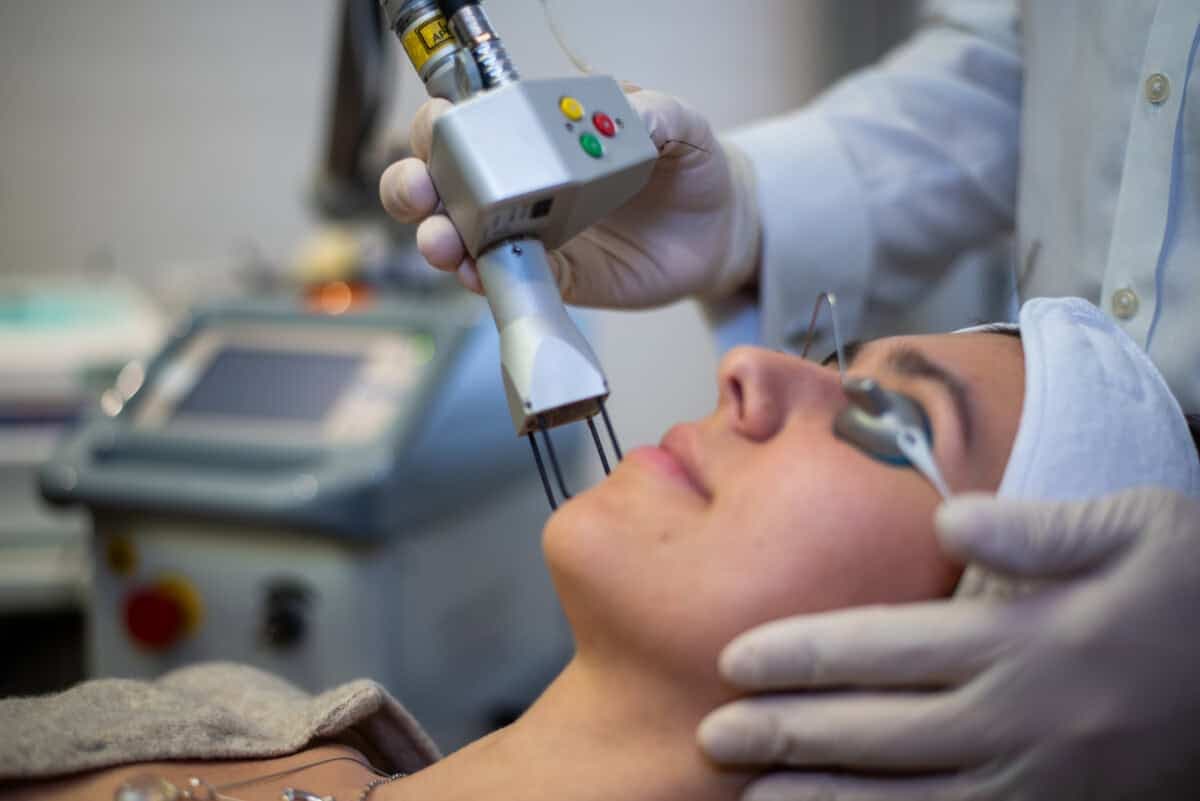
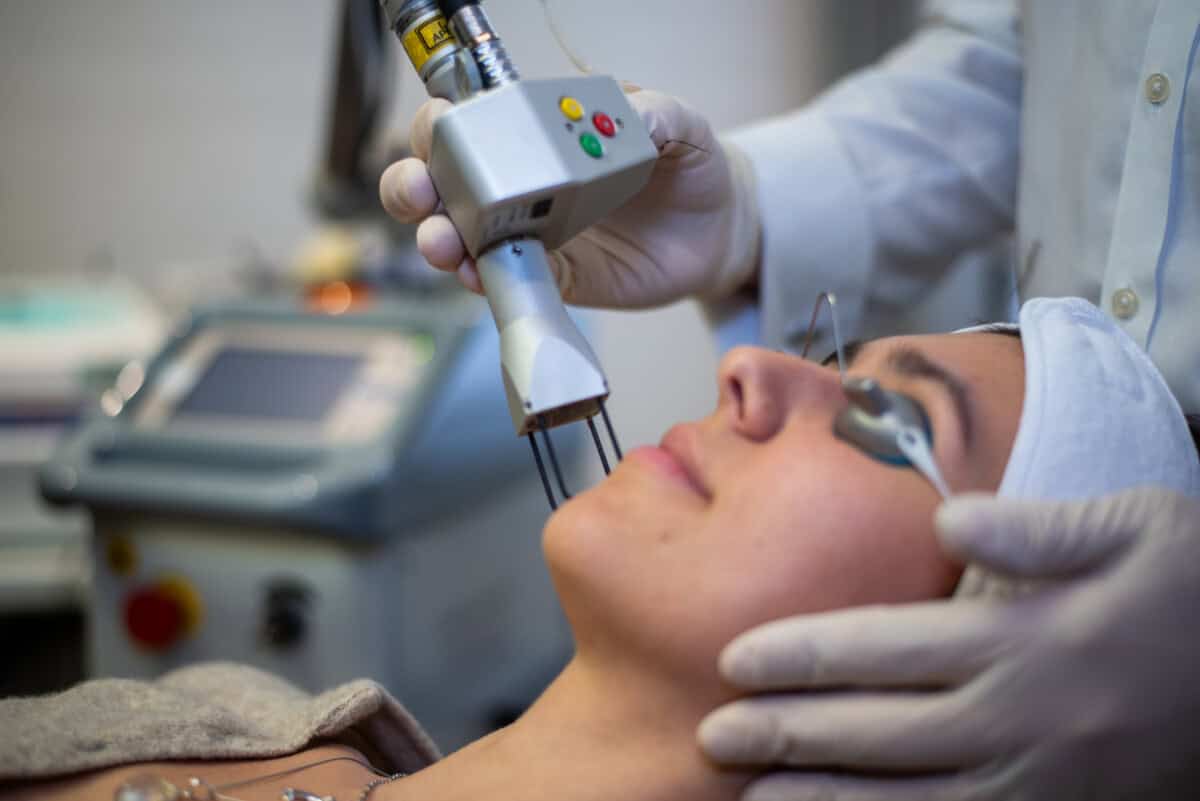
CO2 laser resurfacing at Dr Joney De Souza Clinic targets skin at a depth that surface treatments cannot reach. The laser removes damaged skin cells in controlled micro-columns, triggering a healing response that rebuilds collagen and renews the surface. Treatment is personalised by area, depth and energy, so results are matched to what your skin actually needs.
Price from £250. Full-face treatment from £1,800 with Dr Joney De Souza.


CO2 fractional laser resurfacing suits patients who want real skin transformation rather than subtle maintenance. At our Marylebone clinic, patients most commonly choose it for:
Related concerns: this treatment helps with acne scarring and open pores.









CO2 laser resurfacing is a medical-grade skin renewal treatment. The laser delivers controlled energy to the skin, removing the damaged outer layers in precise patterns. The more important effect, however, happens below the surface. The heat triggers the body to produce new collagen, leading to firmer, smoother, renewed skin over the following weeks and months.
Fractional CO2 laser treats only a fraction of the skin surface at a time, leaving surrounding tissue intact to support faster healing. As a result, it offers shorter recovery than fully ablative treatments while still delivering meaningful results. Fully ablative CO2 removes the entire surface layer in the treatment area, producing more dramatic outcomes at the cost of a longer downtime. At our clinic, fractional CO2 is the standard approach, with depth and energy adjusted to match each patient.
If your main concern is pigmentation rather than texture or wrinkles, our PicoSure laser targets colour with far less downtime than CO2.
The laser emits a beam of carbon dioxide light, which is absorbed by water in skin cells. This causes the cells to vaporise in a controlled way, removing the damaged surface layer and heating the surrounding dermis. In response, the body initiates a wound-healing cascade that rebuilds collagen and elastin over the following months. Over time, the result is tighter, smoother skin with improved tone and texture.
Your CO2 laser journey begins with a thorough consultation. Your clinician assesses your skin, reviews your medical history and discusses your goals. Together, you agree on the treatment area, the depth of resurfacing and any preparation needed before your session.
For most patients, a period of skin preparation is recommended before CO2 laser. This typically involves ZO Skin Health products over four to six weeks to prime the skin, improve healing and reduce the risk of post-inflammatory pigmentation in those with higher skin tones.
On the day of treatment, a topical anaesthetic cream is applied to the treatment area. This is left in place for thirty to sixty minutes to ensure you are comfortable throughout the procedure.
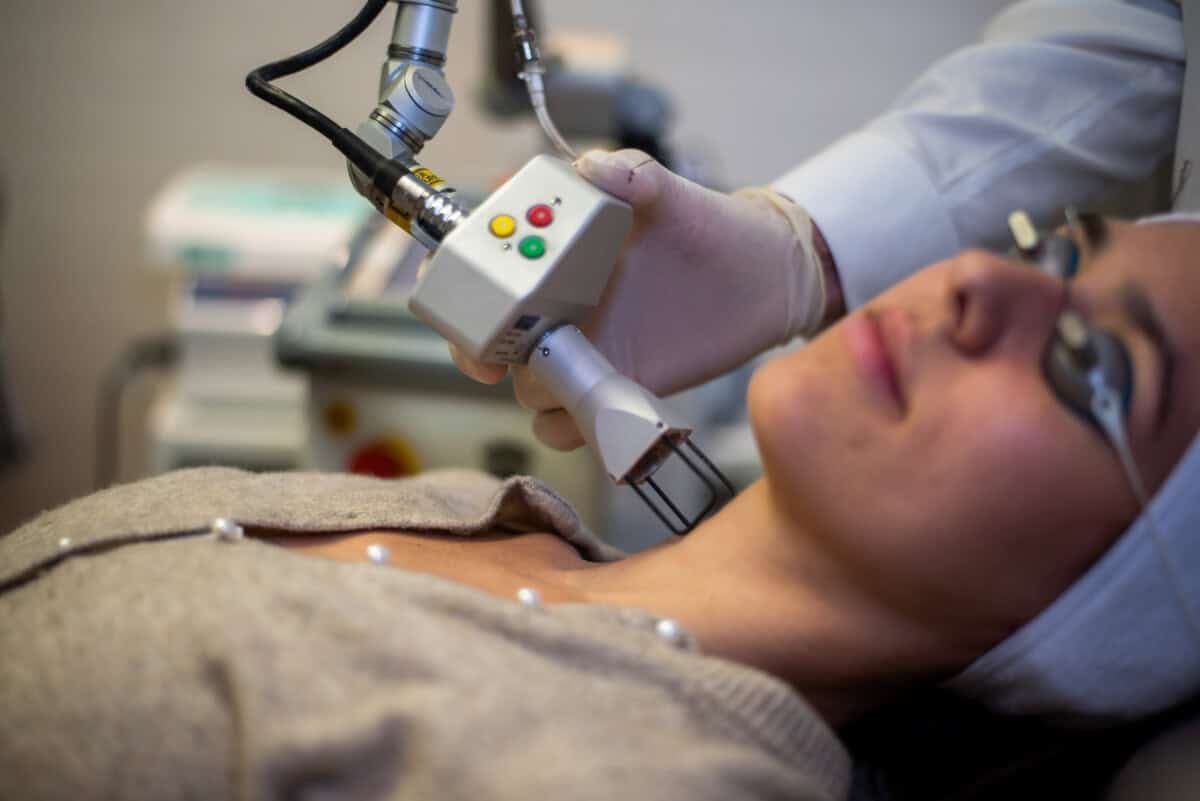
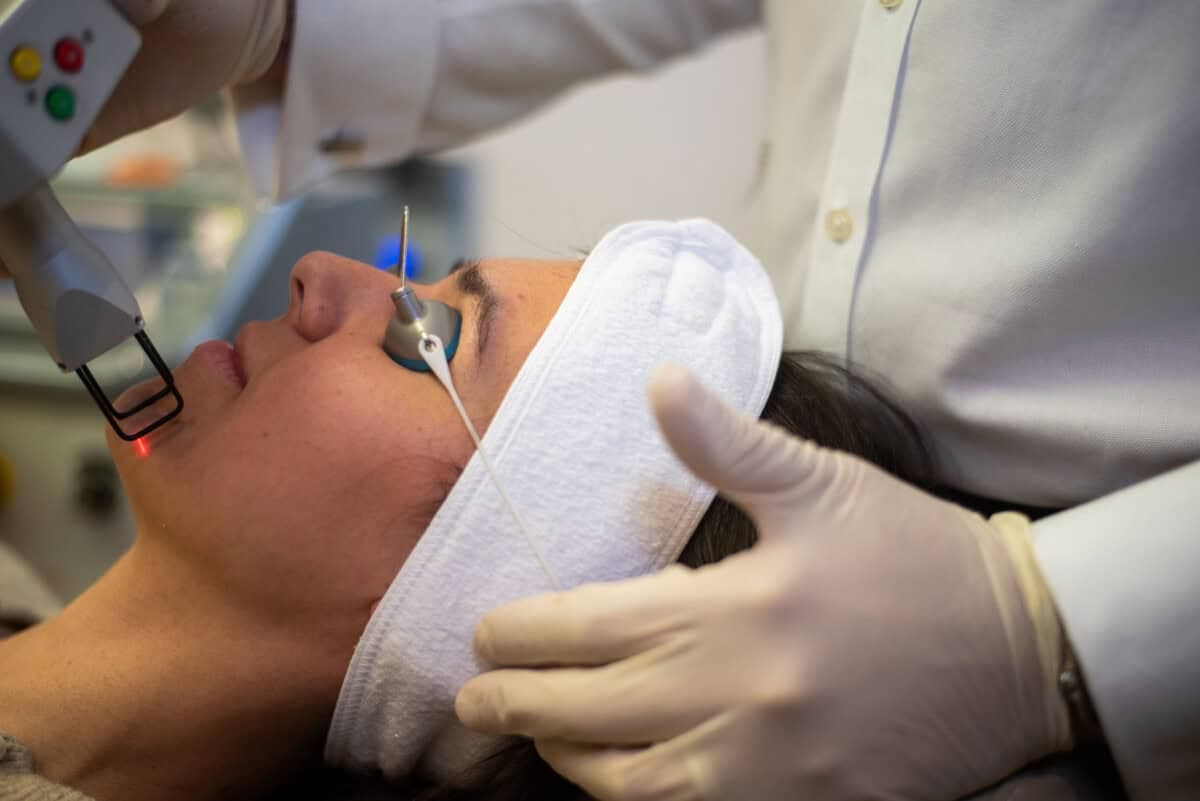
The CO2 laser handpiece is passed across the treatment area in a controlled pattern. Your clinician adjusts the energy, density and depth of treatment to match your skin concern. Sessions typically take between forty-five and ninety minutes, depending on the area treated.
Immediately after treatment, the skin is cooled and a recovery protocol begins. You can expect redness, warmth and some swelling. Your clinician reviews post-care instructions in detail before you leave the clinic.
Most patients experience a recovery period of seven to twenty-one days, during which the skin peels and renews. A follow-up appointment is scheduled at six to eight weeks to assess results and plan any further sessions if needed.
The images below show patient results following CO2 fractional laser resurfacing at Dr Joney De Souza Clinic. Individual results vary depending on the treatment area, depth of resurfacing and each patient’s skin response. A consultation with your clinician will give you a realistic picture of what to expect for your specific concern.
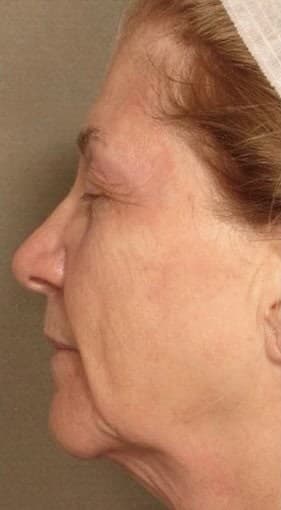
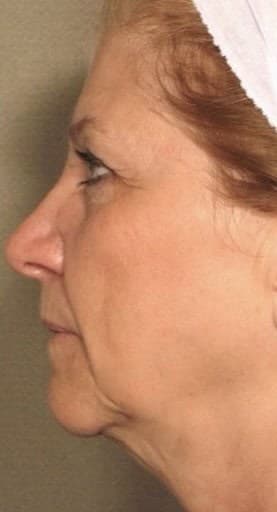
Ultraclear Laser
6 weeks post 1 treatment
For patients attending the clinic for the first time, the process begins with a thorough consultation. Your clinician reviews your skin, discusses your goals and explains whether fractional CO2 is the most appropriate option for your concern. In many cases, a period of skincare preparation is recommended before your treatment date. This is not a delay. It is the standard that produces the best results.
On the day of your session, your clinician walks you through each step so you feel fully prepared. After treatment, you leave with a clear post-care protocol and a follow-up appointment to review your progress. Most first-time patients are surprised by the improvement visible even before the skin has fully settled.
CO2 fractional laser resurfacing typically produces meaningful improvement from a single session. However, patients with significant acne scarring or deeper skin laxity sometimes benefit from a second treatment, spaced at least three to six months apart to allow full collagen remodelling between sessions. Your clinician reviews your results at the follow-up and recommends the most appropriate next step.
Over time, many patients incorporate lighter maintenance treatments such as ZO Skin Health peels or polynucleotides to support and extend the collagen improvements from their CO2 session. A long-term skin plan is always discussed as part of your ongoing care at the clinic.
Stop using retinoids, vitamin A products and active acids (AHAs, BHAs) at least five to seven days before your treatment. Avoid sun exposure and apply SPF50 daily in the weeks leading up to your appointment. If your clinician has recommended a ZO Skin Health preparation protocol, follow it consistently. Arrive at the clinic with clean, product-free skin. Allow sixty to ninety minutes for the numbing cream to work before your session begins.
With topical anaesthetic applied, most patients experience a warm, prickling sensation rather than pain. The handpiece is moved steadily across the treatment area. You may notice a faint odour as the laser works. This is normal. Your clinician adjusts settings throughout to ensure comfort. Sessions last between forty-five and ninety minutes depending on the area treated.
Immediately after, the skin appears red and feels warm, similar to sunburn. Swelling peaks in the first twenty-four to forty-eight hours and then begins to subside. The skin will peel and shed over the following seven to fourteen days. This is part of the renewal process and should not be interfered with. Keep the skin clean and moisturised, avoid sun exposure entirely and do not apply makeup until the skin has fully re-epithelialised. Return to actives such as retinoids and acids only when your clinician advises, typically after four to six weeks.
CO2 laser resurfacing produces significant results, and equally significant risks if performed incorrectly. At Dr Joney De Souza Clinic, every CO2 laser treatment is performed by a medically qualified clinician. This distinction matters when treatment depth, energy settings and patient selection directly affect both outcomes and safety.
The laser we use, and why it matters. Our CO2 treatment uses the Deka SmartXide DOT fractional CO2 laser. This is fractional resurfacing, not fully ablative CO2. We are often asked for fully ablative CO2, which we do not offer, because the fractional approach gives meaningful results with a safer, more manageable recovery.
Always doctor-led. Every CO2 laser treatment here is carried out by a doctor. As a medical-grade laser treatment, we would not have it any other way.
Pricing for CO2 fractional laser resurfacing reflects the treatment area, the depth of resurfacing and the level of clinical time involved. All prices below are for treatment with Dr Joney De Souza. Associate appointments are available at a lower rate. Contact the clinic for details.
The right option depends on your primary concern, your tolerance for downtime and the area you want to treat. Patients focused on overall skin quality and lines across the full face most commonly choose the face or face and neck combination. Those targeting acne scarring, smoker’s lines or periorbital crepiness benefit from more focused area treatment. Scar patients are assessed individually, as the area and density of scarring determine the most appropriate approach. Your clinician will recommend the right option at consultation.
Prices shown are for Dr Joney De Souza. Scar pricing is by area, confirmed at consultation.
| Treatment | Price |
|---|---|
CO2 Fractional Laser, Face | £1,800 |
CO2 Fractional Laser, Face & Neck | £2,200 |
CO2 Fractional Laser, Face, Neck & Décolletage | £2,600 |
CO2 Fractional Laser, Madonna Eyelift | £1,000 |
CO2 Fractional Laser, Smoker's Lines (Mouth & Upper Lip) | £800 |
CO2 Fractional Laser, Individual Areas | from £900 |
CO2 Fractional Laser, Scars | from £250 |
Polynucleotides are a natural complement to CO2 laser resurfacing. Where CO2 laser works by removing and renewing the skin surface, polynucleotides work from within. They stimulate fibroblast activity, accelerate tissue repair and boost the depth of collagen remodelling. Together, they create a more comprehensive result than either treatment achieves alone.
Following CO2 resurfacing, the skin enters an active healing and remodelling phase. Introducing polynucleotides two to four weeks after treatment, once the surface has fully healed, supports and extends this process. Patients who combine the two treatments often report faster recovery, greater improvement in skin hydration and density, and longer-lasting results than those who undergo CO2 laser alone. Your clinician can discuss whether this combination is appropriate for your skin at your consultation.
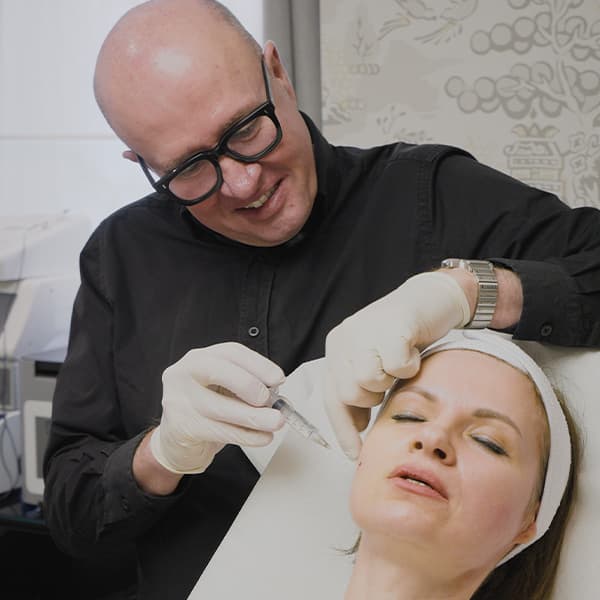
CO2 laser resurfacing naturally raises questions around downtime, cost, suitability and what to realistically expect. The answers below address the questions we hear most often at our Marylebone clinic.
At Dr Joney De Souza Clinic, CO2 fractional laser resurfacing starts from £250 for scar treatment. Full-face resurfacing with Dr Joney De Souza is £1,800. Face and neck combined is £2,200, and face, neck and décolletage together is £2,600. Individual areas such as the Madonna eyelift and smoker’s lines are priced separately. See the pricing table above. Associate appointments are available at a lower rate.
Most patients achieve significant improvement from a single session. However, patients with moderate to severe acne scarring, deeper skin laxity or very uneven texture may benefit from a second treatment, spaced at least three to six months apart to allow full collagen remodelling between sessions. Your clinician reviews your results at your follow-up appointment and recommends the most appropriate next step based on your individual skin response.
For patients with the right concerns, CO2 fractional laser resurfacing delivers results that are difficult or impossible to achieve with lighter treatments. The improvement in acne scarring, skin tightness and surface texture is often dramatic and long-lasting. For patients prepared for the downtime and post-care commitment, the investment typically compares very favourably with repeated courses of lighter treatments that produce incremental rather than transformative results.
Most patients experience a recovery period of seven to fourteen days for fractional CO2 treatment. During this time, the skin appears red and progressively peels and renews. Social downtime, when you would prefer not to be seen, is typically five to ten days. Return to work in an office setting is usually possible after seven to ten days with appropriate skincare. Heavy exercise and sun exposure should be avoided for at least two weeks after treatment.
Yes. CO2 fractional laser resurfacing is one of the most effective treatments for acne scarring. The laser removes the damaged scar surface and simultaneously stimulates deep collagen production in the dermis. Over the following weeks and months, the skin remodels and scar depth, texture and discolouration all improve. Results are cumulative, with improvement continuing for up to twelve months after a single session.
Yes. The heat delivered by CO2 laser causes immediate collagen contraction, producing visible tightening within the first few weeks. Over the following three to twelve months, new collagen forms in the dermis, leading to progressive firming of the skin. This makes CO2 laser particularly effective for patients with early skin laxity on the face, neck or around the eyes.
Yes, though results vary depending on the age, colour and depth of the stretch marks. CO2 fractional laser improves the texture and appearance of stretch marks by resurfacing the damaged skin and stimulating collagen in the underlying dermis. Newer, red or purple stretch marks typically respond better than older, white ones. Your clinician will assess the area at consultation and give you a realistic expectation of improvement.
Fractional CO2 laser can be used on a range of skin tones. The risk of post-inflammatory hyperpigmentation is higher in patients with Fitzpatrick skin types IV to VI. At our clinic, higher skin tones receive a thorough pre-treatment assessment, and a preparation protocol is typically recommended to reduce this risk. Your clinician will be direct about suitability and what to expect based on your individual skin tone.
Fractional CO2 laser treats only a percentage of the skin surface at a time, leaving surrounding tissue intact to support faster healing. Recovery is typically seven to fourteen days. Fully ablative CO2 removes the entire surface layer in the treatment area, producing more dramatic outcomes but requiring a longer recovery of two to four weeks. At our clinic, fractional CO2 is the standard approach, with depth and energy personalised to your skin concern and downtime tolerance.
Yes. The periorbital area is one of the most commonly treated zones with CO2 fractional laser. The Madonna Eyelift specifically targets fine lines, crepiness and mild skin laxity around the eyes. Treatment in this area requires careful technique and is always performed with protective eye shields in place. Results in the periorbital zone are typically very visible and long-lasting.
The surface improvements in texture, tone and clarity are durable. The collagen stimulated by treatment improves skin quality for twelve to eighteen months after a single session, and in many patients the benefits are visible for several years. Natural ageing and ongoing sun exposure continue over time. For this reason, most patients combine their CO2 results with a consistent skincare routine and, where appropriate, lighter maintenance treatments in the years that follow.
No. We use the Deka SmartXide DOT for fractional CO2 resurfacing, which delivers meaningful results with a safer, more manageable recovery than fully ablative CO2.
We use the Deka SmartXide DOT, a medical-grade fractional CO2 laser system.
A doctor. We treat CO2 laser as a medical procedure, from consultation through to aftercare.
Patients considering CO2 fractional laser resurfacing often want to understand how it compares to the other options available at our clinic. The questions below address the most common comparisons, safety considerations and practical booking questions.
Related reading: is CO2 laser safe and our CO2 laser recovery guide.
More CO2 reading: CO2 for acne scars, how many sessions you need and CO2 laser cost in London.
Our patients return to us year after year for results that are natural, lasting and worth the investment. Every review below reflects a real patient experience at our Marylebone clinic.
From the journal
Latest
More from the journal