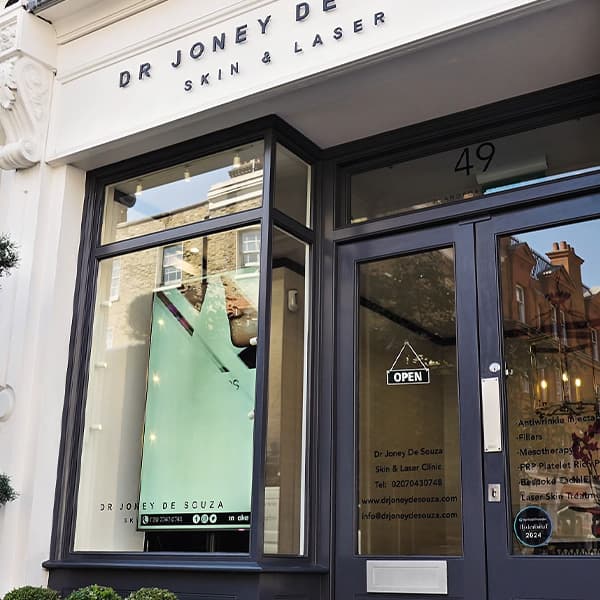
A clinical guide to January skin treatments in London, explaining how skin boosters support post-festive skin recovery.
23rd December 2025
The weeks following the festive period are often when changes in skin quality feel most apparent. Disrupted routines, colder weather, richer food, and reduced hydration can all affect how the skin looks and behaves, leaving it dull, dehydrated, or less resilient than usual.
At his clinic in Marylebone, Dr Joney De Souza’s expert team approach January skin concerns not as problems to be corrected quickly, but as signals that the skin may need support and recalibration. Rather than dramatic intervention, the emphasis is on restoring balance, strengthening skin function, and improving quality gradually over time.
This measured approach reflects a broader philosophy: skin health is cumulative, and sustainable improvement comes from understanding what the skin needs at a particular moment, rather than reacting aggressively to short-term changes.
Post-festive skin changes rarely come from a single cause. Usually, several overlapping influences build up together:
Reduced hydration and impaired barrier function
Slower cell turnover
Increased sensitivity or low-grade inflammation
Surface congestion contributing to dullness
A general loss of clarity and even tone
For many patients, these changes reflect skin quality rather than ageing. The skin can feel less comfortable than usual. Makeup may not sit as smoothly. The complexion often looks tired rather than fundamentally altered.
This distinction matters. It shapes how January treatments are selected and timed.
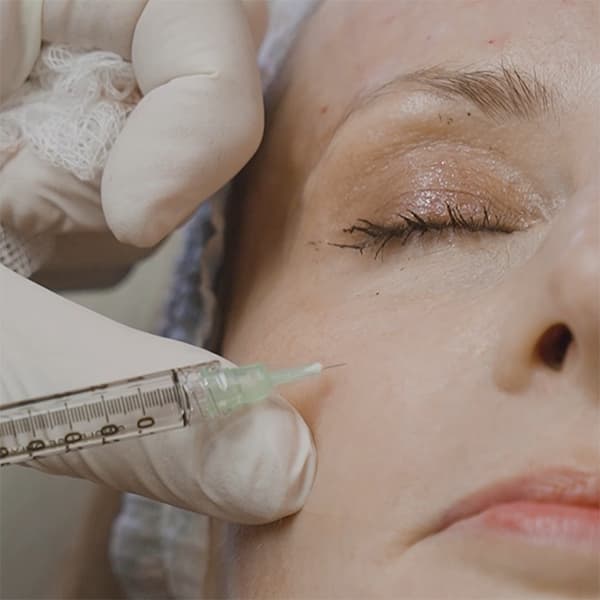
January is often seen as a chance to reset. Clinically, it offers real advantages. Sun exposure is lower, and social calendars are quieter. Patients also feel more open to long-term skin health over immediate results.
At the clinic, January consultations typically focus on:
Assessing hydration and barrier integrity
Identifying signs of congestion or slowed renewal
Understanding how the skin responded to recent lifestyle changes
Planning treatments that support recovery rather than correction
The aim is not intensive treatment. Instead, we create the right conditions for the skin to work well in the months ahead.
Dehydration is one of the most common post-festive concerns. When the skin barrier is compromised, moisture escapes more easily. This can leave the skin tight, sensitive and dull.
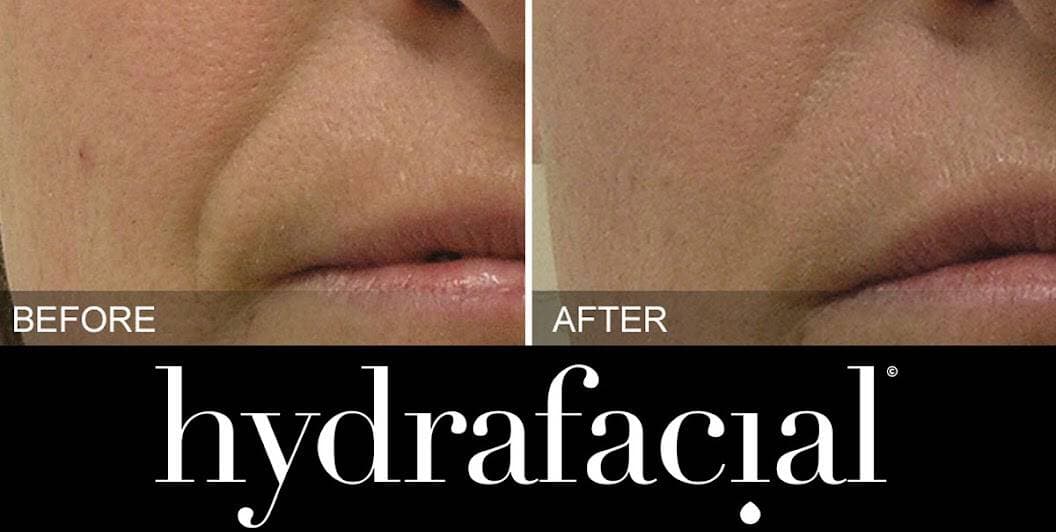
Treatments such as Hydrafacial are often a good starting point. They combine gentle exfoliation with hydration and antioxidant delivery. This helps clear surface congestion while supporting barrier recovery.
At the Dr Joney De Souza clinic, Hydrafacial is treated as a foundation rather than a complete solution. Better hydration and comfort help the skin respond to treatments introduced later. For some patients, it may be enough on its own.
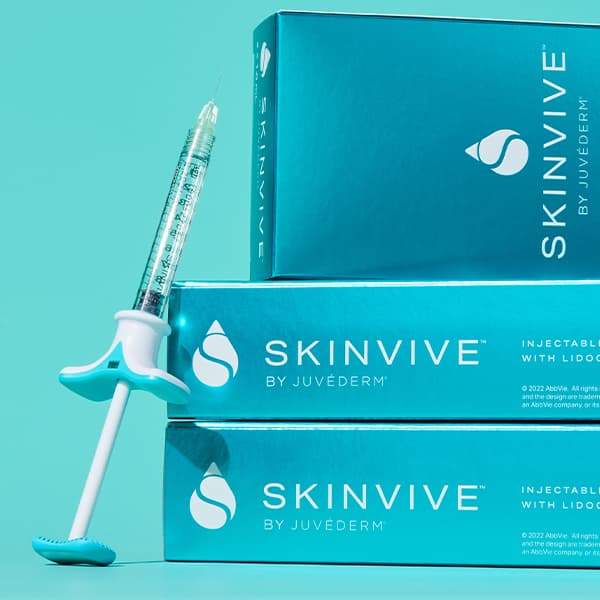
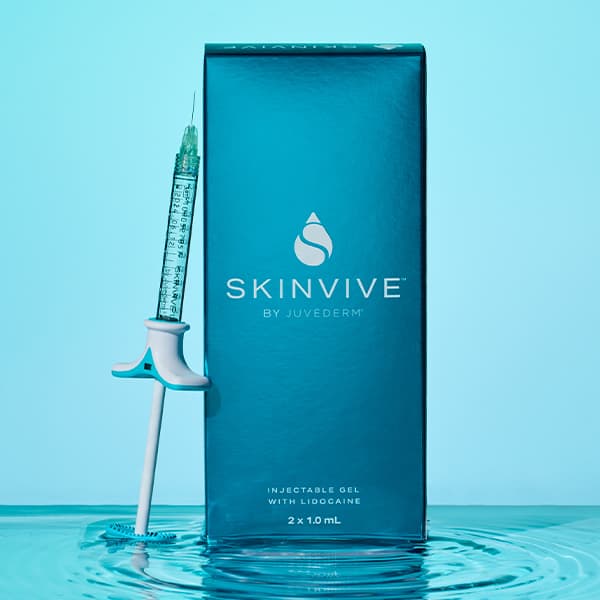
For some patients, topical and device-led treatments are not enough. They may not fully restore hydration and resilience. Injectable skin boosters such as Skinvive can then be discussed. Their role is to support skin quality from within.
These treatments aim to improve hydration, elasticity and texture. They do not alter facial structure or add volume. Instead, they enhance how the skin behaves over time. The change is gradual rather than immediate.
An estimated 900,000 botulinum toxin injections are carried out in the UK each year. Even so, skin boosting treatments are gaining traction among people who view anti-ageing as longevity.
Dr Joney De Souza told Harpers Bazaar that anti-wrinkle injections remain one of the clinic’s most sought after treatments. He noted that the past couple of years have shown a marked increase in people seeking alternatives. More and more now choose a long-term plan over a last-minute remedy.
At the Dr Joney De Souza clinic in Marylebone, the clinical team assesses each patient before any injectable treatment. Suitability varies with skin thickness, lifestyle and existing concerns.
TV presenter Cat Deeley recently spoke openly about aesthetic treatments in Good Housekeeping. She described how she prioritises natural looking results that support skin quality and confidence.
In the article, Cat highlights her skin booster treatments with Dr Joney De Souza. They are part of her routine for hydration and a fresh-looking complexion.
“I want something that I can go in, do and know it’s going to keep on delivering.”


Dullness after the festive season often links to slower cell turnover. Subtle pigment irregularities can play a part too. In these cases, laser-based treatments may fit into a broader skin quality plan.
PicoSure Laser Treatment is one of the devices used at Dr Joney De Souza’s clinic. The experts use it to support clarity and brightness. As a non-ablative laser, it delivers energy in very short pulses. This stimulates the skin without causing significant surface disruption.
Laser treatments are never introduced as a default. Before recommending any energy-based treatment, the clinical team weighs skin type, sensitivity and recovery capacity. This keeps every intervention appropriate and proportionate.
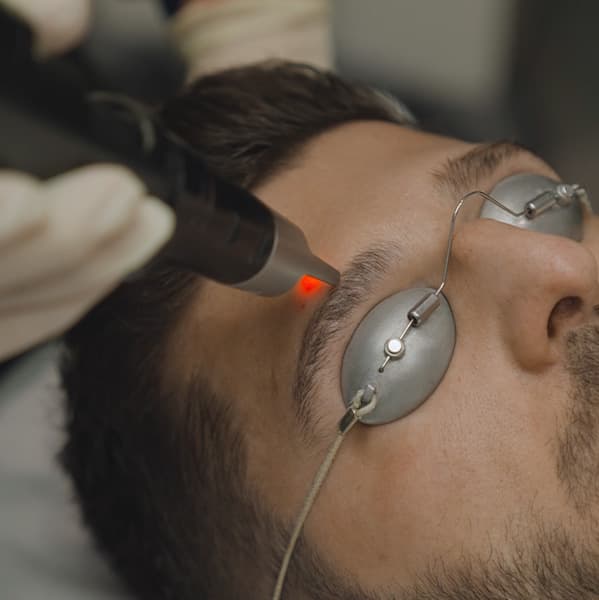
Beyond immediate post-festive recovery, some patients use January to begin longer-term skin rejuvenation. Laser-led treatments can help here. They stimulate collagen production and build skin strength gradually.
Rather than intensive resurfacing, the clinic’s January approach favours controlled, lower-intensity treatments. These support the skin without overwhelming it. Over time, they may be combined with injectable or hydration-focused treatments, depending on individual needs.
This phased strategy treats skin health as an ongoing process. It is not a one-off intervention.


Patients who often benefit from these skin treatments in London include those who:
Notice increased dullness or dehydration after the festive period
Feel their skin appears tired rather than aged
Experience uneven texture or makeup sitting poorly
Want to improve skin quality in a gradual, considered way
Sometimes, treatment is better deferred. Skin that is inflamed, reactive or compromised may benefit from a period of recovery first. Any in-clinic intervention can wait until then.
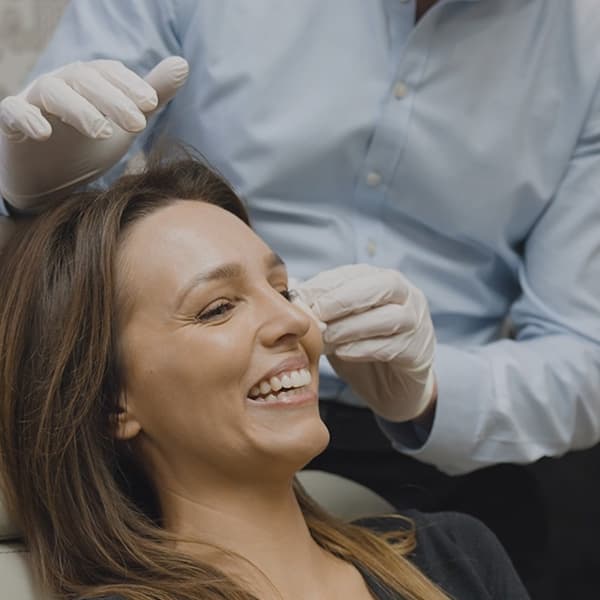
A consistent principle at the clinic is that not every concern requires immediate treatment. January consultations are often as much about deciding what not to do as what to proceed with.
Clinical assessment allows the team to:
– Identify underlying causes rather than surface symptoms
– Select appropriate treatment intensity and timing
– Avoid unnecessary or poorly timed intervention
– Align treatment plans with long-term skin health goals
This approach helps ensure that outcomes remain subtle, natural and sustainable.
During winter, skin hydration drops sharply. Cold temperatures, low humidity, indoor heating and a weaker barrier all play a part. The result is often dryness, dullness, tightness and more visible fine lines.
Skinvive, injectable skin boosters and Hydrafacial are effective short term solutions. They work at different levels of the skin. Together they restore hydration quickly, improve texture and support the barrier without downtime.
You can use these treatments alone or in combination. They help keep skin healthy and resilient through winter, when topical skincare alone is often not enough.
Skinvive is an injectable hyaluronic acid treatment designed to improve skin hydration, smoothness and luminosity rather than add volume or alter facial shape. It works within the skin to enhance water retention and skin quality.
Skin boosters are injectable treatments containing hyaluronic acid or bio stimulating ingredients that improve hydration, elasticity and skin texture rather than adding volume.
Hydrafacial removes dead skin cells that build up more quickly in winter while delivering intense hydration, helping skin look brighter, smoother and healthier immediately.
January skin treatments often focus on hydration, barrier repair, and gentle rejuvenation to support skin recovery after lifestyle disruption.
Laser treatments are commonly performed during winter months due to lower sun exposure, but suitability depends on individual skin type and condition.
Skin boosters are intended to improve hydration and texture rather than add volume or alter facial structure.
Timelines vary. Some patients notice improvements quickly, while others benefit from a series of treatments planned over several months.
Results may last up to 6 months, depending on skin condition, lifestyle and skincare routine.
Our patients return to us year after year for natural, balanced results. Every review reflects our commitment to precision, safety and a personalised approach to aesthetic care.
The Dr Joney De Souza Skin & Laser Clinic is based at 49 Blandford Street in Marylebone. It is known for a refined, personalised approach to aesthetic medicine and skin health.
The clinic offers a carefully curated range of advanced treatments, including Skinvive by Juvéderm. These aim to improve skin quality, hydration and radiance while preserving natural facial expression.
Every treatment gets the same attention to detail and clinical integrity. The focus stays on long-term skin health rather than short-term cosmetic change.
Through thorough consultation and tailored planning, patients are guided towards subtle, effective solutions. These support healthy, luminous skin over time.