Latest
How Long Does Endolift Last?
Blogs
Read the article: How Long Does Endolift Last?
Stimulate natural hair growth with platelet-rich plasma therapy. Doctor-led PRP for hair thinning and loss.
Stimulate dormant hair follicles and reduce shedding using your own platelet-rich plasma. Doctor-led PRP hair loss treatment at our Marylebone clinic in London.


In most cases, PRP hair treatment in London suits patients noticing early to moderate thinning across the scalp. Men and women with androgenetic alopecia respond particularly well, as do those with diffuse hair loss, post-partum shedding, or early-stage alopecia areata. However, PRP works best when hair follicles are still active. Advanced baldness with very few remaining follicles is not a suitable indication for this treatment.
Additionally, patients on blood-thinning medication, those with active scalp infections, or individuals who cannot safely pause anticoagulant therapy are not appropriate candidates. Dr De Souza assesses each patient at consultation before proceeding with PRP hair loss treatment in Marylebone.
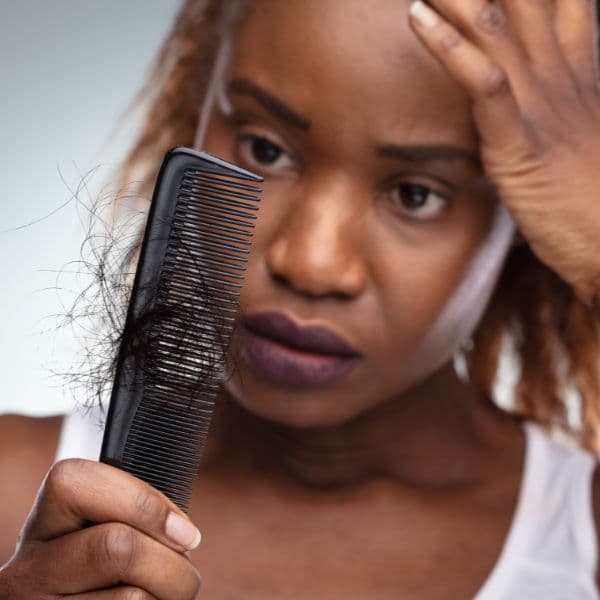








PRP stands for platelet rich plasma. In practice, it is a concentrate prepared from your own blood. A small sample is drawn from your arm, then centrifuged at high speed to separate the plasma layer. This layer contains a high concentration of platelets, which carry growth factors that stimulate tissue repair and cell regeneration.
Specifically, these growth factors activate the cells surrounding dormant hair follicles, extend the anagen growth phase, and improve blood supply to the scalp. Overall, a course of PRP hair London treatment at our Marylebone clinic can significantly increase hair density and reduce shedding within months of starting treatment.
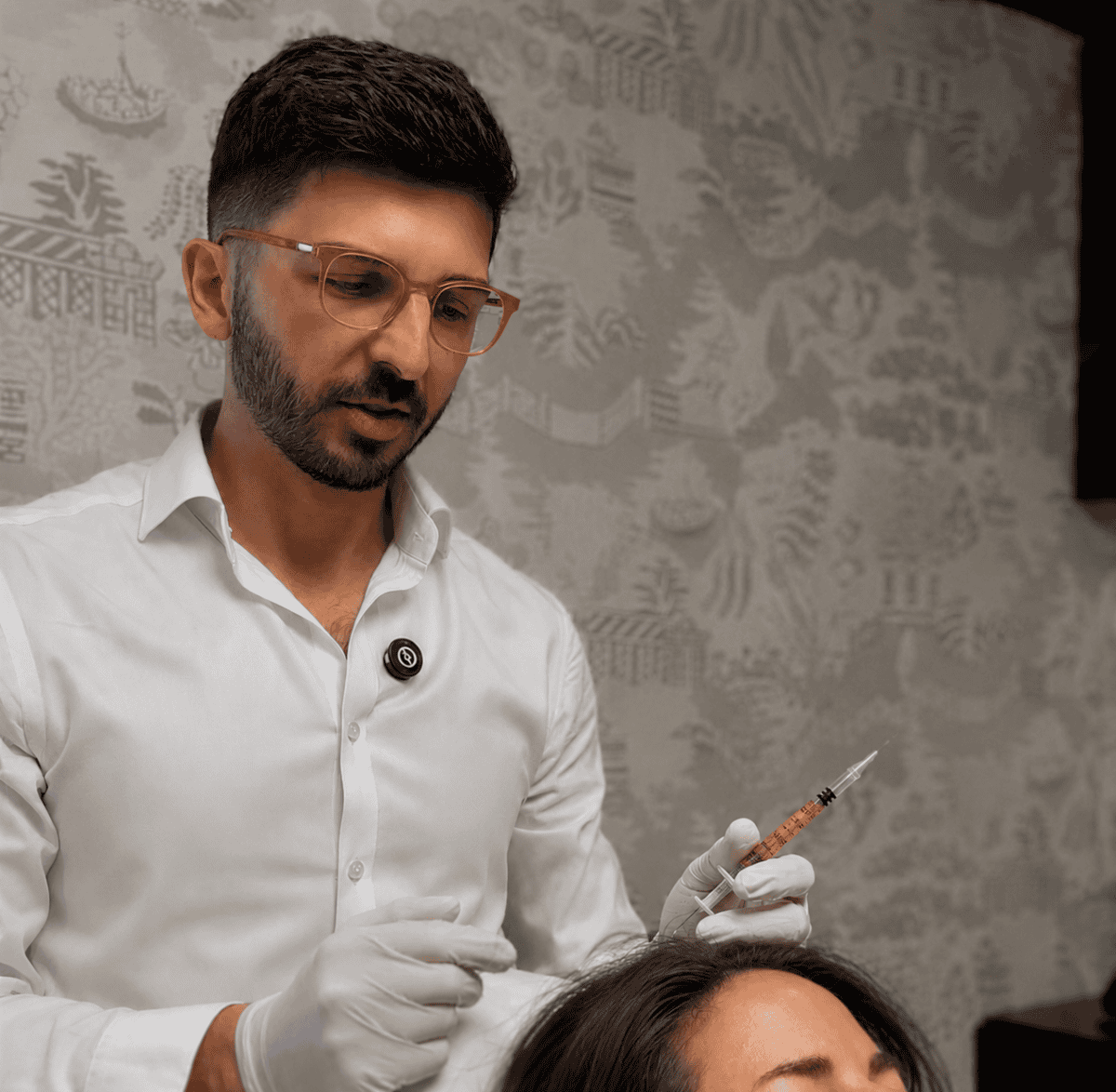
PRP concentrates the platelets in your blood to between three and five times their normal level. Growth factors inside those platelets activate the cells surrounding each hair follicle. As a result, follicles that have entered a dormant state can re-enter the active growth phase, producing thicker, stronger strands over time.
Furthermore, the concentrated plasma improves blood circulation in the scalp. In practice, this means nutrients and oxygen reach each follicle more efficiently, supporting long-term hair retention alongside the growth stimulation from the growth factors themselves.
Before treatment begins, Dr De Souza draws a small blood sample from your arm. The volume is similar to a standard blood test and takes around 10 minutes. As a result, most patients feel only minor discomfort, comparable to a routine venepuncture.
Next, the tube goes into our centrifuge and spins at high speed for 10 minutes. This separates your blood into its component layers, concentrating the platelet-rich plasma. Additionally, Dr De Souza uses CEF-certified preparation equipment to ensure a consistent, high-quality concentrate every time.
Once the plasma is ready, a topical numbing cream is applied across the scalp and left for 20 minutes. In practice, this makes the injection phase very well tolerated. Most patients describe the sensation during injections as mild pressure rather than pain.
Practioner injects the platelet-rich plasma into the areas of the scalp showing the most thinning. He then uses a systematic grid pattern to ensure even distribution across the treatment zone. Overall, the injection phase takes 20 to 30 minutes, depending on the size of the area treated.
After the injections, a brief scalp massage helps distribute the PRP evenly and stimulates blood flow. Additionally, the team confirms your next appointment and reviews your aftercare instructions. Before you leave, patients receive written aftercare guidance to take home.
Over the four to six weeks following treatment, growth factors reactivate follicle cells and trigger new growth cycles. However, some increased shedding is normal initially as resting hairs shed before new growth begins. As a result, most patients see clear improvements in hair density after completing the full course of three sessions.
Our PRP hair loss patients in London report visible improvements in scalp coverage, strand thickness, and reduction in shedding. Before and after photographs are taken at each visit to document progress. Individual results vary depending on the degree of thinning and the number of sessions completed. Dr De Souza sets realistic expectations at your initial consultation.
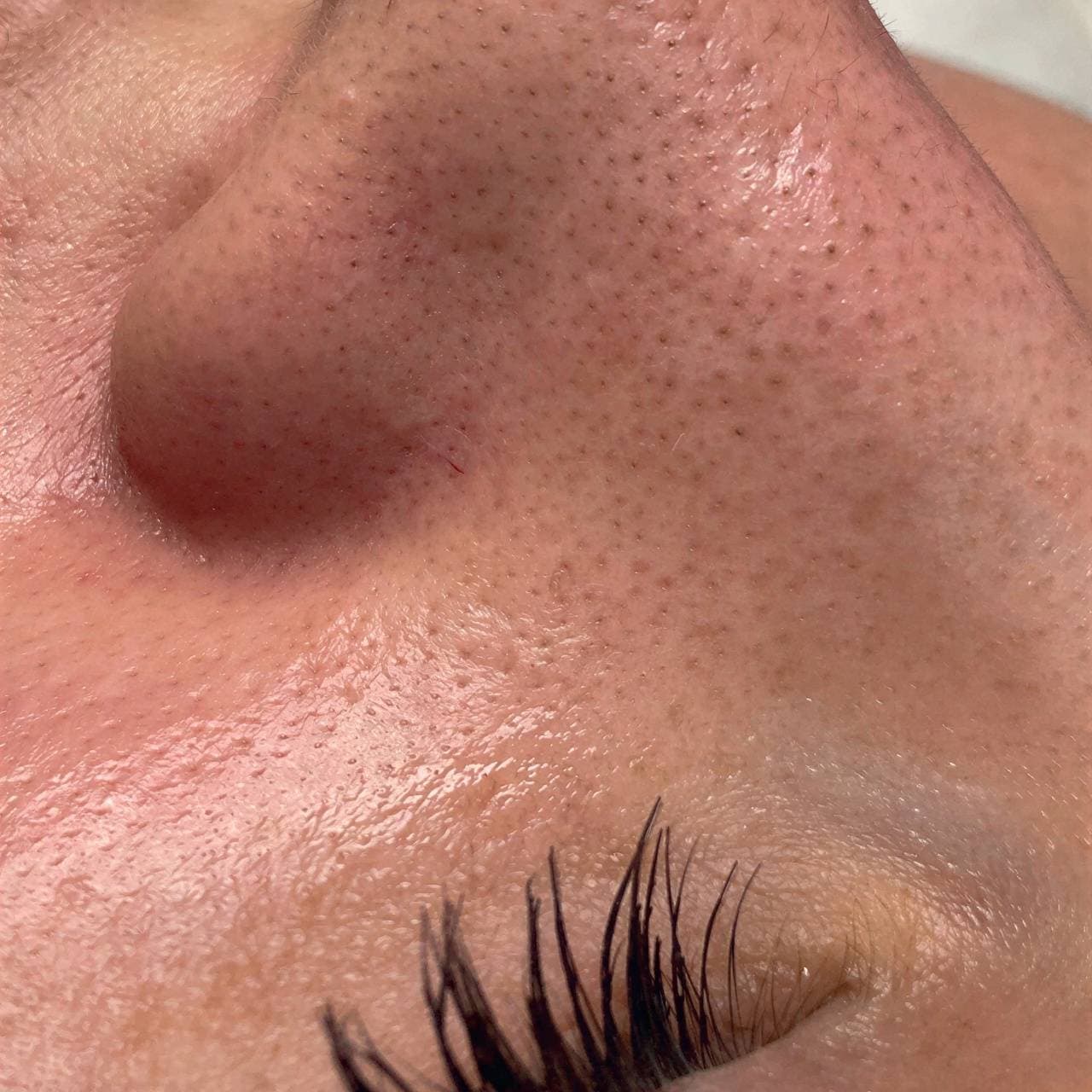
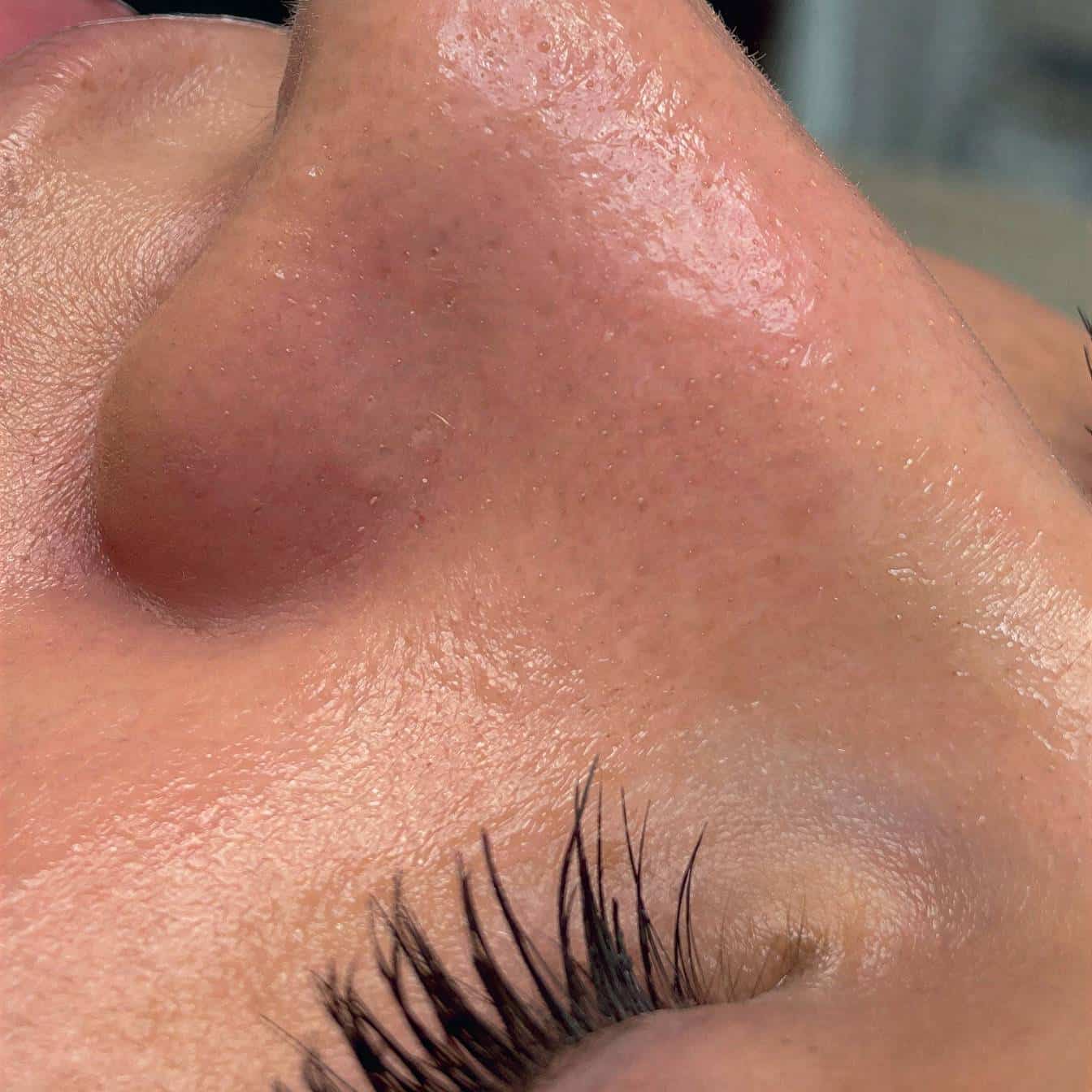
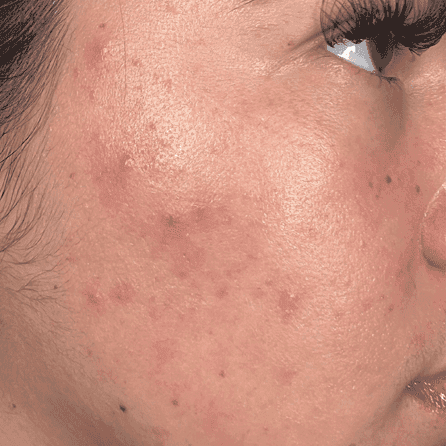
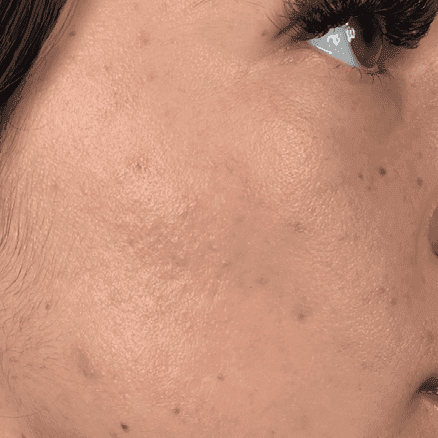
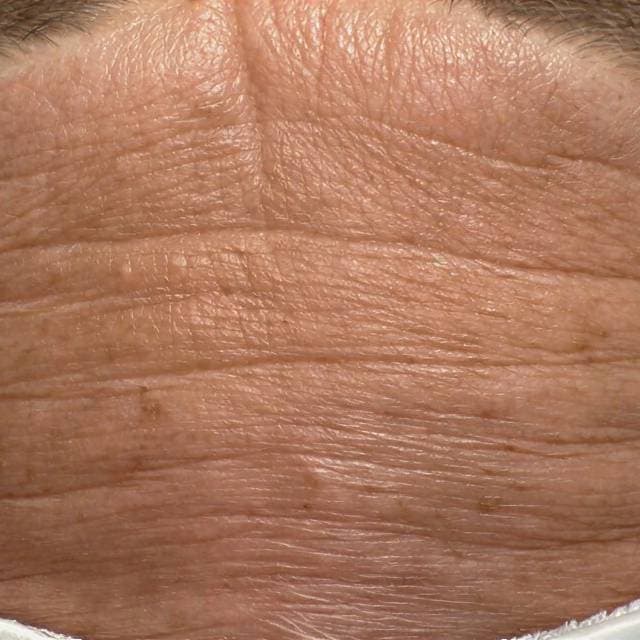
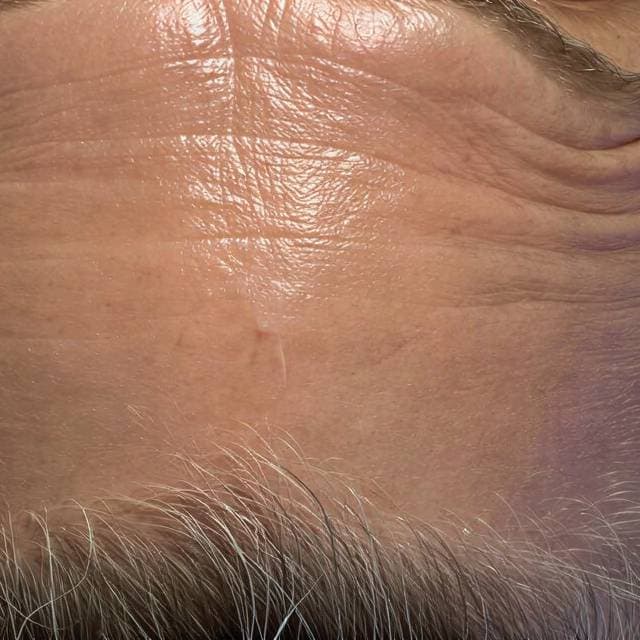
Your first appointment at Dr Joney De Souza Clinic begins with a full scalp assessment. Dr De Souza reviews your hair loss history, photographs the affected areas, and checks for any contraindications. In practice, this consultation takes around 20 to 30 minutes and shapes your personalised treatment plan.
Additionally, most first-time patients begin a course of three sessions spaced four to six weeks apart. Overall, this initial course delivers the greatest gains in hair density. Dr De Souza advises on whether additional sessions or a different interval suits your specific pattern of hair loss.
After completing the initial course, most patients schedule a maintenance session every four to six months. However, this frequency varies depending on how well the follicles responded and whether you are combining PRP with other hair loss treatments. In most cases, patients who maintain regular sessions continue to improve hair density.
Furthermore, PRP is fully compatible with Minoxidil, finasteride, and polynucleotides. Dr De Souza can advise on combining therapies during your review appointment. As a result, many patients see better long-term outcomes than with any single treatment approach alone.
As advised at consultation, avoid blood-thinning supplements such as fish oil, aspirin, and vitamin E for one week before your appointment where medically appropriate. Additionally, wash your hair on the morning of treatment using a gentle shampoo. In practice, arriving with a clean, product-free scalp gives the best results and the most comfortable session.
The full session takes 60 to 90 minutes from start to finish. Dr De Souza performs the blood draw, centrifugation, and scalp numbing before moving to the injection phase. In most cases, patients describe the injections as mild pressure rather than sharp pain. Additionally, the team monitors your comfort throughout and can pause at any point if needed.
After PRP hair treatment, avoid washing your hair for 24 hours. Additionally, avoid vigorous exercise, swimming, and direct sun exposure for 48 hours. In most cases, mild scalp redness and sensitivity resolve within 24 hours. However, some increased shedding in the first two to four weeks is normal, as follicles enter a new growth cycle before producing stronger new hair.
Dr Joney De Souza is a highly experienced aesthetic physician based in Marylebone, Central London. Specifically, Dr De Souza performs PRP treatments using CEF-certified blood preparation equipment, ensuring a consistent, high-quality concentrate at every session. Overall, the clinic holds a 4.9-star rating from over 270 verified Google reviews.
PRP hair loss treatment in London requires a course of sessions to achieve the best results. In practice, most patients begin with three initial sessions spaced four to six weeks apart, followed by maintenance sessions every four to six months. However, the total number of sessions depends on the degree of thinning and your individual response to treatment.
| Treatment | Single Session (£) | Session of 2 (£) |
|---|---|---|
Hair Loss | 490 | 830 |
Hair Loss (performed by Dr Joney) | 575 | 975 |
Polynucleotides are a DNA-based regenerative treatment that works alongside PRP to further stimulate follicular activity. In practice, polynucleotides attract fibroblasts to the scalp and support the repair of follicle tissue. As a result, combining the two treatments can produce significantly better density improvements than either treatment alone.
Additionally, polynucleotides improve the overall health of the scalp environment, which supports better PRP absorption in subsequent sessions. Dr De Souza offers combination protocols for patients who have completed their initial PRP course and want to continue improving hair density. WhatsApp the clinic to discuss whether polynucleotides are a suitable next step for you.
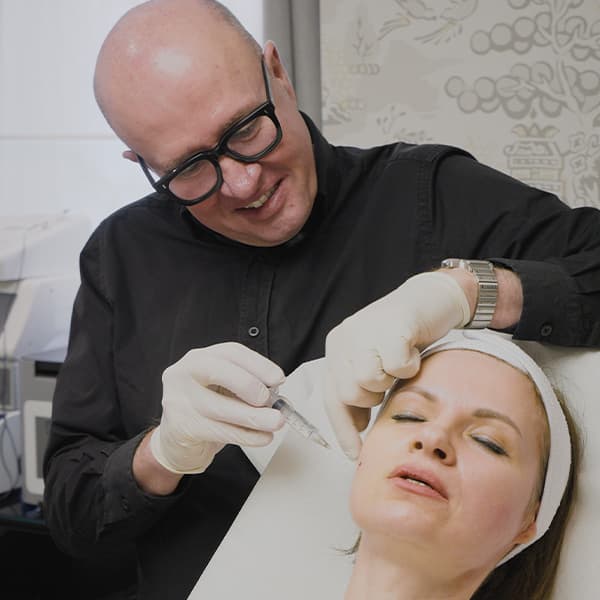
Below are the questions patients most commonly ask about PRP hair London treatment. In practice, the answers cover effectiveness, timing, aftercare, and costs. However, if your specific question is not here, WhatsApp the clinic directly for a personalised answer.
In most cases, yes. Clinical studies show that PRP hair treatment produces measurable improvements in hair density, strand thickness, and reduction in shedding for patients with androgenetic alopecia. However, results depend on the degree of thinning and the number of sessions completed. Patients with active follicles consistently respond better than those with advanced hair loss.
Most patients start with a course of three sessions spaced four to six weeks apart. In practice, this initial course delivers the greatest gains in density and thickness. After completing three sessions, Dr De Souza assesses the response and advises on maintenance. Additionally, some patients with more significant thinning benefit from a fourth or fifth session in the initial phase.
In most cases, patients notice a reduction in shedding four to six weeks after the first session. However, visible improvements in density and thickness take longer to appear. Most patients see clear results after completing the full initial course of three sessions, which spans three to four months. As a result, patience is important, as the hair growth cycle takes time to respond to treatment.
PRP hair treatment in London costs from £490 per session at Dr Joney De Souza Clinic in Marylebone. In practice, most patients require a course of three sessions for the best outcome. Additionally, courses may offer a saving compared to booking individual sessions. WhatsApp the clinic for current course pricing and availability.
After PRP hair treatment, avoid washing your hair for 24 hours. Additionally, avoid vigorous exercise, swimming, and direct sun exposure for 48 hours. In practice, most mild redness and scalp sensitivity resolve within 24 hours. However, avoid anti-inflammatory medication such as ibuprofen for 48 hours, as this can reduce the effectiveness of the PRP growth factors.
PRP can reactivate dormant hair follicles and increase hair density, but it does not create entirely new follicles where none exist. In practice, patients with thinning hair and still-active follicles see the best outcomes. However, patients with advanced baldness where follicles have been inactive for many years are less likely to respond. Furthermore, results require maintenance sessions to remain stable over time.
Increased shedding in the two to four weeks after a PRP session is a normal part of the process. In most cases, this happens because resting follicles enter a new growth cycle: old hairs shed to make way for stronger new strands. As a result, temporary shedding is actually a positive sign that the treatment is working. However, if shedding continues beyond six weeks, contact the clinic for a review.
Results from an initial course of PRP hair treatment in London typically last six to twelve months. In practice, maintenance sessions every four to six months extend and build on the results. Additionally, patients who combine PRP with Minoxidil or polynucleotides often achieve longer-lasting outcomes. Overall, the goal is to maintain and gradually improve hair density over time.
In most cases, the treatment is well tolerated. Dr De Souza applies a topical numbing cream to the scalp before injections, which significantly reduces discomfort. However, patients typically describe the sensation as mild pressure rather than sharp pain. The blood draw feels identical to a standard blood test. As a result, most patients find the treatment less uncomfortable than they expected.
After completing the initial course of three sessions, Dr De Souza recommends a maintenance session every four to six months. However, the exact frequency depends on how well you responded to the initial course and whether you use additional treatments. In practice, regular maintenance consistently produces better long-term density compared to one-off treatments.
In general, PRP hair treatment works through your own biology and is suitable for all hair types and ethnicities. Specifically, it is appropriate for fine, thick, straight, wavy, and curly hair. However, suitability depends more on the cause and degree of hair loss than on hair type itself. Dr De Souza assesses each patient individually at the initial consultation to confirm PRP is the right approach.
PRP is one of several treatments for hair loss available at Dr Joney De Souza Clinic in London. The questions below compare PRP hair treatment to other common approaches. However, the best treatment depends on the cause and degree of your hair loss. Dr De Souza will advise at consultation on the most effective approach for your situation.
In practice, PRP and hair transplant surgery serve different stages of hair loss. PRP works best for patients with thinning but still-active follicles, stimulating existing hair to grow more densely. However, hair transplant surgery relocates follicles from a donor area to areas of complete baldness. As a result, the two treatments complement each other: PRP suits early to moderate thinning, while transplant addresses advanced loss. Additionally, PRP is often used after a transplant to improve graft survival.
Minoxidil is an over-the-counter topical treatment applied daily to the scalp. In most cases, it slows hair loss and produces modest regrowth over time. PRP, however, is an in-clinic procedure that actively stimulates follicle activity using your own growth factors. Furthermore, PRP and Minoxidil are compatible and often work better together than either treatment alone. Dr De Souza can advise on combining the two at your initial consultation.
Finasteride is an oral medication that reduces DHT levels, addressing the hormonal cause of male pattern hair loss. In contrast, PRP works locally by delivering growth factors directly into the scalp. Additionally, finasteride carries potential systemic side effects that PRP does not. However, the two treatments address different mechanisms of hair loss, making them complementary rather than interchangeable. Dr De Souza assesses each patient individually to determine the most appropriate approach.
In most cases, yes. PRP is effective for women with androgenetic alopecia, diffuse thinning, and post-partum hair loss. However, women typically respond differently to hormonal medications than men, making PRP an attractive alternative. Additionally, PRP does not carry any of the hormonal side effects associated with finasteride, which is not recommended for women. Dr De Souza has treated many women with hair thinning at the Marylebone clinic.
PRP hair treatment is not available on the NHS and is provided exclusively as a private treatment. In practice, the NHS does not fund cosmetic or aesthetic procedures for hair loss. However, some NHS dermatologists may refer patients to private clinics for PRP in certain clinical hair loss conditions. Overall, Dr Joney De Souza Clinic offers PRP hair treatment in London on a private, self-funded basis.
PRP and PRF are both blood-based regenerative treatments. In most cases, PRF contains a higher concentration of growth factors than standard PRP because the centrifuge speed is lower, preserving more of the fibrin matrix. However, the clinical evidence for PRF in hair loss is still developing compared to the well-established PRP literature. Dr De Souza will advise at consultation on which approach suits your hair loss history.
In most cases, yes. PRP is compatible with Minoxidil, finasteride, polynucleotides, and microneedling. In practice, combining PRP with scalp microneedling creates micro-channels that allow the plasma to penetrate more deeply into the follicle zone. As a result, the combination often produces better density improvements than PRP alone. Dr De Souza offers combination protocols at the Marylebone clinic.
PRP can be effective for early to moderate alopecia areata, where follicles are still present. In most cases, the growth factors in PRP help reset the follicular environment and encourage regrowth in patchy areas. However, severe or long-standing alopecia areata may not respond as well. Dr De Souza assesses each patient individually and may recommend a combination approach for complex cases.
Patients with active scalp infections, uncontrolled platelet disorders, or those on blood-thinning medication they cannot safely pause are not suitable candidates. Additionally, individuals with advanced hair loss where follicles are no longer active are unlikely to see meaningful results. In most cases, a consultation appointment confirms suitability before treatment begins.
Low-level laser therapy uses light energy to stimulate follicles and improve scalp circulation. In contrast, PRP delivers growth factors directly into the follicle zone through injection. In practice, PRP has a stronger evidence base for androgenetic alopecia than laser therapy. However, the two treatments work through different mechanisms and can complement each other. Dr De Souza will advise on the most appropriate approach at consultation.
You can contact Dr Joney De Souza Clinic by WhatsApp, phone, or email. In practice, WhatsApp is the fastest way to confirm availability and ask pre-treatment questions. Additionally, you can book a consultation directly via the WhatsApp link above. Overall, most patients can begin their first session within a few weeks of their initial consultation.
After your PRP hair treatment, keep the scalp clean and avoid washing your hair for 24 hours. Additionally, avoid vigorous exercise, swimming, and direct sun exposure for 48 hours. In practice, most patients return to their normal routine the following day. However, avoid anti-inflammatory painkillers for 48 hours, as these can interfere with the growth factor response. Before your next session, Dr De Souza reviews your progress and photographs the scalp.
Our patients return to us year after year for doctor-led care and natural-looking results. Dr Joney De Souza Clinic holds a 4.9-star rating from over 270 verified Google reviews.
From the journal
Latest
More from the journal