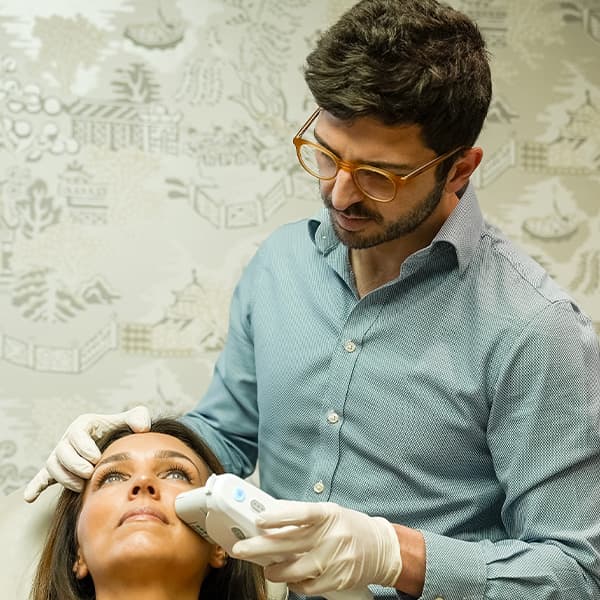
Acne scarring can leave lasting changes in skin texture after active acne has resolved. At our clinic, scarring is assessed medically, led by Medical Director Dr Joney De Souza and supported by our expert medical team, to understand its cause before considering treatment.
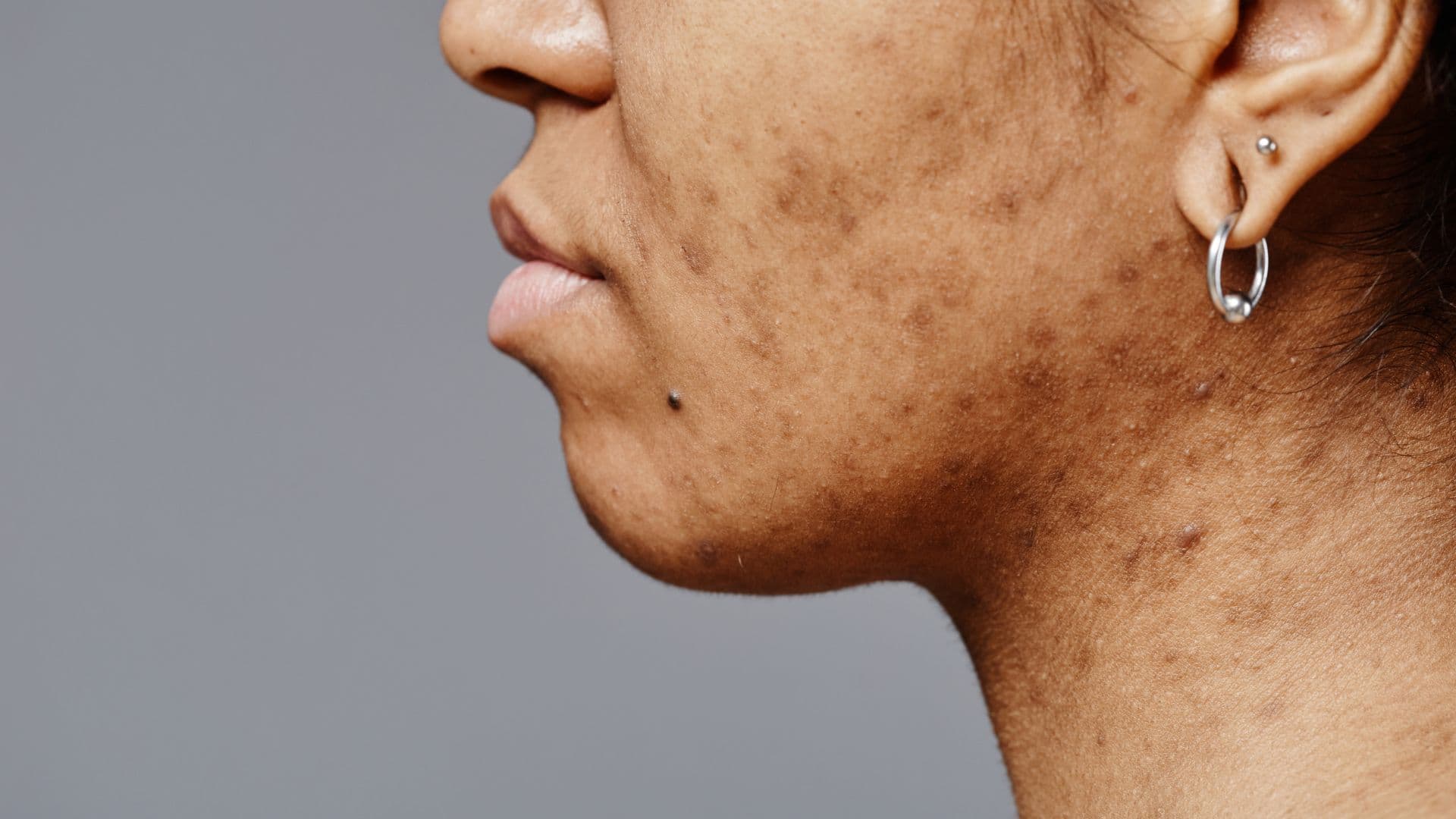
Acne scarring refers to permanent changes in skin texture that develop following inflammation from acne. These changes can appear as indentations, uneven surface texture, or areas of skin that heal differently to surrounding tissue. Scarring can vary widely in depth, shape and distribution. Some scars are shallow and subtle, while others are more pronounced. The way scars form is influenced by inflammation severity, healing response, genetics and how acne was managed at the time.
UltraClear is a laser treatment used to improve the appearance of acne scarring by encouraging the skin to repair and remodel itself. Acne scars form when inflammation disrupts normal healing, leaving uneven texture or indentations in the skin. By delivering controlled laser energy into the skin, UltraClear stimulates collagen renewal and gradual smoothing of scarred areas. Over time, this leads to improved texture, firmness, and overall skin quality, with results developing progressively and downtime kept to a minimum compared with more aggressive resurfacing treatments.
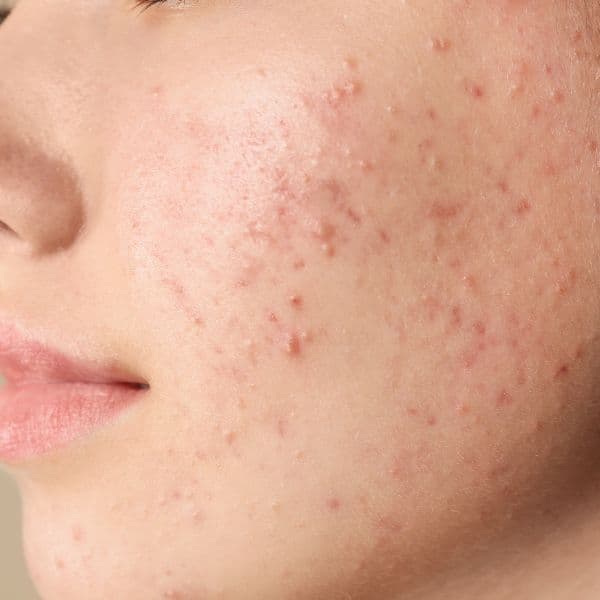
Acne scarring develops when inflammation disrupts the normal structure of the skin during healing. Instead of repairing evenly, the skin may produce too little or too much collagen.
Common contributing factors include:
Deep or prolonged inflammatory acne
Delayed or inadequate treatment of active acne
Picking or squeezing spots
Individual healing and collagen response
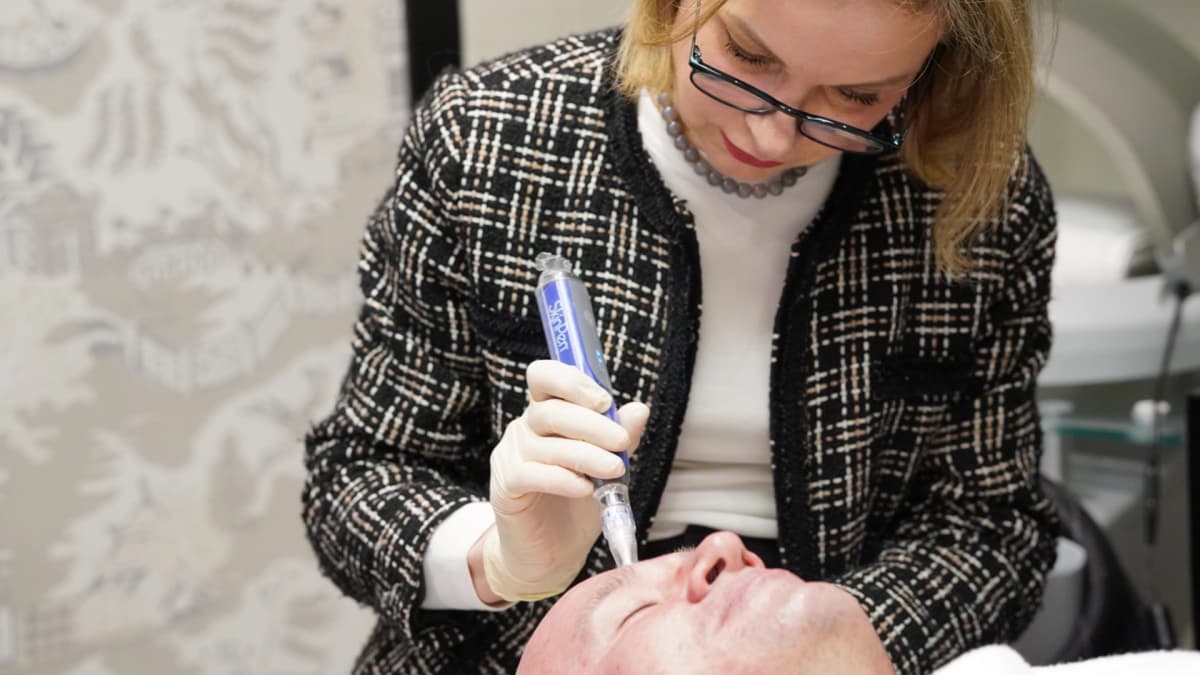
Not everyone who experiences acne will develop scarring. Microneedling is a minimally invasive treatment used to improve the appearance of acne scarring by stimulating the skin’s natural healing response. Acne scars develop when inflammation disrupts collagen formation, leaving uneven texture or shallow depressions in the skin. By creating controlled micro-injuries, microneedling encourages new collagen production and gradual remodelling of scar tissue. Over time, this helps smooth skin texture, improve firmness, and enhance overall skin quality, with little downtime and a subtle, progressive improvement.
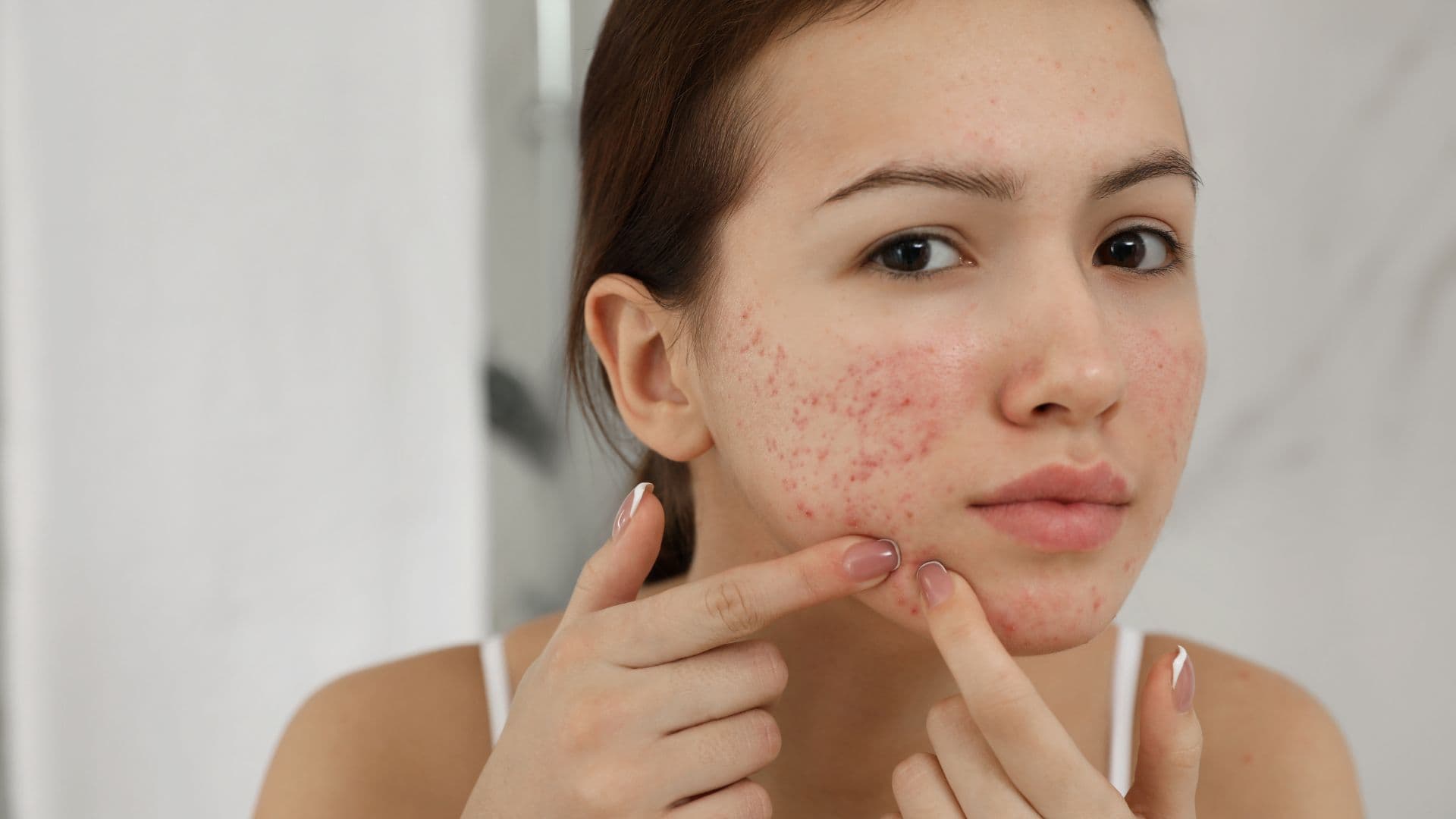
Assessment focuses on the skin as a whole, not just the visible scars. Our medical team evaluates scar type, depth and distribution, alongside skin thickness, tone and overall skin quality.
We also consider whether acne is fully controlled, as active breakouts may influence treatment timing. This careful assessment allows us to explain which aspects of scarring are most likely to respond to treatment and which may be more resistant.
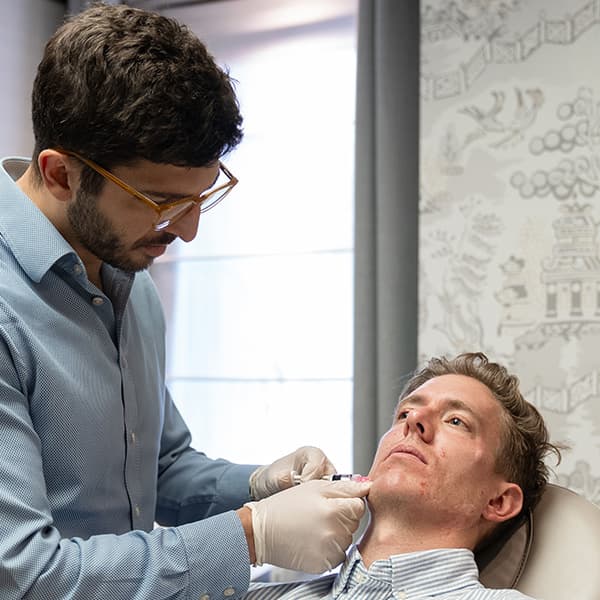
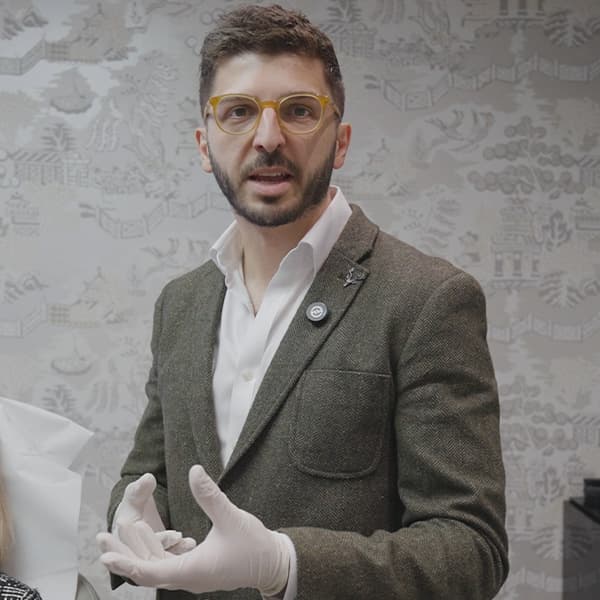
UltraClear laser resurfacing is one option often discussed for improving skin texture by supporting collagen remodelling. It may be considered depending on scar type, skin quality and individual suitability.
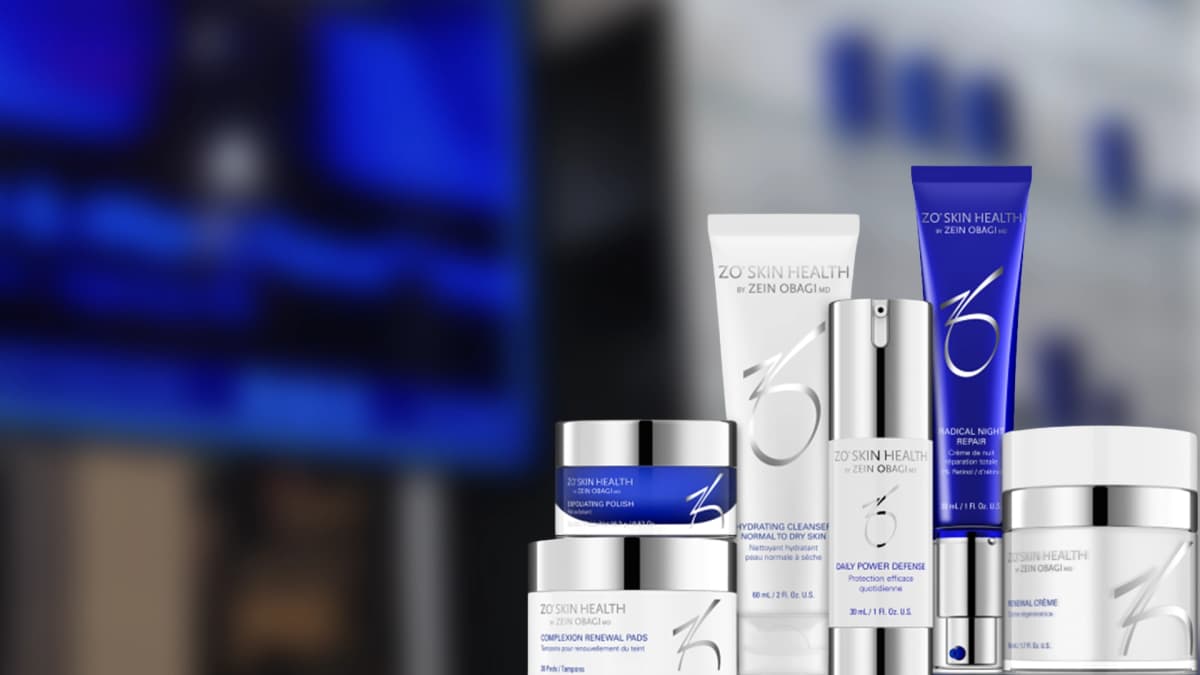
Improvement depends on scar type, depth and skin quality. Options discussed at our clinic may include UltraClear laser resurfacing, microneedling to support collagen remodelling, alongside skin boosters and medical-grade skincare to optimise overall skin health. Progress is usually gradual and planned conservatively.
Acne scars can be shallow or deep and vary in shape. Common types include rolling, boxcar and ice-pick scars.
Complete removal is unlikely. Treatment focuses on improvement in texture and overall skin quality.
Yes. Active acne should usually be controlled before addressing scarring to avoid further skin damage.
Changes are gradual and may develop over several months depending on the treatment approach.
No. Some people choose not to pursue treatment once they understand their scarring and how it may change over time.