Open pores are a common skin concern and often reflect changes in skin texture and oil balance. Led by Medical Director Dr Joney De Souza, our medical team focuses on understanding contributing factors before considering treatment.
Open pores describe pores that appear more visible on the skin surface, most commonly on the nose, cheeks and forehead. Pores themselves do not physically open or close, but their appearance can change based on surrounding skin quality.nThe visibility of pores is influenced by texture, oil production and how light reflects from the skin surface.
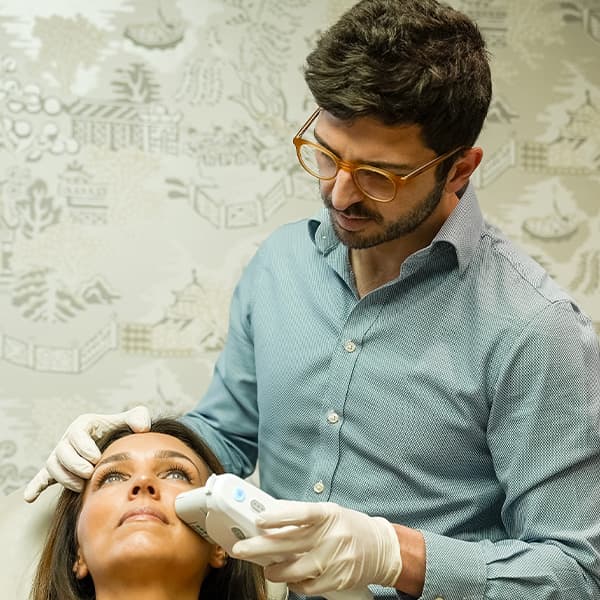
UltraClear can improve open pores by resurfacing the skin and strengthening its underlying support. Pores often appear enlarged when collagen declines and the surrounding skin loses firmness. Therefore, by delivering controlled laser energy into the skin, UltraClear stimulates collagen renewal and refines surface texture. As a result, pores appear tighter, the skin looks smoother, and overall clarity improves over time.
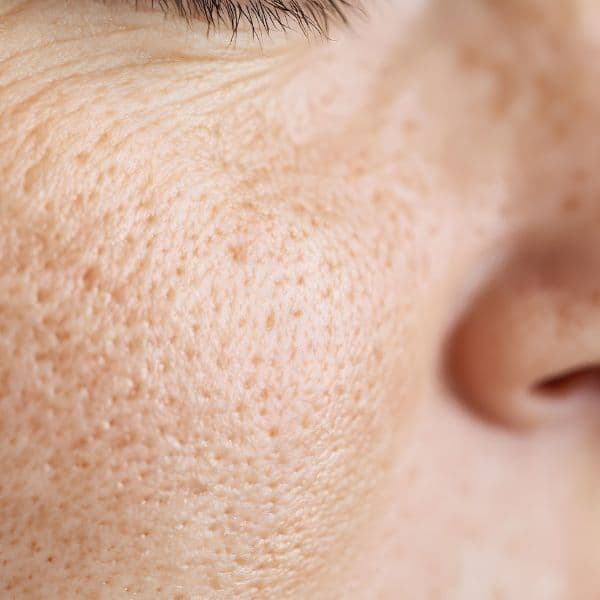
The appearance of open pores develops due to a combination of factors.
These may include:
Increased oil production
Reduced collagen support around the pore opening
Skin laxity and reduced elasticity
Build-up of debris within pores
Genetic skin type
As skin structure weakens, pores may appear larger and more defined.
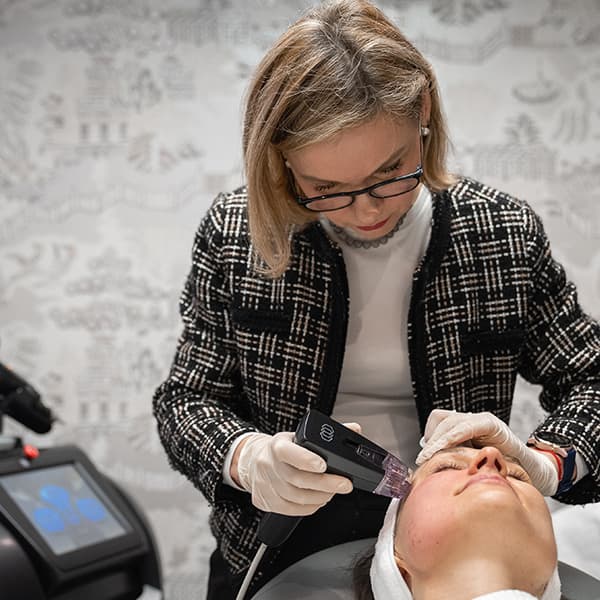
Morpheus8 is a radiofrequency microneedling treatment used to improve the appearance of open pores by tightening and strengthening the skin. Open pores often appear larger when collagen support diminishes and skin becomes less firm. By combining microneedling with radiofrequency energy, Morpheus8 stimulates collagen renewal and skin tightening, helping refine pore appearance and create a smoother, more even skin texture over time.
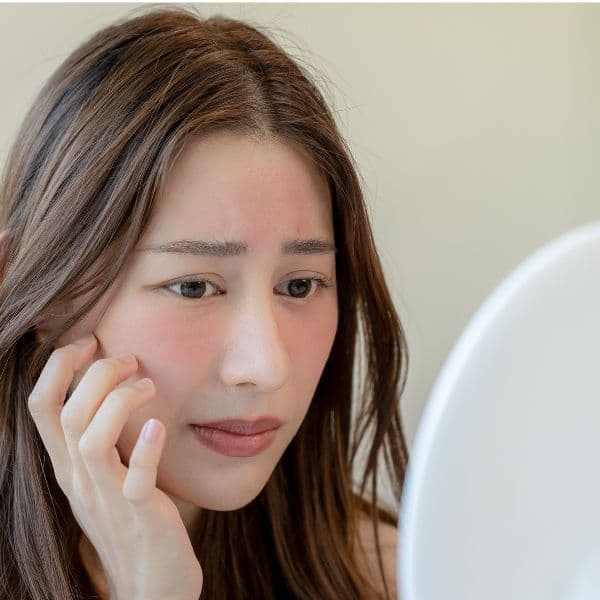
Assessment focuses on skin type, oil balance, texture and overall skin quality. Our medical team evaluates whether pore visibility is primarily related to oil production, collagen loss or surface texture changes.
This allows us to explain which approaches may help improve the appearance of pores and where limitations exist.
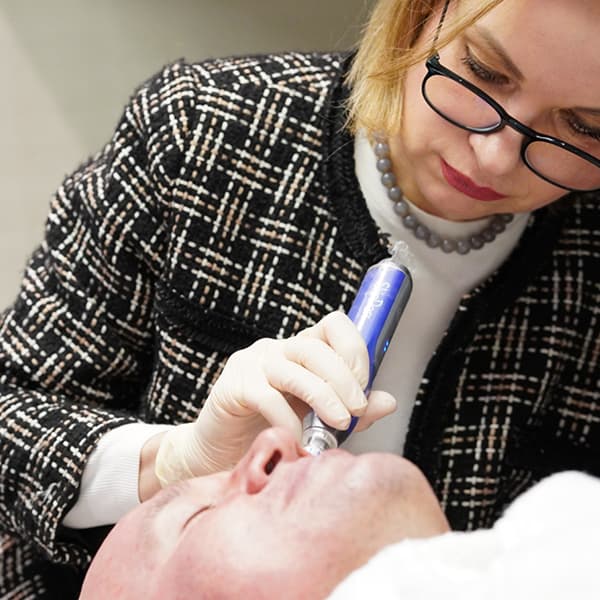

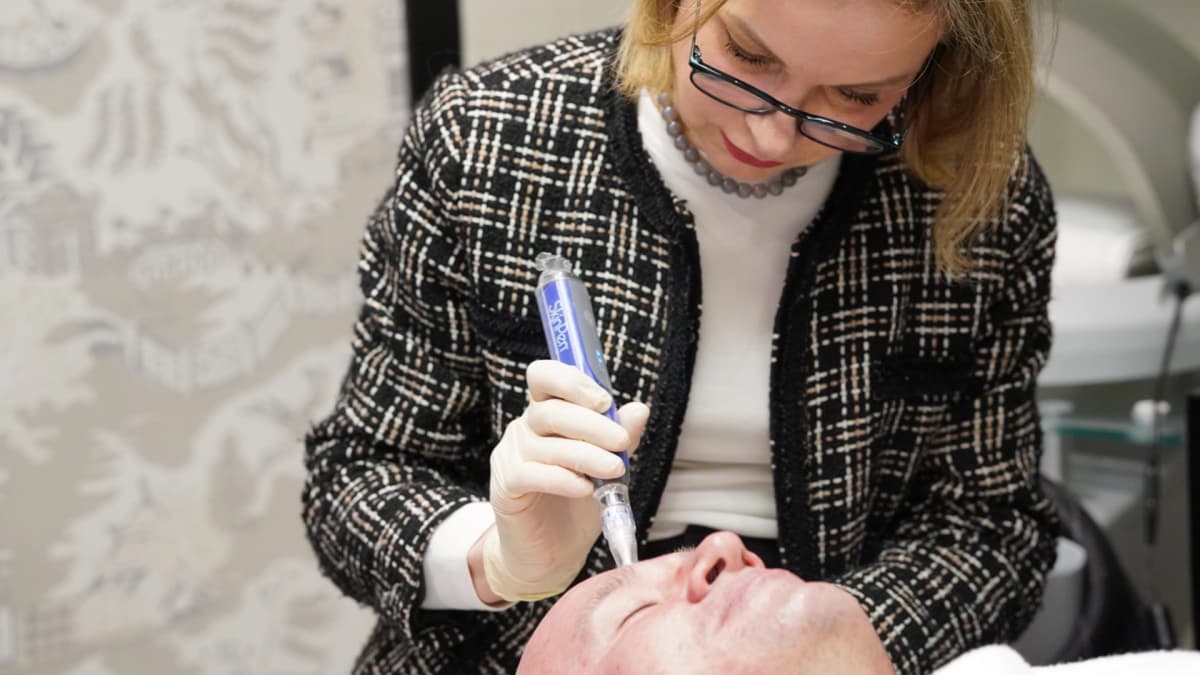
Microneedling-based treatments are often discussed where pore visibility relates to reduced collagen support and skin texture changes.
Improvement focuses on skin texture and collagen support. Options discussed at our clinic may include UltraClear laser resurfacing, microneedling, RF microneedling, skin boosters and medical-grade skincare. The aim is refinement rather than elimination.
No. Pores cannot be permanently closed, but their appearance can often be improved with appropriate skin treatments.
Oil production can contribute, but pore visibility is also influenced by skin structure and elasticity.
They can become more noticeable over time as collagen declines and skin becomes less firm.
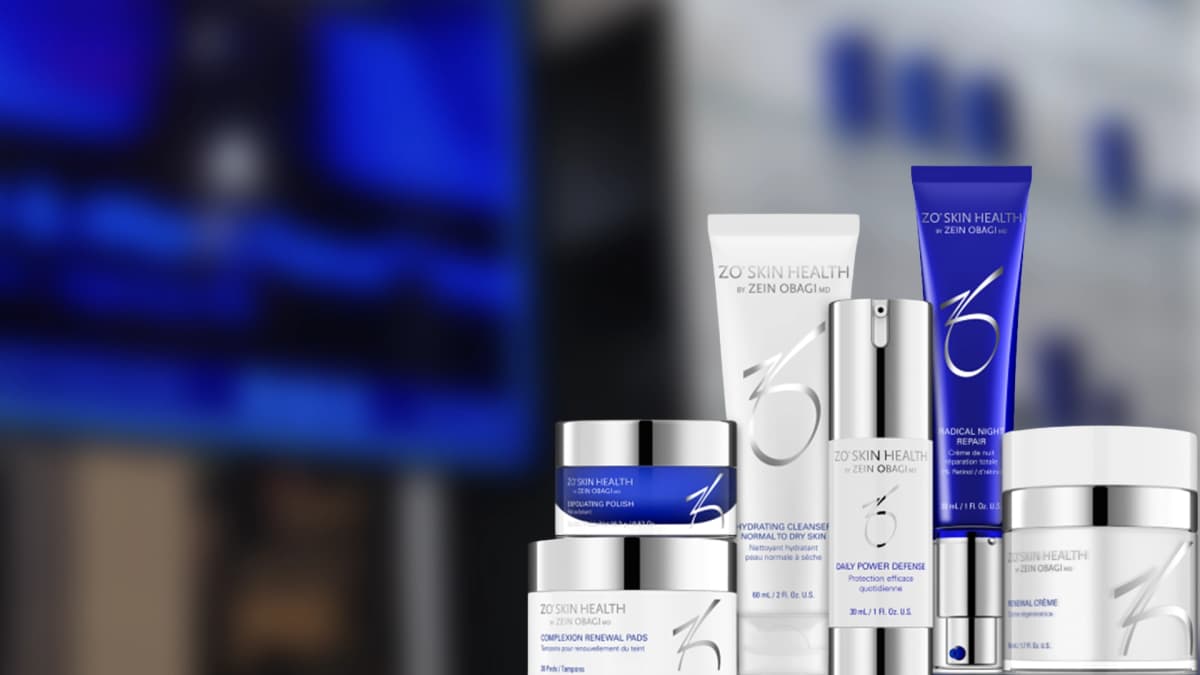
In some cases, skincare can help manage oil and surface texture, but deeper changes often require in-clinic treatments.
No. Many people choose not to treat visible pores once they understand why they appear and how they may change.