Persistent facial redness and sensitivity are common features of rosacea. At our clinic, rosacea is assessed medically, led by Medical Director Dr Joney De Souza and supported by our expert medical team.
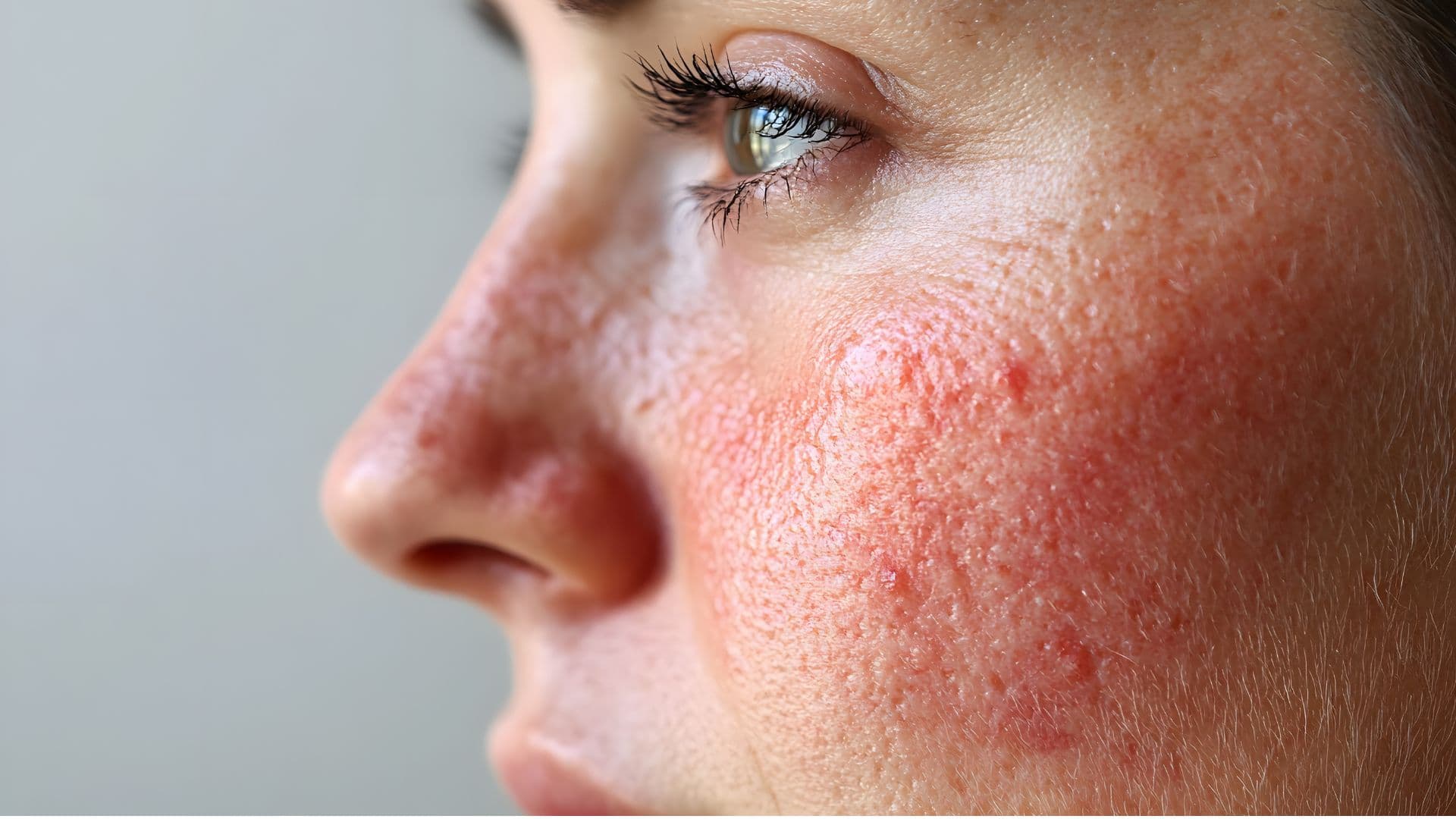
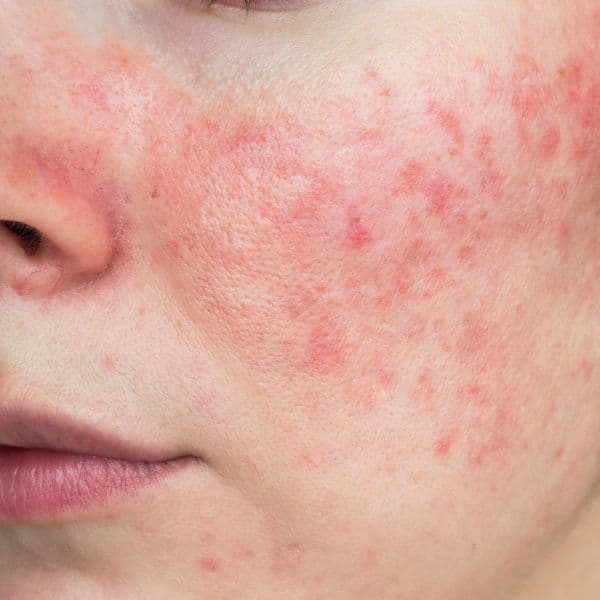
Rosacea is a chronic inflammatory skin condition that most commonly affects the central face, including the cheeks, nose, chin and forehead. It may present as redness, flushing, visible blood vessels or increased skin sensitivity. The condition often follows a relapsing pattern, with periods of flare and relative calm. Rosacea is not contagious, but it can have a significant impact on skin comfort and confidence.
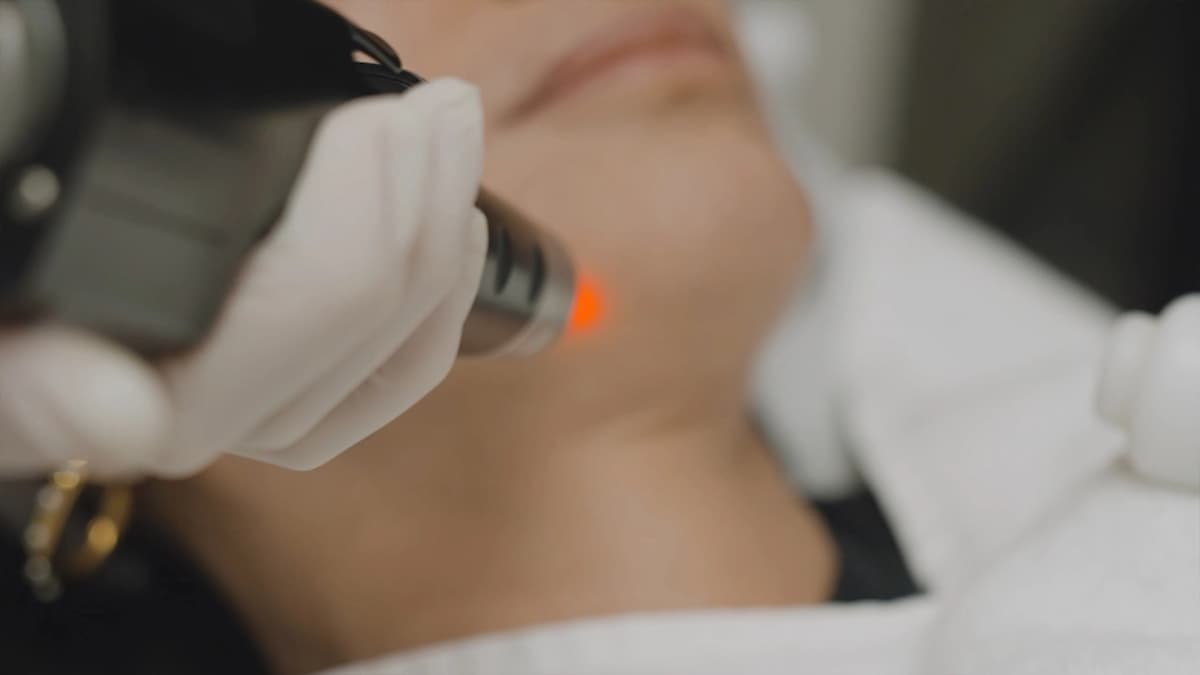
IPL can help manage rosacea by targeting visible redness and broken capillaries in the skin. Rosacea often presents with flushing and persistent redness due to dilated blood vessels. Therefore, by delivering controlled pulses of light energy, IPL heats and reduces these superficial vessels without damaging surrounding tissue. As a result, redness becomes less noticeable, skin tone appears more even, and flare-ups may reduce when treatment is combined with appropriate skincare.
The exact cause of rosacea is not fully understood. It is thought to involve a combination of vascular instability, inflammation and altered skin barrier function.
Contributing factors may include:
Increased reactivity of facial blood vessels
Impaired skin barrier leading to sensitivity
Genetic predisposition
Environmental or lifestyle triggers
Triggers vary widely and may include heat, alcohol, stress, spicy foods or certain skincare products. HydraFacial can help support rosacea-prone skin by gently cleansing, hydrating, and soothing the skin without causing irritation. Rosacea often worsens when the skin barrier becomes compromised or dehydrated. Therefore, HydraFacial uses controlled exfoliation and calming serums to remove impurities while replenishing moisture. As a result, redness can appear less pronounced, the skin feels more comfortable, and overall skin balance improves when treatments are appropriately tailored.
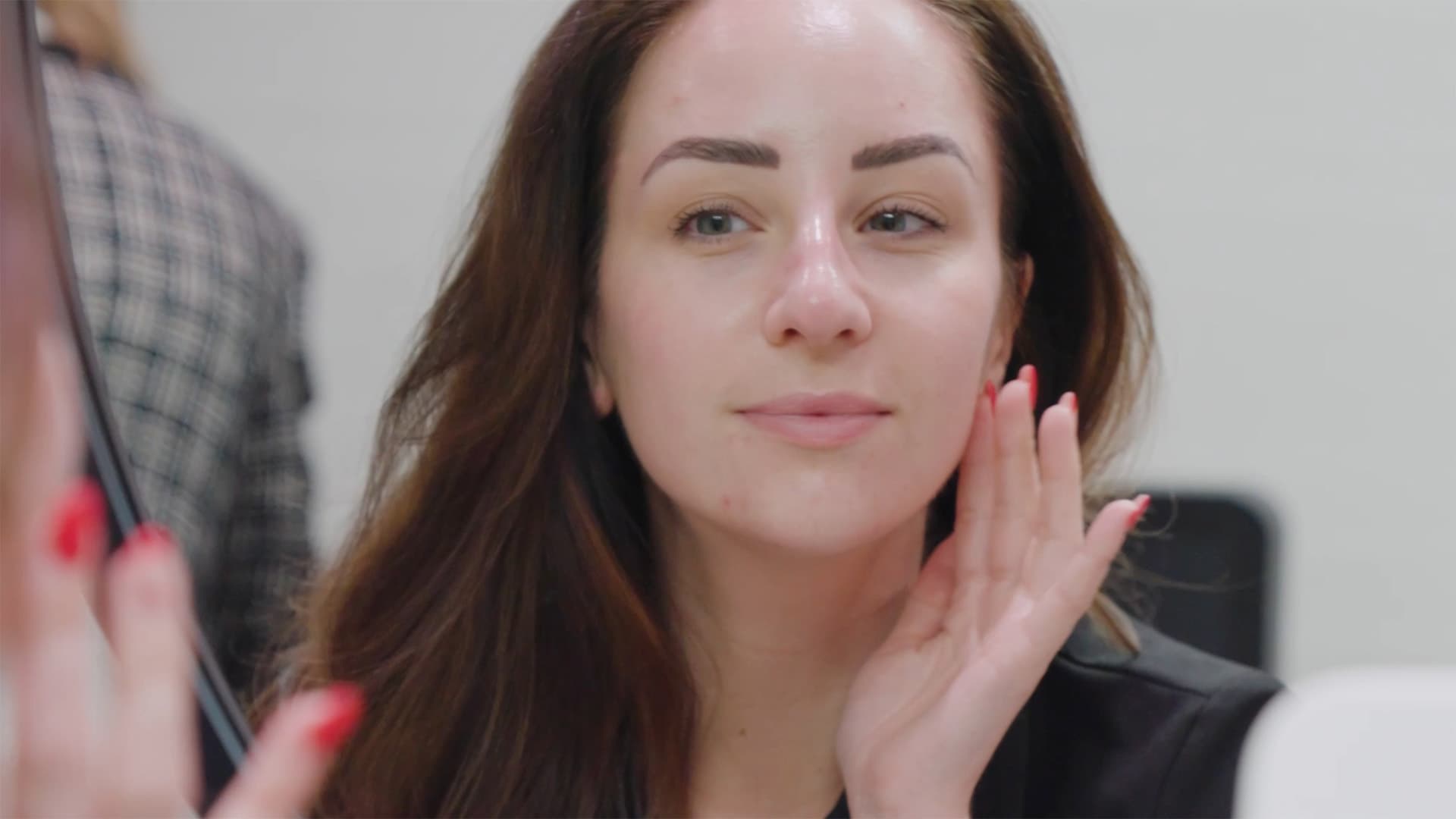
Assessment focuses on understanding the type and pattern of rosacea present, as well as identifying individual triggers and skin sensitivities. Our medical team evaluates skin tone, vascular changes, inflammation and barrier health.
This allows us to explain why symptoms occur and how different management strategies may help stabilise the skin.
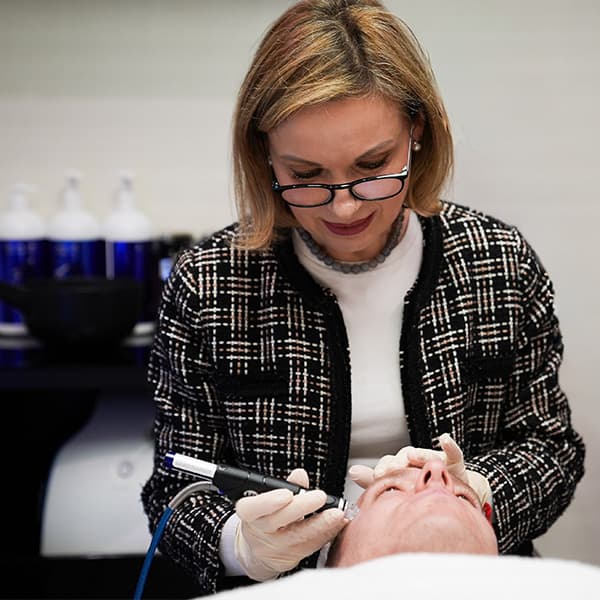

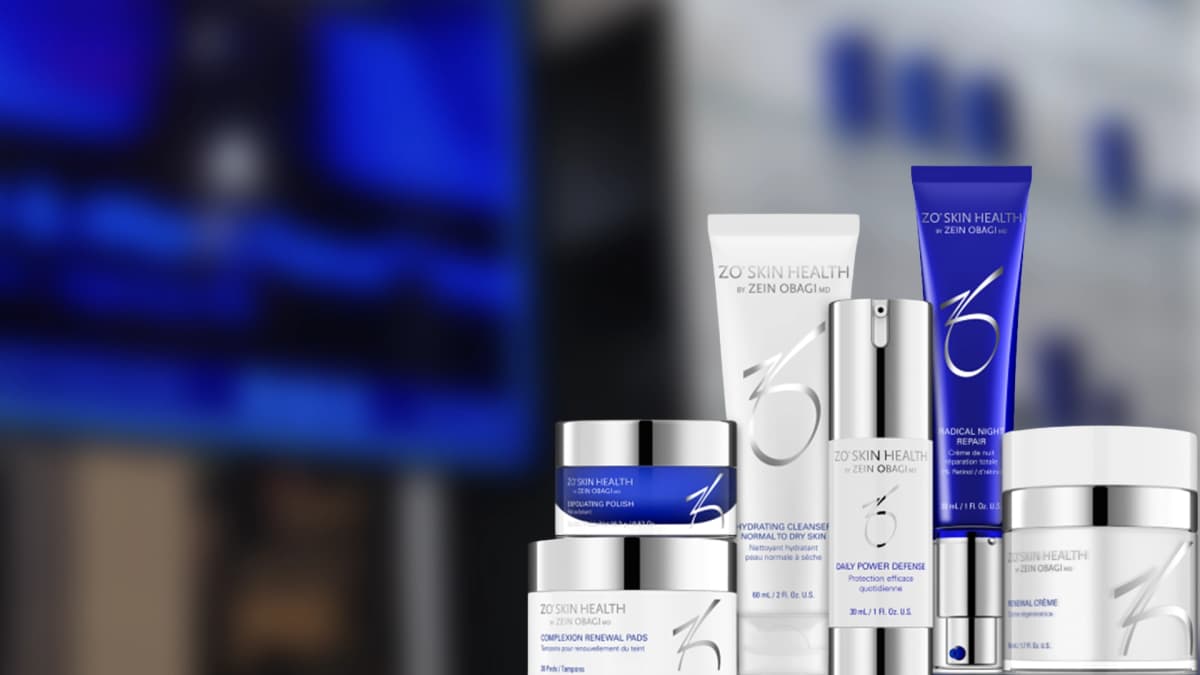
Medical-grade skincare is most commonly discussed, as supporting the skin barrier and reducing irritation is central to managing rosacea long term.
Improvement focuses on reducing flare-ups and strengthening the skin over time. Management may involve medical-grade skincare, HydraFacial for gentle skin support, targeted laser or IPL treatments for redness, and guidance around lifestyle triggers. Treatment is tailored individually, with a focus on control rather than cure.
No. While rosacea involves sensitivity, it is a distinct inflammatory condition with vascular and barrier components.
It can become more persistent over time, particularly if triggers are not managed, although patterns vary between individuals.
There is no cure for rosacea, but symptoms can often be managed effectively with the right approach.
In selected cases, vascular laser treatments may be considered. Suitability depends on skin type, rosacea subtype and stability.
No. Some people manage rosacea with skincare and trigger avoidance alone, depending on severity.