Dermal fillers are often misunderstood. This doctor-led guide explains structure, volume, safety and how natural results are achieved with careful technique.
Written on the 26th January 2026
Dermal fillers remain one of the most discussed and often misunderstood aesthetic treatments. Public perception is frequently shaped by extremes, ranging from dramatic overcorrection to the assumption that fillers are solely about adding volume. In clinical practice, however, dermal fillers are tools used with precision, restraint and anatomical understanding.
At Dr Joney De Souza’s clinic in Marylebone, dermal fillers are approached as part of a broader conversation about facial structure, ageing patterns and skin quality. The aim is not great transformation, but by subtle natural looking results that make you look and feel great.
Public concern around dermal fillers is understandable. Much of what is often presented on media and social platforms represents extremes rather than everyday clinical practice. These narratives can create anxiety and hesitation, even among individuals who may be suitable for treatment.
One common fear is that dermal fillers inevitably lead to an unnatural or ‘overfilled’ appearance. In reality, this outcome is not an inherent property of fillers themselves, but rather a consequence of inappropriate volume, poor product choice, or lack of anatomical consideration. When fillers are used conservatively and placed with structural intent, results are often subtle and difficult for others to detect.
Some patients may worry that fillers stretch the skin permanently. This does not happen when they are used in appropriate amounts and at correct depths. There is also a belief that dermal fillers are only for volume loss or for a certain age group. In practice, fillers may be considered across a wide age range. In younger patients, treatment may focus on balance or proportion. In older patients, the emphasis is usually on support and softening transitions rather than adding fullness.
Addressing these concerns openly during consultation is an essential part of responsible practice. Understanding what fillers can and cannot do allows patients to make informed decisions based on medical reality rather than perception.
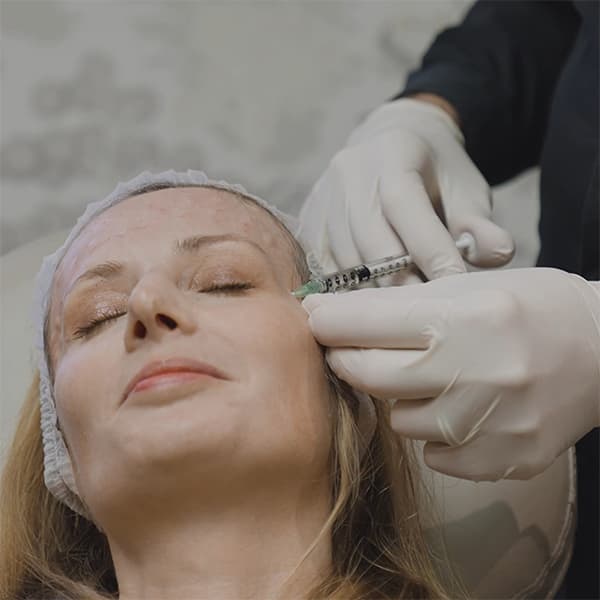
Dermal fillers are injectable gels most commonly composed of hyaluronic acid (HA) a substance naturally found in the skin and connective tissues. Hyaluronic acid plays a key role in hydration, elasticity and tissue support. When injected under the skin HA fillers allow us to augment the face for a more contoured look, increase volume in areas such as the lips, or temples and also be used to reduce fine lines and wrinkles. HA dermal fillers are excellent, safe products when used correctly.
If you would like to talk to our team about HA fillers please reach out below for more information.


It’s a common misconception that dermal fillers always add visible volume. In reality, fillers can be used in several distinct ways, each with a different clinical intention.
Adding support
Structural filler placement is typically performed at a deeper level, often close to bone. The goal is to restore support where bone resorption or ligament weakening has occurred. This approach may be considered in areas such as the cheeks, jawline or chin.
When placed conservatively, structural fillers can help improve facial balance and support overlying tissues without creating fullness. Patients often describe the result as looking more rested or refreshed rather than fuller.
Contour and definition
In some areas, fillers are used to refine contours rather than replace lost volume. This may include gentle enhancement of the jawline, subtle lip definition, or smoothing transitions between facial regions. This approach requires careful assessment of proportions and symmetry. Overemphasis in contouring can disrupt facial harmony, which is why moderation and experience are essential.
At more superficial levels, specific fillers may be used to refine fine lines, soften creases or improve transitions in areas such as the lower face. This type of placement is highly technique-dependent and is not suitable for every patient or every area. Superficial filler work is often misunderstood and can be associated with visible irregularities if performed without appropriate product choice and expertise.


Dermal fillers may be considered for several facial regions, depending on anatomy and individual concerns. Commonly assessed areas include:
Not every concern is best addressed with filler. In many cases, skin quality treatments, energy-based devices or collagen stimulation may be more appropriate.

Understanding the limitations of dermal fillers is as important as understanding their benefits:
Fillers do not tighten significantly loose skin.
They do not replace surgical lifting where this is required.
Dermal filler treatments require detailed knowledge of facial anatomy, including blood vessels, nerves, fat compartments and ligament structure. Safe practice depends on correct product selection, depth of placement and technique.
At his clinic in Marylebone, Dr Joney De Souza and his team places strong emphasis on anatomy-led treatment planning. This includes understanding when filler is appropriate, when alternative treatments should be considered, and when no treatment is the most suitable option. Safety also involves understanding individual risk factors, medical history and previous treatments. Dermal fillers are medical procedures and should always be approached as such.

No two faces age in the same way. A treatment plan that suits one patient may be inappropriate for another, even if concerns appear similar.
A doctor-led consultation allows time to assess facial structure, skin quality, movement and proportions, as well as to understand patient priorities and expectations.
In Summary, dermal fillers, when used thoughtfully, can support facial structure and balance. When used indiscriminately, they can detract from natural expression. The difference lies in assessment, experience and restraint. If you are interested in HA fillers, arrange to speak to the team and we can book you in for a consultation at our clinic in the heart of Marylebone in London.

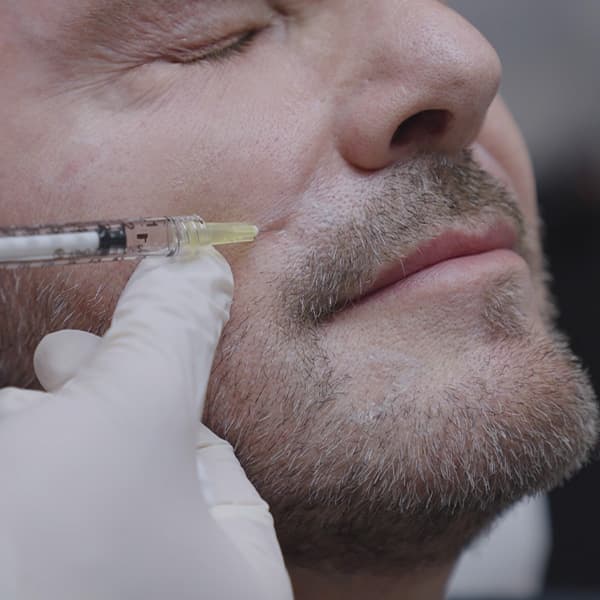
When performed by an experienced medical practitioner using appropriate products and technique, dermal fillers are generally considered safe. As with any medical procedure, risks should be discussed during consultation.
No. Dermal fillers can be used to provide structural support, contour or subtle refinement without creating visible fullness.
Longevity varies depending on the product used, the area treated and individual metabolism. Results typically last between six and 18 months.
Yes. Natural results depend on conservative treatment planning, anatomical understanding and appropriate technique.
Structural placement supports deeper tissues, often near bone, while superficial placement is used for fine refinement. Each requires different products and techniques.
Most hyaluronic acid fillers can be dissolved if necessary, which adds an additional safety margin when used appropriately.
Dermal fillers are one component of a broader strategy that may include skin quality treatments, collagen stimulation and lifestyle considerations.
Discomfort is usually mild. Many fillers contain local anaesthetic, and additional measures can be used to improve comfort.
Our patients return to us year after year for natural, balanced results. Every review reflects our commitment to precision, safety and a personalised approach to aesthetic care.