Loss of facial volume is a natural part of ageing and can affect balance and contour. Led by Medical Director Dr Joney De Souza, our medical team focuses on understanding these changes before considering treatment.
Loss of volume refers to a reduction in the soft tissue support that contributes to facial shape and contour. This can affect areas such as the cheeks, temples, jawline and under-eye region. Volume loss may lead to a flatter appearance, hollowing, or reduced structural support. These changes often occur alongside skin ageing rather than in isolation.
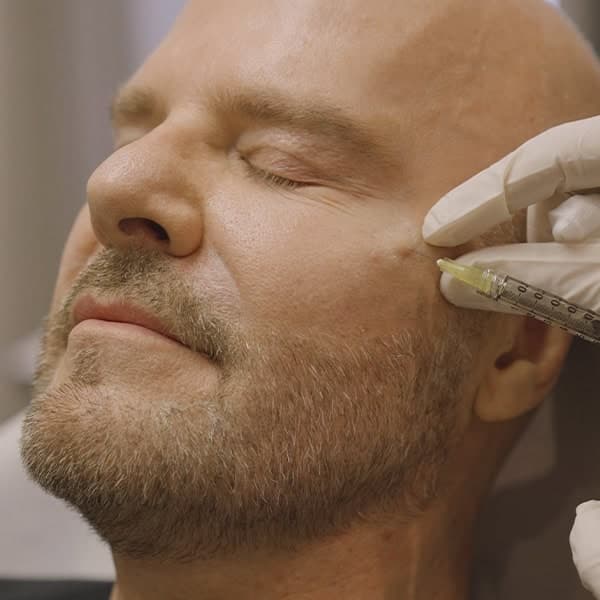
Profhilo is an injectable treatment used to address volume loss by improving skin quality rather than replacing lost volume directly. Volume loss occurs as skin becomes less hydrated and supportive over time, leading to a flatter or tired appearance. By delivering high concentrations of stabilised hyaluronic acid, Profhilo enhances hydration, firmness, and elasticity, helping the skin appear fresher, more supple, and subtly restored without altering natural facial shape.

Facial volume changes develop due to a combination of structural and biological factors.
These may include:
Gradual loss of fat pads that support facial shape
Changes in bone structure over time
Reduced collagen and connective tissue support
Weight changes or general ageing processes
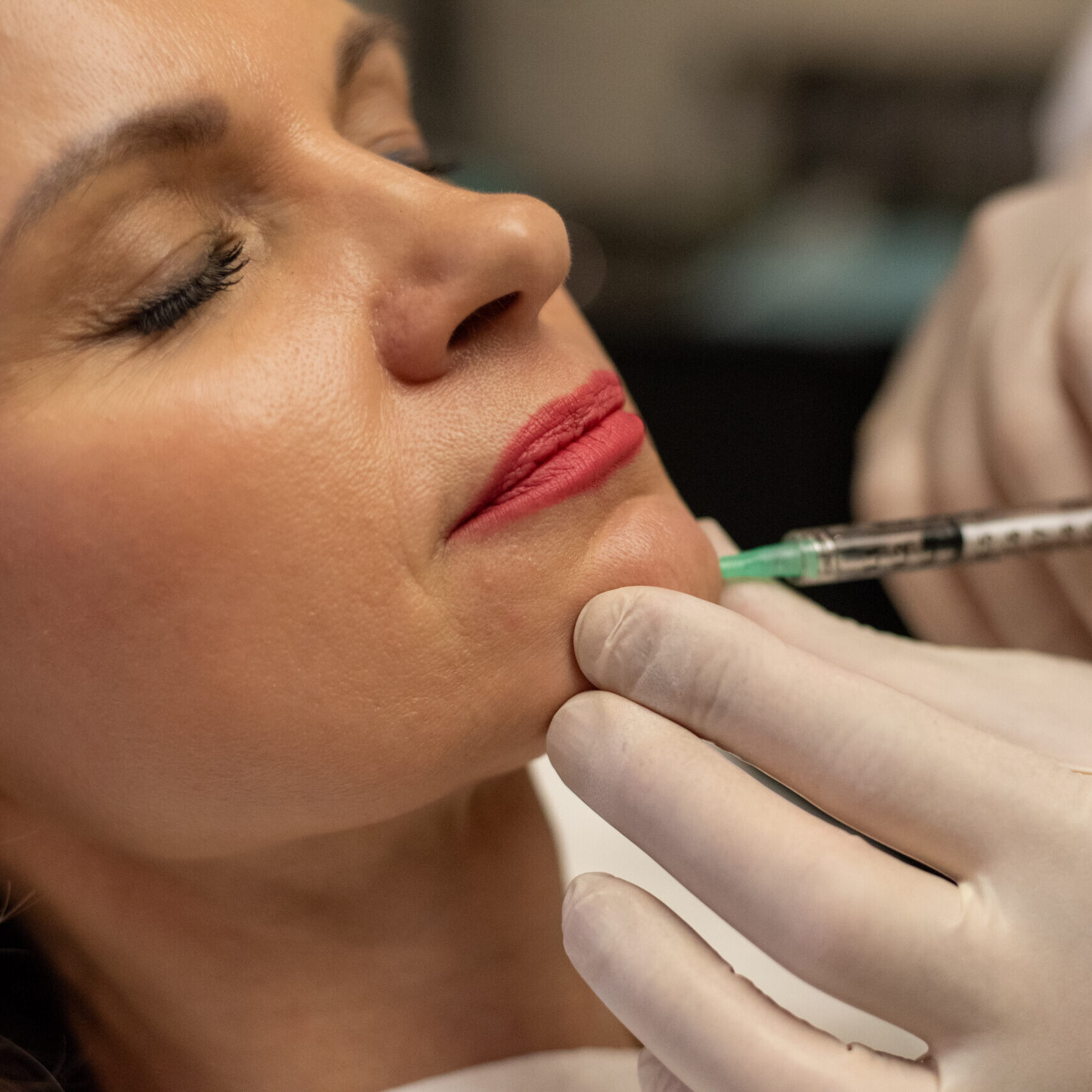
The pattern and pace of volume loss vary significantly between individuals. Dermal fillers are used to restore lost volume by replacing structural support that naturally diminishes with age. Volume loss occurs as fat pads and bone support reduce over time, leading to hollowing, flattening, or sagging in certain areas of the face. Carefully placed filler helps rebuild this support, restore facial contours, and improve balance and symmetry, resulting in a more refreshed and youthful appearance while maintaining natural proportions.

Assessment considers the face as a whole rather than focusing on isolated areas. Our medical team evaluates facial proportions, symmetry and structural support, alongside skin quality and ageing patterns.
This allows us to explain where volume changes are occurring and how they influence overall facial balance.


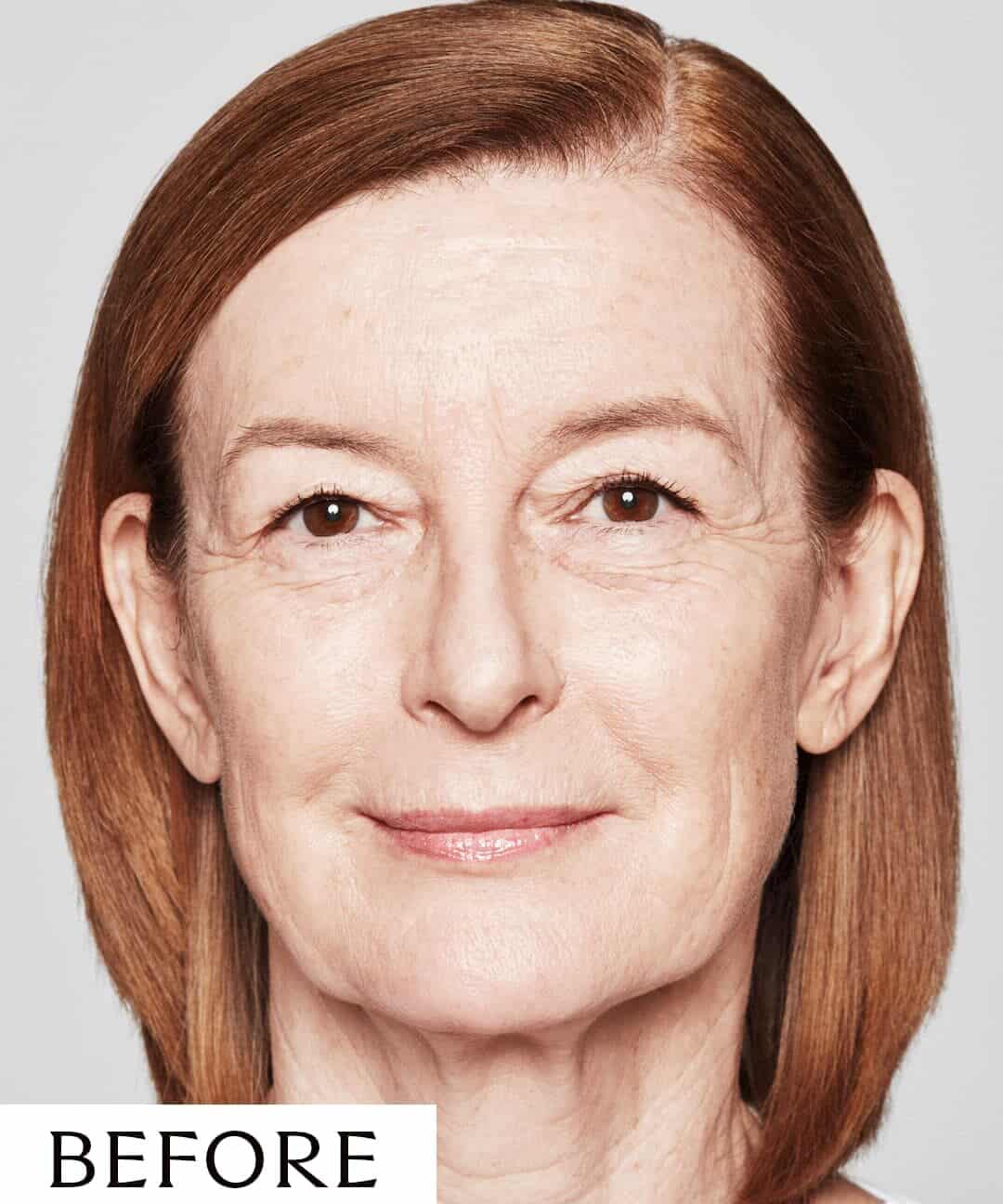
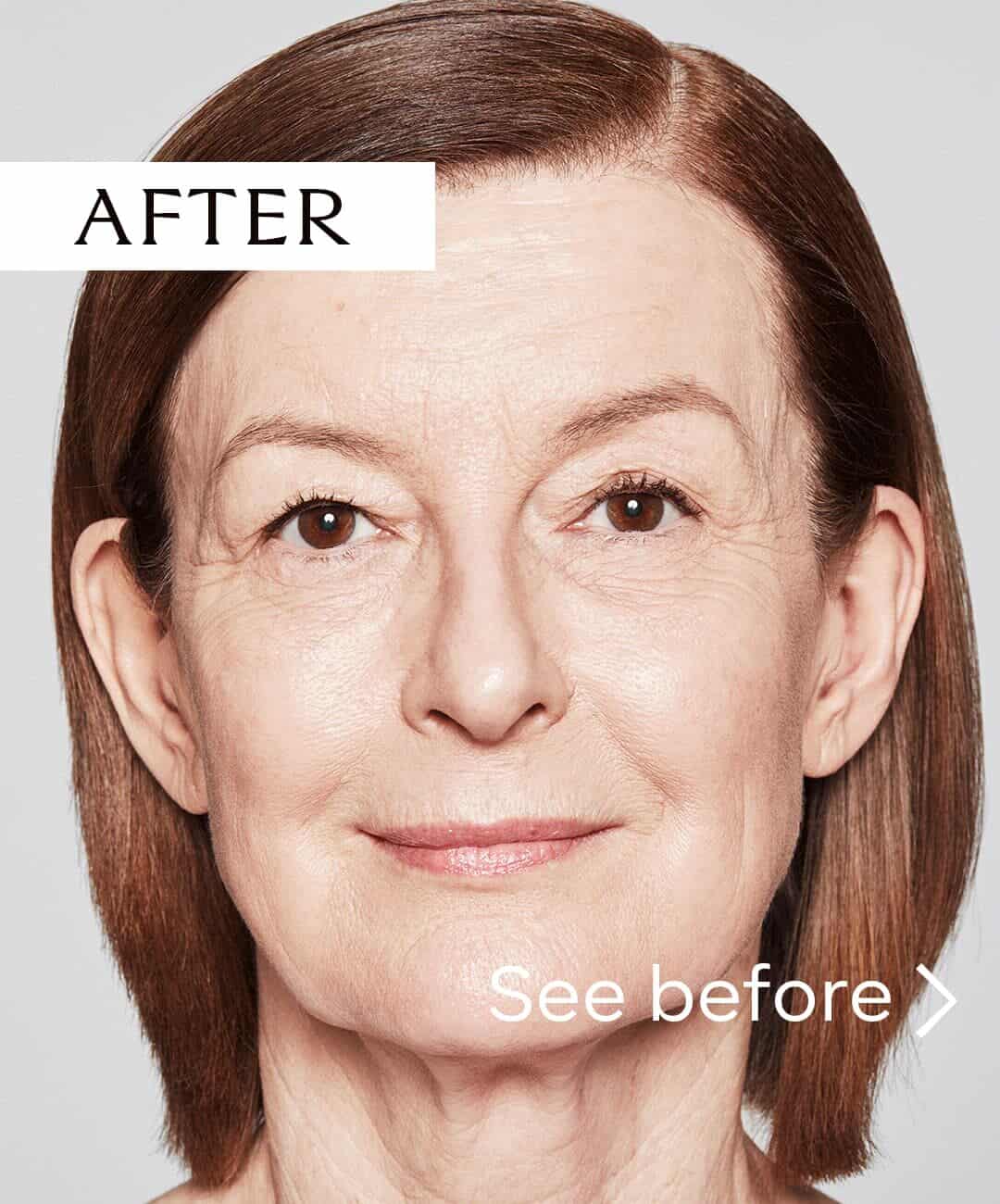
As collagen and fat pads decline with age, the face can look hollow and flat, with cheeks, temples and the mid-face losing their youthful lift. At our Marylebone clinic we restore volume by replacing lost structure and stimulating your own collagen, and a consultation matches you to the right option for your face.
| Dermal Fillers From £385 |
Instantly replaces lost volume in cheeks, temples and mid-face, restoring natural contour and lift in a single appointment. |
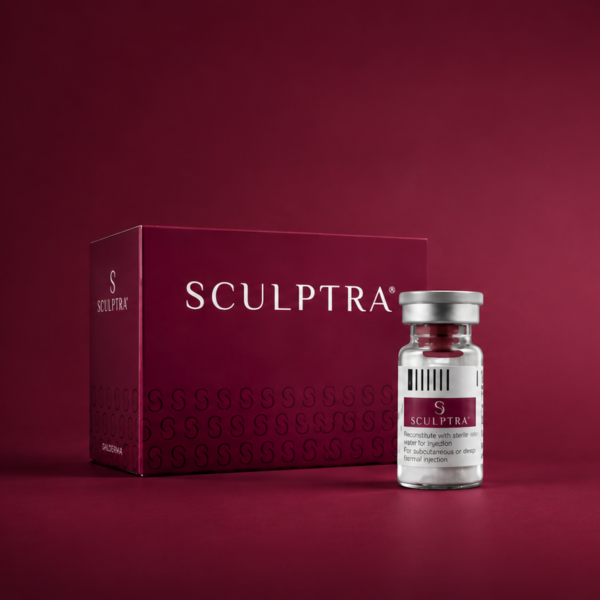
| Sculptra From £720 |
Stimulates your own collagen over several months, gradually rebuilding facial volume for a subtle, long-lasting and natural-looking result. |
| 8-Point Lift Priced at consultation |
Strategically places filler at eight key points to lift and re-volumise the whole face, countering sagging and hollowing together. |
Book a consultation at our Marylebone clinic to find the volume-restoring treatment best suited to your face.
Dermal fillers are often discussed where structural support or contour restoration is required. They are used carefully to maintain proportion and natural appearance, with suitability assessed individually.
Improvement depends on the area affected and the degree of volume change. Options discussed at our clinic may include dermal fillers for structural support, alongside treatments such as Profhilo, polynucleotides, UltraClear laser resurfacing and medical-grade skincare to support overall skin quality.
No. Volume loss relates to changes in underlying support, while laxity refers to skin looseness. They often occur together but are assessed separately.
Not usually. Some areas lose volume earlier than others, which is why whole-face assessment is important.
Volume loss cannot be fully prevented, but early assessment and skin health optimisation may help manage how changes appear over time.
The aim is subtle support and balance rather than visible alteration. Treatments are planned conservatively to respect facial anatomy.
No. Many people choose not to treat volume loss once they understand the changes and how they may progress.