Explore the advantages and limitations of UltraClear fractional laser resurfacing. Learn about recovery, risks, and whether it suits acne scars and ageing.
Laser resurfacing continues to evolve. Patients increasingly seek treatments that stimulate collagen and improve texture without extended recovery. Among newer-generation platforms, UltraClear has gained attention for its fibre-based fractional delivery and controlled downtime.
The question, however, is not whether it is popular but whether it is appropriate for your skin, goals, and tolerance for recovery.
UltraClear is a 2910 nm fractional laser platform that targets water within the skin. It creates controlled micro-ablative columns that stimulate collagen remodelling while preserving untreated skin between zones. This fractional pattern supports faster healing compared with traditional fully ablative systems.
It is commonly used to address:
Treatment depth and intensity can be adjusted depending on indication.

| Pros | Cons |
|---|---|
| Controlled fractional delivery reduces excessive thermal spread | Multiple sessions may be required for optimal acne scar improvement |
| Shorter recovery compared with traditional CO₂ lasers | Temporary redness, swelling, and peeling are expected |
| Adjustable treatment depth for different concerns | Not a substitute for surgery in advanced laxity |
| Suitable for mild to moderate scarring and texture issues | Pigmentary risk remains in darker skin types if parameters are inappropriate |
| Stimulates progressive collagen remodelling | Results are not immediate and require biological healing time |
UltraClear occupies a balanced position between aggressive ablative resurfacing and lighter non-ablative stimulation. Because energy delivery is controlled and fibre-based, collateral thermal injury is reduced. This often translates to predictable recovery measured in days rather than weeks.
Customisable settings allow superficial refinement or deeper dermal stimulation. For patients seeking measurable improvement without prolonged downtime, this flexibility is particularly valuable.
Collagen production continues for weeks following treatment. Improvements in tone and texture often develop progressively rather than abruptly.
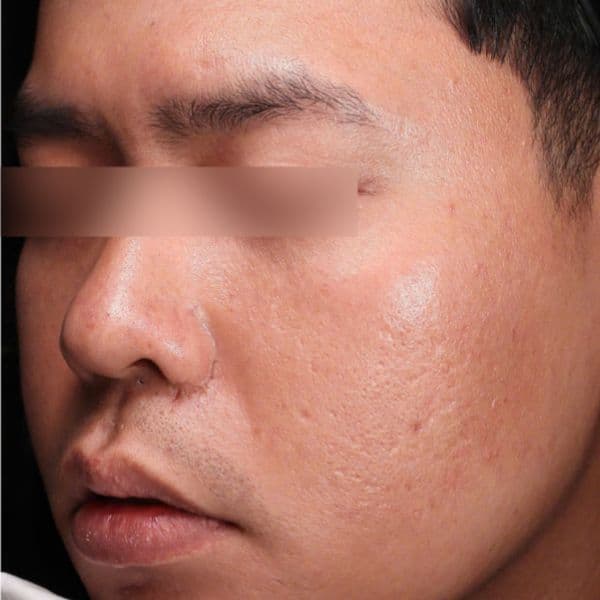
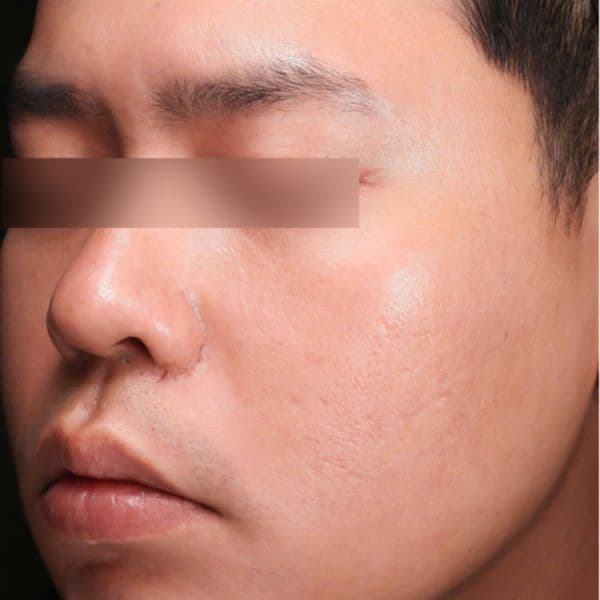
No laser represents a universal solution. Patients with severe fibrotic acne scarring may require combination therapy such as subcision or deeper ablative intervention. Significant skin laxity may be better addressed with surgical or ultrasound-based tightening.
Recovery, although shorter than traditional ablative systems, still involves redness and controlled peeling. Social downtime should be planned accordingly.
Furthermore, pigmentary risk must always be considered in higher Fitzpatrick skin types. Appropriate assessment and parameter selection remain essential.
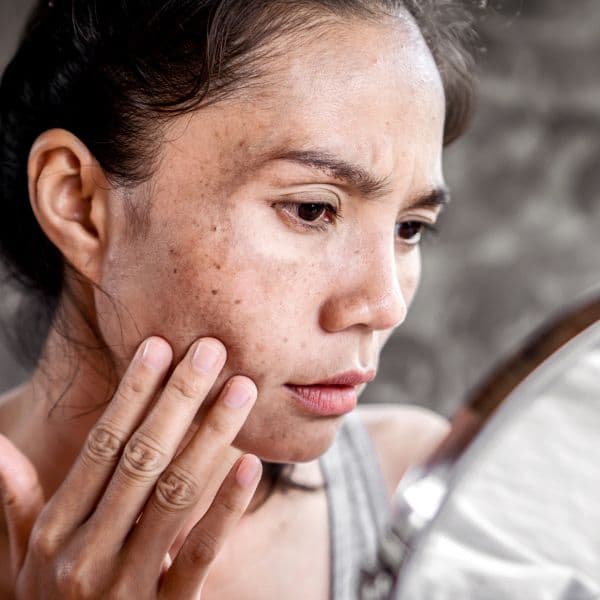
Value depends on alignment between treatment capability and patient expectation.
UltraClear is often worthwhile for individuals seeking:
It may not be appropriate where structural laxity or severe dermal damage dominates.
At Dr Joney De Souza’s London clinic, device selection follows consultation rather than trend. Skin biology, inflammatory history, lifestyle factors, and long-term strategy determine suitability.
UltraClear represents a meaningful advancement in controlled resurfacing technology. Whether it is “worth it” depends not on marketing language, but on whether it fits your anatomical needs and aesthetic objectives.