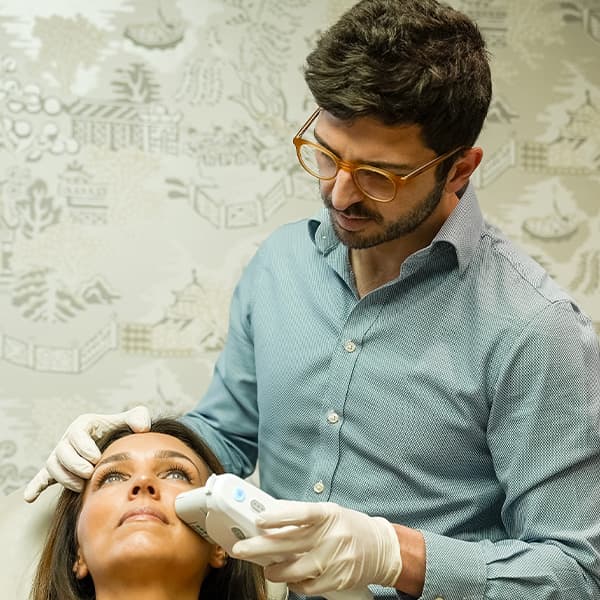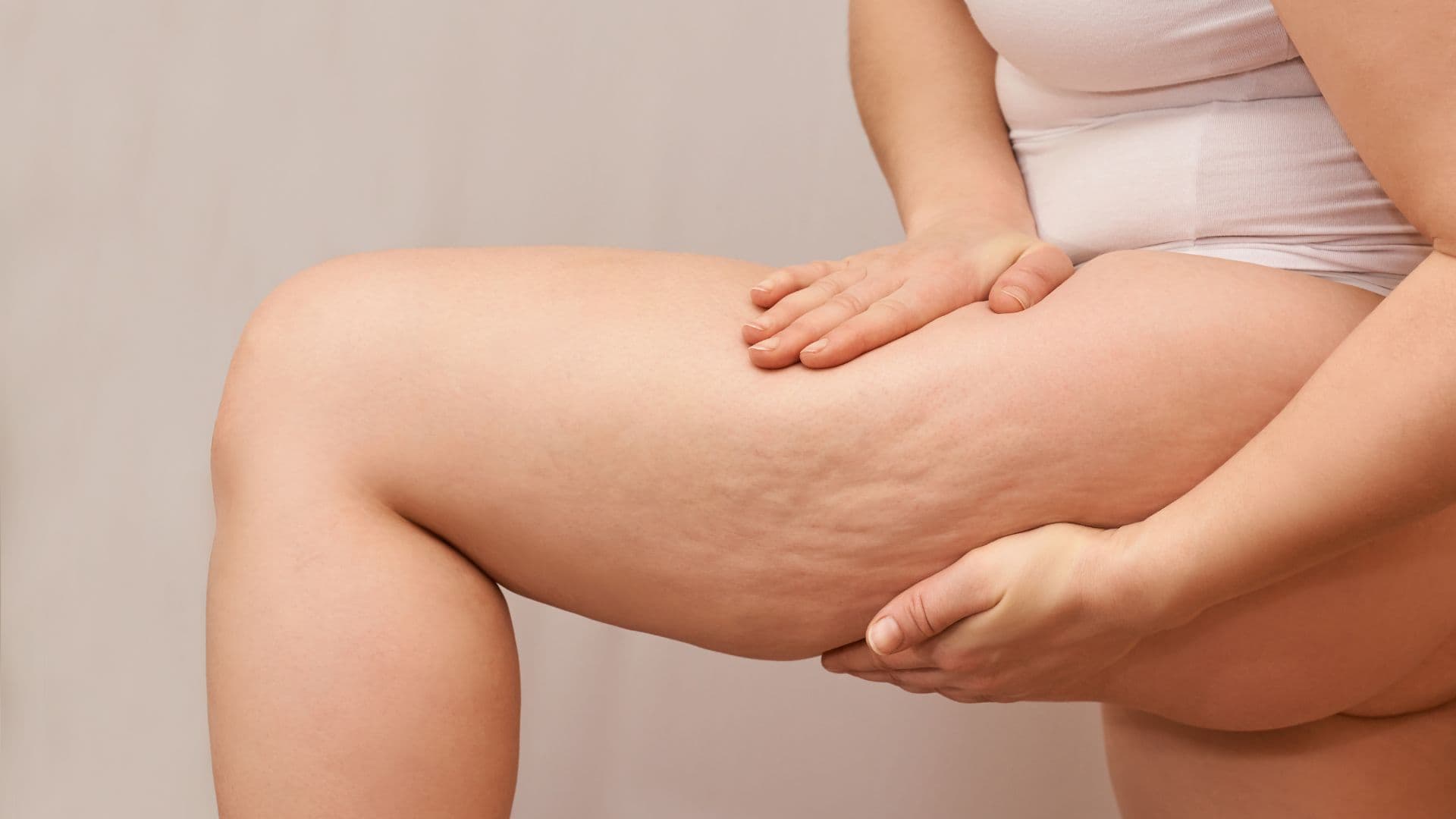
Cellulite reflects underlying structural and skin changes rather than surface fat alone. Our doctor-led clinic takes a medical approach to understanding cellulite before discussing management options.
Cellulite refers to a dimpled or uneven appearance of the skin, most commonly affecting the thighs, hips, buttocks and sometimes the abdomen or arms. It occurs when connective tissue beneath the skin pulls downward while fat pushes upward, creating an uneven surface.
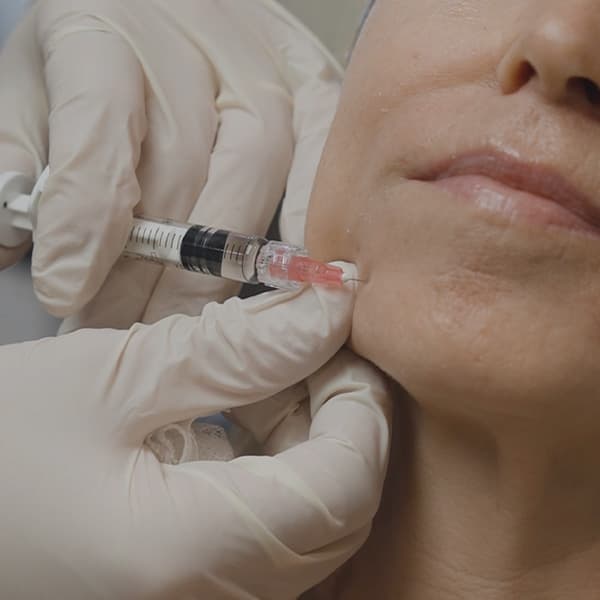
Cellulite is extremely common and affects people across a wide range of ages, body types and fitness levels. Skin boosters are injectable treatments used to improve the appearance of cellulite by enhancing skin quality and hydration rather than targeting fat directly. Cellulite becomes more visible as skin thins, loses elasticity, and underlying structures show through unevenly. By delivering hyaluronic acid into the skin, skin boosters improve hydration, support collagen production, and strengthen the skin’s texture. Over time, this can help smooth the skin surface and reduce the visibility of cellulite, with gradual, natural-looking improvement.
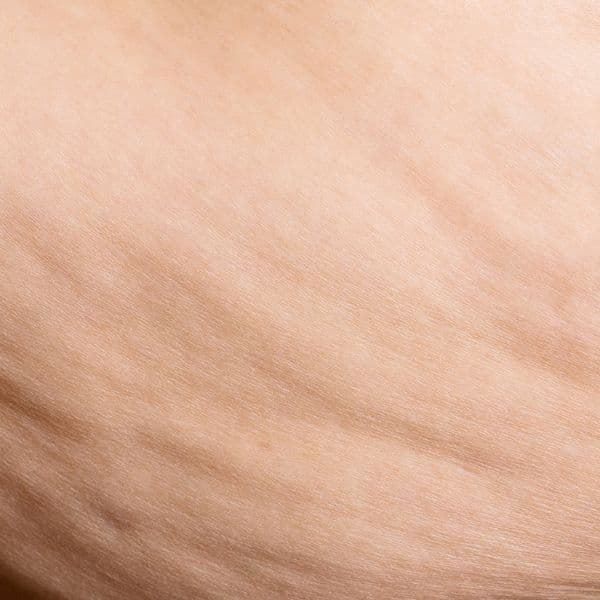
Cellulite develops due to a combination of structural, hormonal and skin-related factors.
These may include:
The structure of connective tissue bands
Fat distribution beneath the skin
Reduced skin thickness or elasticity
Hormonal influences
Genetic predisposition
It is not caused by excess weight alone and cannot be fully prevented. Polynucleotides are injectable treatments used to improve the appearance of cellulite by supporting skin repair and quality. Cellulite becomes more noticeable when skin loses strength and elasticity, allowing underlying irregularities to show through. By stimulating cellular regeneration and collagen production, polynucleotides help improve skin firmness, elasticity, and texture. Over time, this can smooth the skin surface and reduce the visibility of cellulite in a gradual, natural-looking way.
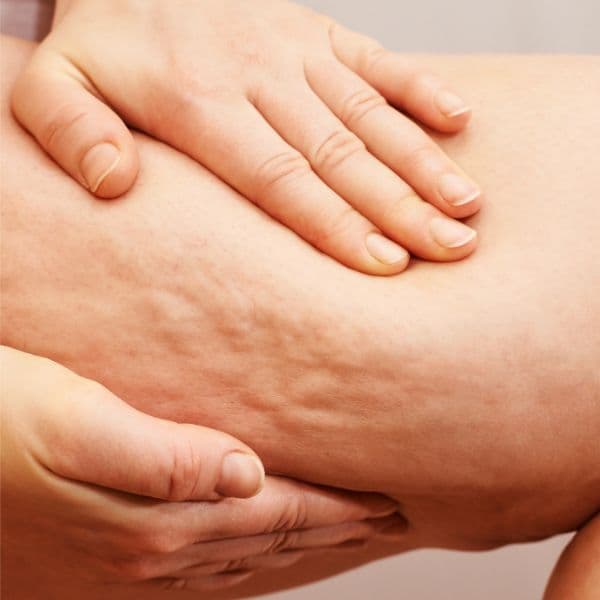
Assessment focuses on the quality of the skin, the degree of textural change and how connective tissue influences surface appearance. Our medical team considers whether cellulite is mild, moderate or more established.
This allows us to explain which aspects may be influenced by treatment and where expectations should remain realistic.
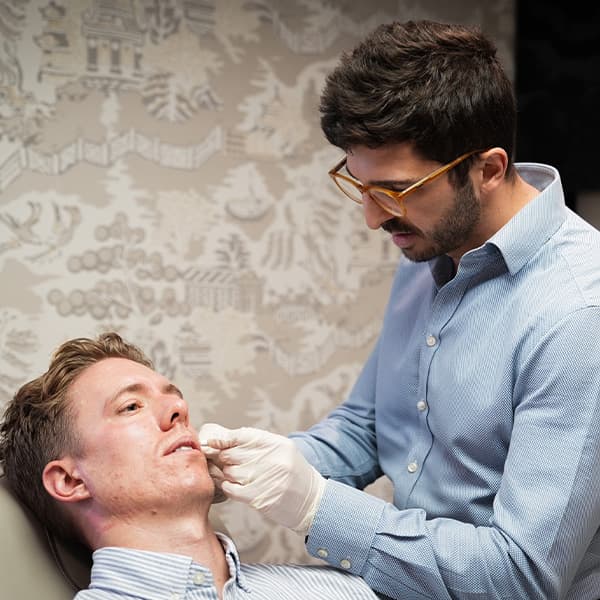
Polynucleotide-based treatments are often discussed where reduced skin quality contributes to the appearance of cellulite, as they focus on skin regeneration and resilience.
Improvement focuses on supporting skin quality and elasticity. Options discussed at our clinic may include polynucleotide treatments, skin boosters, Profhilo, UltraClear laser resurfacing and medical-grade skincare. The aim is reduction in visibility rather than complete removal.
No. Cellulite affects people of all body types and is influenced by connective tissue structure rather than weight alone.
No. Current non-surgical treatments aim to improve appearance, not eliminate cellulite.
It can become more noticeable over time as skin elasticity and thickness reduce.
Exercise and diet support overall health but do not reliably remove cellulite due to its structural nature.
No. Many people choose not to treat cellulite once they understand its cause and realistic outcomes.