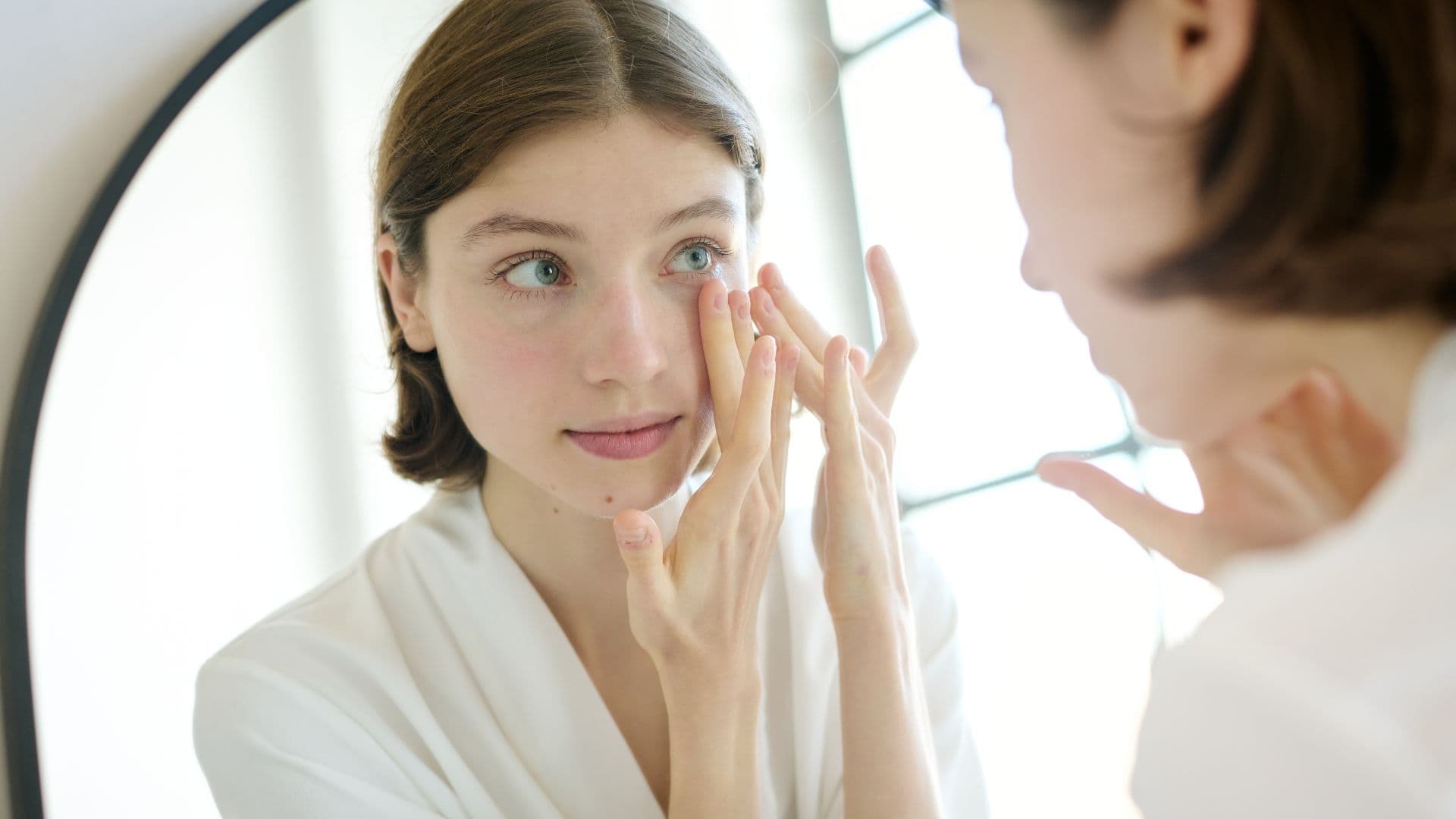
Eye bags are a common concern and can make the eye area appear tired or heavy. Led by Medical Director Dr Joney De Souza, our medical team focuses on understanding the underlying cause before considering treatment.
Eye bags refer to swelling or fullness beneath the lower eyelids. They may appear as puffiness, soft bulges or a tired contour in the under-eye area. Eye bags can be temporary or persistent and may occur alongside other under-eye concerns such as dark circles or skin laxity.
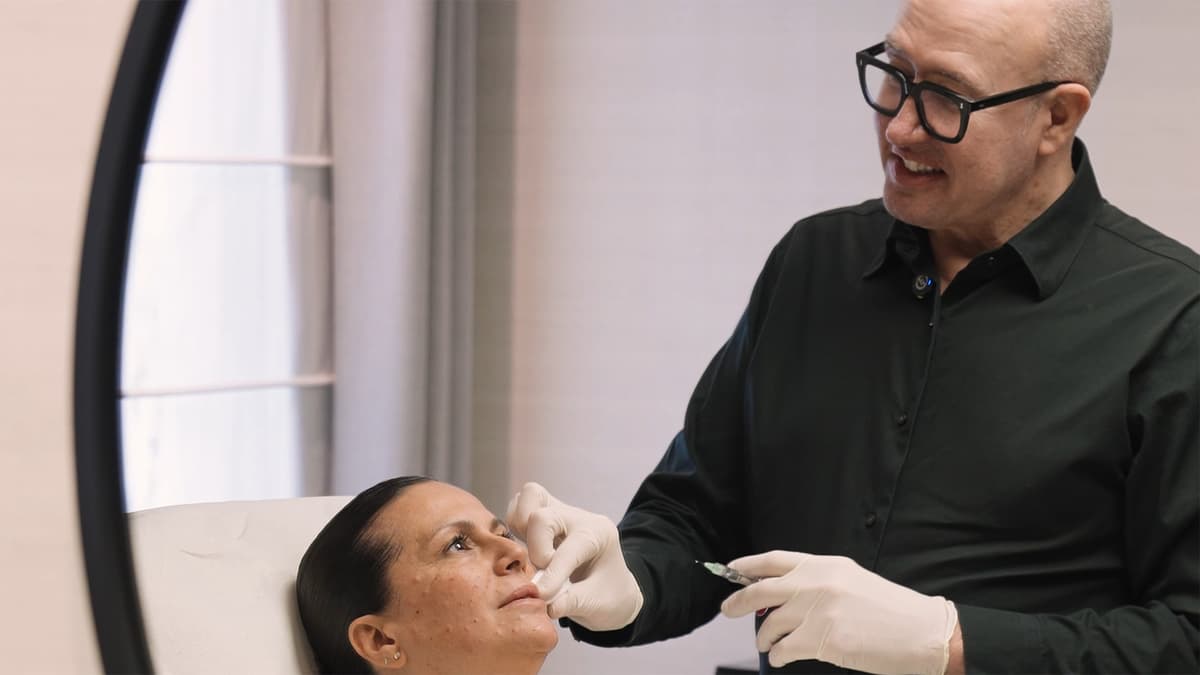
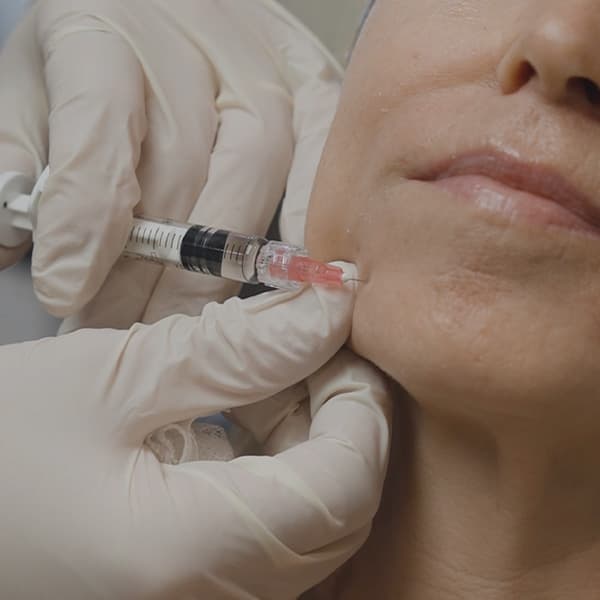
Dermal fillers can be used to improve the appearance of eye bags by restoring support and smoothness to the under-eye area. Eye bags often become more noticeable when volume is lost around the eyes, creating shadows and a tired appearance rather than true excess fat. Carefully placed filler helps soften the transition between the lower eyelid and cheek, reducing the appearance of puffiness and dark shadows. This creates a smoother, more refreshed under-eye contour without surgery.
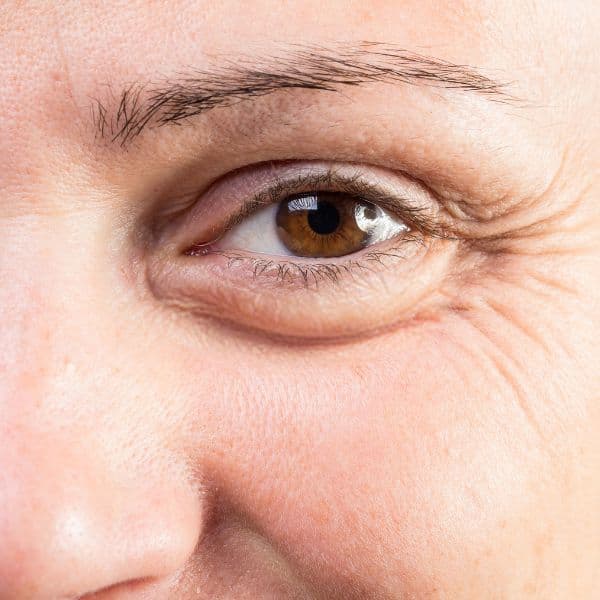
Eye bags usually develop due to a combination of factors rather than a single cause.
These may include:
Weakening of the tissue that supports under-eye fat
Fluid retention in the under-eye area
Skin laxity and reduced elasticity
Genetic predisposition
Lifestyle factors such as sleep patterns or salt intake
Understanding the dominant factor is important when considering management. Polynucleotides are injectable treatments used to improve the appearance of eye bags by strengthening and revitalising the delicate under-eye skin. Eye bags can appear more prominent when the skin becomes thin, lax, or less resilient over time. By supporting tissue repair and improving skin quality, polynucleotides help firm the skin, soften shadows, and reduce the tired look of the under-eye area, with gradual and natural-looking improvement.
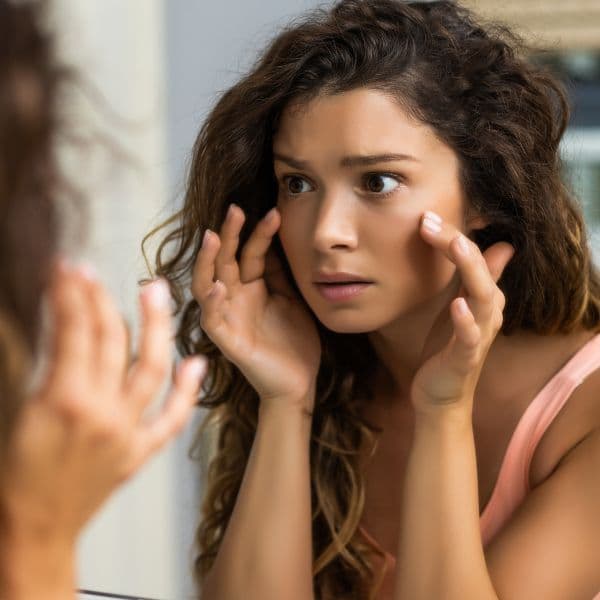
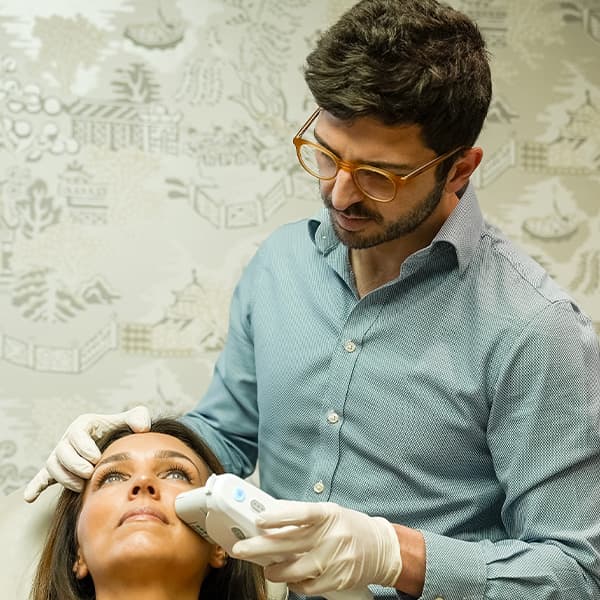
Assessment focuses on the under-eye area as part of the face as a whole. Our medical team evaluates skin quality, tissue support, fluid retention and overall facial balance.
This allows us to explain whether eye bags are structural, fluid-related, skin-related or a combination of factors.
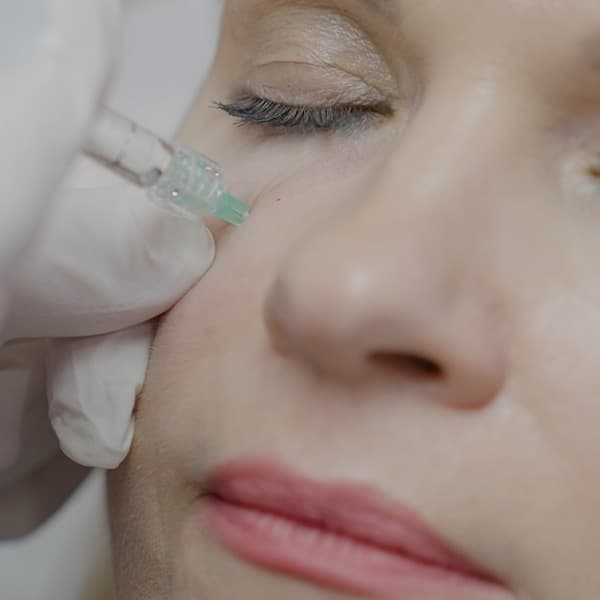

Polynucleotide-based treatments are often discussed where eye bags are influenced by reduced skin quality or resilience. They focus on supporting the delicate under-eye skin rather than altering structure.
Improvement depends on the underlying cause. Options discussed at our clinic may include dermal fillers for contour balance, polynucleotide treatments, skin boosters, Profhilo and medical-grade eye skincare. The aim is gradual, natural improvement.
No. Eye bags relate to fullness or puffiness, while dark circles relate to colour or shadowing. They can occur together but are assessed separately.
Yes. Fluid retention can contribute, particularly in the morning, but structural and skin-related factors are often involved as well.
They can become more noticeable over time as tissue support weakens and skin elasticity reduces.
In some cases, lifestyle changes may help temporary puffiness, but persistent eye bags often relate to structural changes.
No. Many people choose not to treat eye bags once they understand the cause and how they may change.