CO2 Laser vs UltraClear Laser: Which should you choose? Read on or contact our team at Dr Joney De Souza in Marylebone, London.
Laser skin resurfacing is one of the most effective ways to improve skin quality, texture, pigmentation and visible signs of ageing. Two of the most commonly compared technologies are CO2 laser resurfacing and UltraClear cold fiber laser treatment. While both treatments aim to renew the skin and stimulate collagen, they work in different ways. The amount of heat used, how energy is delivered to the skin and the recovery process all play a role in determining which treatment is most suitable. This guide written by the team at Dr Joney De Souza explains the differences clearly, helping you understand which option may be right for your skin concerns, skin tone and lifestyle. If you are looking for UltraClear pricing, click here to read more.
Let’s cover the key elements of both Co2 Laser and UltraClear from the start.
| Feature | CO2 Laser | UltraClear Cold Fiber Laser |
|---|---|---|
| Laser platform | Heat-based ablative laser | Cold fiber laser platform |
| Energy delivery | Continuous high thermal energy | Ultra-short, controlled pulses |
| How the skin is treated | Skin tissue is vaporised | Skin is resurfaced and remodelled with minimal excess heat |
| Treatment depth | Typically deep and aggressive | Fully customisable from superficial renewal to deep dermal remodelling |
| Downtime | Longer, often weeks | Shorter, often days |
| Skin tone suitability | Higher risk in darker skin tones | Suitable for all skin types when assessed |
| Treatment flexibility | Limited | High |
| Primary benefit | Powerful single-session resurfacing | Precision, safety and versatility |
CO2 laser resurfacing is a traditional ablative laser treatment. It works by delivering high levels of thermal energy to the skin, removing the outer layers while heating the deeper dermis. This controlled injury triggers a strong wound-healing response, stimulating collagen production and improving firmness and texture. CO2 laser has historically been used to treat deep wrinkles, advanced sun damage, severe textural irregularities and more significant acne scarring. Because the entire surface layer is treated, recovery is typically longer and involves more visible healing. For some patients, this intensity can be appropriate. For others, the downtime and heat-related risks may outweigh the benefits.
Traditionally laser resurfacing relied on what is often called full ablation, where the entire top layer of skin is removed in one treatment. This can produce dramatic results, but recovery is prolonged and the risk of side effects is higher.
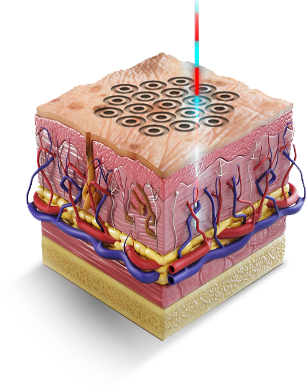
Fractional laser technology marked a major step forward. Rather than treating the whole skin surface, fractional treatments create microscopic treatment zones while leaving surrounding tissue intact. These untreated areas help the skin heal more quickly while still stimulating collagen and renewal. However, not all newer laser systems rely solely on fractional delivery.
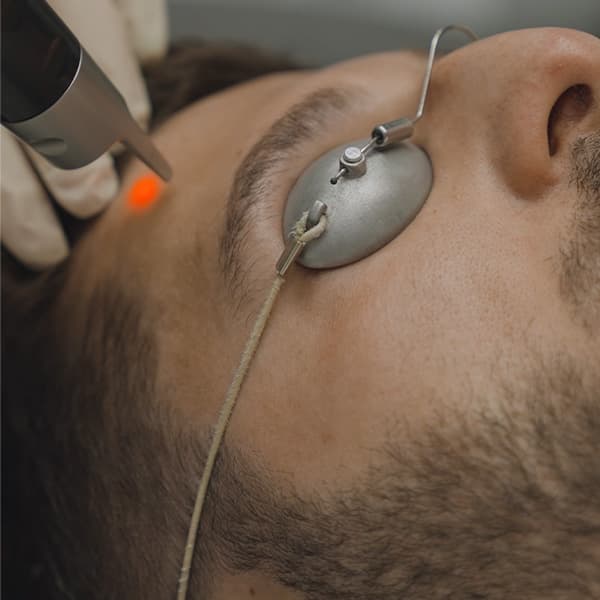
The defining difference between CO2 laser and UltraClear is how heat is handled. CO2 lasers use high heat to vaporise skin tissue. While effective, this heat can extend beyond the target area, increasing downtime and the risk of heat-related side effects such as prolonged redness or post-inflammatory hyperpigmentation.
UltraClear is designed to limit excess heat. Its cold fiber technology and controlled pulse delivery allow energy to be placed where it is needed, reducing collateral thermal injury. This makes treatments more comfortable and recovery more predictable.
UltraClear laser treatments in our Marylebone, London clinic can perform ablative resurfacing, fractional-style treatments and deep dermal remodelling, but with far greater control than traditional systems. If you are looking for other treatment options to treat pigmentation or sun damage, another useful alternative might be PicoSure laser treatments that can also be used for tattoo removal.
UltraClear’s new technology focuses on 3DIntelliPulse® technology which focuses laser energy placement by automatically delivering blended ablative (mechanical) and coagulative (thermal) pulses to the same microscopic treatment zone into the mid dermis in one pass. What does this mean? We can tailor the patients experience depending on skin type and concern. This enables individual treatments for maximum results with minimal side effects.
You have severe skin damage such as deep wrinkles or advanced sun damage
You are seeking maximum resurfacing in a single treatment
You can accommodate longer downtime
Your skin type is suitable for aggressive heat-based resurfacing
You want a treatment suitable for all skin tones
Minimising downtime is important
You want a customisable approach to texture, pigmentation or scarring
You prefer a more comfortable treatment with reduced heat exposure
You are looking for strong results with greater flexibility and safety
The main difference between CO2 laser and UltraClear is how heat is delivered to the skin. Traditional CO2 laser uses high thermal energy to resurface the skin, which can deliver powerful results but usually involves longer downtime, often one to three weeks. UltraClear is a cold fiber laser that uses controlled, ultra short pulses to treat the skin with significantly less excess heat. This typically allows for faster recovery, often within a few days, while reducing the risk of heat related side effects and making treatment suitable for all skin types, including darker skin, without compromising collagen remodelling and skin rejuvenation results.
The key differences between CO2 laser and UltraClear relate to technology, recovery and versatility. CO2 laser uses high heat to vaporise skin tissue, which can cause more widespread thermal injury and longer healing time. UltraClear uses cold fiber laser technology with controlled, ultra short pulses to treat the skin with significantly less excess heat.
Recovery time also differs. Many UltraClear patients return to normal routines within one to two days, depending on treatment depth, whereas CO2 laser resurfacing often involves one to two weeks or more of visible downtime due to redness and peeling.
In terms of safety, UltraClear is generally considered suitable for a wider range of skin tones, including darker complexions, as the reduced heat exposure lowers the risk of post-inflammatory hyperpigmentation.
CO2 laser is often performed as a single, intensive treatment for more severe skin ageing. UltraClear treatments are typically delivered as a course or as tailored sessions, allowing similar or improved skin rejuvenation results with greater control and fewer heat-related risks.
UltraClear is also more versatile and can be safely used on areas such as the face, neck and chest, whereas traditional CO2 lasers are more commonly limited to the face due to higher complication risk on other areas.
CO2 laser treatments typically require 7 to 14 days, or sometimes longer, of recovery, which may involve redness, swelling and surface healing. UltraClear recovery is significantly shorter and usually ranges from 0 to 5 days, depending on the depth and intensity of the treatment.
CO2 laser is most often used for more severe skin ageing, very deep established wrinkles and advanced scarring, particularly when a single, intensive resurfacing treatment is preferred over a course of sessions. UltraClear is commonly chosen for fine lines, pigmentation, moderate scarring and overall skin rejuvenation, offering strong collagen remodelling results with greater safety, flexibility and convenience for many patients.
Yes. UltraClear stimulates collagen through controlled dermal injury, leading to gradual improvements in firmness, texture and skin quality.
Yes. CO2 laser is a heat-based ablative treatment and is generally more aggressive than UltraClear.
CO2 laser is often performed as a single intensive treatment. UltraClear may be delivered as one deeper session or as a short course, depending on goals.
Peeling is part of the renewal process for both treatments. The degree of peeling depends on how deeply the skin is treated.
A consultation is essential to assess your skin, recovery expectations and treatment goals before choosing the most appropriate option.
CO2 laser treatments are a powerful ablative treatment designed for deep skin treatments. It delivers dramatic resurfacing results in a single session but involves significant downtime and carries a higher risk of heat-related side effects, particularly in darker skin tones.
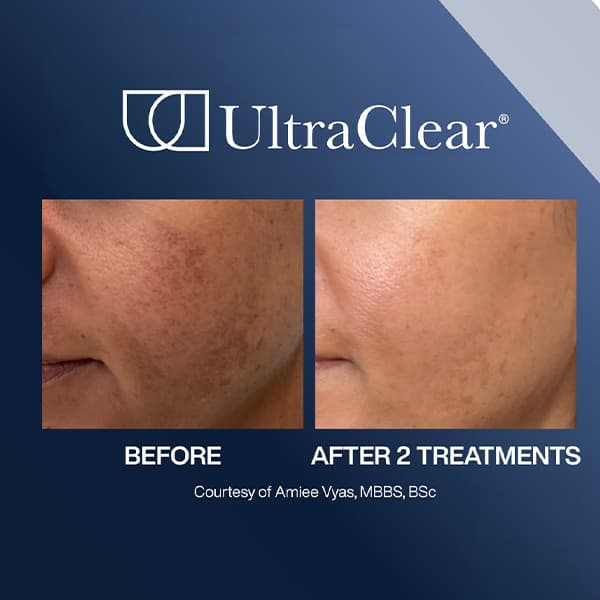
UltraClear is a next-generation laser that uses cold-laser technology to stimulate collagen with far less thermal damage. It is highly customisable, suitable for all skin tones and involves much faster recovery, typically days rather than weeks.
You have severe skin damage, such as deep wrinkles, advanced sun damage or significant scarring
You are seeking maximum resurfacing in a single treatment
You can accommodate longer downtime and recovery
Your skin type is suitable for aggressive ablative treatment
You want a treatment suitable for all skin tones, including darker skin
You need minimal downtime, typically days rather than weeks
You want a versatile, customisable approach for fine lines, texture, pigmentation or scarring
You prefer a more comfortable treatment with reduced heat exposure
You want effective results with lower risk of post-inflammatory hyperpigmentation
CO2 laser uses high heat to vaporise the skin surface. This delivers powerful results but causes more thermal damage and longer recovery.
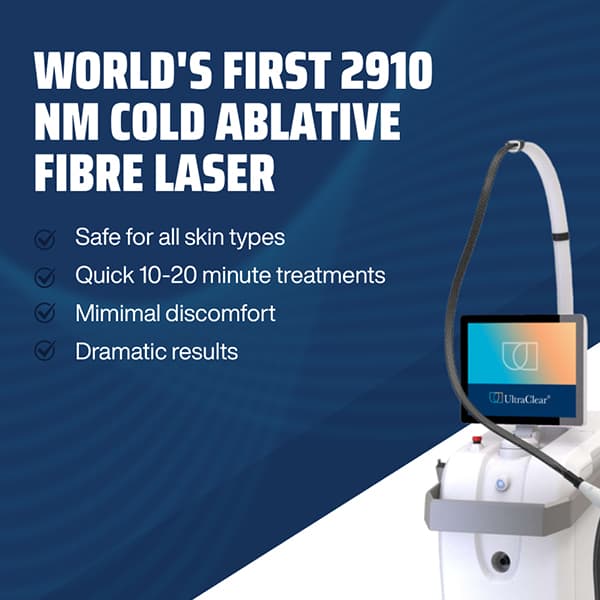
UltraClear uses a 2910nm fractional cold fibre laser with ultra-short pulses. This stimulates collagen while minimising excess heat, making it more precise, gentler and safer across a wider range of skin types.
For most patients seeking skin rejuvenation with minimal disruption to daily life, UltraClear is often the preferred option, particularly for those with darker skin tones or moderate concerns. Traditional CO2 laser remains valuable for specific, severe cases where longer downtime is acceptable and deep resurfacing is required. If you want to learn more about UltraClear treatments at our London based Dr Joney De Souza clinic in Marylebone, reach out the team below and we can arrange a UltraClear consultation.
Our patients return to us year after year for natural, balanced results. Every review reflects our commitment to precision, safety and a personalised approach to aesthetic care.