Pigmentation Treatment in London

Pigmentation and hyperpigmentation treatment at Dr Joney De Souza Clinic in Marylebone, London. Sun spots, melasma, age spots and post-acne marks, assessed and treated by type.

Pigmentation

Treats
Sun spots, age spots, melasma, post-acne marks, uneven tone
Approaches
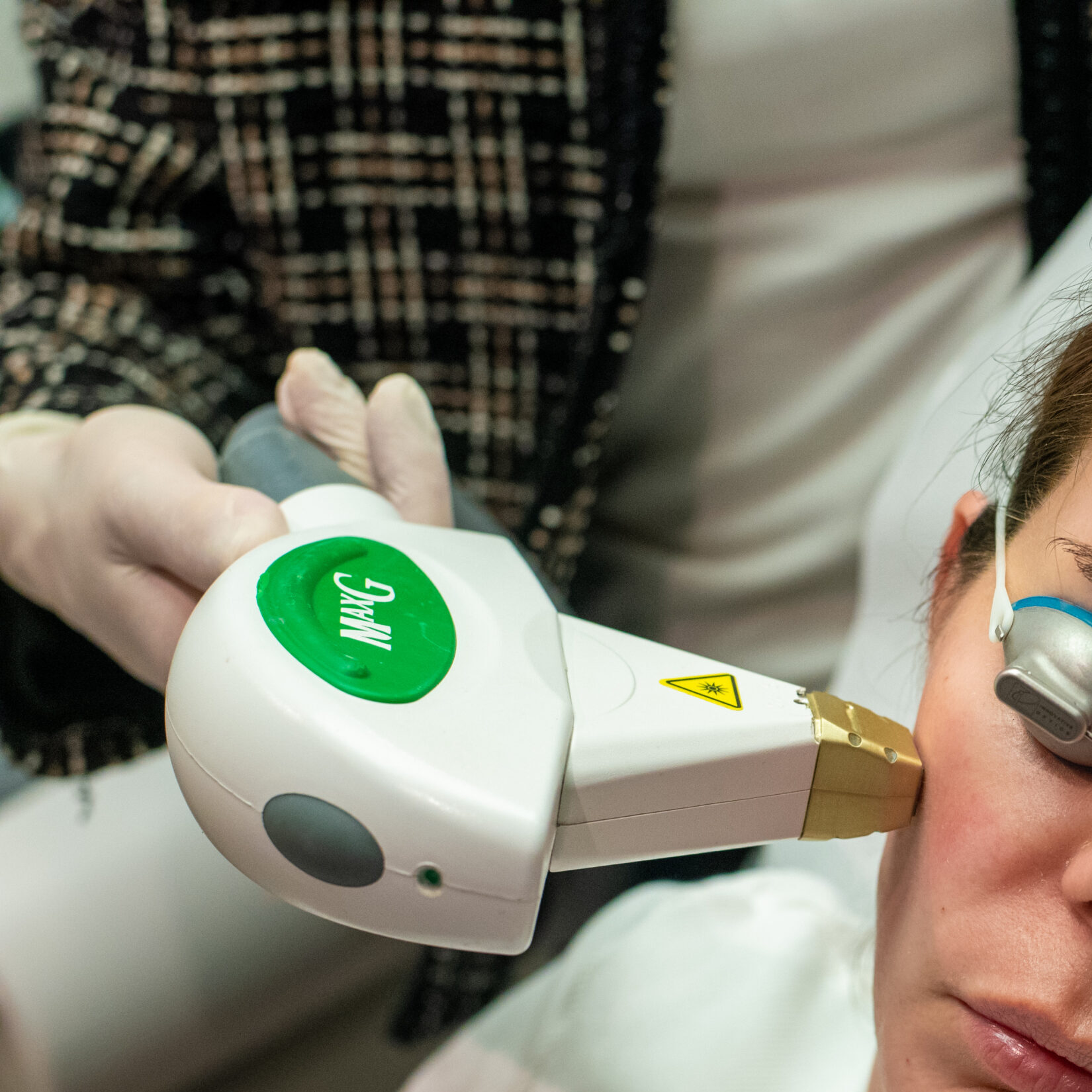
PicoSure laser, MaxG IPL, UltraClear, ZO peels, medical skincare
Skin tones
All tones, with the device and settings matched to your skin
Downtime
Minimal for most treatments, a few days of flaking after a peel
First step
A consultation to identify which type of pigmentation you have

What Pigmentation Is and Why It Develops

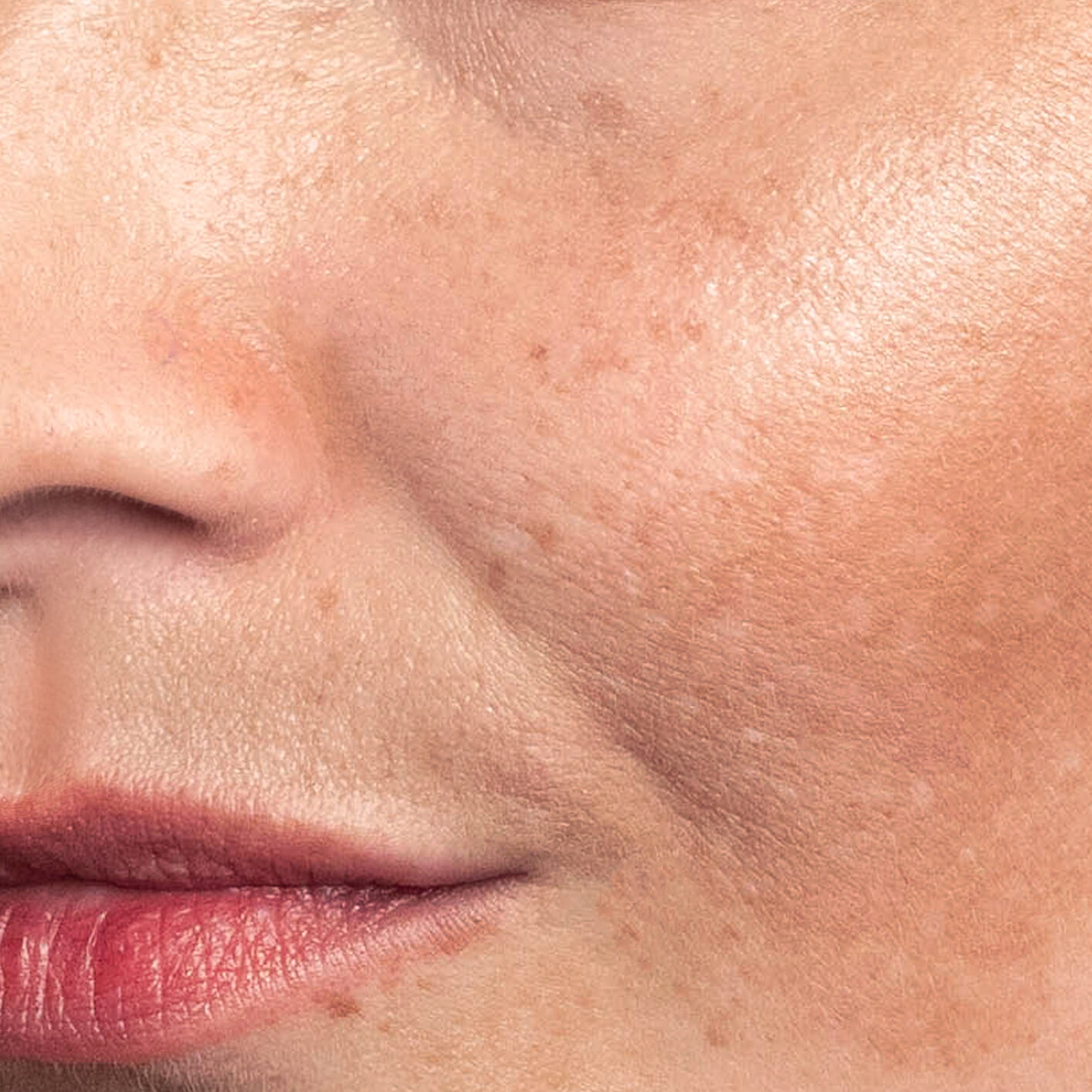
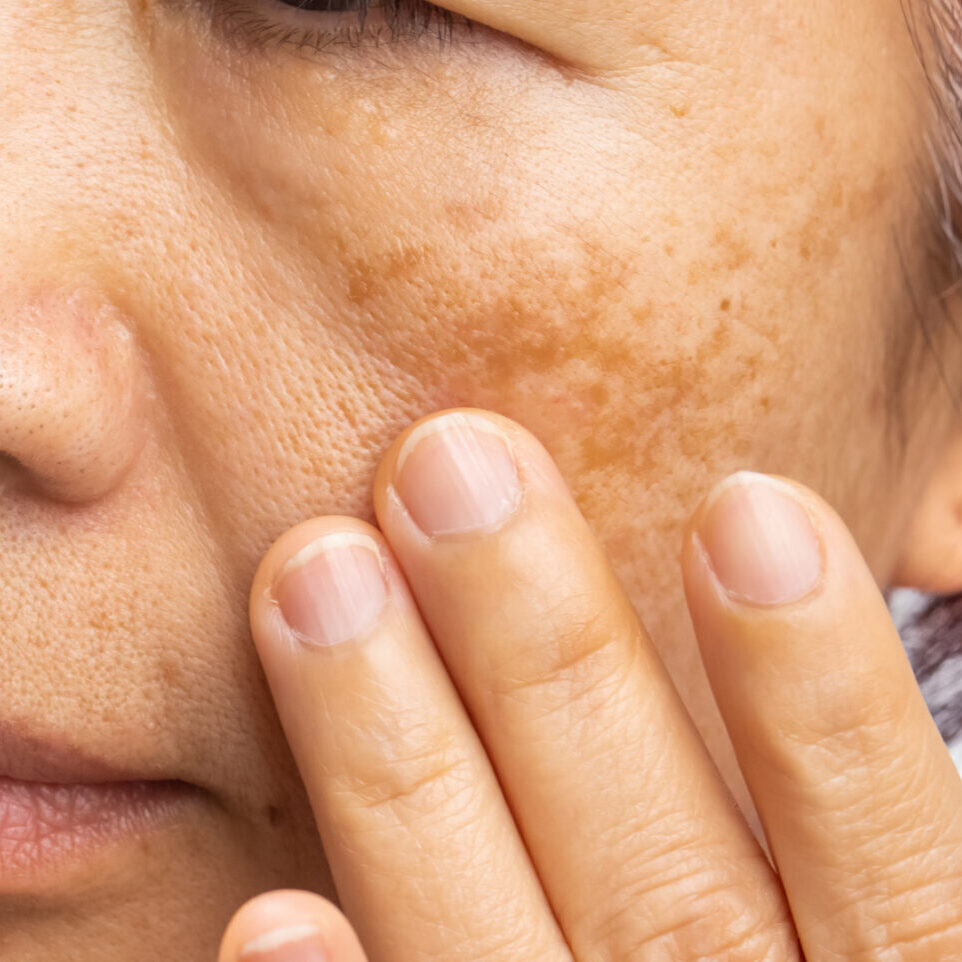
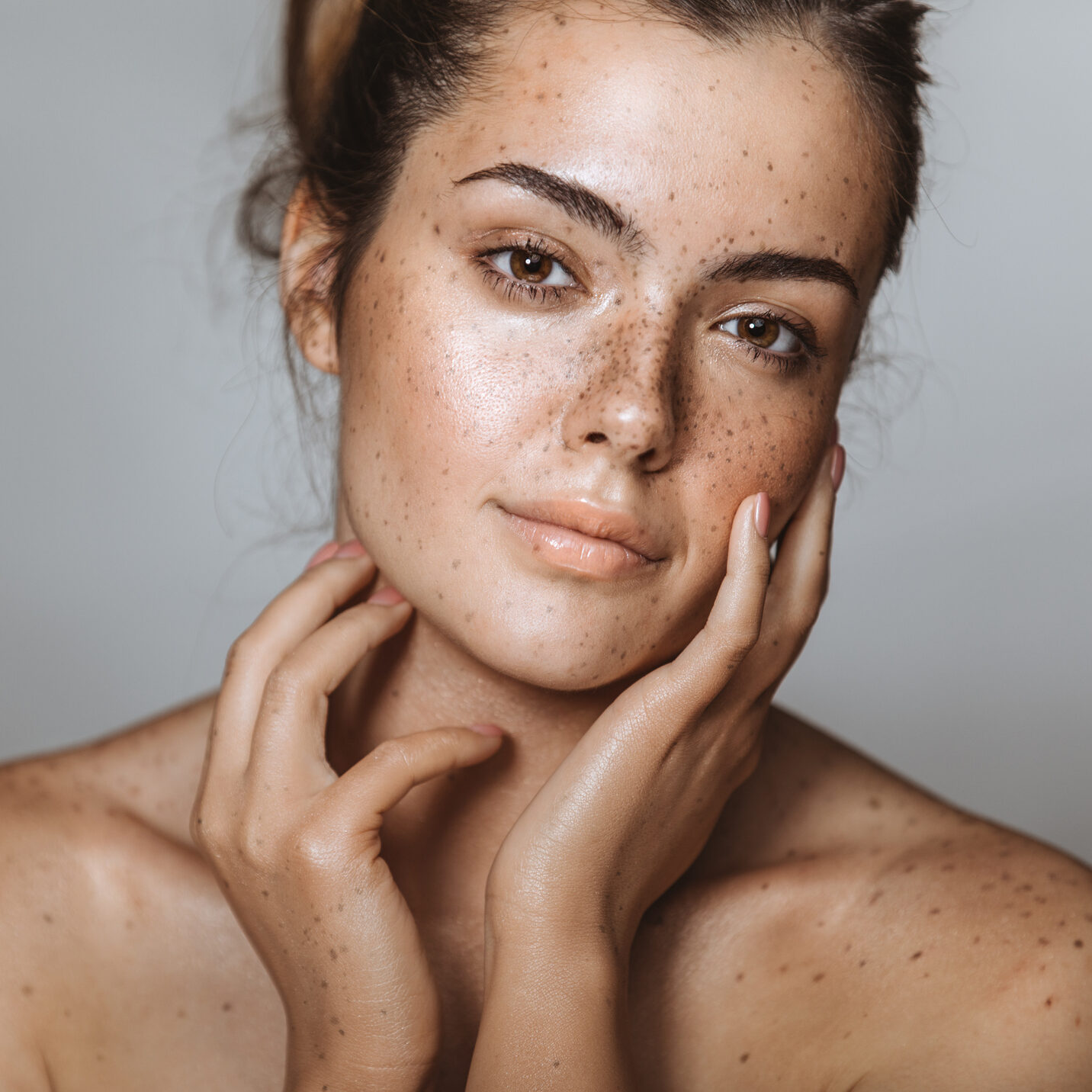
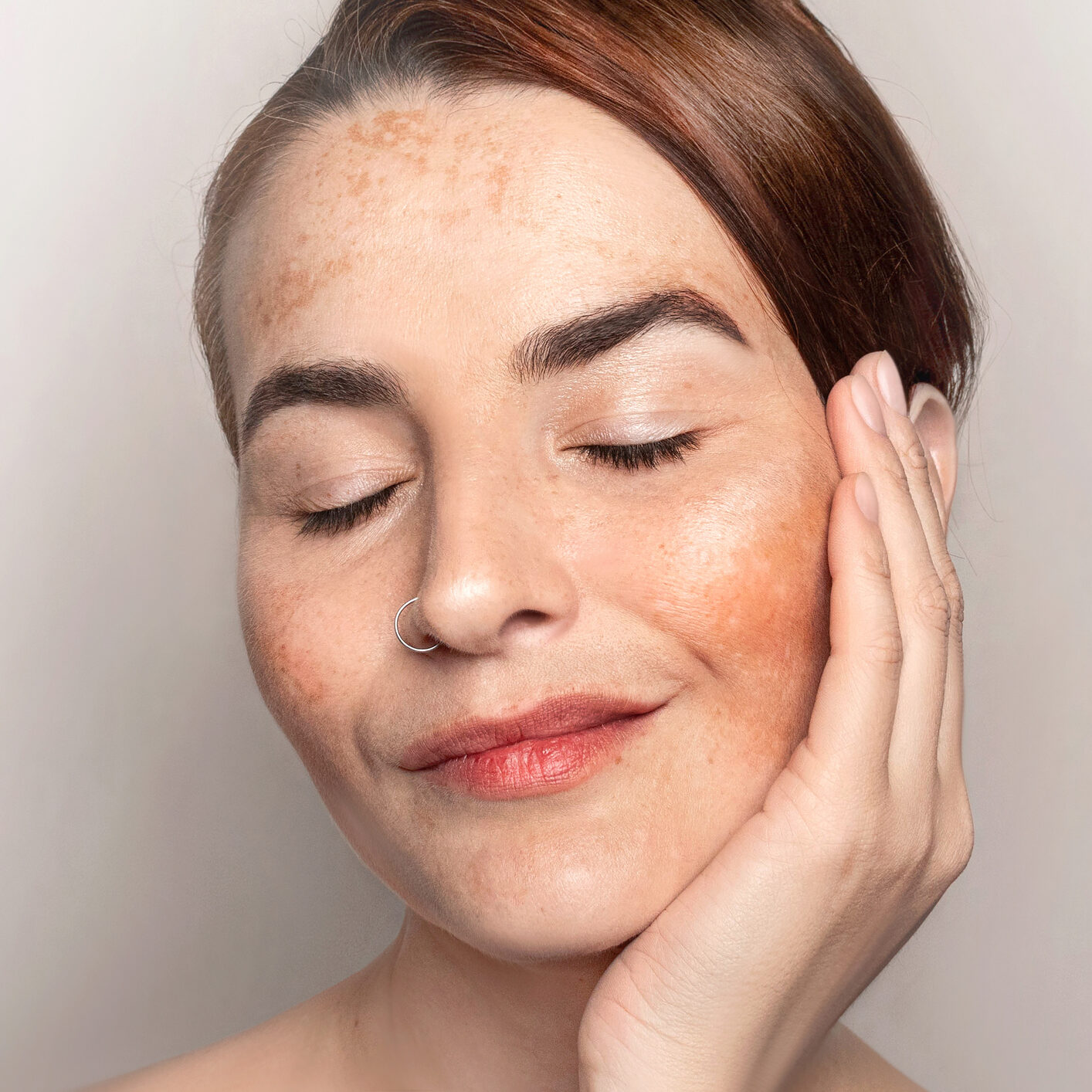
Dr Joney De Souza Clinic treats pigmentation more often than almost any other skin concern, and it is one of the most satisfying to get right. Your skin takes its colour from melanin, the pigment your body produces to shield deeper tissue from ultraviolet light. Produced evenly, melanin gives you a smooth and uniform tone. Produced in excess in one spot, it leaves a patch, a freckle or a shadow sitting darker than the skin around it. Doctors call that excess hyperpigmentation, and most people recognise it on sight long before they know its name.

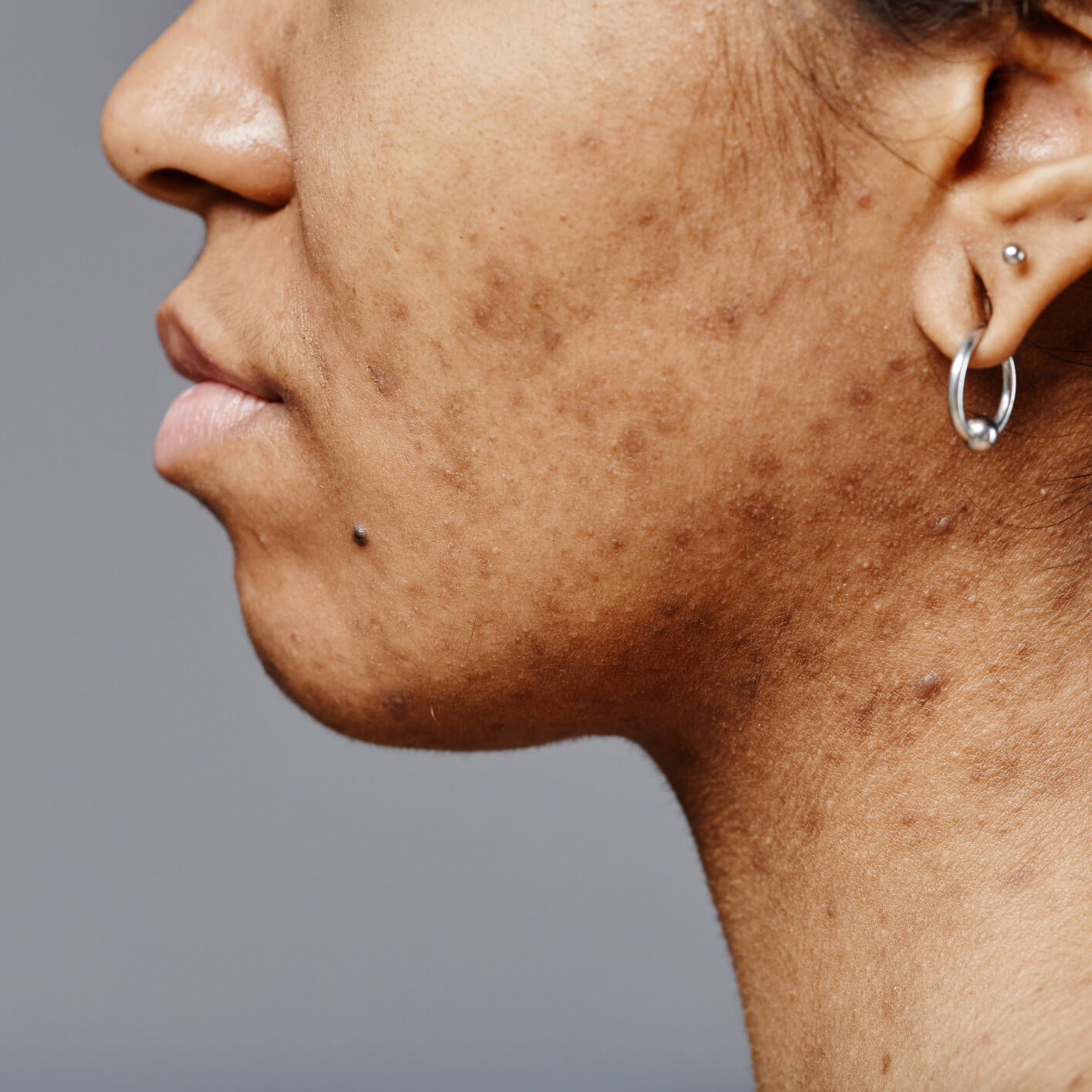
A handful of culprits account for nearly all of it. Sun exposure sits at the top of the list by a wide margin, and British weather is no protection, since UVA passes through cloud and window glass on the greyest January afternoon. Hormones come next, because pregnancy, the contraceptive pill and HRT can each trigger melasma. Inflammation leaves its own mark, as acne, eczema and over enthusiastic skincare can fade to a brown stain, particularly in medium and deeper skin tones. Then there is time, as decades of accumulated light resurface as age spots, and genetics, which set your baseline. The NHS guidance on sunscreen and sun safety explains why daily protection matters, and it underpins everything we do here.

The single most useful thing to understand is this. Pigmentation is not one condition, and the treatment that clears one type can make another worse. Laser is excellent on sun spots and can aggravate melasma. That is why our clinic reads your skin before recommending anything, and it is the heart of a longevity minded approach to skin: clear what is there, then protect the result for the years ahead.

Which Type of Pigmentation Do You Have?

Most people arrive knowing they have “pigmentation” without knowing which kind. The six below cover almost everything we see at our Marylebone clinic, and each one responds to a different hand. Find the description that sounds like your skin, then follow it through to the treatment that suits it.

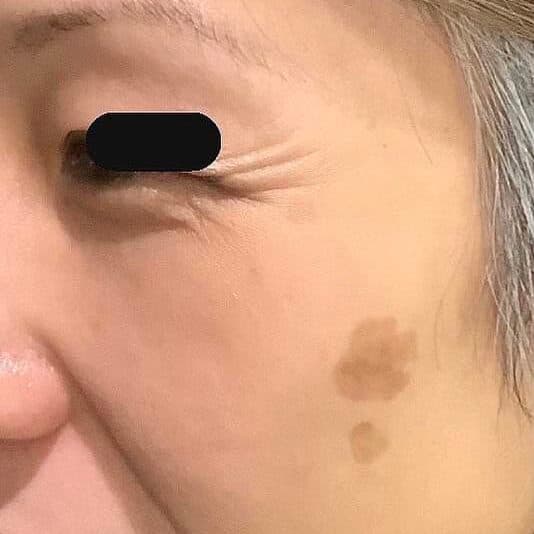
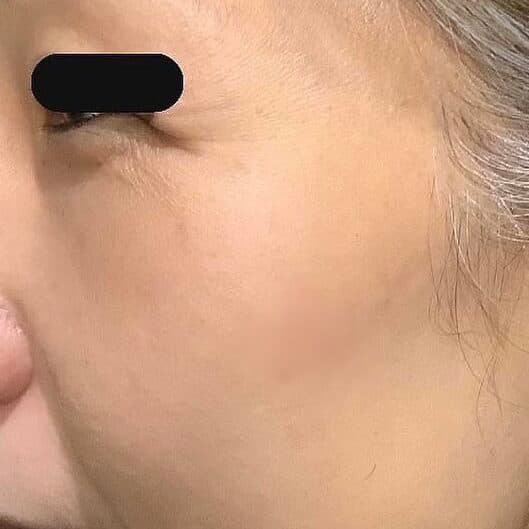
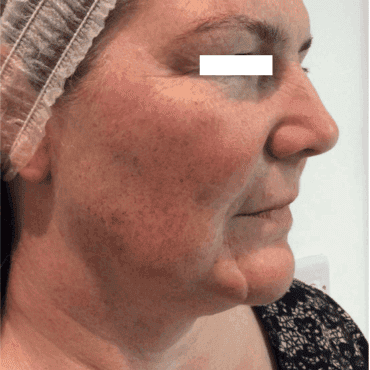
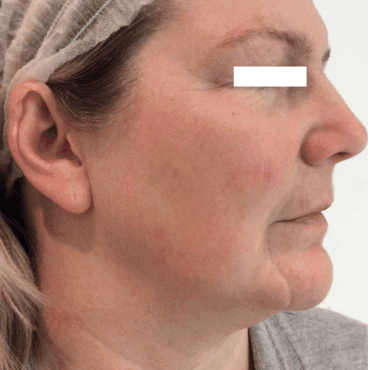
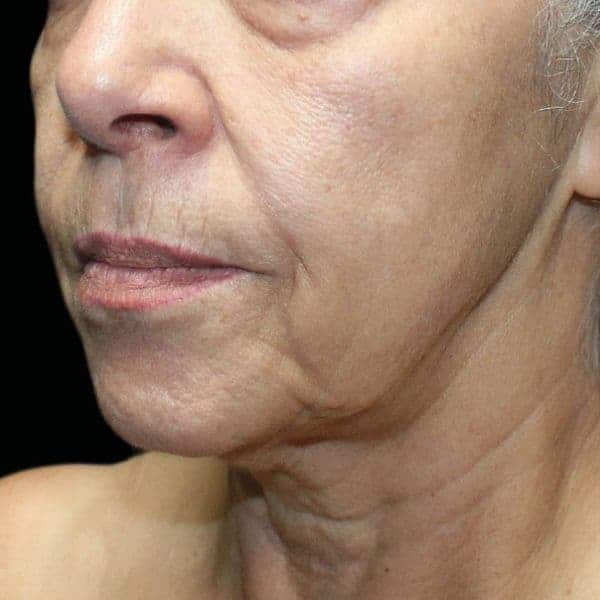
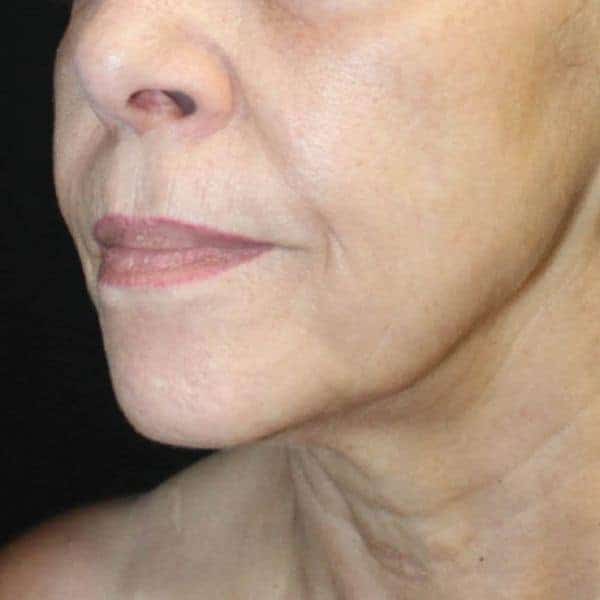
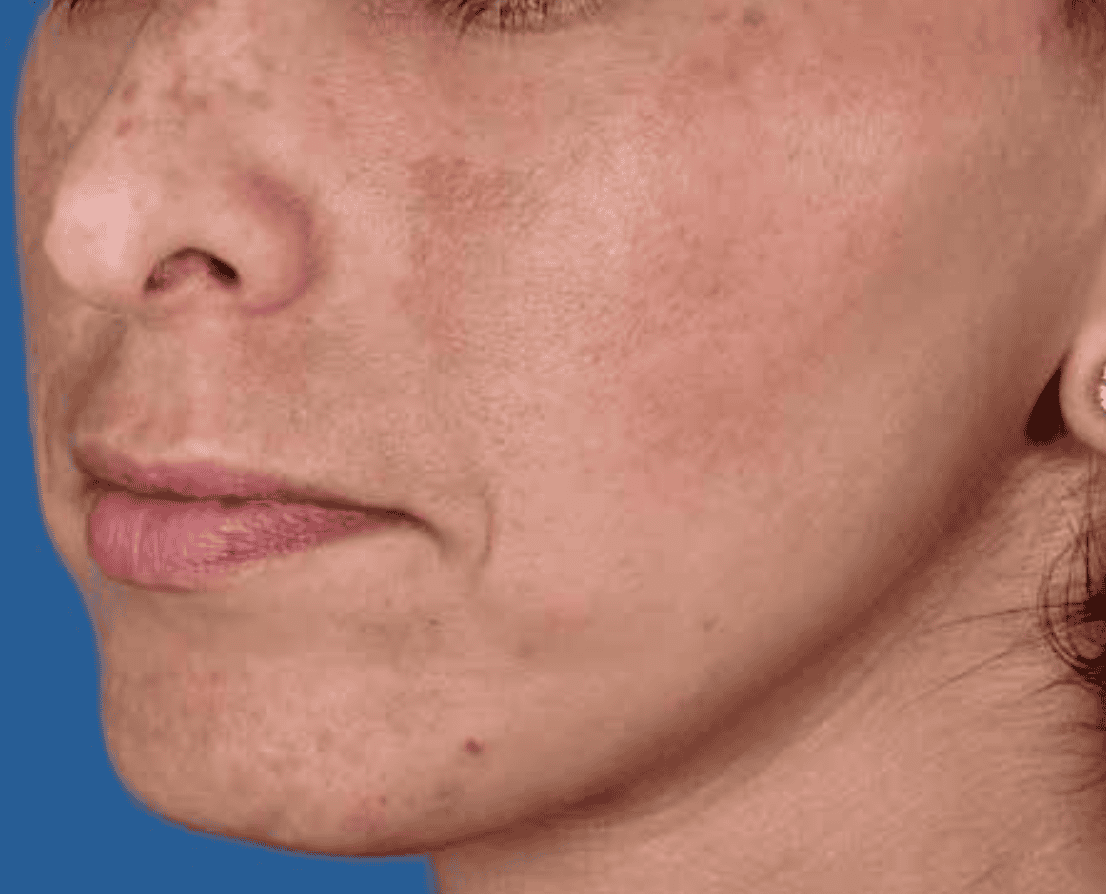
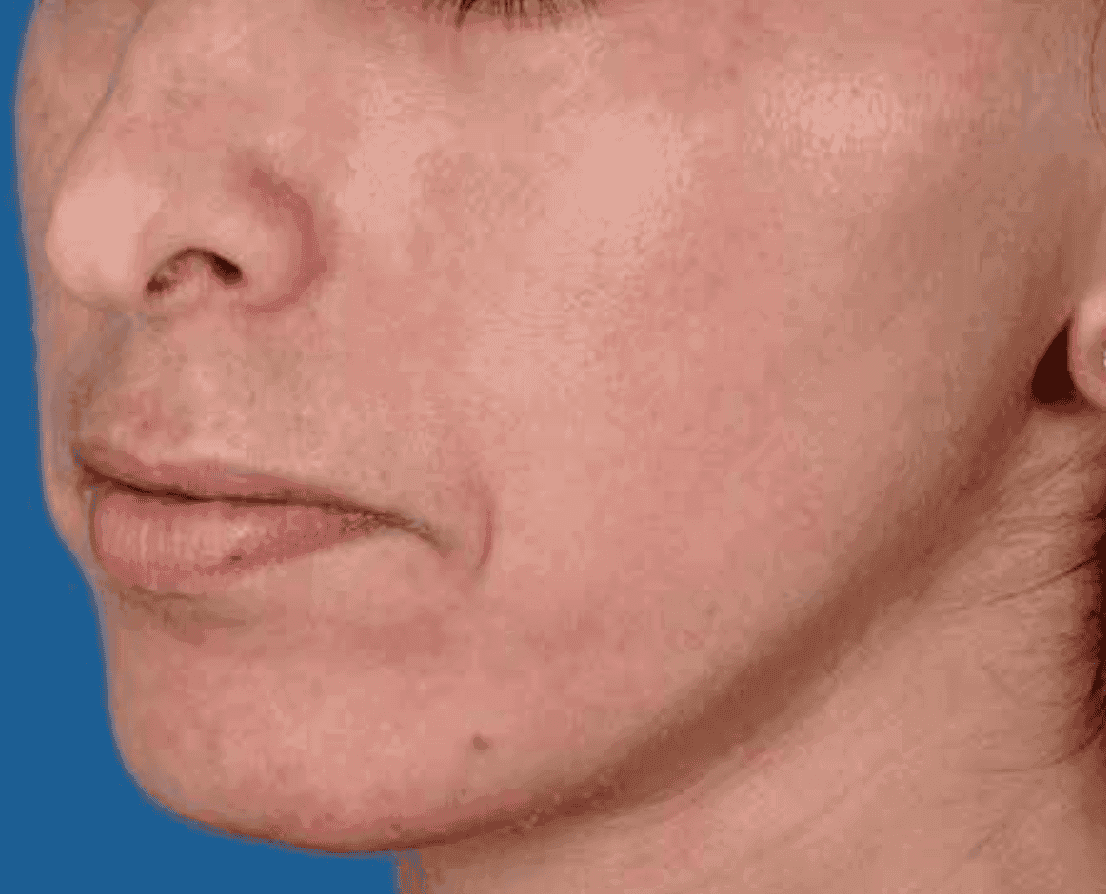
Pigmentation Before and After at Dr Joney De Souza

Real results from our Marylebone clinic, photographed under consistent lighting. Pigmentation responds at different speeds depending on its type and depth, so treat these as an honest illustration of what is achievable rather than a promise of your own outcome.

Before
After

PicoSure laser

Before
After

PicoSure laser

Before
After
Marina-before-after-face-treatment

MaxG IPL photorejuvenation

Before
After

Ultraclear Laser

6 weeks post 1 treatment

Before
After

ZO® Non-Hydroquinone Hyperpigmentation System

Compare Pigmentation Treatments

There is no single best treatment for pigmentation, because the right choice follows your pigmentation type, your skin tone and what you want to change. These are the four we reach for most often at Dr Joney De Souza Clinic. Your practitioner confirms the plan at consultation, never before it.
ComparePicoSure LaserPrecision pigment laserMaxG IPLBroad sun damage and rednessUltraClear LaserResurfacing and overall toneZO Peels and SkincareGentle, layered, melasma safe
PicoSure LaserMaxG IPLUltraClear LaserZO Peels and Skincare
Best forPicoSure Laser
Sun spots, age spots, freckles
MaxG IPL
Widespread sun damage across face, neck and chest
UltraClear Laser
Uneven tone, dullness, texture alongside pigment
ZO Peels and Skincare
Melasma, post-acne marks, prevention
Typical coursePicoSure Laser
1 to 3 sessions
MaxG IPL
A course of 4
UltraClear Laser
1 to 3 sessions
ZO Peels and Skincare
A course, then ongoing home care
DowntimePicoSure Laser
Minimal, spots darken then flake within about a week
MaxG IPL
Minimal, treated spots darken briefly
UltraClear Laser
Several days of redness and flaking
ZO Peels and Skincare
Mild flaking for a few days
Skin tonesPicoSure Laser
All tones, settings matched to your skin
MaxG IPL
Best suited to lighter tones
UltraClear Laser
Most tones, assessed individually
ZO Peels and Skincare
All tones, including deeper tones
Price fromPicoSure Laser
£420 face, smaller areas from £250
MaxG IPL
£350 face
UltraClear Laser
£850 face
ZO Peels and Skincare
£350 face
View PicoSureView MaxG IPLView UltraClearView ZO 3-Step Peel
PicoSure LaserPrecision pigment laser
PicoSure Laser
Best for
Sun spots, age spots, freckles
Typical course
1 to 3 sessions
Downtime
Minimal, spots darken then flake within about a week
Skin tones
All tones, settings matched to your skin
Price from
£420 face, smaller areas from £250
View PicoSure
MaxG IPLBroad sun damage and redness
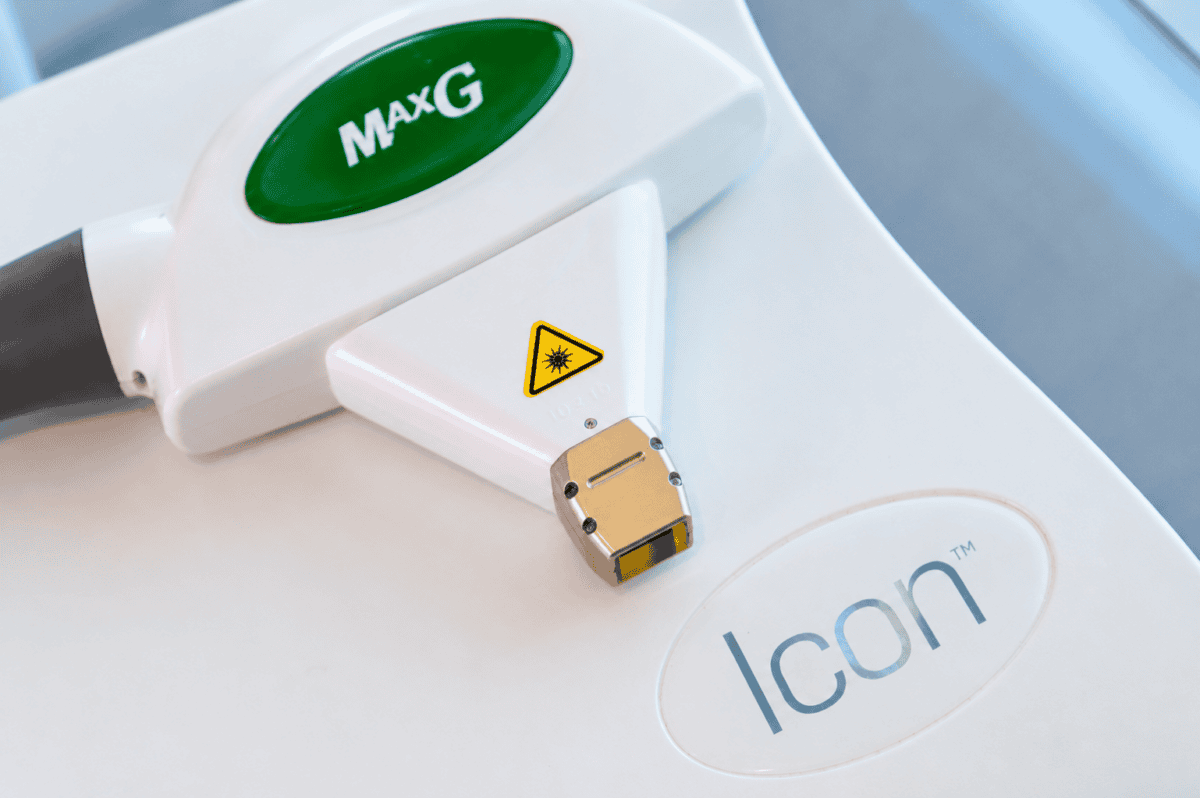
MaxG IPL
Best for
Widespread sun damage across face, neck and chest
Typical course
A course of 4
Downtime
Minimal, treated spots darken briefly
Skin tones
Best suited to lighter tones
Price from
£350 face
View MaxG IPL
UltraClear LaserResurfacing and overall tone
UltraClear Laser
Best for
Uneven tone, dullness, texture alongside pigment
Typical course
1 to 3 sessions
Downtime
Several days of redness and flaking
Skin tones
Most tones, assessed individually
Price from
£850 face
View UltraClear
ZO Peels and SkincareGentle, layered, melasma safe
ZO Peels and Skincare
Best for
Melasma, post-acne marks, prevention
Typical course
A course, then ongoing home care
Downtime
Mild flaking for a few days
Skin tones
All tones, including deeper tones
Price from
£350 face
View ZO 3-Step Peel

See the Treatments in Action

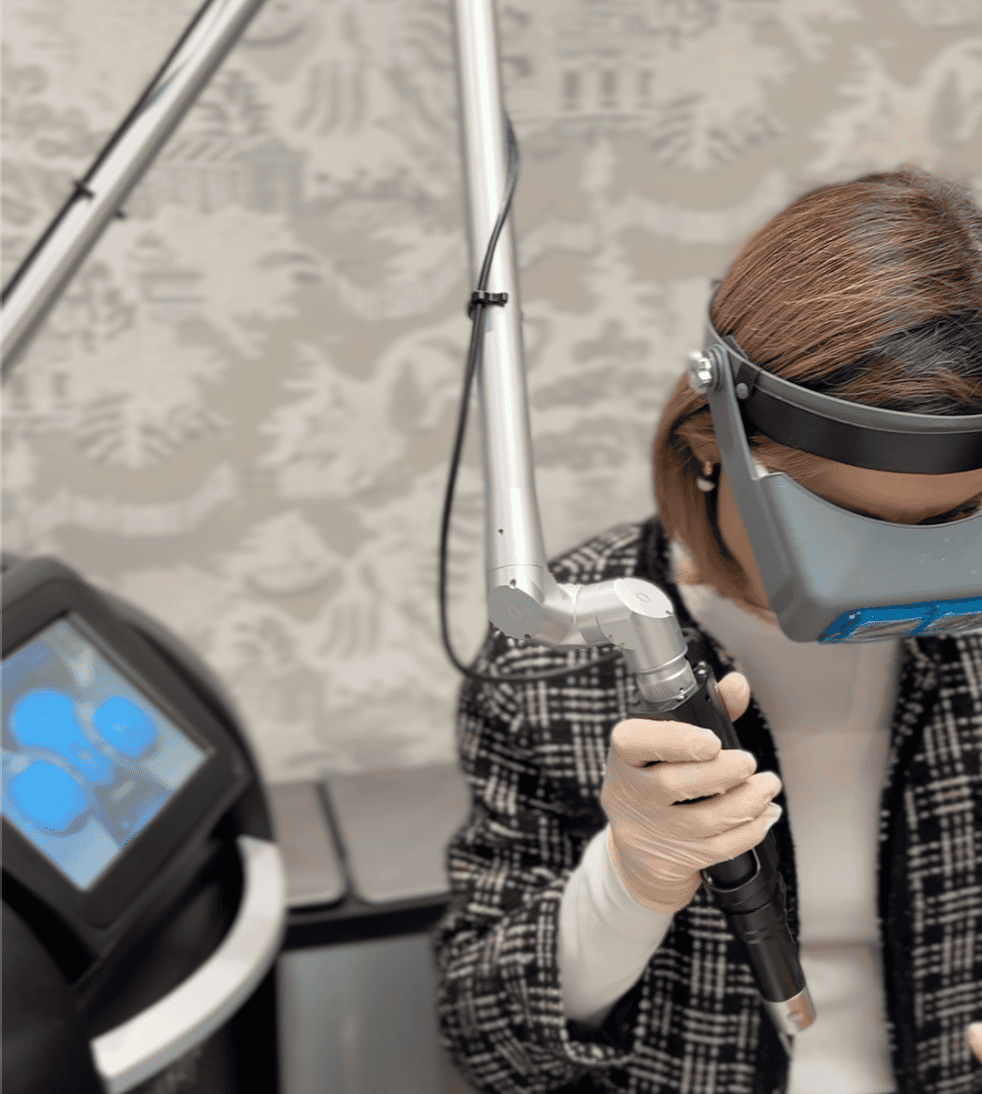
Short clips from the treatment room at our Marylebone clinic, from PicoSure and MaxG IPL to UltraClear and ZO.

The Treatments We Use for Pigmentation

No single device suits every type of pigmentation, so the clinic keeps four routes to clearer skin and matches them to what your skin actually shows. Around them sit the supporting players: Enerpeel chemical peels, SkinPen microneedling where texture sits under the pigment, and HydraFacial for brightening between treatments. Where overall skin quality needs attention, Dr Joney also performs injectable skin boosters, which improve hydration and radiance without acting on pigment directly.

How We Assess and Treat Your Pigmentation

Every plan at Dr Joney De Souza Clinic opens with a proper consultation, because naming the type of pigmentation you have is most of the work. Two marks that look similar in a bathroom mirror can need opposite treatments, and getting that wrong is the one thing that genuinely sets people back.

Your practitioner looks first at pattern and edge. Crisp borders and a scattered distribution suggest sun damage. Soft borders arranged symmetrically across the cheeks point towards melasma. We then consider depth, since pigment sitting in the upper layers behaves quite differently from pigment that has settled deeper, and depth is often what decides whether laser is the right tool at all. We assess your skin tone on the Fitzpatrick scale, which guides both device choice and settings, and we take a history that covers sun exposure, pregnancy, medication and any previous treatment.

Where laser or IPL is on the table, a patch test comes first. It confirms how your skin responds before anything is done at full strength, and for medium and deeper tones it is not negotiable.

“My ‘less is more’ approach has become the mainstay of my practice and clients appreciate that they will have natural looking results.”

Dr Joney De Souza, speaking to The Sybarite

That restraint matters more with pigmentation than with almost anything else we treat. The temptation is always to go harder and faster. With melasma in particular, going gently is what actually works.

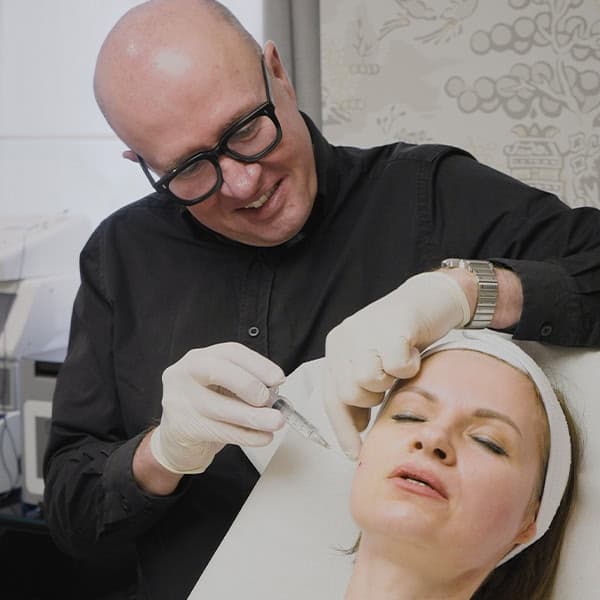
Here is what happens before, during and after treatment at our Marylebone clinic.

Before your treatment

You start with a consultation, where we identify the type of pigmentation you have, assess your skin tone and depth of pigment, and agree a plan. If laser or IPL is part of it, we carry out a patch test and leave it to settle before booking your first full session. You will be asked to avoid sun exposure and self tan in the two weeks beforehand, since treating recently tanned skin raises the risk of an uneven result. Where you are already using prescription actives, we may adjust them in the run up.

During your treatment

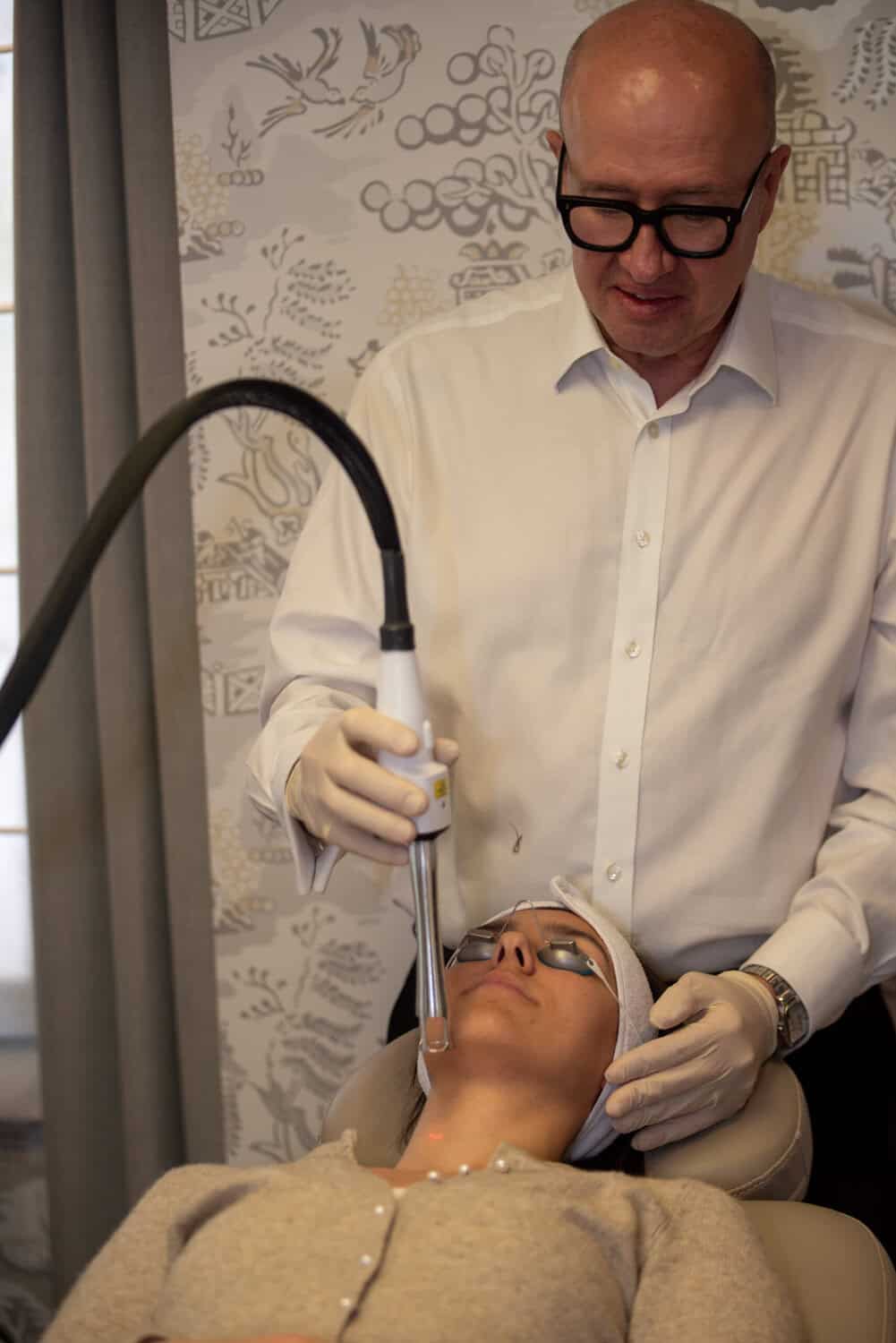
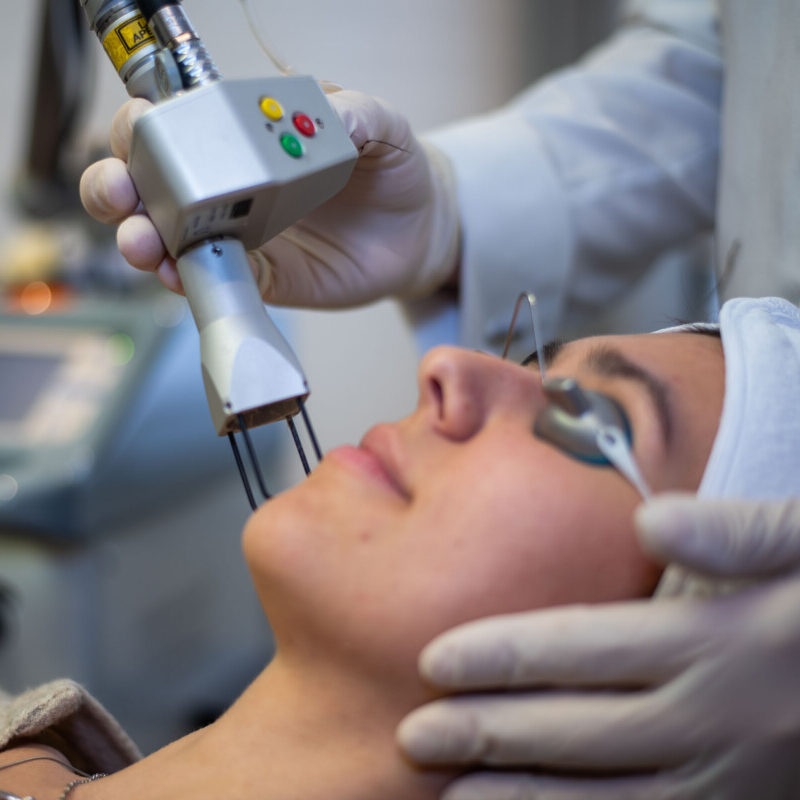
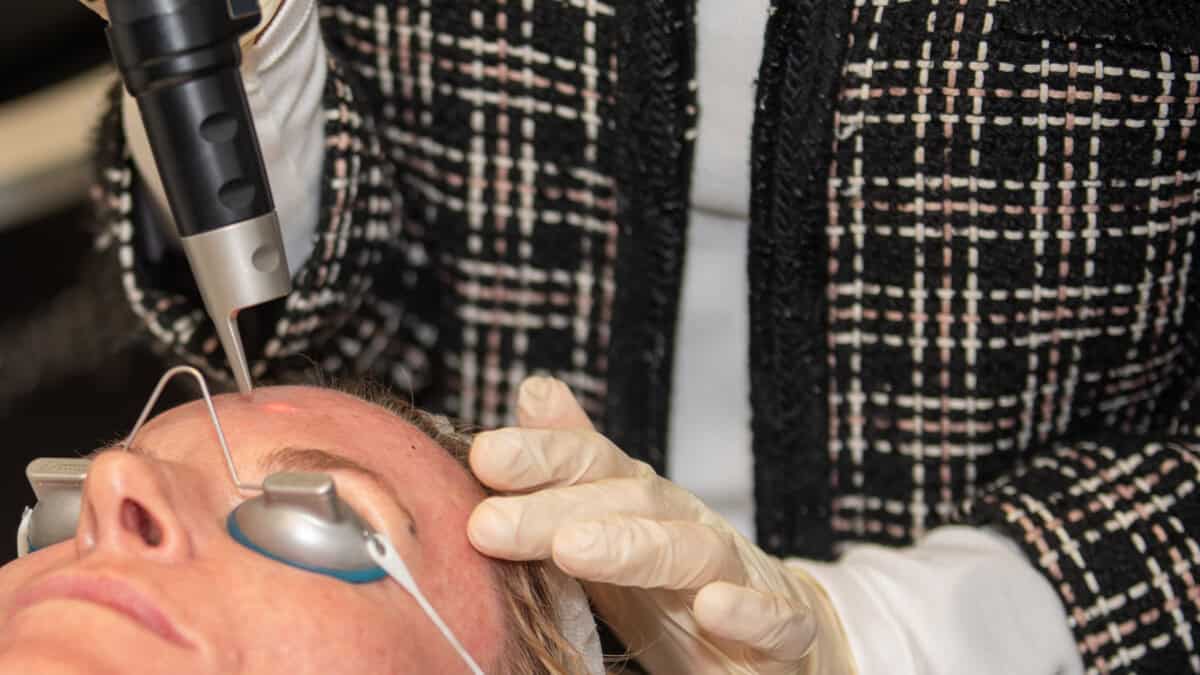
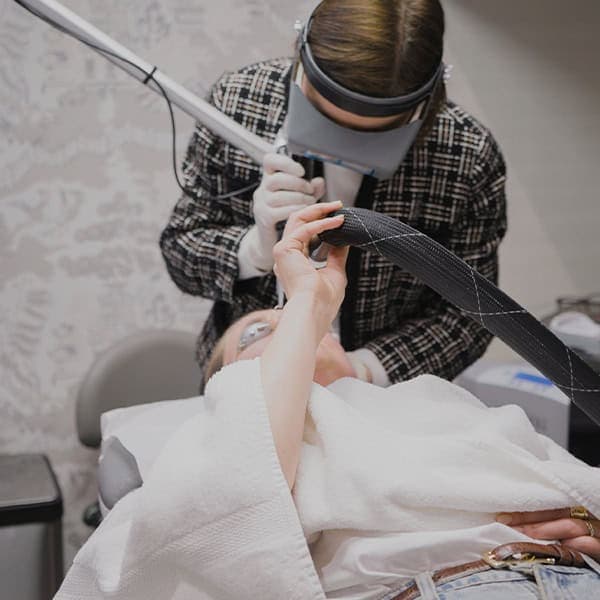
Most pigmentation sessions run between twenty and forty five minutes depending on the area. Laser and IPL feel like a quick warm snap against the skin, repeated across the treatment zone, and most people describe it as very manageable without anaesthetic. Peels bring a few minutes of tingling or warmth. Your practitioner protects your eyes throughout and talks you through each pass, so nothing arrives as a surprise.

After your treatment

Treated sun spots usually darken over the following days, which is the sign it has worked, then flake away within a week or two. Expect mild redness for a few hours and possibly a little swelling. You can wear makeup the next day in most cases. Daily broad spectrum SPF becomes non negotiable from this point, because unprotected skin will simply lay down fresh pigment over the work you have just done. Your practitioner gives you written aftercare and books your review.

Can You Treat Pigmentation at Home?

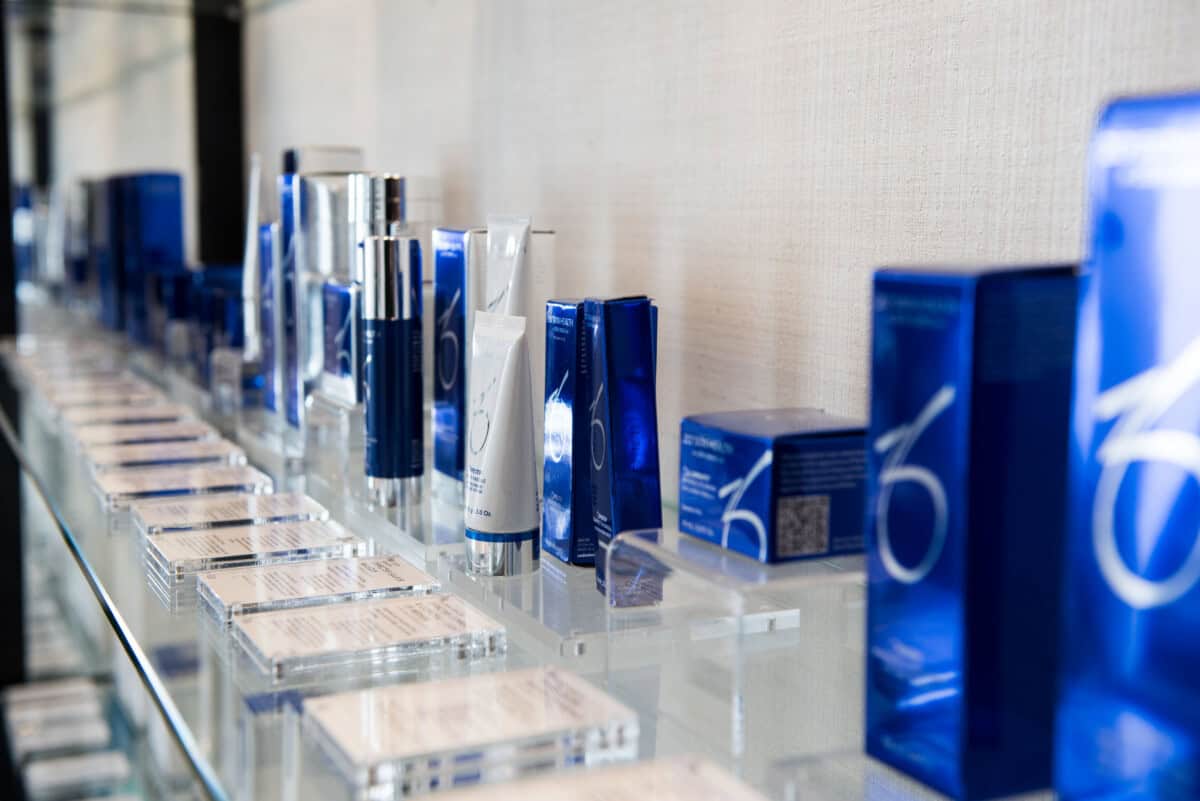
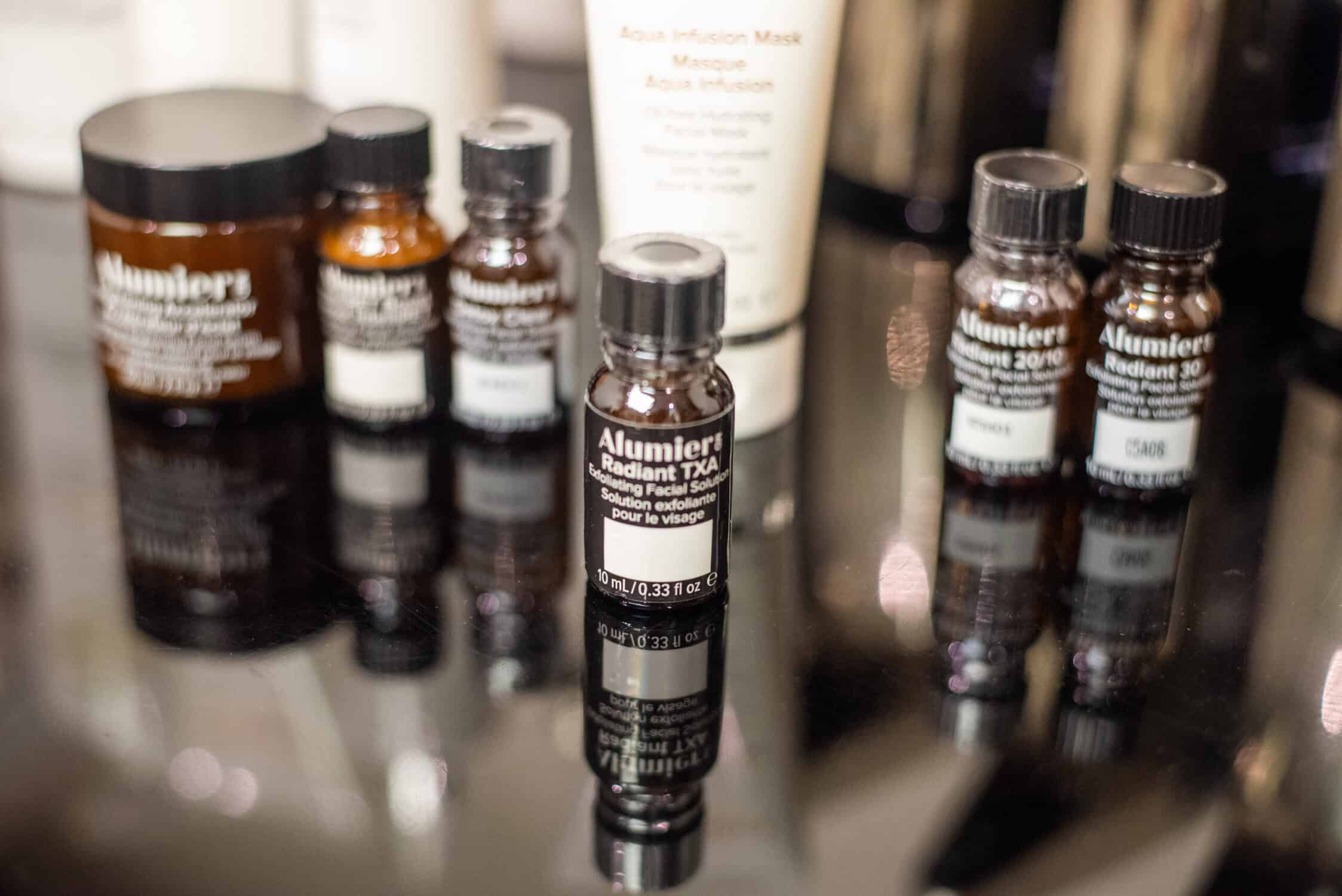
A good deal, and it is worth doing well. Early and superficial pigmentation often lifts with steady use of vitamin C, niacinamide, a retinoid and the prescription strength brightening agents that sit well above anything on a high street shelf. Layer a broad spectrum SPF over the top each morning and you stop fresh pigment forming while the older marks fade. That is exactly the sort of routine our team builds around your skin with ZO Skin Health prescription skincare, and for melasma it is the foundation rather than an add on.

Where home care runs out of road is with anything established or deep. Set sun spots, true melasma and stubborn post-acne marks rarely shift with over the counter products, and melasma in particular can flare if it is attacked with harsh scrubs or strong acids. The fastest and safest route pairs a considered in clinic treatment with a home routine that protects it.

What treatment will not do. We would rather say this plainly. Pigmentation treatment does not stop new pigment forming, so without daily sun protection the marks will return. Melasma is managed rather than resolved, and it can come back with a strong summer or a change in medication. Results vary between people and between pigmentation types, and deeper pigment improves more slowly than surface pigment. If any mark is changing shape, growing, itching or bleeding, that is not a job for skincare or laser at all, and you should see your GP or a dermatologist first. For everything else, this is one of the most rewarding concerns we treat.

You may also want to read about related concerns we see alongside pigmentation, including age spots and sun damage, dull skin and sallow skin.

Pigmentation Questions, Answered

These are the questions our Marylebone team hears most often, from what pigmentation is to what treatment involves and costs. If yours is not here, message us on WhatsApp and a practitioner will answer properly.

Related reading: treating post-inflammatory hyperpigmentation.

What is the difference between pigmentation and hyperpigmentation?

In everyday use they mean the same thing. Pigmentation simply describes colour in the skin, while hyperpigmentation is the medical term for too much of it in one place. When someone says they have pigmentation, they almost always mean hyperpigmentation, whether that is a sun spot, melasma or a mark left by acne.

How do I know whether I have melasma or age spots?

Look at the edges and the symmetry. Age spots and sun spots are small, well defined and scattered, and they sit where the sun lands most. Melasma forms larger patches with soft, blurred borders, usually arranged symmetrically across both cheeks, the forehead or the upper lip. Telling them apart genuinely matters, because laser clears one and can aggravate the other.

Does laser pigmentation removal actually work?

Yes, and reliably, for the right type. PicoSure breaks excess pigment into fragments the body clears, which suits sun spots, age spots and freckles very well. Melasma is the deliberate exception. Because heat can provoke it, we generally keep melasma away from laser and treat it with skincare and gentle peels instead.

What is the best treatment for melasma?

Restraint, essentially. Melasma flares when it is treated aggressively, so we layer ZO Skin Health prescription skincare, careful peels and strict daily sun protection rather than reaching for a laser. Steady control produces a better long term result than a risky attempt at quick clearance.

Is pigmentation treatment safe for darker skin tones?

Yes, with the right device and the right settings. PicoSure can be configured appropriately for medium and deeper tones, and carefully chosen peels are well tolerated. A patch test always comes first. The British Association of Dermatologists publishes useful background on caring for skin across all tones.

How many sessions will I need?

It depends on the type and how established it is. A few discrete sun spots may clear in one to three laser sessions. MaxG IPL is usually a course of four. Melasma and widespread pigmentation are worked over a longer course and then maintained. You will be given a realistic number at your consultation rather than a guess over the phone.

How long does it take to see results?

After laser, surface sun spots darken for a few days and then flake away within a week or two, with tone continuing to even out over the following month. IPL follows a similar pattern across a course. Peels brighten progressively. Melasma and deeper pigment improve more slowly and are measured over months rather than weeks. Your practitioner sets a realistic timeline for your type at consultation.

What is the downtime?

Minimal for laser and IPL. Expect redness for a few hours, then treated spots darken and flake over roughly a week, and most people return to normal activity immediately and wear makeup the next day. Peels bring mild flaking for a few days. UltraClear resurfacing asks for several days of redness and peeling.

Can pigmentation come back after treatment?

It can, particularly melasma and particularly where skin goes unprotected. Sun spots and freckles often stay clear once the pigment has been broken down and carried away, provided you protect the area. Daily broad spectrum SPF, brightening skincare and an occasional maintenance session are what keep results in place. Think of it as upkeep rather than a one off fix.

Can I have pigmentation treatment in summer?

You can, though it needs more discipline. Recently tanned skin should not be treated, and strong sun straight after treatment risks an uneven result and fresh pigment. Many people prefer autumn and winter for a laser or IPL course for that reason. If you are treating through summer, rigorous sun protection and avoiding direct exposure around your sessions are essential.

How much does pigmentation treatment cost in London?

It depends on the treatment and the area. PicoSure starts from £250 for a small area such as the eye or mouth region, with the full face at £420 and course rates bringing the per session cost down. MaxG IPL starts from £350 for the face, and the ZO 3-Step Peel from £350. Prescription skincare plans are quoted once we have seen your skin. Our full price list has the detail.

Where in London can I have pigmentation treatment?

Dr Joney De Souza Clinic is at 49 Blandford Street in Marylebone, a short walk from Baker Street and Bond Street and moments from Harley Street. We look after patients from across central and north London for pigmentation, hyperpigmentation and melasma. Get in touch to arrange a consultation.

4.9 ★★★★★

Pigmentation reviews

Verified Google reviews from patients treated for pigmentation and sun damage at Dr Joney De Souza Clinic in Marylebone.

Roma has tailored my treatments to fit in with my skin and pays a lot of attention to make sure you get the best possible results. So talented, knowledgeable and kind. I have had such amazing results with her for my facial pigmentation and my skin looks so much brighter and more even.

Verified Google Review
View on Google

I had the BEST experience with my PicoSure treatments with Roma! I couldn’t be happier with the results. Roma was very thorough and attentive. I felt like I could fully trust her. I had three PicoSure sessions and my skin has been transformed.

Verified Google Review
View on Google

I have been getting the Picosure laser facial and it has completely changed my skin! My acne scars have faded, texture is gone and my skin is glowing! Roma performs the treatment and she is so knowledgeable and kind, I highly recommend this clinic!

Verified Google Review
View on Google

How can you find us?

Our clinic is in Marylebone, London, in one of Central London’s most renowned medical districts. The location offers convenience and discretion. We are easily accessible from across the capital and beyond.

We welcome patients from Mayfair, Harley Street and Marylebone. Many also visit from Knightsbridge, Belgravia, Chelsea, Kensington, Fitzrovia and St John’s Wood. International patients visit London for specialist treatment too.

Our location benefits from excellent transport connections, with close proximity to major Underground stations, mainline rail links and direct access to Heathrow, Gatwick and London City airports. Several secure parking facilities and convenient chauffeur drop-off points are available nearby, ensuring a seamless and comfortable visit.

Whether you are travelling from elsewhere in London, across the UK or internationally, our clinic offers a calm, private and exclusive setting in one of the world’s leading medical destinations.

Opening hours
Monday
9 am to 6 pm
Tuesday
9 am to 6 pm
Wednesday
9 am to 6 pm
Thursday
9 am to 6 pm
Friday
9 am to 6 pm
Saturday
Closed
Sunday
Closed
Dr Joney De Souza
49 Blandford St, London W1U 7HH
Get directions
Whatsapp