A clinical guide to Skinvive vs Profhilo, explaining two injectable approaches to skin hydration, elasticity and long-term skin quality.
3rd January 2025
In recent years, injectable treatments designed to improve skin quality rather than facial volume have become increasingly prominent. Often referred to as skin boosters, these treatments reflect a broader shift in aesthetic medicine; away from structural change and towards improving how the skin looks, feels and functions over time.
Two names frequently discussed in this category are Skinvive and Profhilo. While they are sometimes grouped together, they work in different ways and are suited to different skin concerns.
At the Dr Joney De Souza clinic in Marylebone, skin boosters are seen as part of a wider, considered strategy. Rather than viewing Skinvive and Profhilo as interchangeable, the clinic focuses on understanding how each treatment behaves within the skin, and which approach is most appropriate for an individual patient.
Injectable skin boosters are treatments designed to improve hydration, elasticity and texture without adding volume or altering facial shape. Unlike dermal fillers, their purpose is not to contour or lift, but to support overall skin quality.
They are often considered by patients who feel their skin looks dull, dehydrated or less resilient, even when volume loss is not a primary concern. Results tend to be subtle and cumulative, developing gradually rather than immediately.
At the Dr Joney De Souza clinic, skin boosters are discussed in the context of long-term skin health, rather than as quick aesthetic fixes.
Let’s start by taking a look at Skinvive and Profhilo skin booster treatments in more detail.
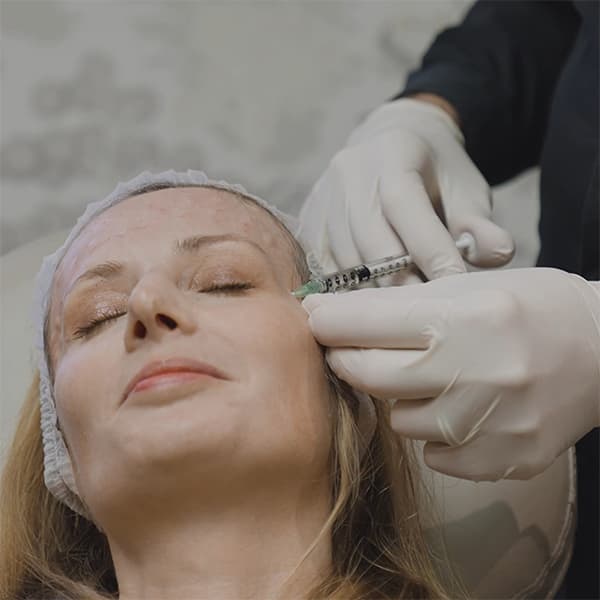
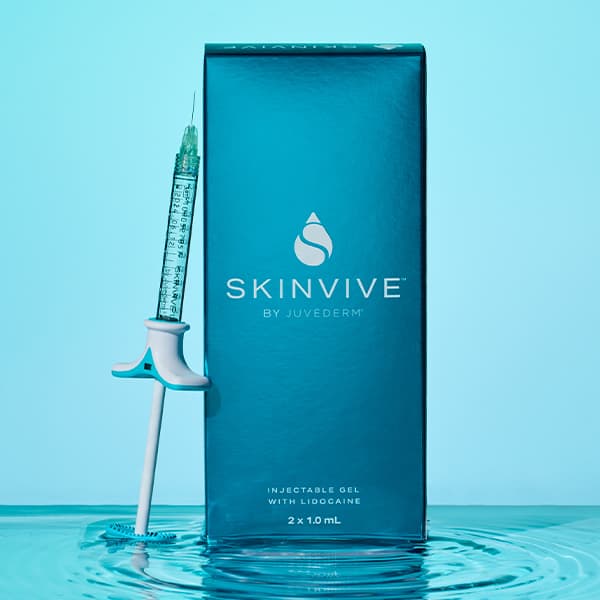
Skinvive is an injectable hyaluronic acid treatment designed to improve skin smoothness and hydration, particularly at the surface level. It works by dispersing microdroplets of hyaluronic acid within the skin, helping to enhance hydration and light reflection.
Because of its formulation and placement, Skinvive is often associated with improvements in:
Skin smoothness
Subtle luminosity
Overall skin texture
At the clinic, Skinvive may be discussed for patients who are primarily concerned with surface quality and radiance, rather than deeper structural or textural change.


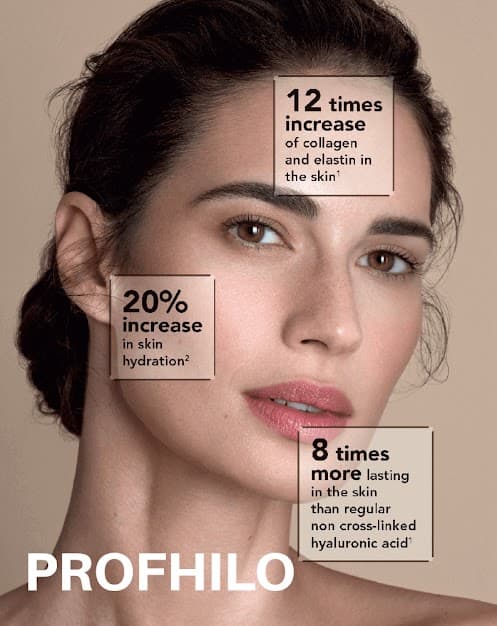
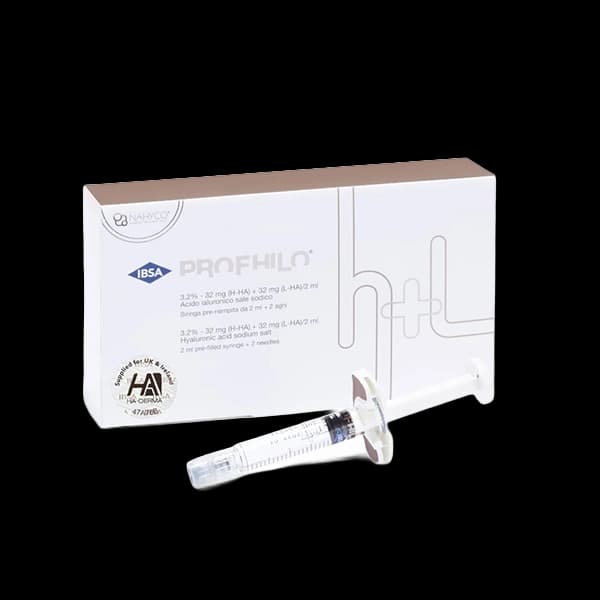
Profhilo is also a hyaluronic acid-based injectable, but compared to Skinvive it behaves differently within the skin. Rather than focusing on surface hydration alone, it spreads more widely and is designed to stimulate skin remodelling and improve elasticity.
Profhilo is often considered for patients experiencing:
Loss of skin firmness
Reduced elasticity
Crepey or lax skin texture
Rather than creating volume, Profhilo supports the skin’s underlying structure, encouraging a gradual improvement in skin quality over time.
Although both treatments sit within the skin booster category, their mechanisms and clinical uses differ.
Skinvive is typically focused on surface hydration and smoothness
Profhilo is more often used to improve elasticity and overall skin quality
At the Dr Joney De Souza clinic in Marylebone, these differences guide treatment selection. Some patients may be better suited to one approach, while others may benefit from combining injectable hydration with other treatments such as lasers or energy-based devices.
TV presenter Cat Deeley recently spoke openly about her approach to aesthetic treatments in Good Housekeeping, describing how she prioritises natural looking results that support skin quality and confidence. In the article, Cat highlights the benefits of having skin booster treatments with Dr Joney De Souza as part of her routine for maintaining hydration and a fresh-looking complexion.
“I want something that I can go in, do and know it’s going to keep on delivering.”



Rather than asking which treatment is ‘better’, the Dr Joney De Souza clinic’s approach centres on suitability.
Skinvive may be considered when the primary concern is:
Dull or uneven skin texture
Dehydration affecting skin appearance
Desire for subtle glow without downtime
Profhilo may be discussed when concerns include:
Skin laxity or loss of firmness
Thinning or crepey skin
Early structural changes without volume loss
In some cases, neither treatment may be appropriate immediately, and preparatory steps such as improving barrier function or addressing inflammation may be recommended first.
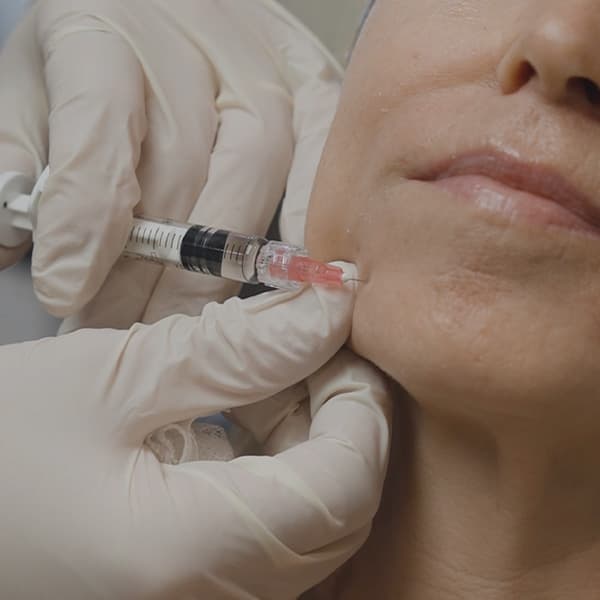
Injectable skin boosters are rarely used in isolation at the clinic. Instead, they are integrated into a broader plan that may include:
Medical-grade skincare
Laser treatments for pigment or texture
Energy-based treatments for collagen stimulation
This layered approach allows improvements in hydration, texture and firmness to develop gradually and harmoniously.
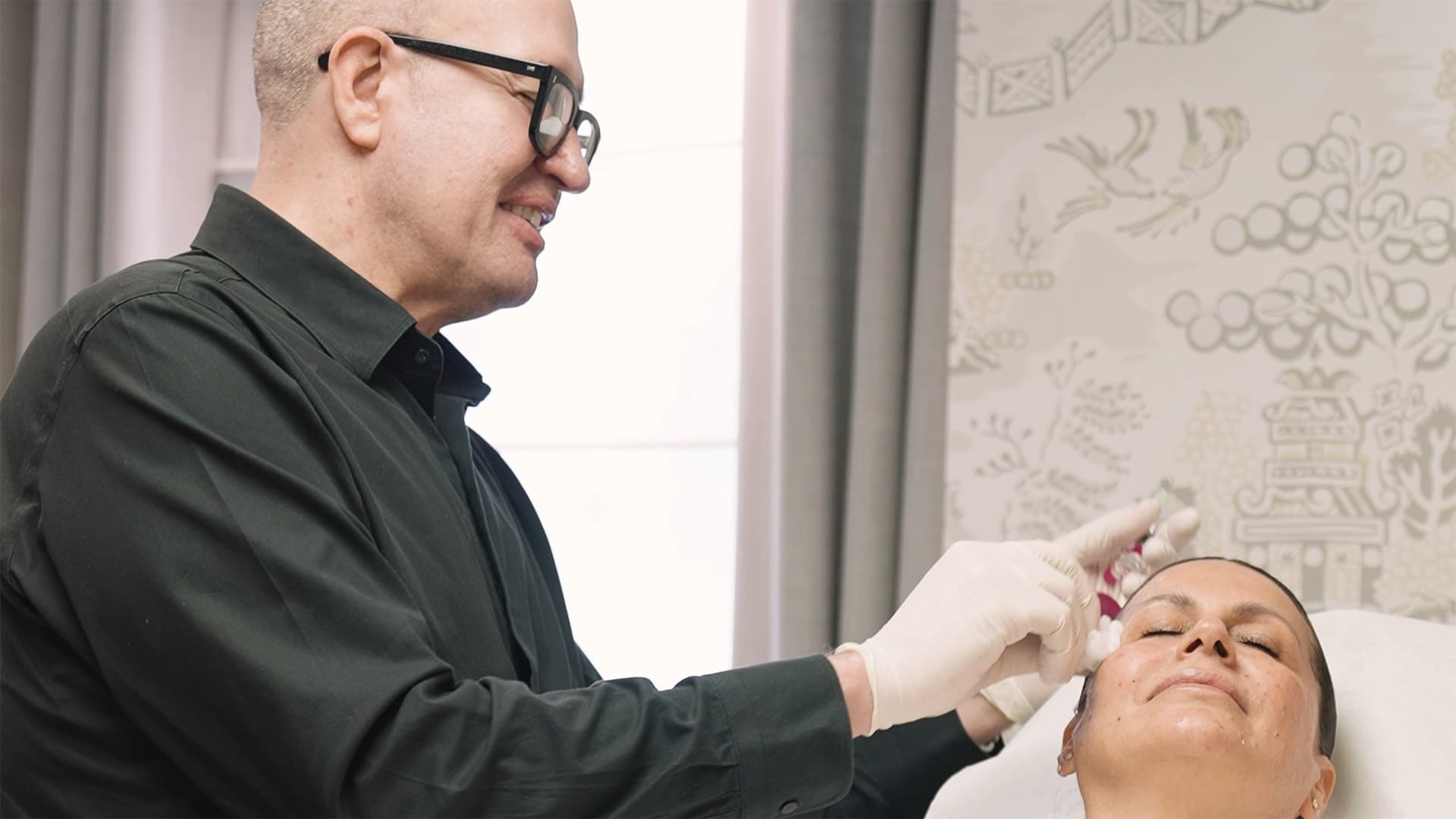
Despite their reputation as gentle treatments, skin boosters still require careful assessment. Factors such as skin thickness, lifestyle, previous treatments, and overall skin health all influence outcomes.
At the Dr Joney De Souza clinic, consultations with a skin and laser expert are used to determine:
Whether injectable hydration is appropriate
Which treatment aligns with the patient’s skin concerns
How treatments should be timed and combined
This ensures that results remain natural and in keeping with long-term skin health goals.

Skinvive and Profhilo represent two distinct approaches to improving skin quality. Understanding how they differ (and when each is appropriate) is key to achieving natural, balanced results.
At Dr Joney De Souza’s clinic in Marylebone, injectable skin hydration is approached thoughtfully, with an emphasis on assessment, suitability and long-term skin health rather than trends or quick fixes.
Clinical assessment allows the team to:
– Identify underlying causes rather than surface symptoms
– Select appropriate treatment intensity and timing
– Avoid unnecessary or poorly timed intervention
– Align treatment plans with long-term skin health goals
This approach helps ensure that outcomes remain subtle, natural and sustainable.
Neither treatment is intended to add volume or alter facial shape. Their role is to support skin quality rather than structure.
Results vary depending on the treatment used and individual skin factors. Improvements are typically gradual and may be maintained with periodic treatments as advised by the clinical team.
Skin boosters can be suitable for many skin types, but not all. Consultation is essential to assess suitability and timing.
Yes. Skin boosters are often combined with laser or energy-based treatments as part of a broader skin health strategy, depending on individual needs.
Our patients return to us year after year for natural, balanced results. Every review reflects our commitment to precision, safety and a personalised approach to aesthetic care.
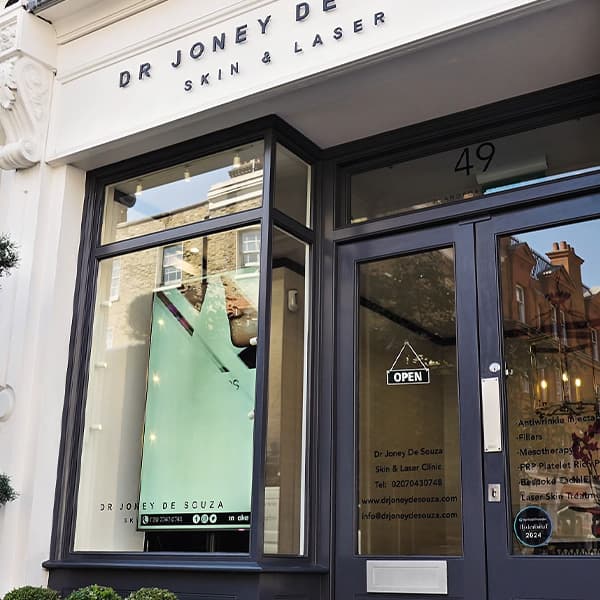
Based at 49 Blandford Street in Marylebone, the Dr Joney De Souza Skin & Laser Clinic is known for its refined, personalised approach to aesthetic medicine and skin health. The clinic offers a carefully curated range of advanced treatments, including Skinvive by Juvéderm, designed to improve skin quality, hydration and radiance while preserving natural facial expression.
Every aesthetic treatment at the clinic is approached with the same attention to detail and clinical integrity, focusing on long-term skin health rather than short-term cosmetic change. Through thorough consultation and tailored treatment planning, patients are guided towards subtle, effective solutions that support healthy, luminous skin over time.