Ultherapy vs laser skin tightening. How ultrasound & laser treatments differ? Learn more in this guide from the team at Dr Joney De Souza.
Written by the team at Dr Joney De Souza Skin & Laser Clinic, 13th February 2026
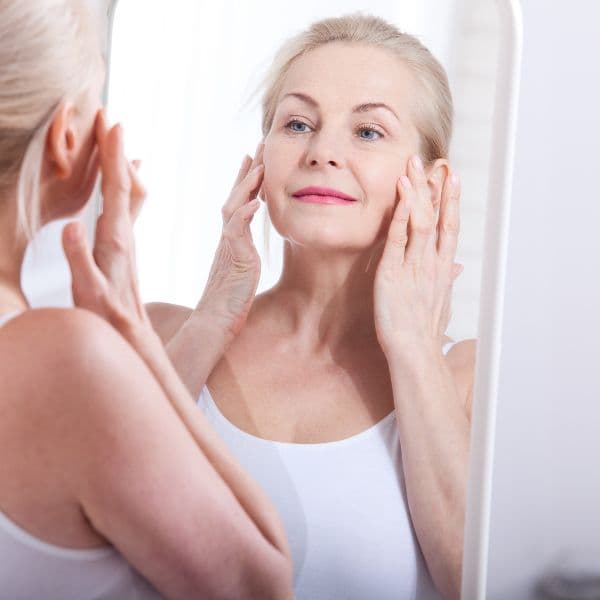
Skin laxity is a common concern as the face and neck age. For many patients, the goal is not dramatic lifting, but gradual firming, improved definition, and better skin quality over time. Non-surgical skin tightening treatments are often explored at this stage, particularly by patients who are not ready for surgery or who wish to maintain results following previous procedures.
Two of the most frequently discussed approaches are ultrasound-based tightening, such as Ultherapy, and laser-based treatments designed to stimulate collagen. While both are used to support firmer skin, they work in fundamentally different ways and target different layers of the face.
At Dr Joney De Souza’s clinic in Marylebone, these technologies are not viewed as competing options, but as tools that may be selected or combined depending on skin structure, ageing pattern, and patient expectations. Understanding how each approach works is an important first step in determining where you feel you are suitable for such a treatment. If you are looking for treatments to improve skin concerns, such as pigmentation or sun damage take a look at our various treatments and articles on Picosure.
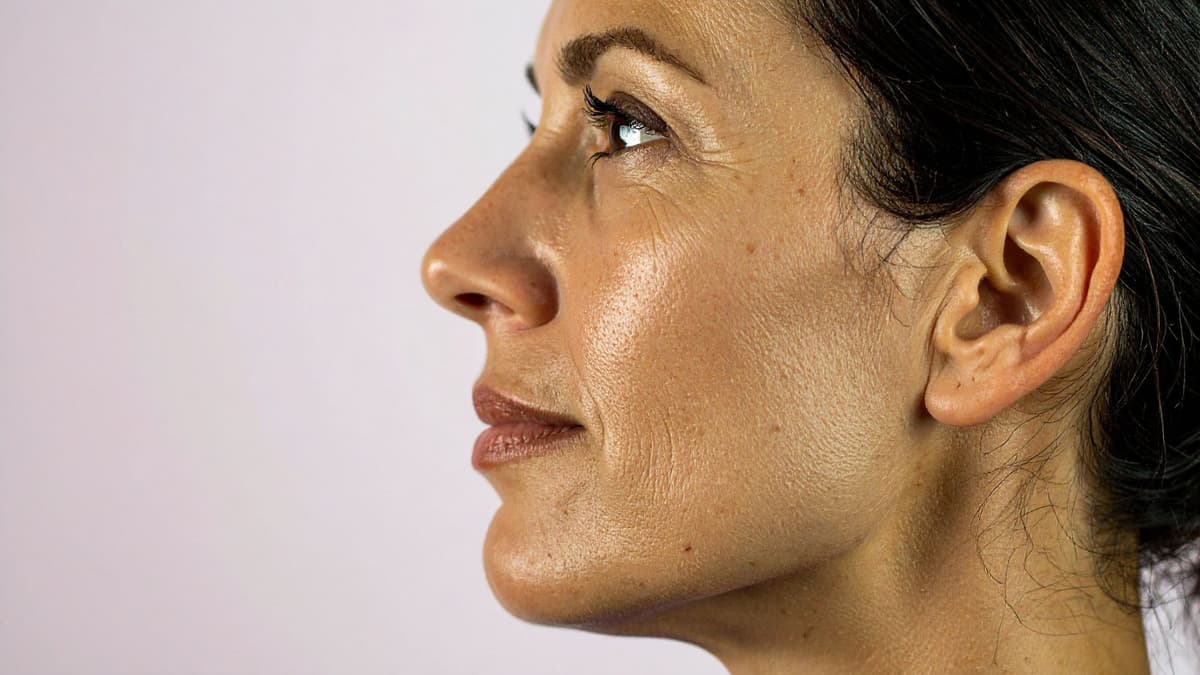
Skin firmness is influenced by several factors, including collagen density, elastin quality, fat pad support, and the underlying connective tissue framework of the face. With age, collagen production slows, existing collagen becomes fragmented, and the structural layers beneath the skin gradually weaken.
Importantly, laxity does not occur at a single depth. Some patients experience loosening at deeper structural levels, while others notice surface crepiness, textural change, or loss of elasticity within the skin itself. This distinction helps explain why different technologies exist and why outcomes vary between individuals.
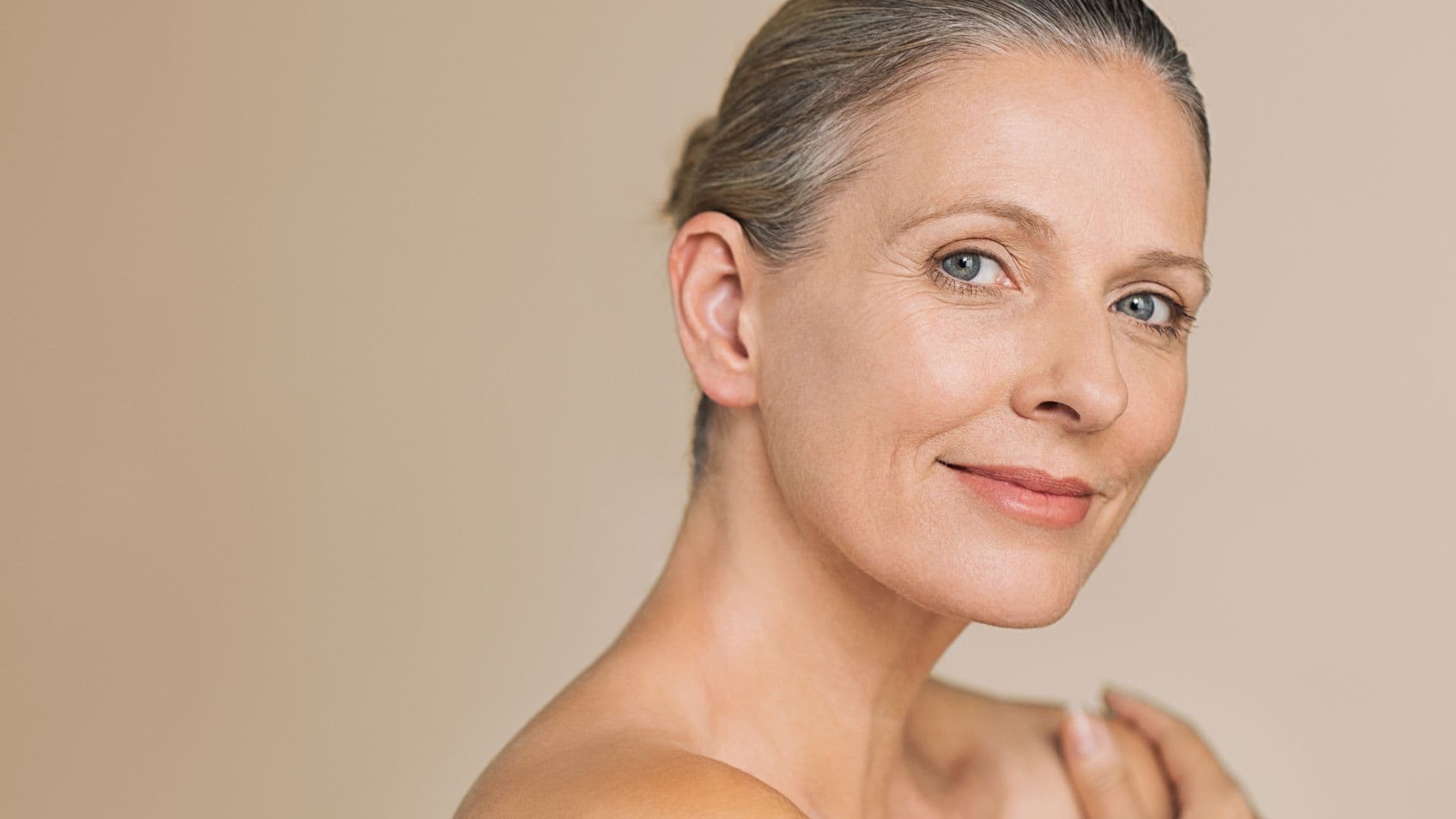
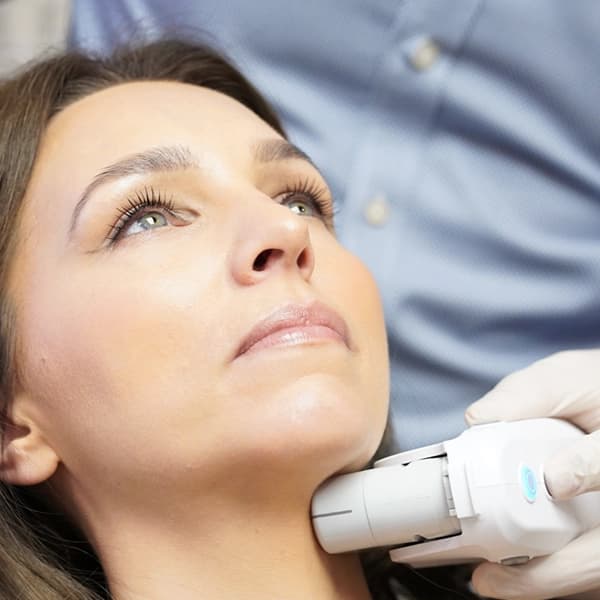
Ultherapy is a non-surgical skin tightening treatment that uses focused ultrasound energy to target deep within the skin layers. Unlike lasers, which pass through the surface of the skin, ultrasound can be precisely delivered to the dermis layer of the skin and the superficial musculoaponeurotic system (SMAS) without disrupting the top layers of your skin. By delivering focused thermal points at controlled depths, Ultherapy aims to stimulate a wound-healing response, encouraging gradual collagen regeneration which improves the skin quality over time.
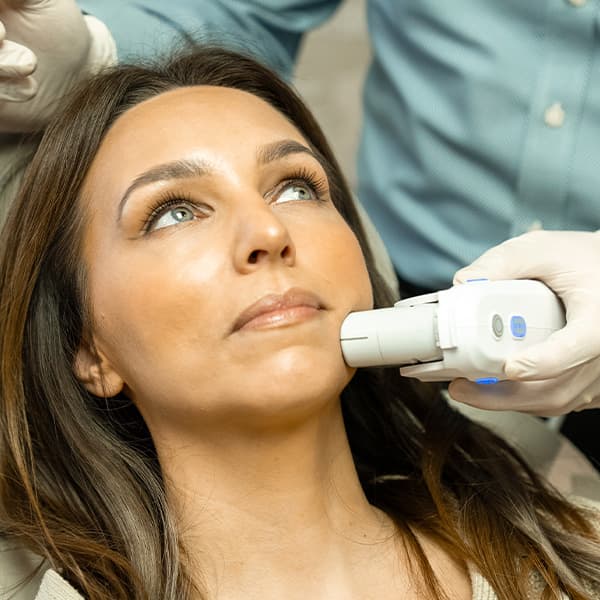
Results from Ultherapy develop slowly. Changes typically emerge over several months as new collagen forms. Patients may notice subtle lifting, improved jawline definition, or increased firmness in areas such as the lower face, neck, or brow.
Ultherapy does not alter skin texture or pigmentation and is not intended to improve surface-level concerns such as pores or fine lines. If you are looking for suitable treatments for these conditions, PicoSure and UltraClear are our favourite treatment for these concerns.
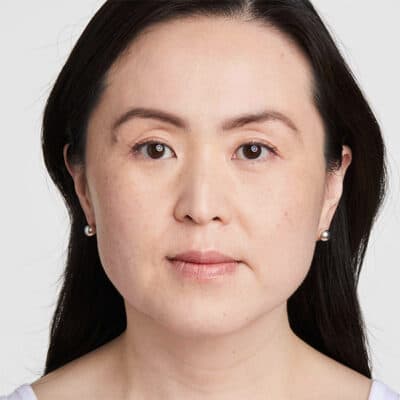
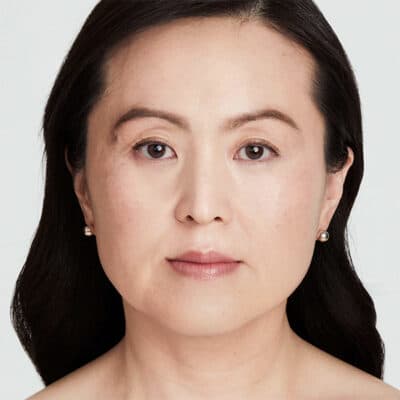
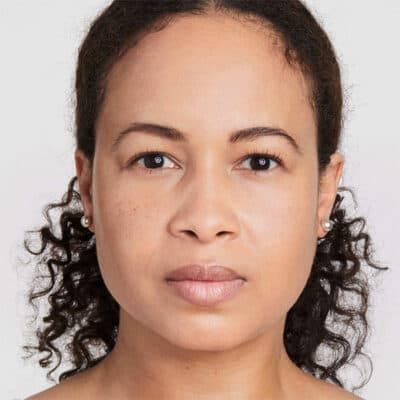

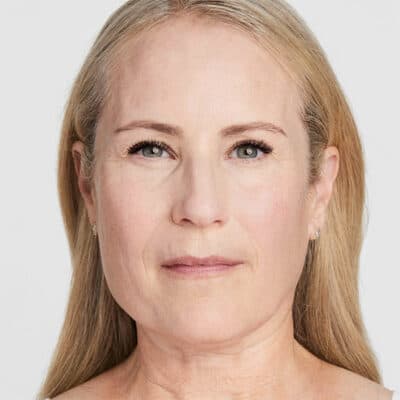
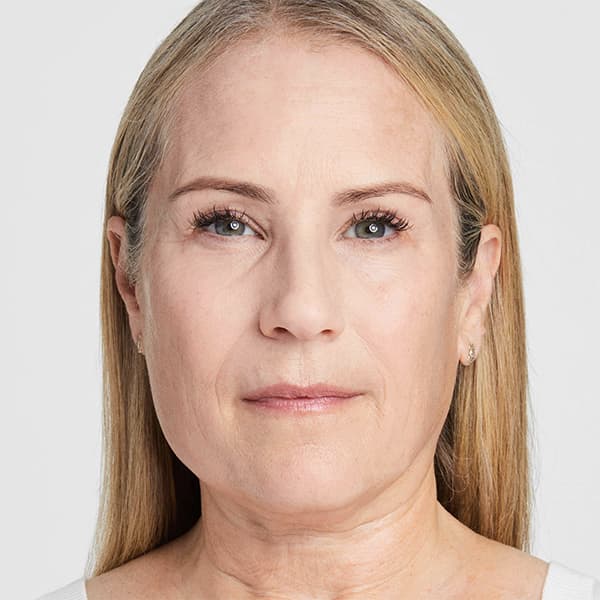
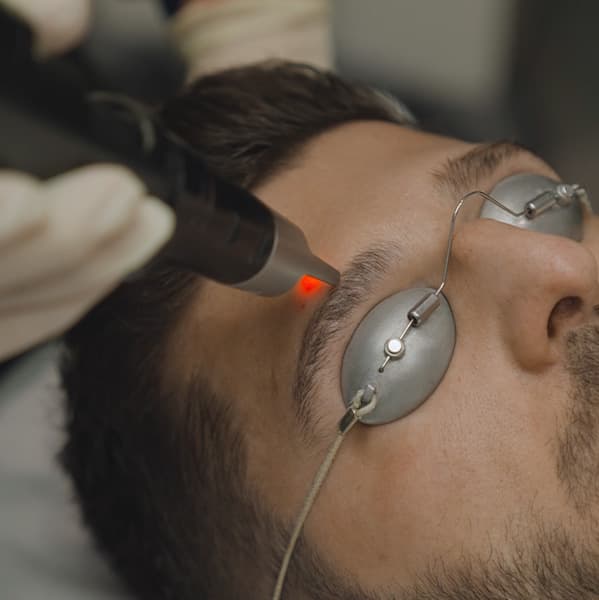
Laser skin tightening relies on controlled heat delivery to the skin to stimulate collagen production. Different lasers operate at varying wavelengths and depths, which influences their clinical role.
At Dr Joney De Souza’s clinic, laser technologies such as PicoSure and Erbium YAG are used in carefully selected contexts to support skin quality and collagen health.
Laser energy is absorbed by water or pigment within the skin, generating heat that triggers collagen remodelling. This process can help improve elasticity, texture, and overall skin quality. Some lasers work superficially, while others reach deeper into the dermis layer of the skin structure. However, lasers do not access the deeper structural layers targeted by ultrasound-based treatments.
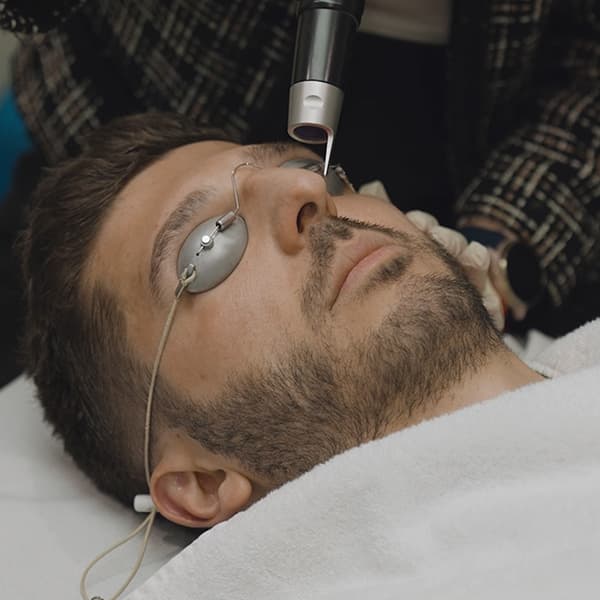
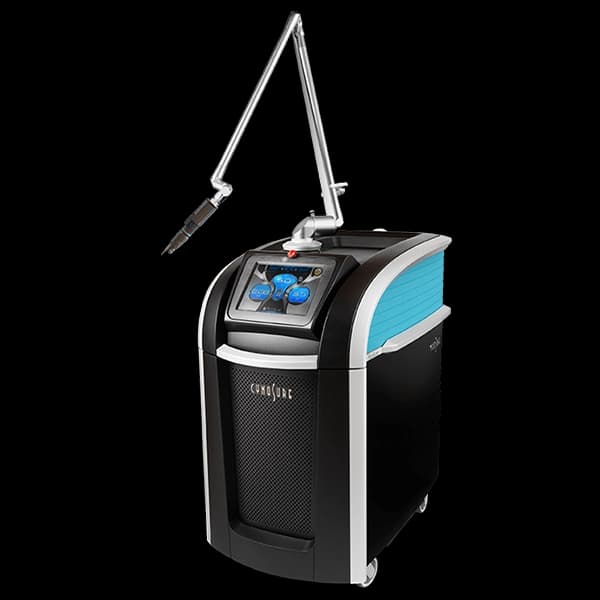
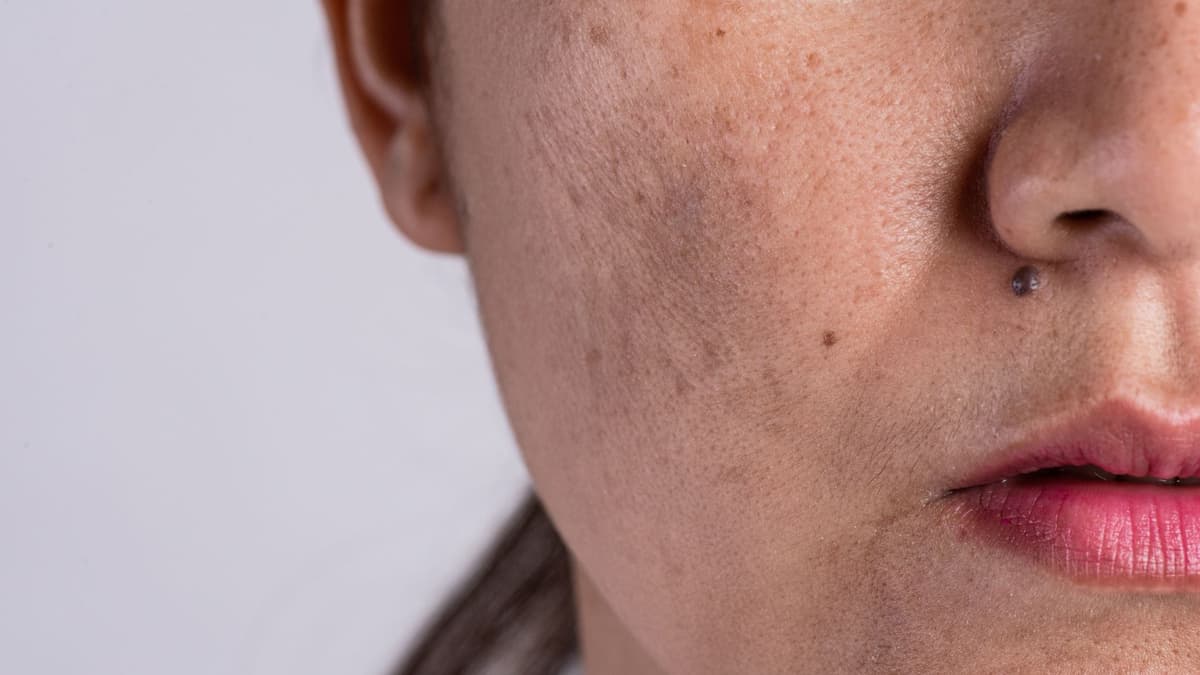
Unlike Ultherapy, lasers may also address concerns such as uneven texture, fine lines, pigmentation irregularities, or dullness. For some patients, these visible surface improvements are as important as tightening itself.
One of the most important distinctions between Ultherapy and laser tightening is where they work in the structure of the skin. Ultherapy targets deeper support structures, making it more relevant for patients with mild to moderate skin laxity related to structural age-related decline.
Laser treatments are more suitable for patients whose concerns relate to skin quality, elasticity, and early textural change rather than deeper sagging. Neither approach is appropriate for all forms of skin laxity. The decision is influenced by anatomy, age, skin thickness, and individual ageing patterns. This is why its crucial for you to have a thorough consultation when discussing these kinds of treatment, our team will conduct a complete assessment to understand which treatment is best suited to your goals and skin condition.
| Ultherapy | Laser Skin Tightening |
|---|---|
| Suitable for patients with early to moderate laxity of the lower face, jawline, or neck | Suitable for patients concerned about fine lines, texture, or skin elasticity |
| Focuses on improving firmness without altering facial volume | Addresses early laxity combined with surface-level skin changes |
| Ideal for those who prefer a single-session treatment | Often suited to patients open to a course of treatments, depending on the device |
| Results develop gradually and are subtle rather than transformative | Improves overall skin quality alongside firmness |
In both cases, outcomes depend on baseline skin quality and collagen reserves. These treatments support the skin’s biology rather than overriding it.
In many cases, ultrasound and laser treatments are not alternatives but complements. Addressing different layers of ageing can lead to more balanced, natural-looking outcomes when done thoughtfully.
For example, Ultherapy may be used to support deeper tissue firmness, while laser treatments focus on improving skin texture and elasticity. Combining technologies requires careful planning, appropriate spacing between treatments, and a clear understanding of cumulative thermal effects.
At the clinic, combination approaches are only recommended following detailed assessment and discussion.
Non-surgical skin tightening is not a one-size-fits-all solution. Factors such as skin thickness, degree of laxity, facial anatomy, and lifestyle all influence treatment choice and outcome.
Dr Joney De Souza emphasises consultation-led planning, where treatments are selected based on what the skin requires rather than what is trending. In some cases, neither Ultherapy nor laser tightening may be the most appropriate option, and this is discussed openly during assessment.
Ultherapy and laser skin tightening represent two distinct approaches to supporting firmer skin. One works at depth, the other within the skin itself. Neither is inherently superior, and neither guarantees a specific outcome.
For patients seeking gradual, natural improvement with minimal disruption, understanding these differences can help set realistic expectations and guide informed decisions. Long-term skin health is best supported through appropriate treatment selection, careful technique, and ongoing review as the skin continues to change over time.
Ultherapy and laser skin tightening work at different depths and address different concerns. One is not universally better than the other; suitability depends on anatomy and treatment goals.
The degree of tightening depends on the type of laxity present. Deeper laxity may respond better to ultrasound-based treatments, while skin-level laxity may improve with laser-based collagen stimulation.
Results from Ultherapy typically develop over three to six months and may last up to a year or longer, depending on individual ageing and skin quality.
Laser-induced collagen stimulation can last several months to over a year, though maintenance treatments may be recommended as part of long-term skin care.
Discomfort varies between individuals. Sensation is usually brief and occurs during energy delivery. Pain management options are discussed during consultation.
Downtime depends on the laser used. Some treatments have minimal recovery, while others may involve redness or mild peeling for several days.
Yes, they can be combined in selected patients when addressing different layers of ageing. Treatment timing and sequencing require careful planning.
Patients with significant skin laxity, very thin skin, or unrealistic expectations may not be suitable. Suitability is assessed during consultation.
Active skin infections, certain pigmentary conditions, or recent sun exposure may affect suitability. Medical history is always reviewed.
A detailed consultation and skin assessment is essential. Treatment choice is based on anatomy, skin quality, and long-term goals rather than preference alone.
Our patients return to us year after year for natural, balanced results. Every review reflects our commitment to precision, safety and a personalised approach to aesthetic care.
Based at 49 Blandford Street in Marylebone, the Dr Joney De Souza Skin & Laser Clinic is known for its refined, personalised approach to aesthetic medicine and skin health. The clinic offers a carefully curated range of advanced treatments, including Skinvive by Juvéderm, designed to improve skin quality, hydration and radiance while preserving natural facial expression.
Every aesthetic treatment at the clinic is approached with the same attention to detail and clinical integrity, focusing on long-term skin health rather than short-term cosmetic change. Through thorough consultation and tailored treatment planning, patients are guided towards subtle, effective solutions that support healthy, luminous skin over time.