age-spots-banner

Age spots and Pigmentation

Age spots are a common skin concern that often develops gradually over time. Led by Medical Director Dr Joney De Souza, our medical team focuses on understanding the cause before considering treatment.

What Are Age Spots?

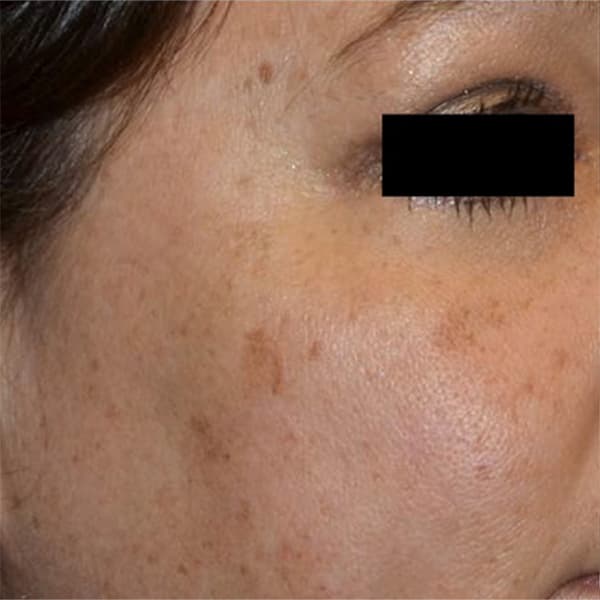
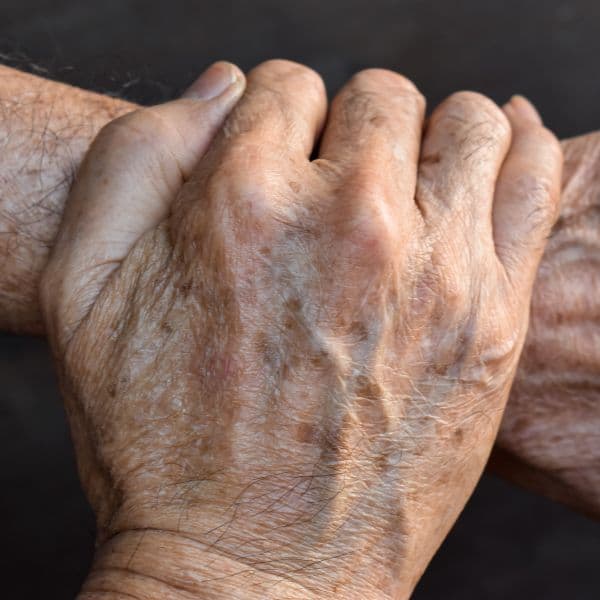
Age spots, also known as solar lentigines, are flat areas of increased pigmentation that develop on sun-exposed skin. They most commonly appear on the face, hands, chest and shoulders. Age spots are benign and do not pose a health risk, but they can affect skin clarity and overall appearance.

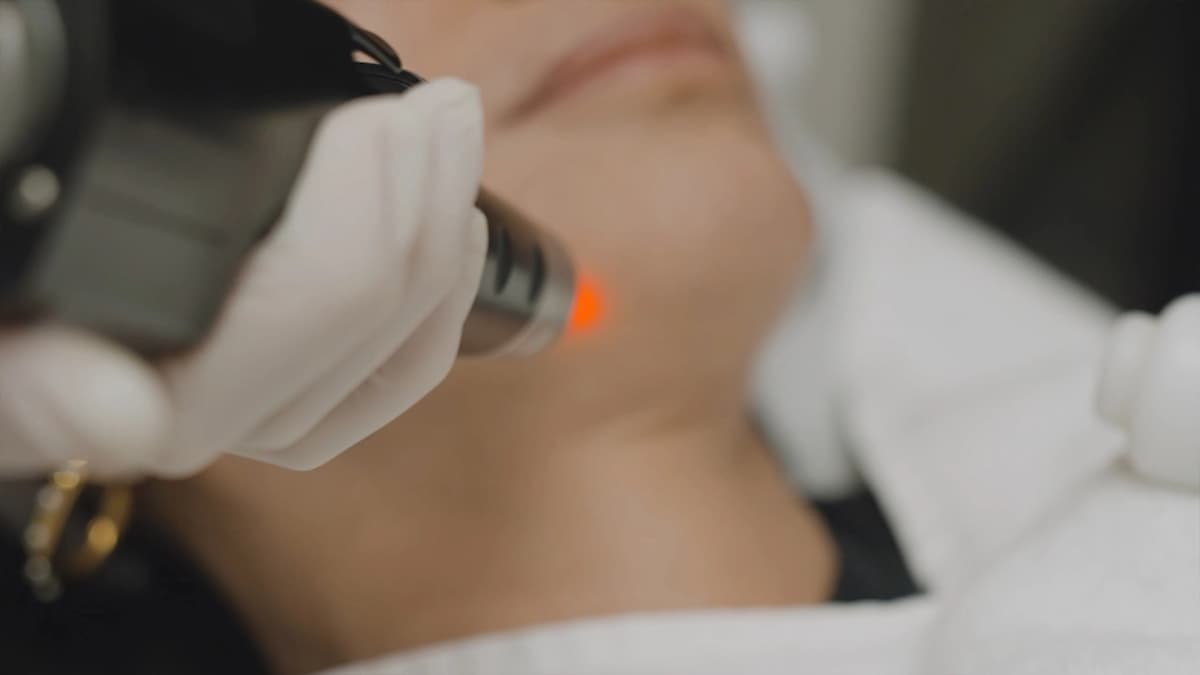
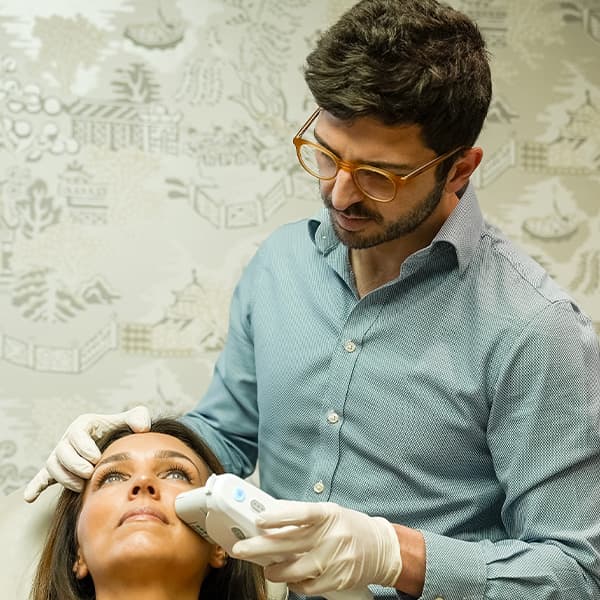
PicoSure is a laser treatment used to reduce the appearance of age spots by targeting excess pigment in the skin. Age spots develop as melanin accumulates unevenly over time due to sun damage and ageing. Using ultra-short pulses of laser energy, PicoSure breaks down pigment into tiny particles that the body can clear naturally. This helps fade discolouration and create a more even skin tone, with minimal downtime and gradual, natural-looking results.

Treat age spots with Picosure
before-picosure-treatment

Why Do Age Spots Develop?

Age spots develop when repeated sun damage leads to increased melanin production in certain areas of the skin.

Contributing factors may include:

  • Cumulative ultraviolet exposure

  • Age-related changes in skin repair

  • Genetic predisposition

  • Reduced ability of the skin to regulate pigment evenly

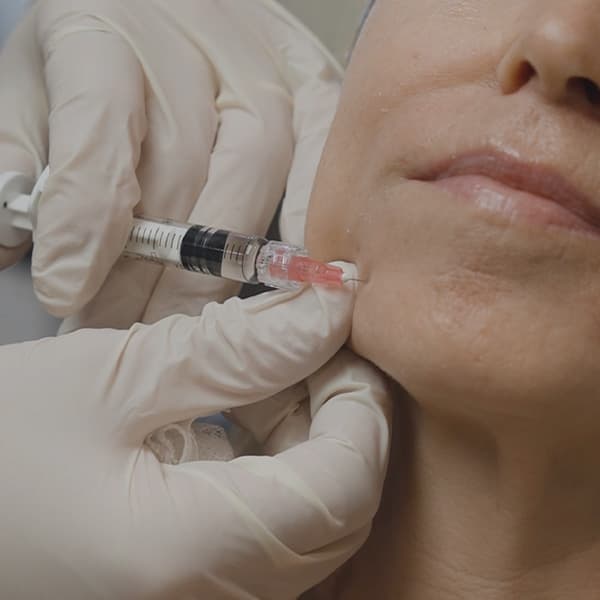
They often become more noticeable over time without adequate sun protection. Skin boosters are injectable treatments used to improve the appearance of age spots by enhancing overall skin quality rather than directly targeting pigment. Age spots often become more noticeable as skin hydration, resilience, and turnover decline with age and sun exposure. By delivering hyaluronic acid into the skin, skin boosters improve hydration, support repair processes, and promote a brighter, more even-looking complexion. Over time, this can help soften the appearance of age spots and improve skin clarity, with results developing gradually and naturally.

More about Skin boosters
hands-with-age-spots

How We Assess Age Spots

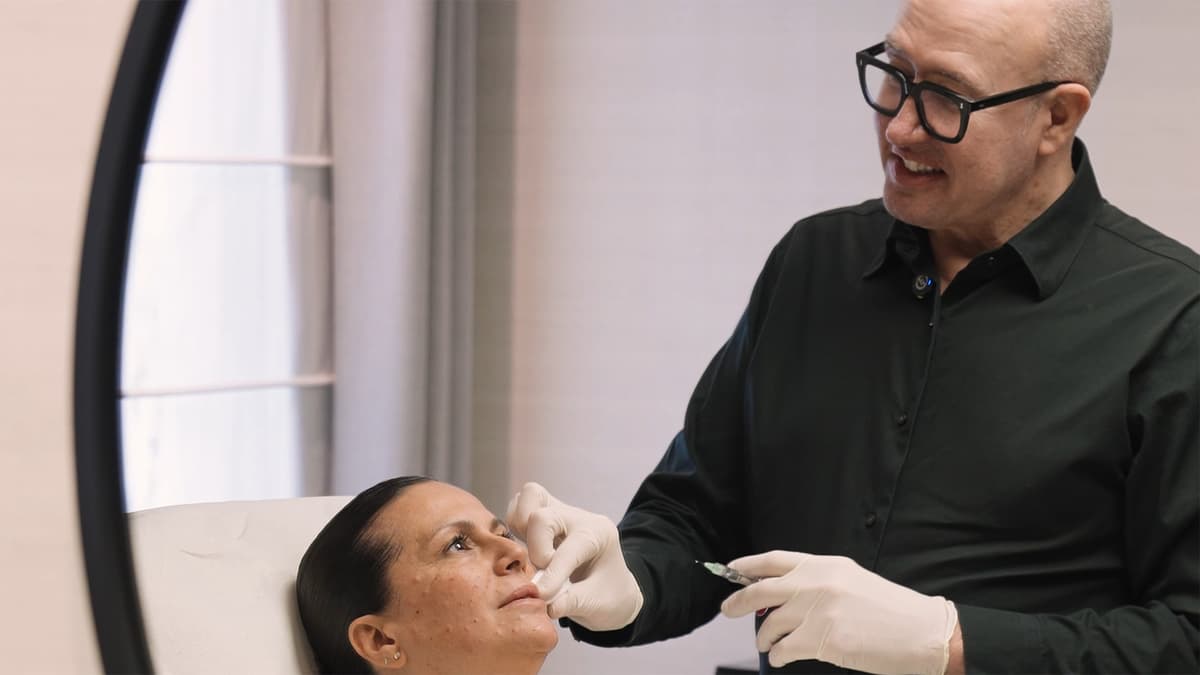
Assessment focuses on confirming that pigment changes are benign and understanding their depth and distribution. Our medical team evaluates skin type, sun exposure history and any previous treatments.

This allows us to explain which management options may be appropriate and how to reduce the risk of recurrence.

Ask us about age spots
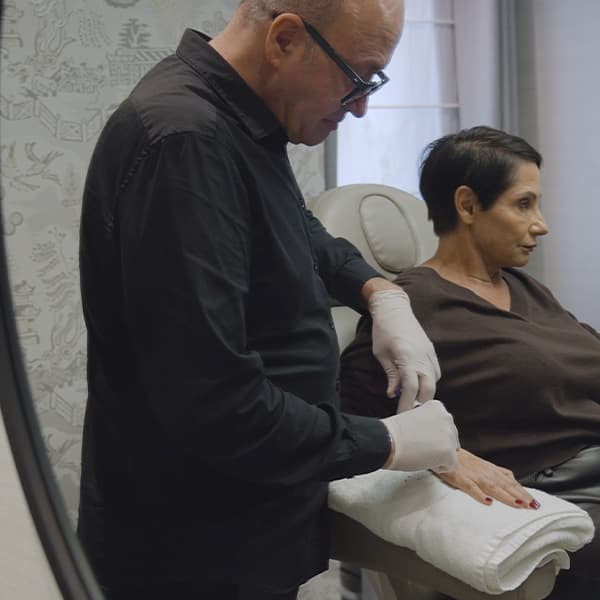
Dr-Joney-treating-hands
dr-joney

Frequently Asked Questions

What is one of the most commonly discussed treatments for age spots?

Laser treatment is one of the most commonly discussed options for age spots. Technologies such as PicoSure use ultra-short laser pulses to target pigment while also supporting overall skin quality, making them a popular non-surgical choice for treating sun damage pigmentation.


How can age spots be improved?

Improvement depends on the depth and extent of pigmentation. Options discussed at our clinic may include UltraClear laser resurfacing, medical-grade skincare, polynucleotide treatments, skin boosters and Profhilo. The aim is gradual improvement and prevention of recurrence.

Are age spots the same as freckles?

No. Age spots develop later in life due to sun damage, while freckles are often genetic and appear earlier.

Are age spots harmful?

Age spots are benign. However, any new or changing pigment should be assessed to confirm diagnosis.

Can age spots come back after treatment?

They can recur, particularly without sun protection and ongoing skin maintenance.

Does everyone with age spots need treatment?

No. Many people choose not to treat age spots once they understand their nature and progression.

Are age spots more common on certain areas of the body?

Yes. Age spots most commonly develop on sun-exposed areas such as the face, hands, chest and shoulders.

Follow us on Instagram

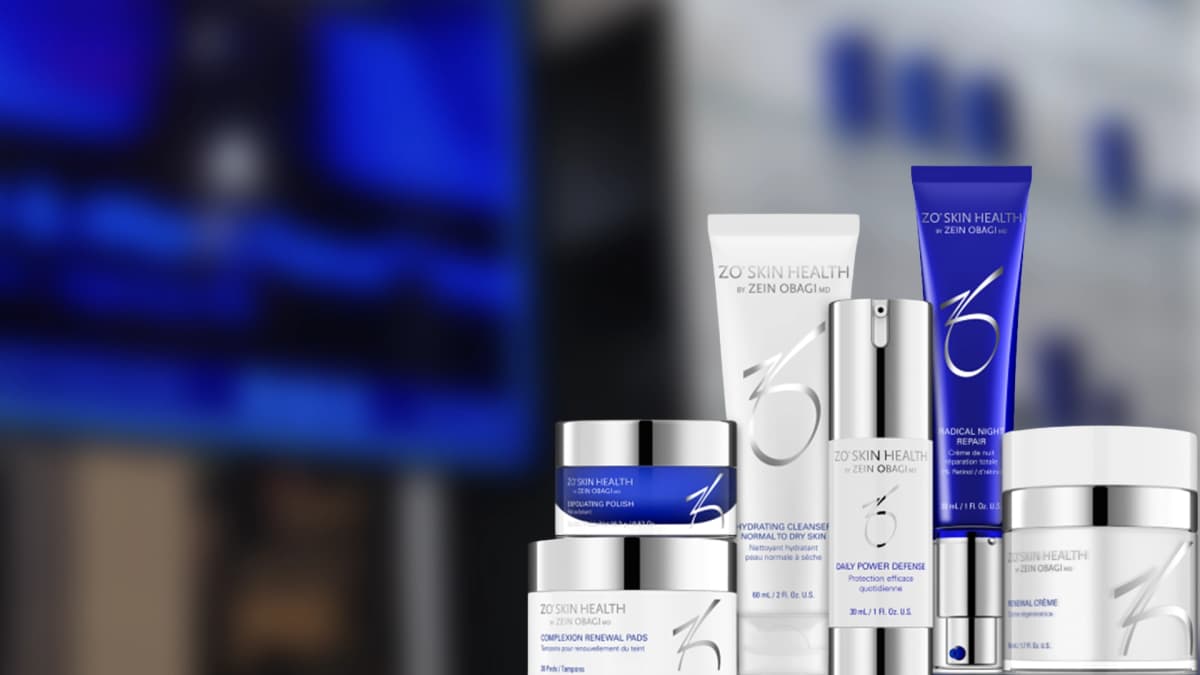
Did you know we stock the incredible @zoskinhealth at our clinic? 💙

At our clinic, we only align with brands that deliver real, visible results - which is why we proudly stock and use ZO Skin Health.

Developed by world-renowned dermatologists, ZO is a leading medical-grade skincare brand designed to transform skin at a cellular level; not just treat it on the surface.

Why we trust ZO:

💙 Clinically proven, science-backed formulations

🤍 Targets a wide range of concerns: acne, pigmentation, ageing + texture

💙 Strengthens and restores overall skin health

🤍 High-potency active ingredients for real, lasting results

💙 Medical-grade protocols tailored to each individual

This isn’t just skincare - it’s skin transformation.

Because your skin deserves more than basic. It deserves expert-led, results-driven care.

#zoskinhealth #zoskin #drjoney #londonskin #medicalgradeskincare

How can you find us?

Our clinic is located in Marylebone, London, in the heart of one of Central London’s most prestigious and renowned medical districts. Perfectly positioned for convenience and discretion, we are easily accessible from across the capital and beyond.

We welcome patients from Mayfair, Harley Street, Marylebone, Knightsbridge, Belgravia, Chelsea, Kensington, Fitzrovia and St John’s Wood, as well as international patients visiting London for specialist treatment.

Our location benefits from excellent transport connections, with close proximity to major Underground stations, mainline rail links and direct access to Heathrow, Gatwick and London City airports. Several secure parking facilities and convenient chauffeur drop-off points are available nearby, ensuring a seamless and comfortable visit.

Whether you are travelling from elsewhere in London, across the UK or internationally, our clinic offers a calm, private and exclusive setting in one of the world’s leading medical destinations.


Opening hours
Monday
9 am–6 pm
Tuesday
9 am–6 pm
Wednesday
9 am–6 pm
Thursday
9 am–6 pm
Friday
9 am–6 pm
Saturday
Closed
Sunday
Closed
Dr Joney De Souza
49 Blandford St, London W1U 7HH
Get directions
Whatsapp