Choosing between injectable skin hydration and laser skin rejuvenation can feel overwhelming. This guide breaks down the key differences, benefits, downtime and results to help you decide which treatment is right for your skin quality.
Improving skin quality is one of the most common concerns raised in aesthetic consultations. Patients may describe their skin as dull, dehydrated, uneven, or lacking resilience, even when lines and volume loss are not their primary concern. These changes are often subtle, gradual, and multifactorial, reflecting shifts in hydration, collagen integrity, pigment behaviour, and surface texture.
At Dr Joney De Souza’s clinic in Marylebone, discussions around skin quality frequently centre on two broad treatment categories: injectable skin hydration treatments and laser-based skin rejuvenation. These approaches are sometimes presented as alternatives, yet in clinical practice they address different aspects of skin biology and are often used together.
Understanding how these treatments work, what they improve, and where their limitations lie can help patients make more informed decisions.
Skin quality is not defined by a single parameter. It reflects the combined behaviour of multiple layers of the skin, including hydration levels, collagen and elastin structure, pigment distribution, vascular health, and surface texture.
Healthy skin typically demonstrates good light reflection, even tone, elasticity, and resilience. As the skin ages, or following environmental stress such as ultraviolet exposure or pollution, these characteristics can gradually decline. Importantly, this can occur independently of volume loss or deeper structural ageing. For this reason, treatments designed to improve skin quality focus less on reshaping and more on supporting skin function and regeneration.
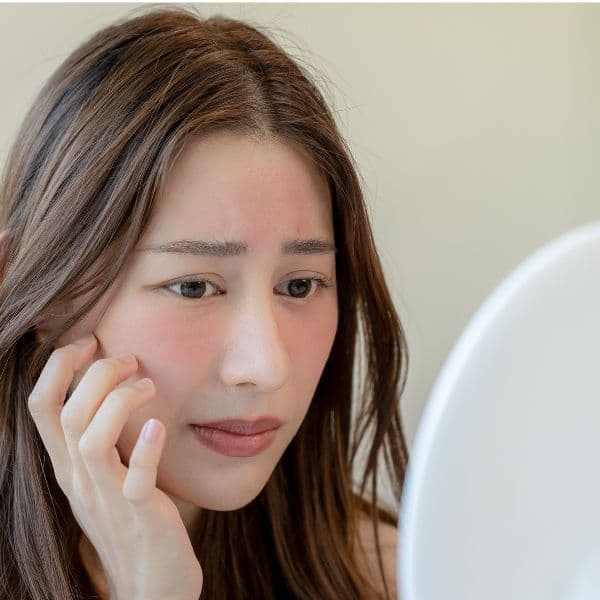
Injectable skin hydration treatments are designed to improve hydration, elasticity, and overall skin texture by delivering specific substances into the superficial or mid-dermal layers. Most injectable skin hydration treatments are based on hyaluronic acid, a naturally occurring molecule within the skin that attracts and retains water. Over time, natural hyaluronic acid levels decline, contributing to dryness, fine lines, and loss of suppleness.
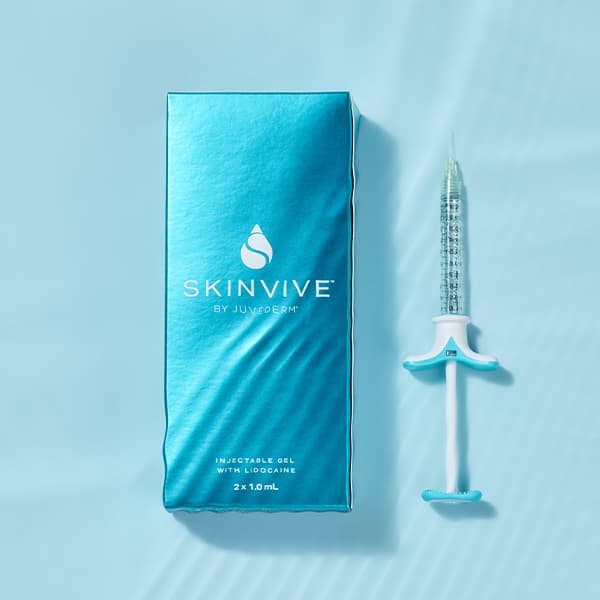
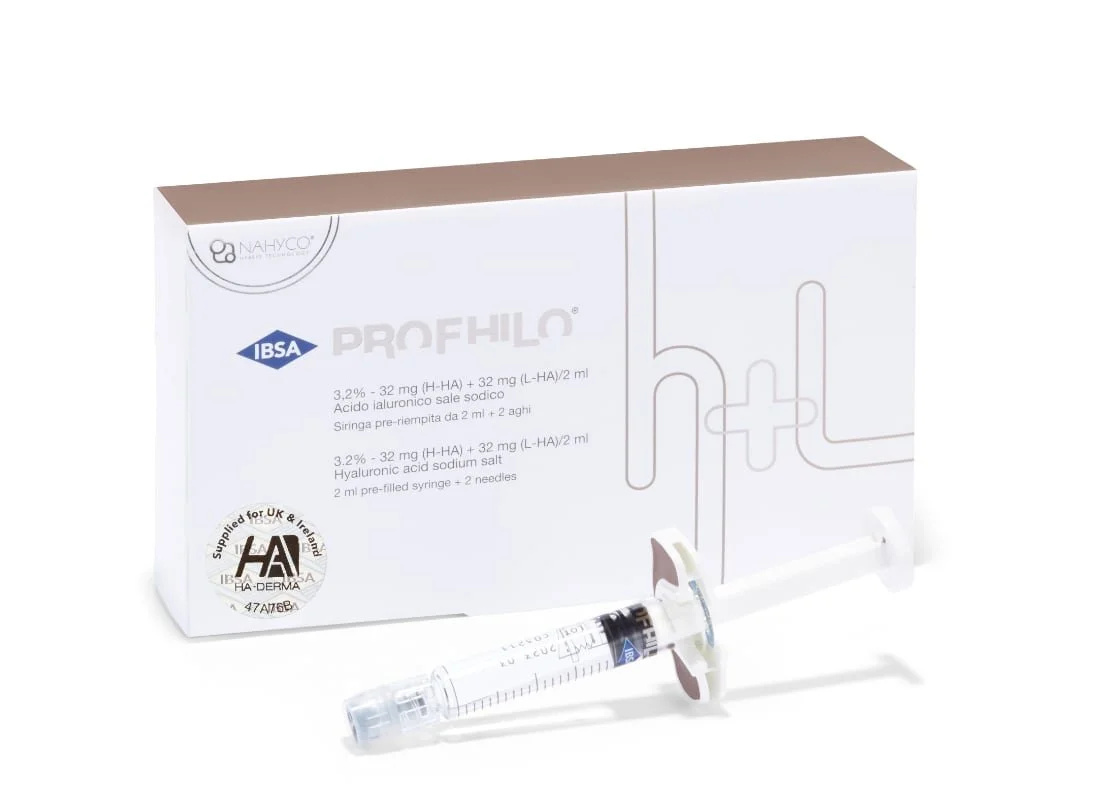
Treatments such as Skinvive and Profhilo introduce stabilised hyaluronic acid into the skin, where it can help improve hydration and create a more supportive environment for skin cells. Rather than adding volume or altering facial contours, these treatments aim to improve skin behaviour. Patients may notice increased smoothness, subtle luminosity, and improved elasticity over time.
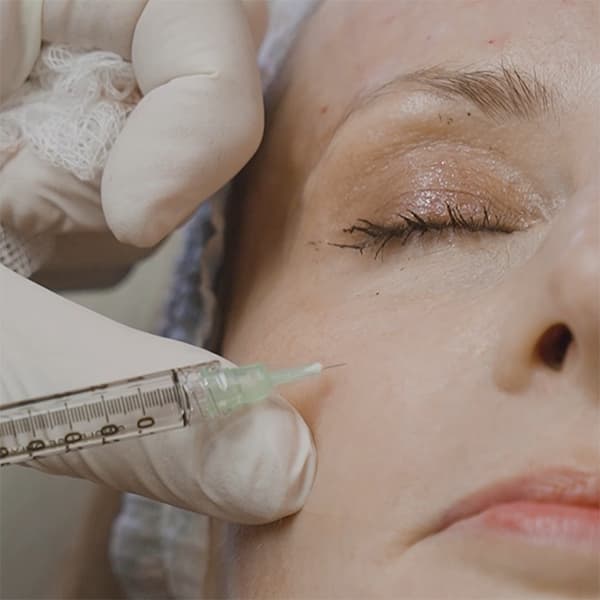
Skinvive is formulated to integrate evenly within the skin, supporting hydration and surface smoothness. It is often considered for patients concerned about fine texture changes, dullness, or early signs of dehydration rather than structural ageing.
Profhilo uses a high concentration of hyaluronic acid with a specific molecular structure that allows it to spread across the treated area. In addition to hydration, it is often discussed in the context of supporting collagen and elastin activity within the skin.
Injectable hydration treatments may be suitable for individuals who:
They are commonly used across the face, neck, and other areas where skin quality is a concern.

While injectables can improve hydration and elasticity, they do not directly address pigmentation irregularities, surface texture from sun damage, or visible pores. They also do not resurface the skin or remove damaged cells. As such, they are not a comprehensive solution for all aspects of skin ageing.
Laser skin rejuvenation works by delivering controlled energy into the skin to stimulate renewal and collagen remodelling. Unlike injectables, lasers act primarily through energy-based interaction with skin tissue.
Laser treatments can improve skin quality by:
The specific outcome depends on the type of laser used, the depth of treatment, and the individual’s skin characteristics.
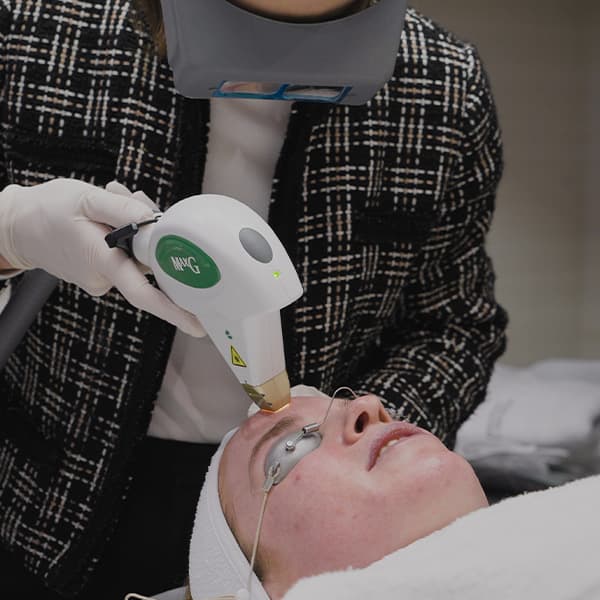
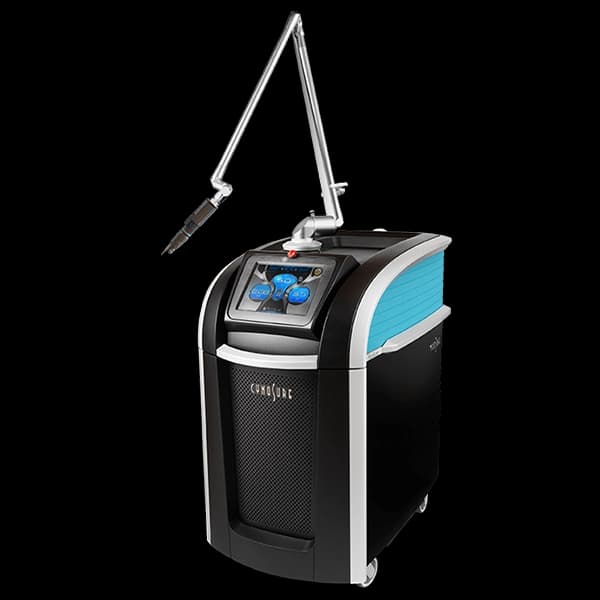
PicoSure delivers ultra-short pulses of energy that target pigment and stimulate collagen without relying on heat alone. It is often considered for patients with pigmentation concerns, uneven tone, or early textural changes, particularly where minimal downtime is preferred.
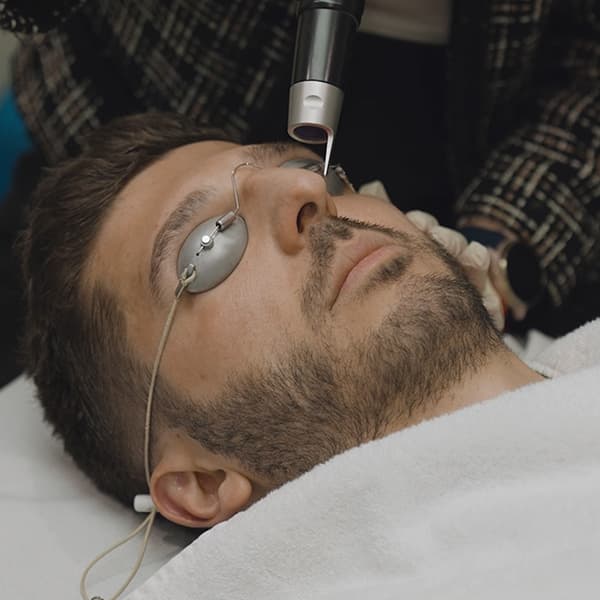
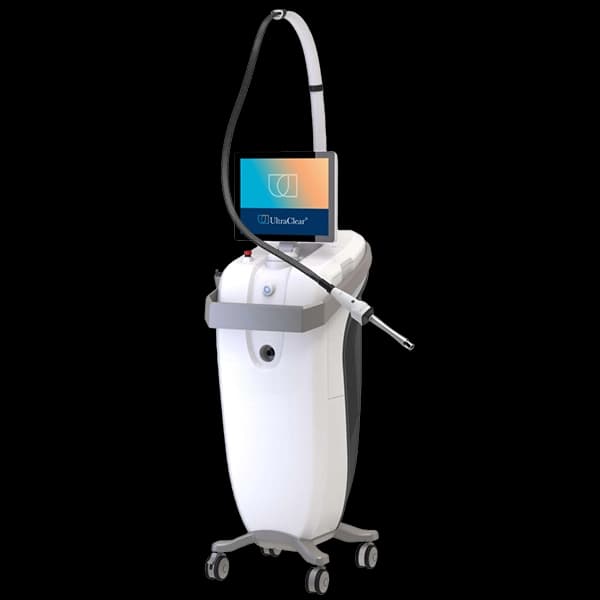
UltraClear is a newer generation laser that allows for controlled skin resurfacing with adjustable depth. It can be used for more significant texture concerns, fine lines, and overall skin renewal, while aiming to balance efficacy with recovery time.
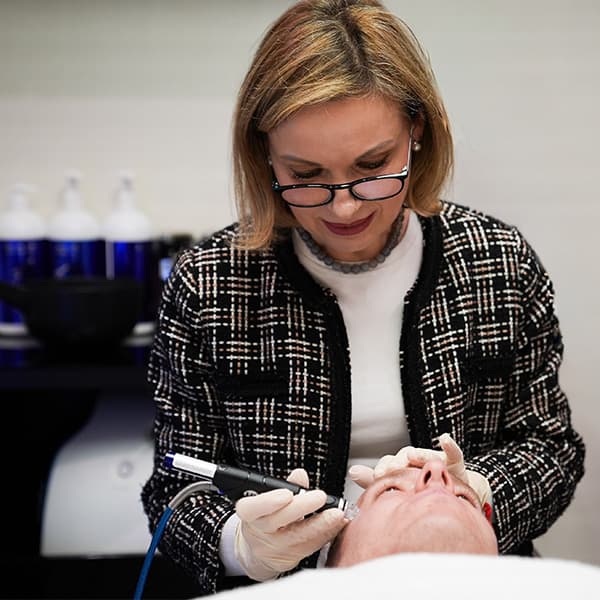
Laser treatments may be considered for patients who:

Lasers do not directly hydrate the skin or replace lost hyaluronic acid. While they can stimulate collagen and improve texture, patients with underlying dehydration may still require injectable support to optimise skin comfort and appearance.
Injectable skin hydration and laser skin rejuvenation address different biological processes. Injectables primarily support hydration and skin quality, while lasers improve texture, pigment, and collagen structure through controlled injury and renewal. One treatment is not inherently better than the other. The most appropriate approach depends on what aspect of skin quality is most compromised.
Determining whether injectable treatments, laser treatments, or a combination is appropriate requires careful assessment. Factors such as skin type, pigmentation behaviour, lifestyle, medical history, and long-term goals all influence treatment planning.
At his clinic in Marylebone, Dr Joney De Souza approaches skin quality improvement as a gradual, considered process rather than a single intervention. This perspective helps ensure that treatments support long-term skin health rather than short-term change alone.


Neither is universally better. Injectables improve hydration and elasticity, while lasers improve texture, tone, and collagen. Suitability depends on individual skin concerns.
Skinvive focuses on hydration and surface smoothness, while Profhilo also aims to support collagen and elastin activity within the skin.
PicoSure is commonly used for pigmentation, uneven tone, and early texture changes, with minimal downtime for many patients.
UltraClear is used for skin resurfacing, addressing texture, fine lines, and overall skin renewal at varying depths.
Yes. They are often combined as part of a structured treatment plan to address multiple aspects of skin quality.
Hydration improvements may be noticed within weeks, with progressive changes as the skin responds.
Results vary depending on the treatment type, skin condition, and ongoing skin care, but improvements can be long-lasting with maintenance.
Downtime is usually minimal, though mild swelling or redness may occur temporarily.
Not all lasers are suitable for all skin types. Careful assessment is required to select the appropriate technology.
Patients with certain medical conditions, active skin infections, or unrealistic expectations may not be suitable. Consultation is essential.
Injectable treatments support hydration and skin quality at a deeper level, but they do not replace a consistent skincare routine. Topical skincare remains important for barrier function, pigment control, and long-term skin maintenance.
Treatment frequency varies depending on the modality used, skin condition, and individual response. Injectable skin hydration treatments are often repeated periodically, while laser treatments may be spaced further apart. A personalised plan is established during consultation.
Our patients return to us year after year for natural, balanced results. Every review reflects our commitment to precision, safety and a personalised approach to aesthetic care.
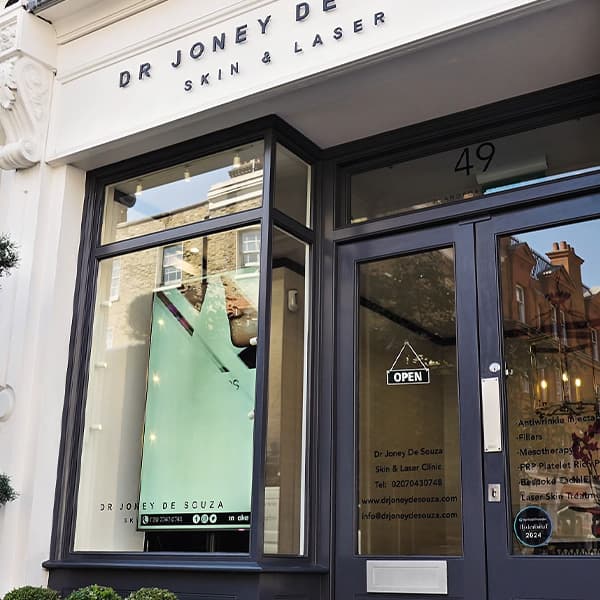
Based at 49 Blandford Street in Marylebone, the Dr Joney De Souza Skin & Laser Clinic is known for its refined, personalised approach to aesthetic medicine and skin health. The clinic offers a carefully curated range of advanced treatments, including Skinvive by Juvéderm, designed to improve skin quality, hydration and radiance while preserving natural facial expression.
Every aesthetic treatment at the clinic is approached with the same attention to detail and clinical integrity, focusing on long-term skin health rather than short-term cosmetic change. Through thorough consultation and tailored treatment planning, patients are guided towards subtle, effective solutions that support healthy, luminous skin over time.