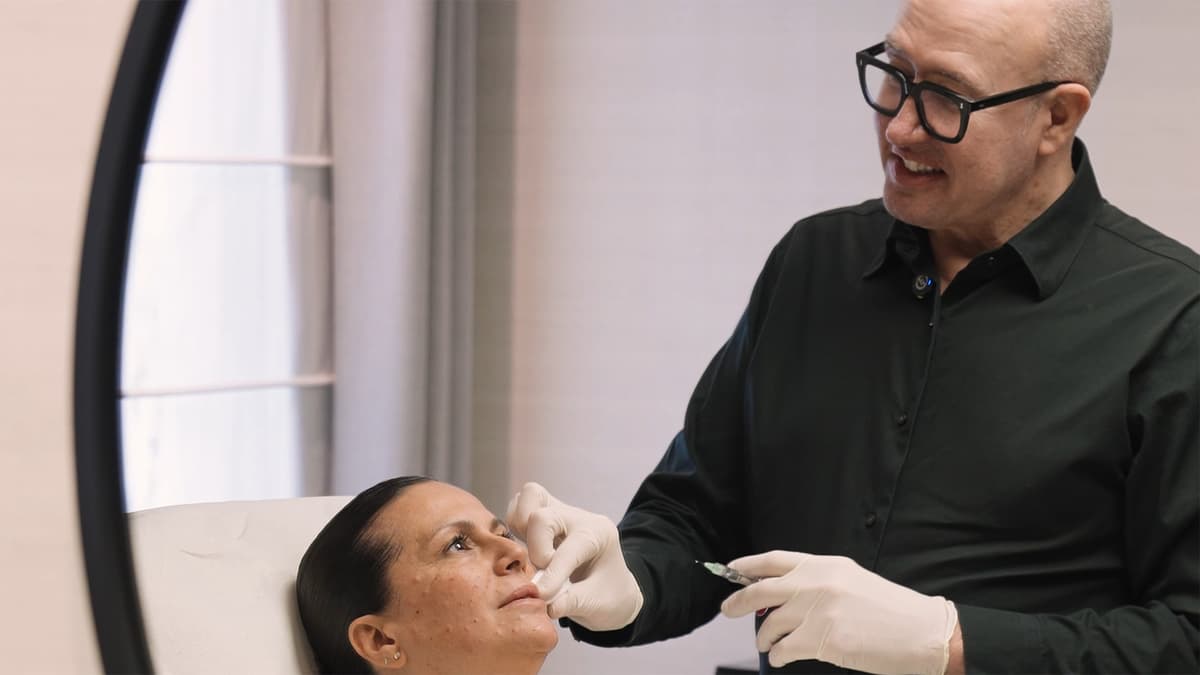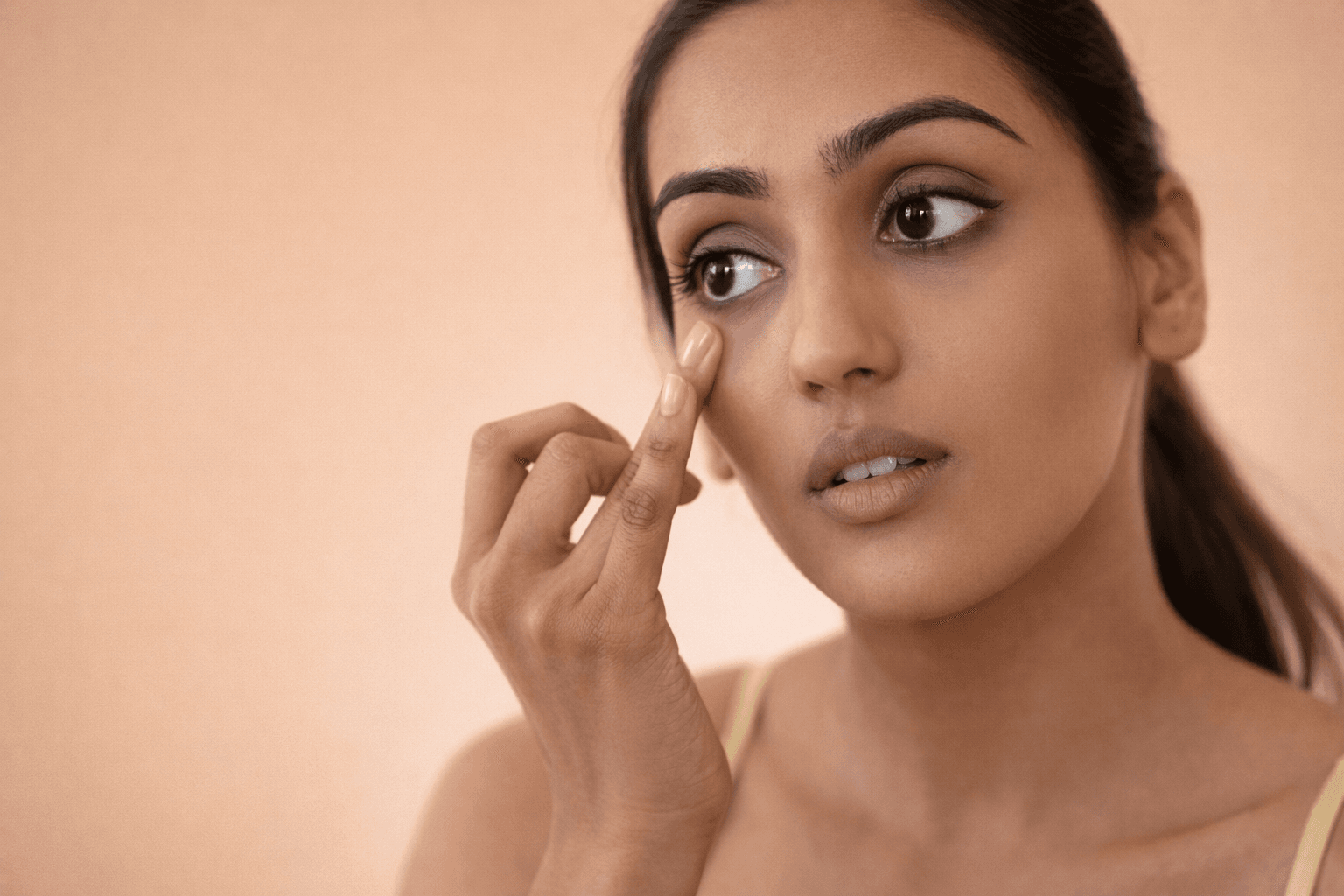
At our clinic, dark circles are approached medically rather than cosmetically. Led by Medical Director Dr Joney De Souza and supported by our expert medical team, assessment focuses on understanding the underlying causes before considering whether any treatment may be appropriate.
Dark circles describe a darker appearance of the skin beneath the eyes. This may present as discolouration, shadowing or a hollowed appearance. The skin in this area is naturally thin and delicate, which means changes in pigmentation, blood flow or underlying structure are often more visible than elsewhere on the face. For some people, dark circles are present from a young age. For others, they develop gradually over time as skin quality, collagen levels and facial structure change.
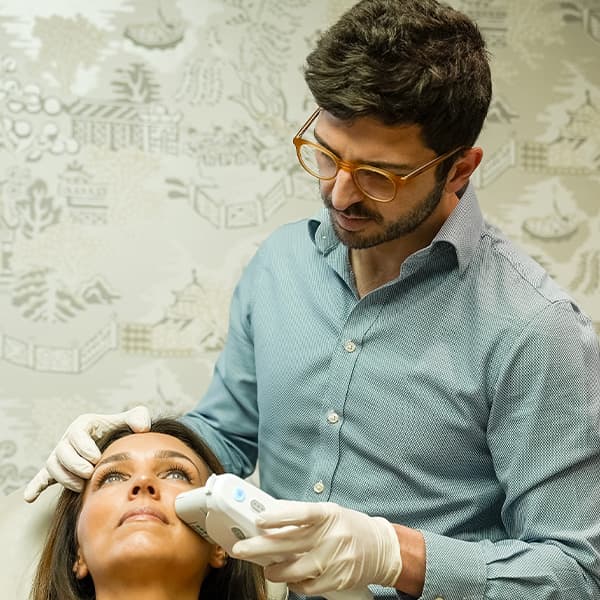
CO₂ laser treatment is used to improve the appearance of dark circles by resurfacing and strengthening the delicate skin around the eyes. Dark circles can appear darker when the skin becomes thin, crepey, or textured with age. By delivering controlled laser energy, CO₂ laser stimulates collagen renewal and skin tightening, helping improve texture, firmness, and light reflection. Over time, this can make the under-eye area appear smoother, brighter, and more refreshed.
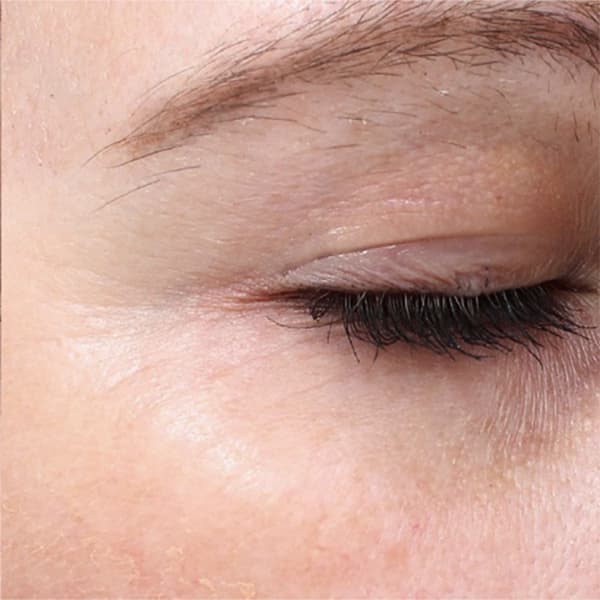
There is rarely a single reason why dark circles appear. In many cases, several factors contribute at the same time.
These may include:
Thin or translucent under-eye skin allowing underlying vessels to show through
Structural contours that create shadowing beneath the eyes
Differences in pigmentation of the under-eye skin
Age-related changes in collagen, elasticity and support
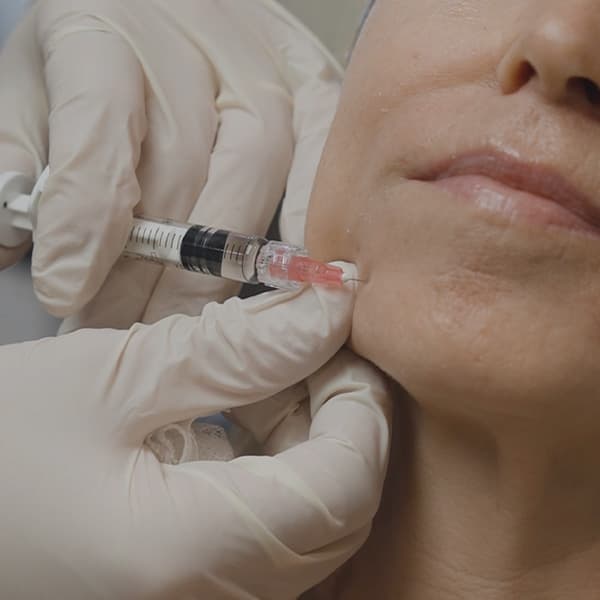
Lifestyle factors such as dehydration or fatigue can make dark circles more noticeable, but they are rarely the sole cause. Polynucleotides are injectable treatments used to improve the appearance of dark circles by supporting repair in the delicate under-eye skin. Dark circles often appear more pronounced when the skin becomes thin, dehydrated, and less resilient. By stimulating cellular regeneration and improving skin quality, polynucleotides help strengthen the skin, enhance elasticity, and improve brightness. Over time, this can reduce the shadowed appearance of dark circles and create a smoother, more refreshed under-eye area.
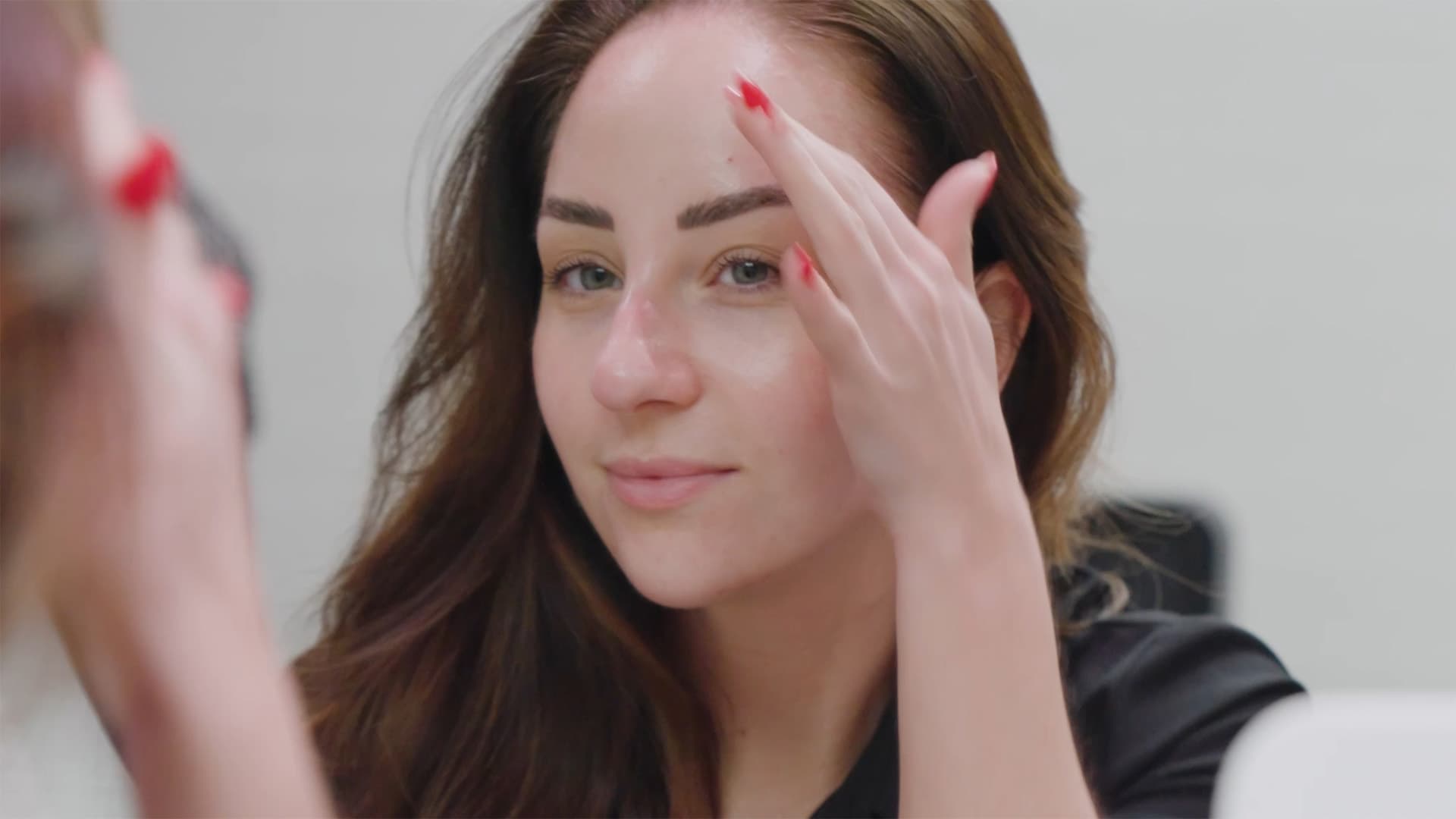
Assessment focuses on the under-eye area in the context of the face as a whole. Our medical team considers skin thickness, tone and quality alongside the underlying anatomy that supports the lower eyelid and cheek.
Rather than addressing appearance alone, we explain what is happening beneath the surface and how this contributes to the visible concern. This ensures that any guidance is based on anatomy and skin biology rather than assumption or trend.
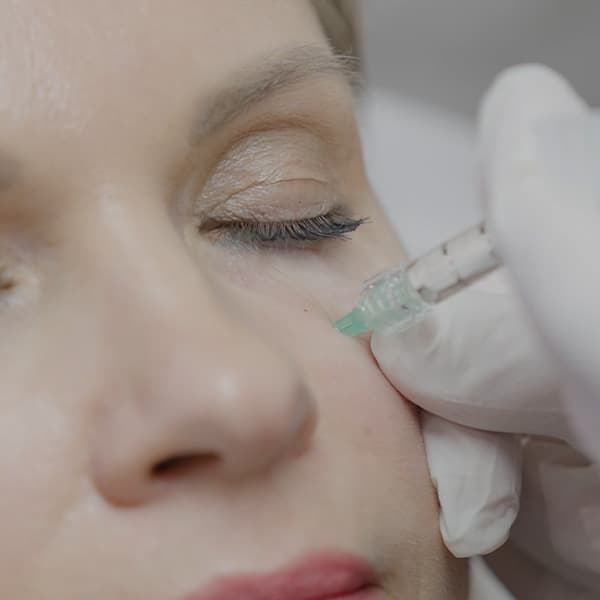

Polynucleotide-based treatments are one option that may be discussed when dark circles are influenced by thin or fragile under-eye skin. These treatments focus on supporting skin regeneration, hydration and resilience rather than altering structure. Suitability varies and is assessed individually.
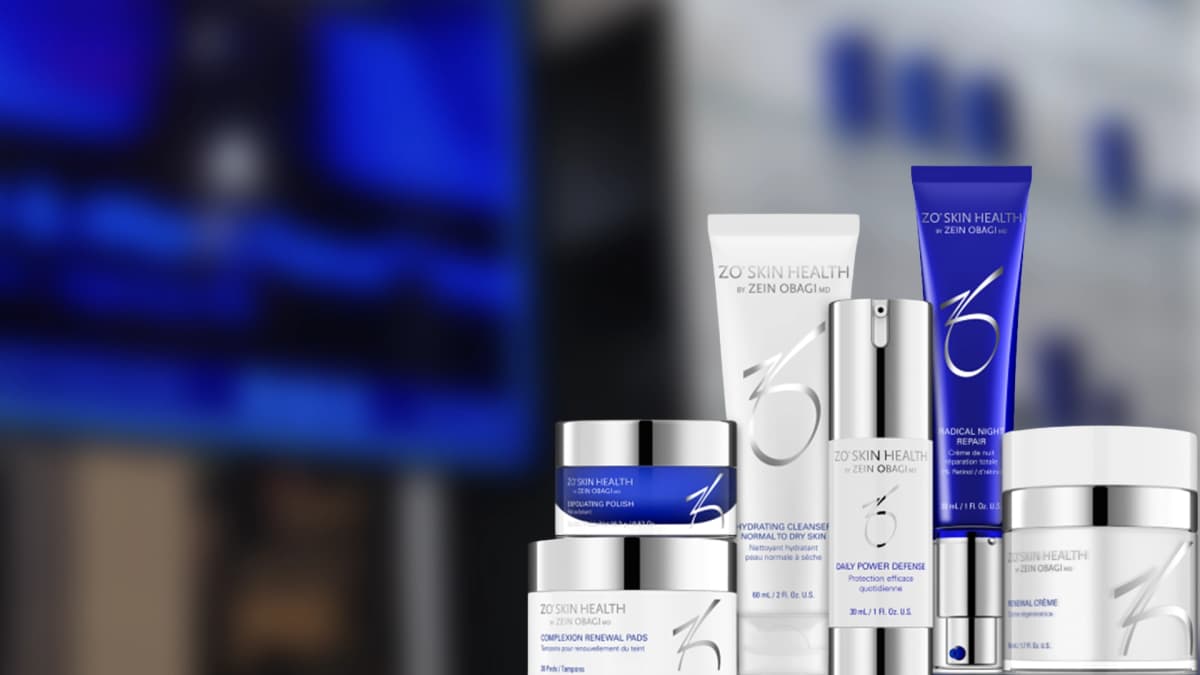
Treatment depends on the underlying cause. Options may include skin boosters, Profhilo or polynucleotides to support skin quality, carefully placed dermal fillers where shadowing is related to volume loss, laser treatments for pigmentation or texture, and targeted medical-grade eye skincare. Not all dark circles require treatment, and suitability varies.
Dark circles can be caused by a combination of thin skin, visible blood vessels, pigmentation differences and shadowing from underlying structure.
Poor sleep can make them more noticeable, but it is rarely the main cause. Anatomy and skin quality often play a larger role.
They can become more noticeable over time as skin quality and support change, although this varies between individuals.
Complete removal is not always possible. The aim of treatment is improvement and balance rather than perfection.
No. Many people choose not to pursue treatment once they understand why dark circles appear and how they may change over time.