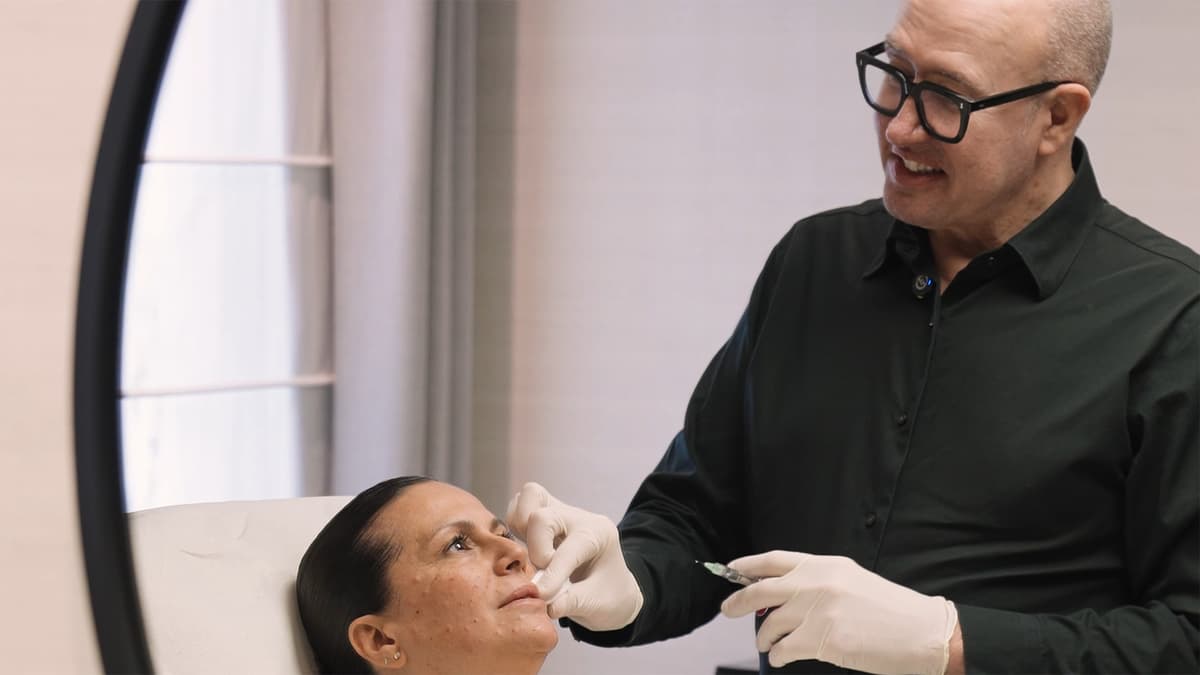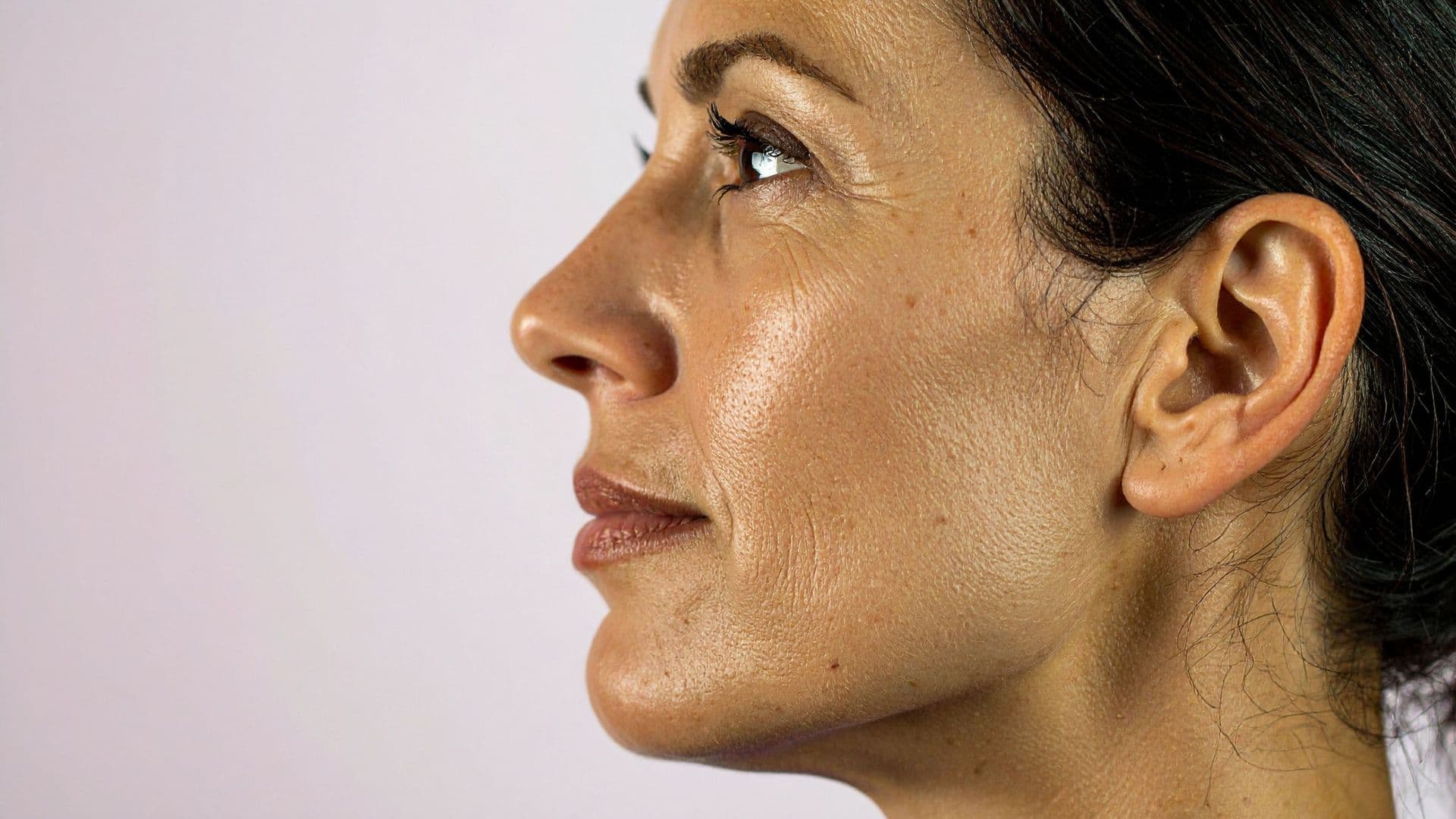
Dull or lacklustre skin is often a sign of underlying changes rather than surface issues alone. Our doctor-led clinic takes a medical approach to understanding these changes before discussing treatment options.
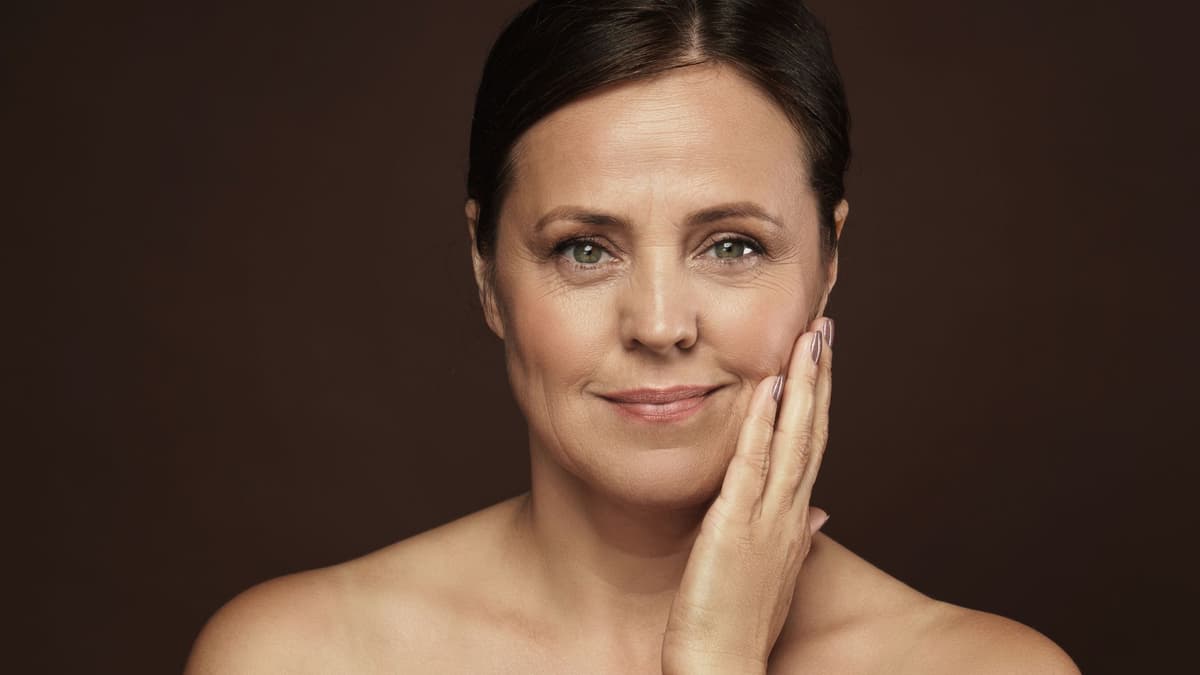
Dull skin describes a lack of brightness, clarity or even tone. It may appear flat, tired or less reflective, even when the skin feels well moisturised. This concern is often linked to how light interacts with the skin surface and how efficiently the skin renews itself. When these processes slow or become disrupted, skin can lose its natural luminosity.
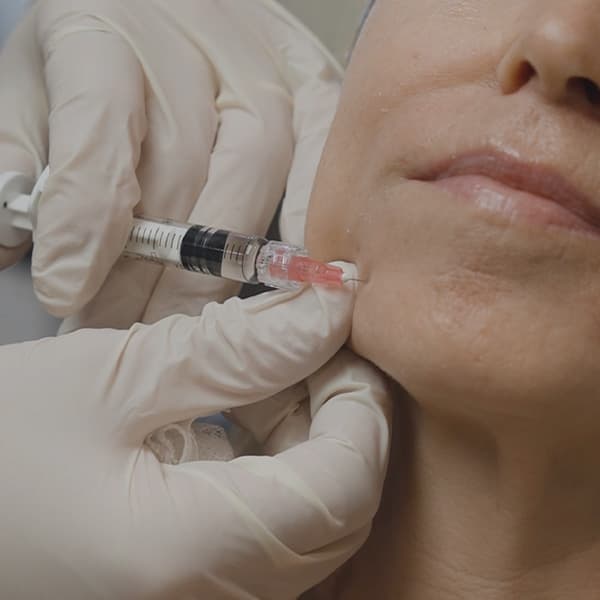
Polynucleotides can help improve dull skin by restoring skin function rather than simply adding hydration or volume. Dullness often reflects skin that is stressed, weakened, or slow to recover, resulting in a flat or uneven appearance. By supporting tissue repair and improving skin resilience, polynucleotides help the skin reflect light more evenly and regain a healthier glow. The result is a more luminous, refreshed complexion that develops progressively over time.
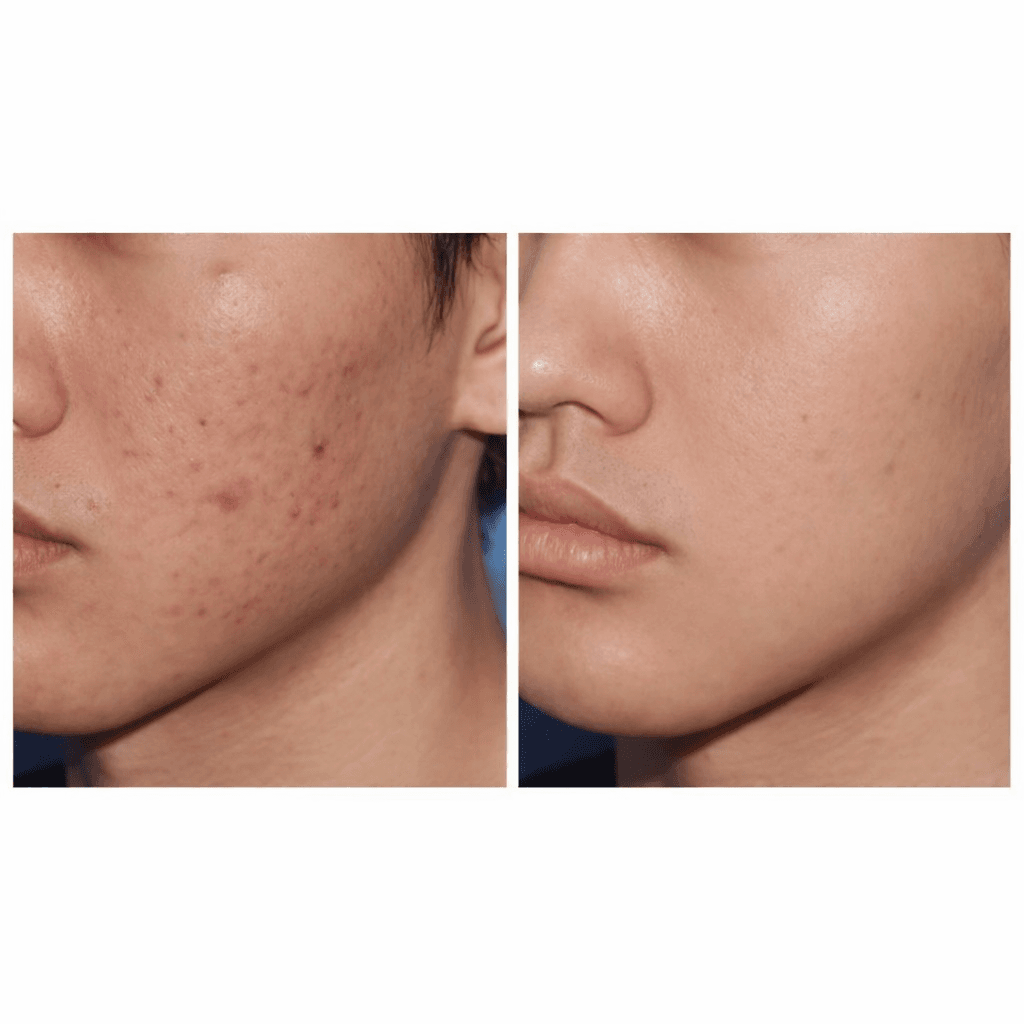
Dullness usually develops due to a combination of factors rather than a single cause.
These may include:
Reduced cell turnover leading to uneven surface texture
Dehydration within the skin layers
Slower collagen and elastin renewal
Environmental exposure such as pollution or sun damage
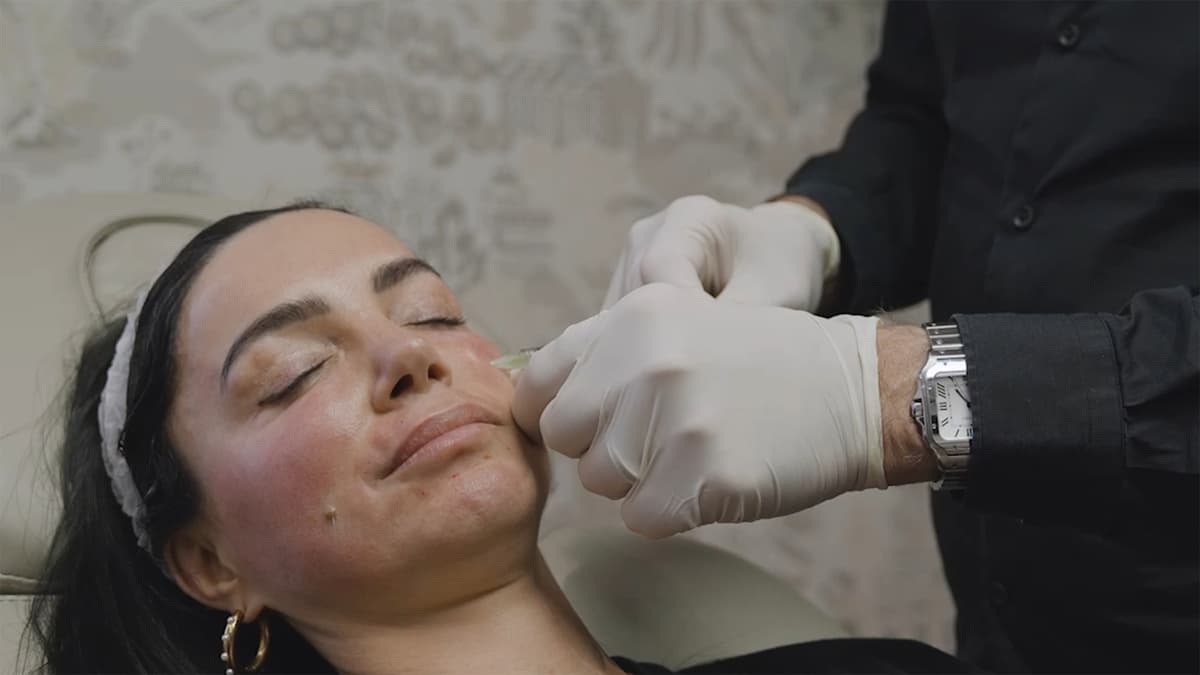
Lifestyle factors and skincare routines can influence appearance, but underlying skin behaviour often plays a significant role. PRF is an injectable treatment used to improve dull skin by harnessing the body’s own regenerative capacity. Dullness often develops when circulation, repair, and collagen production slow, leaving skin looking tired and flat. By delivering concentrated growth factors into the skin, PRF supports renewal and improves skin vitality, leading to better texture, brightness, and a more refreshed appearance that develops gradually and naturally.
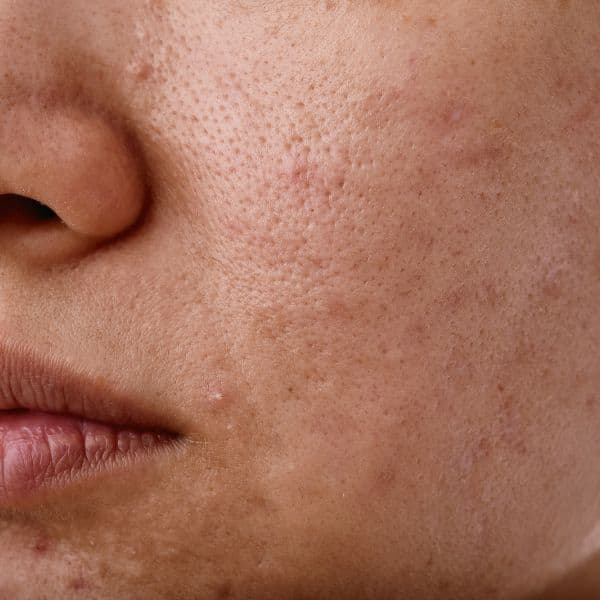
Assessment looks beyond surface appearance. Our medical team considers skin hydration, texture, tone and overall skin quality, as well as how the skin is functioning beneath the surface.
This allows us to explain why the skin may appear dull and whether this relates to hydration, regeneration, structural support or a combination of factors.
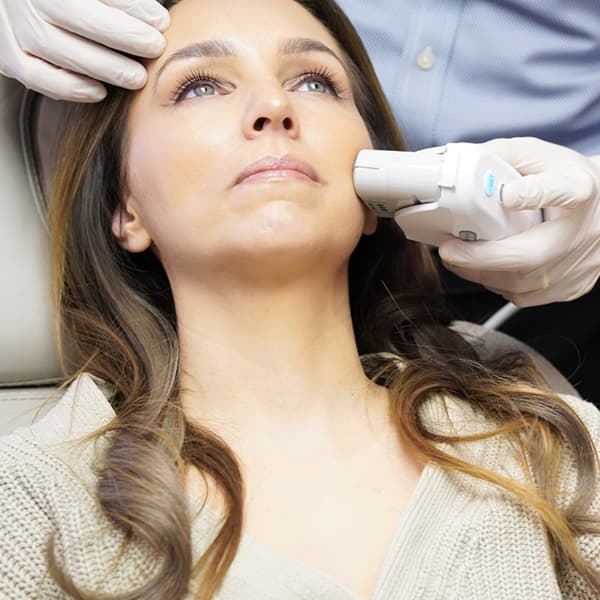
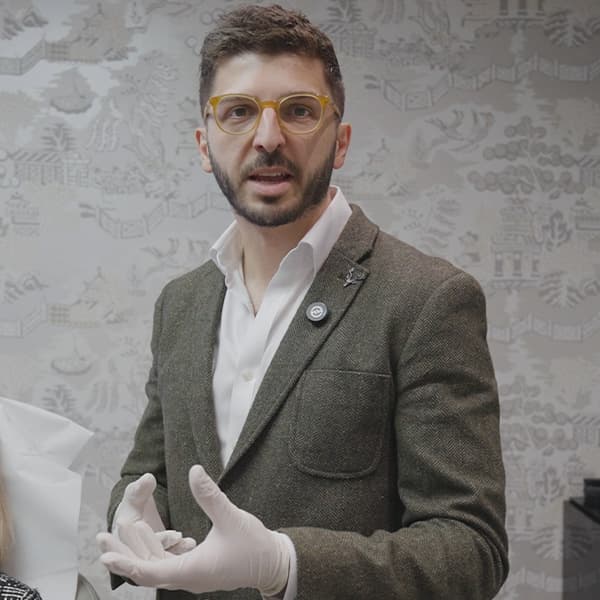
Polynucleotide-based treatments are often discussed where dullness relates to reduced skin regeneration or resilience. These treatments focus on supporting skin repair and hydration rather than altering structure. Suitability is assessed individually.
Other treatments that can be great for dull skin or other conditions include PRF, Endolift and PicoSure treatments. If pigmentation is your main concern UltraClear is another great treatment. In order to learn more you can book a consultation with our expert skin team.
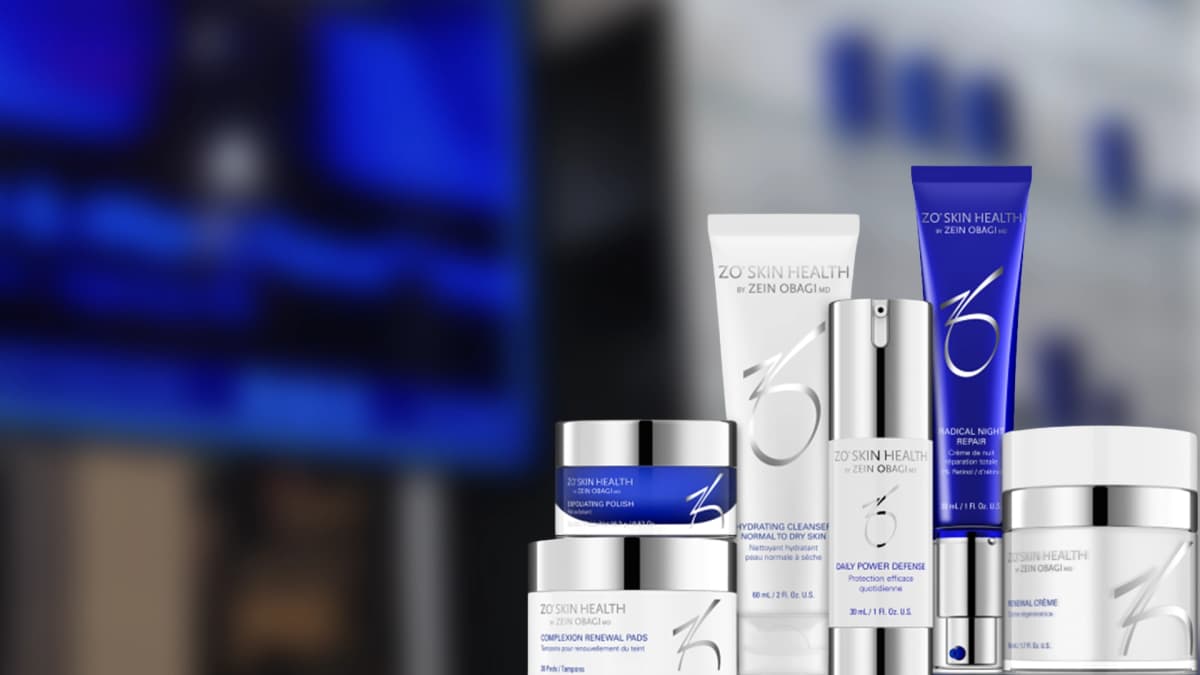
Improvement depends on the underlying cause. Options discussed at our clinic may include skin boosters, Profhilo, polynucleotide treatments, UltraClear laser resurfacing and medical-grade skincare. The aim is to support skin health and clarity gradually rather than create short-term brightness.
Not always. While dehydration can contribute, dullness is often linked to slower cell turnover, reduced collagen activity or surface texture changes.
In some cases, yes. Skincare changes, lifestyle factors and time can help, but persistent dullness may reflect deeper skin changes.
It can become more noticeable over time as skin renewal slows, although this varies between individuals.
Yes. When cell turnover slows, dead skin cells can accumulate on the surface, affecting how light reflects from the skin. This can make skin appear flatter or less radiant over time.
Not exactly. Dull skin relates more to brightness and reflectivity, while uneven tone refers to colour variation. The two can occur together but are assessed separately.