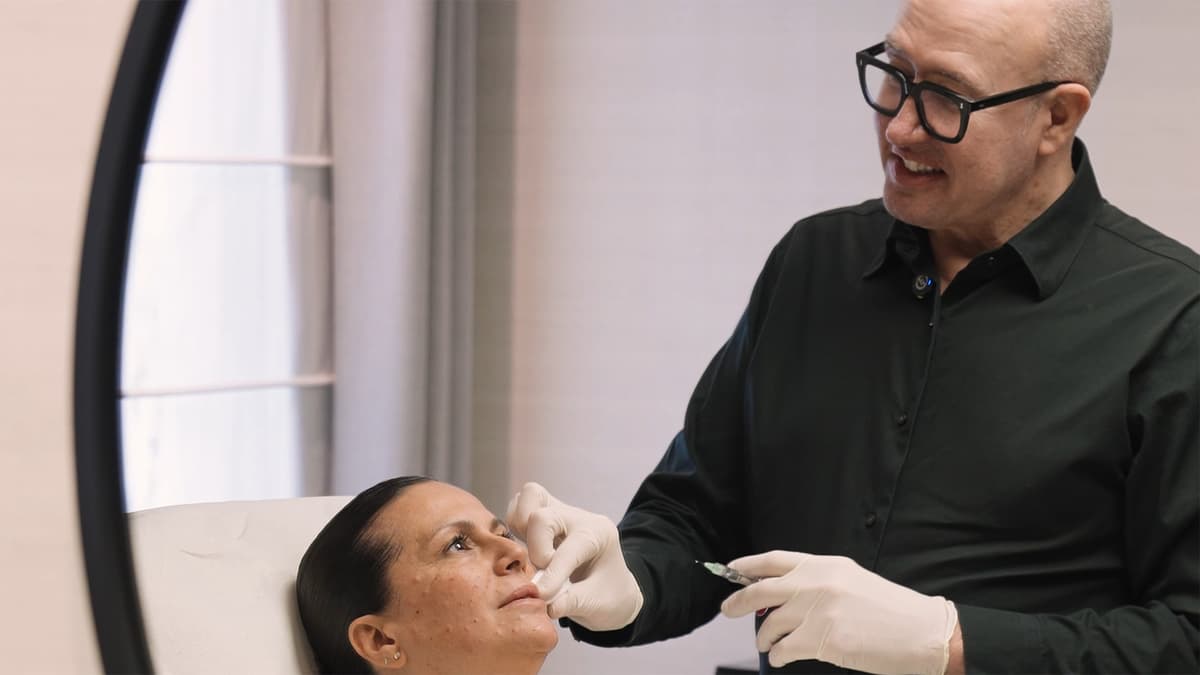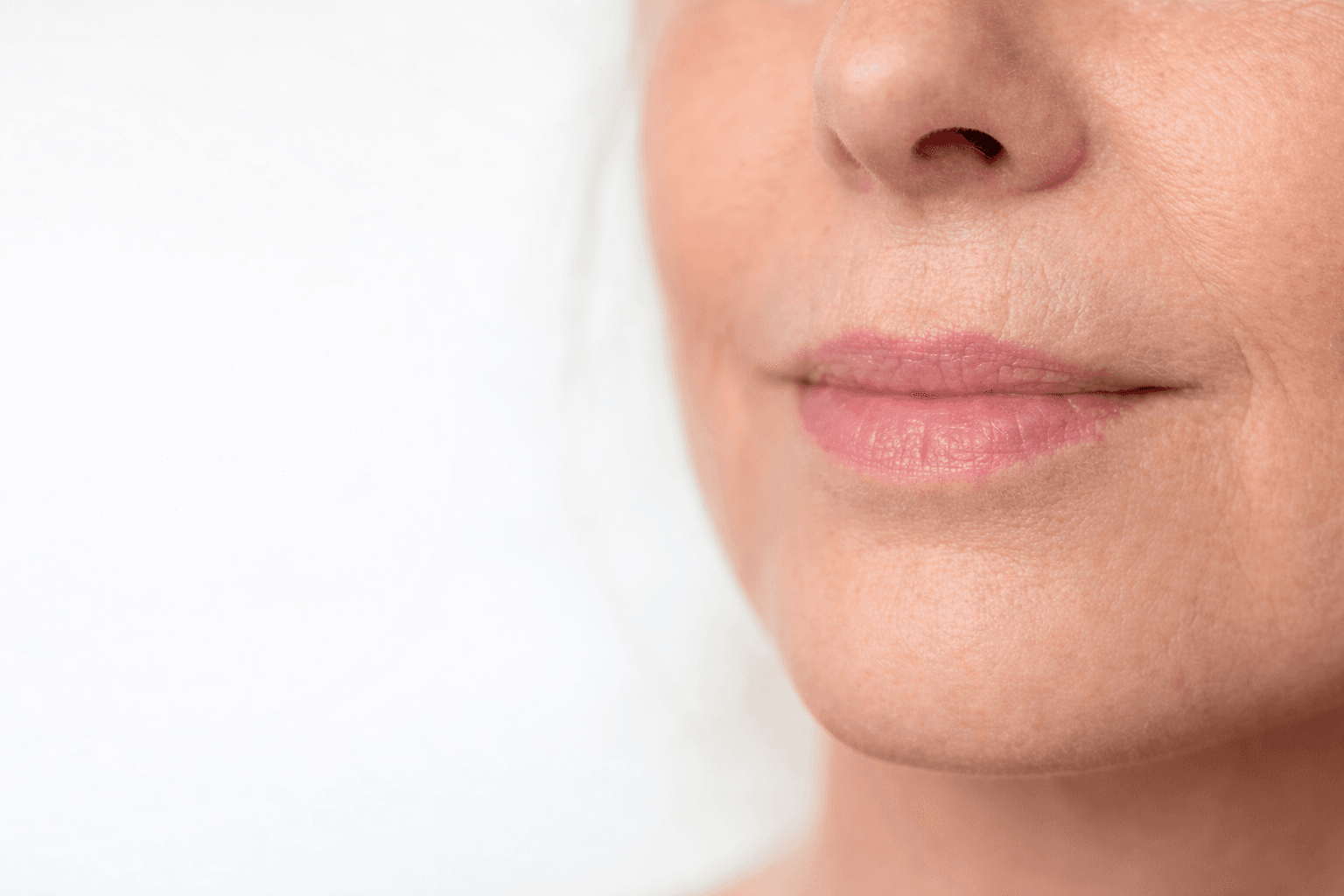
Lip lines are a common concern and often develop gradually with age and repeated movement. Led by Medical Director Dr Joney De Souza, our medical team focuses on understanding these changes before considering treatment.
Lip lines refer to fine vertical lines that develop around the mouth, often above the upper lip. They may be more noticeable when speaking or pursing the lips and can vary in depth and distribution. These lines are influenced by both skin quality and movement. Over time, reduced collagen, elasticity and volume can make lip lines more apparent.
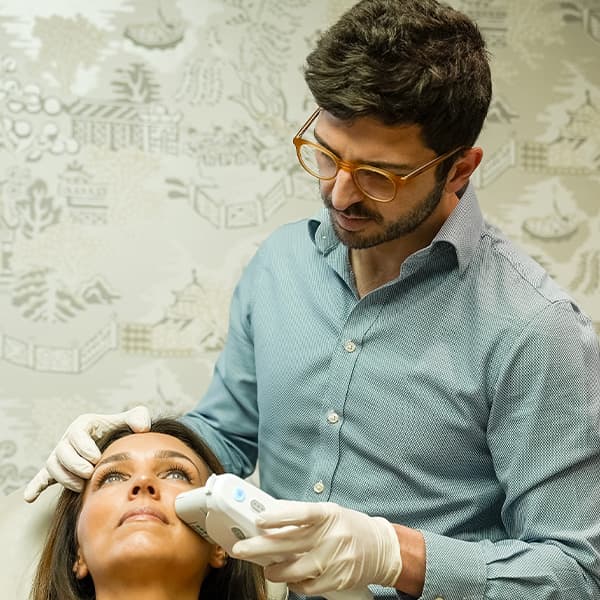
UltraClear can improve lip lines by resurfacing the delicate skin around the mouth and stimulating collagen renewal. Lip lines form as repeated movement, sun exposure, and collagen loss gradually weaken the skin. Therefore, by delivering controlled laser energy to the area, UltraClear smooths surface texture and strengthens skin structure. As a result, fine lines appear softer and the lip area looks smoother and more refined over time.
Lip lines usually develop due to a combination of factors rather than a single cause.
These may include:
Repeated movement of the mouth muscles
Gradual loss of collagen and elasticity
Thinning of the skin around the lips
Changes in volume or structural support
Environmental factors such as sun exposure
The extent to which lip lines form varies between individuals. Polynucleotides can help improve lip lines by strengthening and revitalising the delicate skin around the mouth rather than adding volume. Lip lines often form as skin becomes thinner, less elastic, and slower to repair over time. By supporting tissue regeneration and improving skin resilience, polynucleotides help soften fine lines and improve texture, leading to a smoother, more refreshed lip area with gradual, natural-looking results.
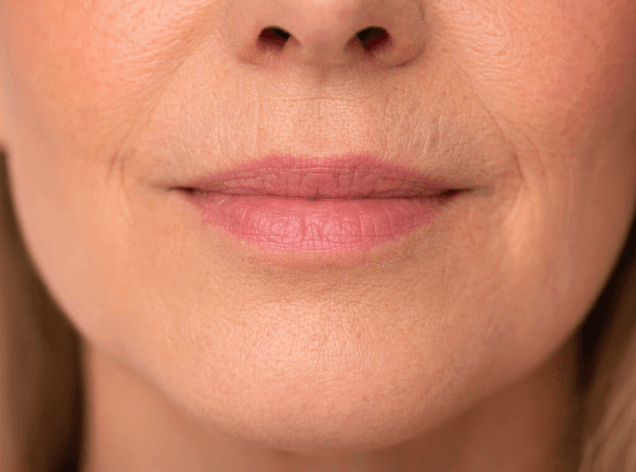
Assessment considers the lips and surrounding area in context with the lower face as a whole. Our medical team evaluates skin quality, muscle movement, volume and overall balance.
This allows us to explain which factors are contributing most to the appearance of lip lines and whether treatment may be appropriate.
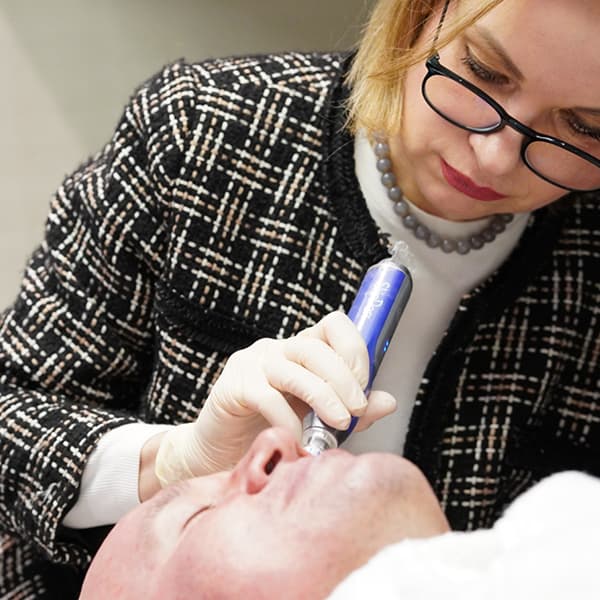

Polynucleotide-based treatments are often discussed where lip lines are influenced by reduced skin quality or resilience. They focus on supporting skin repair rather than altering movement or volume.
Improvement depends on skin quality, movement and structure. Options discussed at our clinic may include dermal fillers, skin boosters, polynucleotide treatments, Profhilo, UltraClear laser resurfacing and medical-grade skincare. The aim is gradual, natural softening rather than complete removal.
No. Lip lines relate to skin texture and movement, while volume loss affects fullness. They can occur together but are assessed separately.
The aim is to maintain natural movement and expression. Treatments are planned conservatively with this in mind.
They can become more noticeable over time as skin thins and elasticity reduces, although progression varies between individuals.
In some cases, skincare and hydration may help mild lines, but deeper changes often relate to underlying skin structure.
No. Many people choose not to treat lip lines once they understand why they develop and how they may change.