Learn about UltraClear laser safety, common side effects, recovery timelines, and potential risks. A guide to UltraClear treatment in London.
Safety remains the first consideration in any laser procedure. While results often receive the most attention, understanding risk profile, recovery expectations, and suitability is essential before proceeding with treatment.
UltraClear is a cold fibre-based laser procedure designed for controlled skin resurfacing and collagen stimulation. When delivered by an experienced medical practitioner with appropriate parameter selection, it has a strong safety profile. However, as with any energy-based device, outcomes depend on clinical judgement, patient selection, and adherence to aftercare.
UltraClear operates at a wavelength that targets water within the skin. It delivers energy in controlled micro-columns using fibre-based fractional technology. Because the energy is dispersed rapidly and precisely, collateral thermal spread to surrounding tissue is reduced compared with traditional fully ablative systems.
This fractional delivery pattern allows untreated skin between micro-zones to support faster healing. The result is a more predictable recovery profile and improved tolerability in appropriately selected patients.
Safety is not device-dependent alone. It relies on:
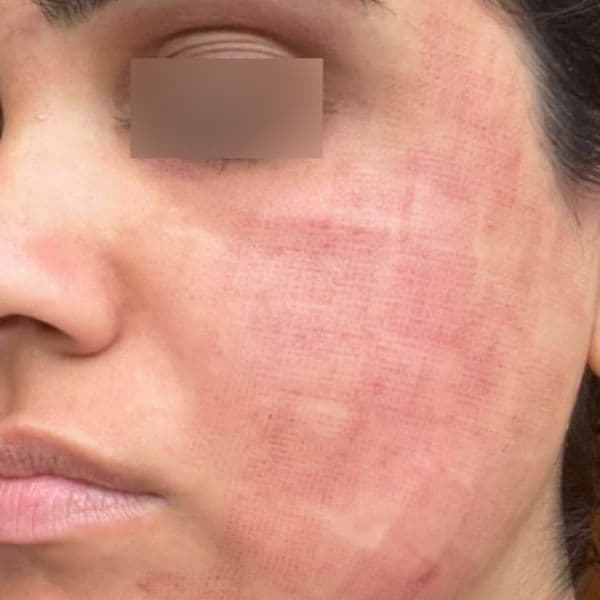
Most patients experience mild, expected reactions as part of the normal healing process. Temporary redness is common and may last from several hours to a few days depending on treatment intensity. Mild swelling can occur, particularly around the eyes. Controlled peeling or flaking typically develops as resurfaced skin renews. These responses indicate activation of repair pathways and collagen remodelling. With proper skincare and sun protection, they resolve without complication.
Although uncommon when performed correctly, laser resurfacing carries potential risks.
Post-inflammatory hyperpigmentation may occur, particularly in patients with higher Fitzpatrick skin types or recent sun exposure. Hypopigmentation is less common but possible with aggressive settings. Infection remains rare but can develop if aftercare instructions are not followed. Scarring is extremely uncommon and typically associated with inappropriate parameter selection or inadequate post-treatment care.
All risks can be minimised by seeing an experienced laser team, like at Dr Joney De Souza Skin and Laser clinic. A thorough consultation should always be undertaken to understand if the treatment is right for you.

Recovery varies depending on treatment depth. Lighter resurfacing protocols may allow return to normal activities within 24–48 hours. More intensive sessions typically involve several days of redness and desquamation before gradual refinement becomes visible.
Immediately following treatment, the skin may feel warm or tight. Gentle moisturisation and barrier support are recommended. Active skincare ingredients such as retinoids or exfoliating acids should be paused until healing is complete.
Strict photoprotection remains essential. Broad-spectrum SPF use reduces the risk of pigmentary complications and supports optimal collagen remodelling.
Makeup is usually avoided for at least 24 hours, or longer following deeper resurfacing.
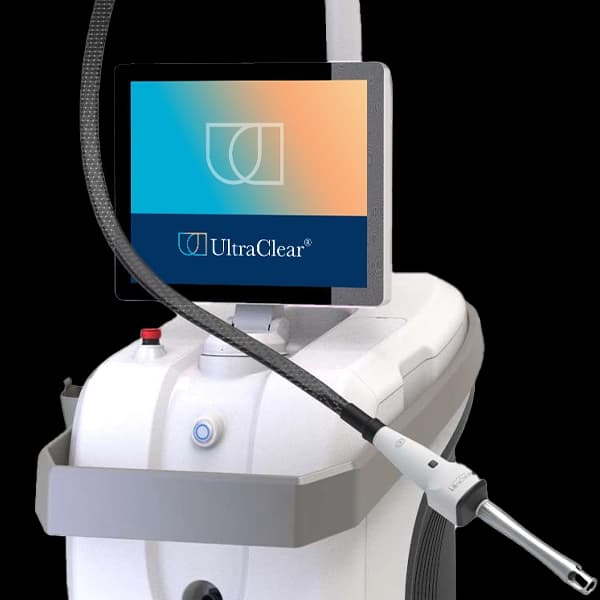
UltraClear represents an evolution in precision resurfacing technology. Its cold fibre-based fractional delivery improves control and reduces excessive thermal injury compared with older ablative systems. Nevertheless, no laser treatment is entirely risk-free. The defining factor in safety is not the device alone, but how it is used. At Dr Joney De Souza’s London clinic, treatment begins with structured consultation. Skin biology, inflammatory history, lifestyle factors, and realistic expectations are assessed before any energy-based procedure is recommended.
When delivered appropriately, UltraClear provides effective collagen stimulation and textural improvement with manageable downtime and a favourable safety profile.