Latest

Sculptra vs Radiesse: What is different?
Sculptra vs Radiesse. What is the difference? The team at Dr Joney De Souza in london explore how these collagen treatments compare.
Blogs
Read the article: Sculptra vs Radiesse: What is different?
Rebuild your own collagen for gradually firmer, better-quality skin. Doctor-led Julaine biostimulator treatment in Marylebone, from £1,300 per session. Book a consultation.
Gradual, natural-looking skin improvement with a Swedish-engineered PLLA formula


If your face has started to look a little flatter or less firm, and you want to rebuild support gradually rather than add instant volume, Julaine is worth a serious look. At Dr Joney De Souza Clinic in Marylebone, patients most often choose Julaine biostimulator treatment for:
Many patients who book Julaine have tried hyaluronic acid fillers and want a different route. Others arrive at the first signs of loss of volume and want to address it early with a more regenerative strategy.
Julaine is at its best when you want firmness and facial support to return gradually over weeks and months. If your priority is a sharper jawline on the day, structural filler is the quicker route and we are happy to guide you there. We confirm suitability at consultation, and it is not recommended during pregnancy or breastfeeding.









Julaine is a next-generation collagen biostimulator based on poly-L-lactic acid (PLLA), developed by Nordberg Medical in Sweden. Rather than adding immediate volume the way a filler does, it prompts your own skin to produce fresh collagen over time, improving firmness, quality and facial support gradually.
Once injected, Julaine encourages the skin’s own biological repair processes to rebuild collagen from within. Results develop progressively over four to twelve weeks, and improvements in firmness, skin quality and texture keep building for several months. It is a slow, natural-looking change rather than a sudden one.
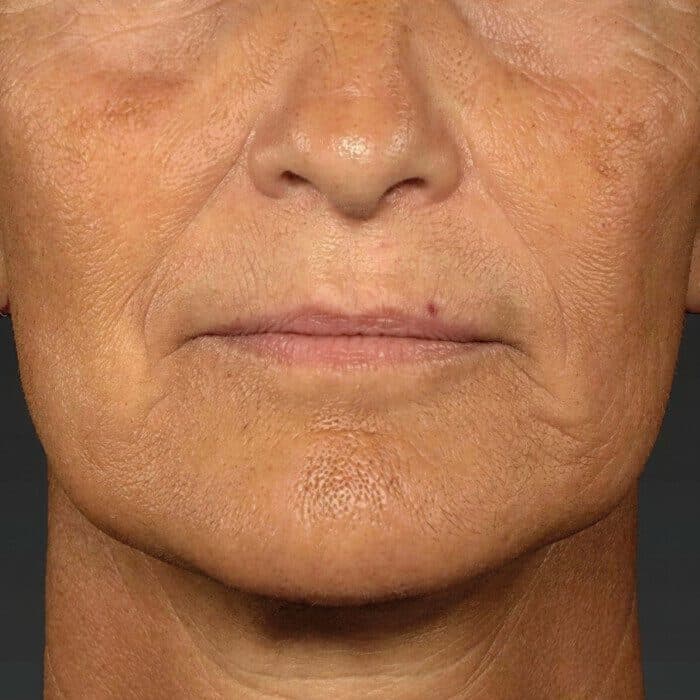
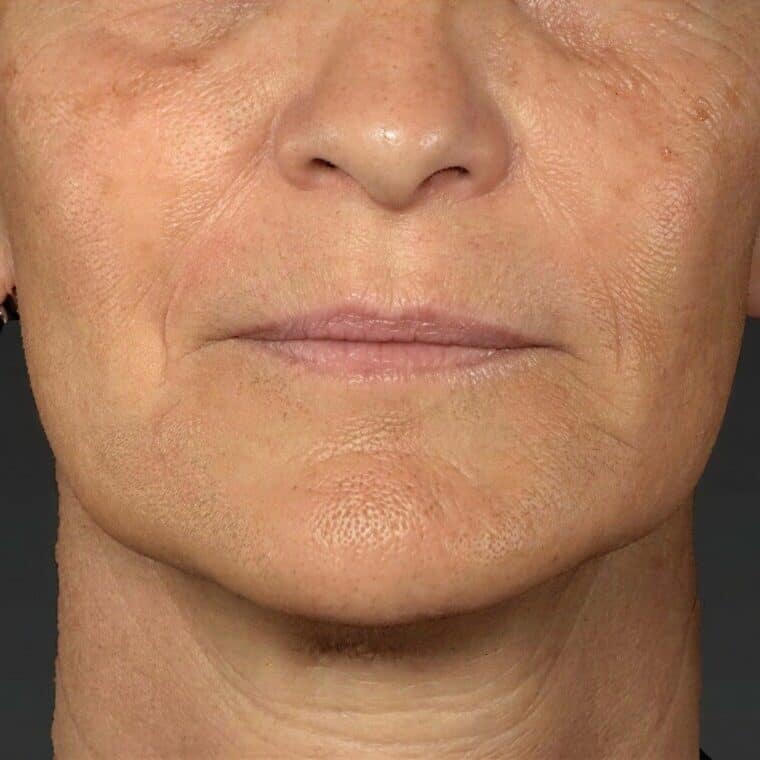
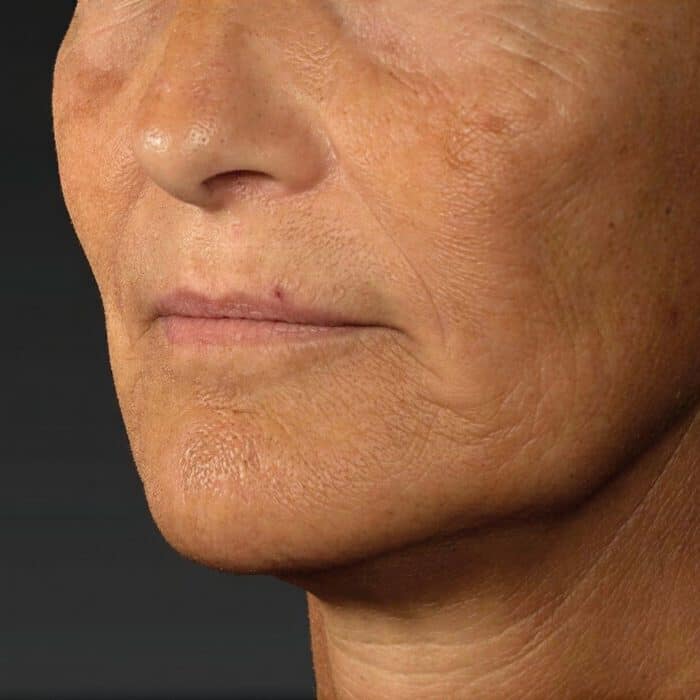
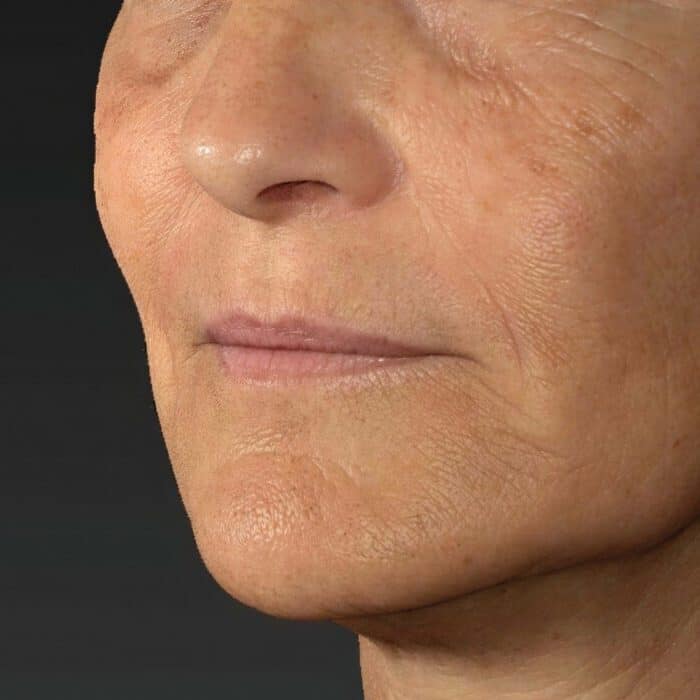
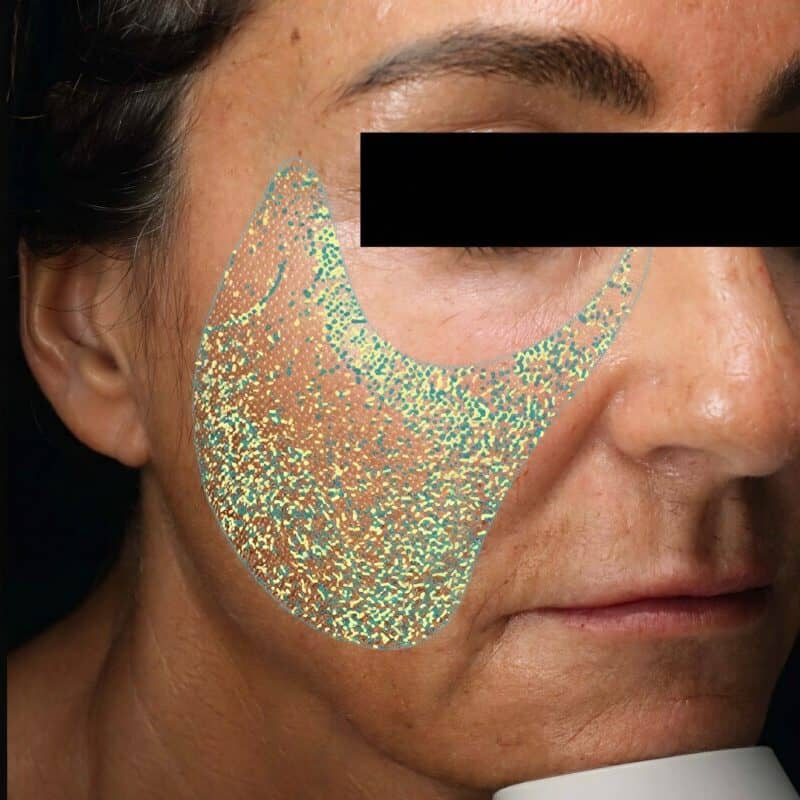
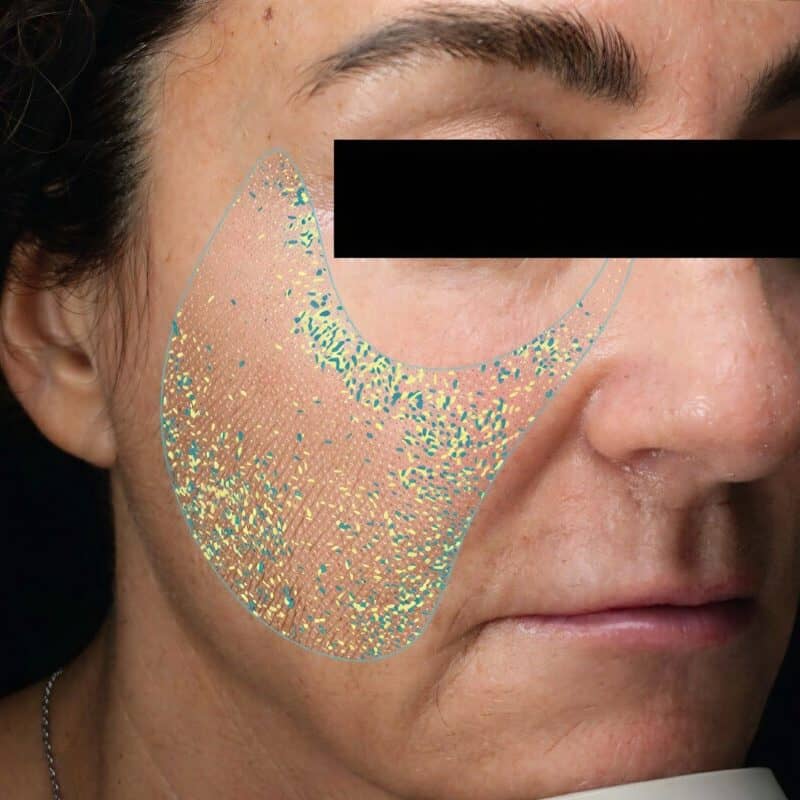
Julaine contains poly-L-lactic acid (PLLA), a biocompatible material that breaks down safely in the body over time. Injected into the skin, it stimulates fibroblasts to produce new collagen, gradually rebuilding the skin’s structural support.
The change is not immediate. Over four to twelve weeks, firmness, skin quality and texture visibly improve as new collagen forms. Most patients benefit from two to three sessions spaced four to eight weeks apart to reach the full result, and the skin continues to mature for several months after the final session.
Your practitioner assesses your skin quality, facial structure and degree of collagen loss, reviews your medical history and talks through your aesthetic goals in detail. That assessment confirms whether Julaine biostimulator treatment is right for you and shapes a personalised plan. You will also learn how many sessions are recommended and what results you can realistically expect.
The skin is cleansed thoroughly, then a topical anaesthetic cream is applied to the treatment area and given time to take full effect. Your practitioner then marks the injection points based on your anatomy and the plan agreed at consultation, so the product is placed precisely and consistently.
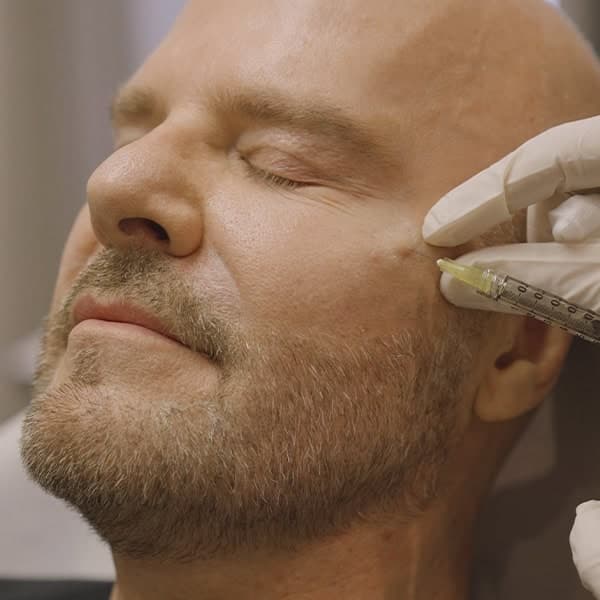
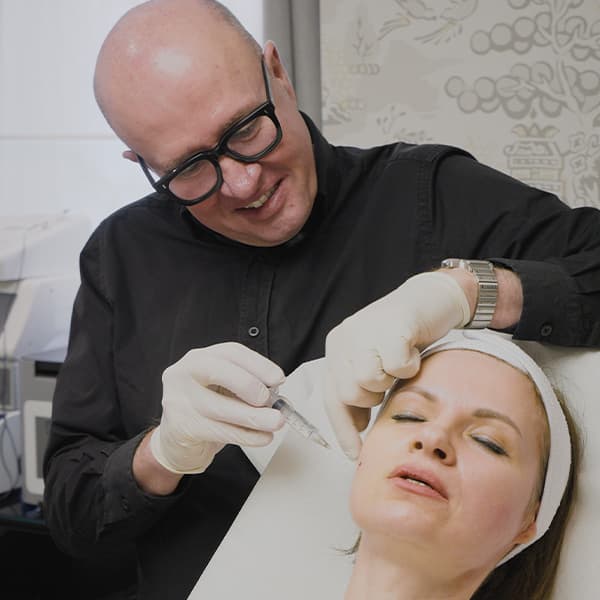
The Julaine solution is injected into the skin using fine needles or a cannula, depending on the area being treated. The product is distributed evenly to support uniform collagen stimulation across the targeted zone. The injection phase takes around 20 to 30 minutes, followed by a brief post-injection massage.
You can return to normal activities straight away. Mild swelling, redness or tenderness at the injection sites usually settles within 24 to 48 hours. You will be asked to massage the treated area as instructed, which helps distribute the product evenly and reduces the small risk of nodule formation.
Julaine results are not visible right after treatment. Collagen stimulation builds steadily over four to twelve weeks, and improvements in skin firmness and quality keep developing over the following months as new collagen forms. This is different from a hyaluronic acid dermal filler, which adds volume on the day.
Most patients benefit from two to three sessions of Julaine treatment, spaced four to eight weeks apart. The exact number depends on your degree of collagen loss, skin condition and goals. Your practitioner discusses the full plan and session schedule at your initial consultation.
Julaine is typically delivered as a course of three sessions, spaced four to six weeks apart. Your practitioner plans the schedule at consultation around your anatomy, skin quality and goals, then reviews your progress before each session and refines the injection approach as your collagen response develops.
Over the full course, results build gradually, and the final outcome keeps maturing for several months after your last session.
As advised at consultation, avoid blood-thinning medications or supplements such as aspirin, ibuprofen, fish oil and vitamin E for 48 hours before treatment, since these raise the risk of bruising. Avoid alcohol for 24 hours beforehand and arrive with clean, makeup-free skin. Tell your practitioner in advance if you have recently had dental work or any active infection in the treatment area.
Before your session, a skin assessment documents your baseline and lets your practitioner plan the injection approach to your specific anatomy.
The session begins with cleansing and application of a topical anaesthetic cream, which takes roughly 20 minutes to take full effect. Your practitioner then marks the injection points from your treatment plan and injects the Julaine solution using fine needles across the targeted areas.
Most patients describe the sensation as mild pressure with a brief sting at each point. The whole appointment takes around 45 to 60 minutes from arrival.
Straight after your session, some redness, mild swelling or tenderness at the injection sites is normal and usually settles within 24 to 48 hours. You will be asked to massage the treated area gently as instructed, which helps the product integrate evenly.
Most patients return to normal activities the same day, but avoid vigorous exercise, saunas and direct sun exposure for 48 hours. Results develop gradually over four to twelve weeks as new collagen begins to form.
Julaine only works as well as the hands placing it, and that is where this Marylebone clinic earns its reputation. Every consultation and treatment is doctor-led, grounded in a thorough understanding of facial anatomy, skin biology and collagen-stimulating treatments. The approach is deliberately conservative, with results that look like good skin rather than obvious work.
Carried out by one of our doctors, Dr Joney De Souza or Dr Mattia Parducci. Your consultation is with Dr Joney De Souza or Dr Mattia Parducci.
“My ‘less is more’ approach has become the mainstay of my practice and clients appreciate that they will have natural looking results.”
His view is that lasting skin health comes from supporting the skin’s own collagen rather than masking change, which is why Julaine builds firmness and quality steadily, working with your skin over time.
Dr Joney De Souza Clinic prices Julaine treatment per session. The price reflects the expertise of the treating doctor, the quality of the product and the personalised assessment and planning included in every booking. At your consultation, your practitioner confirms the recommended number of sessions and builds your full treatment plan.
Most patients benefit from two to three Julaine sessions to achieve the best collagen response. The exact number depends on your degree of collagen loss, skin condition and goals, and your practitioner discusses this at your initial consultation so you can plan and budget clearly from the start.
| Treatment | Price (£) |
|---|---|
JULÄINE™ | 1,300 |
Sculptra is a well-established PLLA-based collagen biostimulator also offered at the London clinic. Like Julaine, it works by stimulating the body’s own collagen production over time. The two have different formulations, so they can suit different patients depending on anatomy, degree of collagen loss and goals.
If you are unsure whether Julaine or Sculptra is the better fit, your practitioner can talk through both at consultation. The dedicated Sculptra London page covers that treatment in full, and a Julaine versus Sculptra comparison gives you a side-by-side overview before booking.
Below are answers to the most common questions about Julaine treatment. For personalised advice, contact the team at Dr Joney De Souza Clinic in Marylebone.
Julaine is a PLLA-based collagen biostimulator developed by Nordberg Medical in Sweden. Once injected into the skin, it stimulates your own collagen production, gradually improving firmness, skin quality and facial support over several weeks and months. Results keep building for up to twelve weeks after each session.
Julaine is commonly used on the cheeks, temples, jawline and mid-face, and in some cases the lower face and neck. The right areas for you depend on your anatomy and goals, confirmed at consultation.
Most patients need two to three Julaine sessions for the best result, spaced four to eight weeks apart so each treatment can take full effect. Your recommended plan is confirmed at your initial consultation based on your skin condition and goals.
Julaine results can last up to two years or longer, depending on your skin response, lifestyle and the number of sessions completed. A maintenance session often supports the result at the right time, and your progress is reviewed at follow-up appointments.
No. Julaine is a collagen biostimulator, not a traditional hyaluronic acid filler. It does not create immediate volume. Instead it stimulates the skin to produce new collagen gradually over several weeks, so improvements look completely natural.
Both use PLLA to stimulate collagen, but they are different products with distinct formulations and treatment characteristics. Your practitioner discusses which suits your anatomy and goals at consultation, and a detailed Sculptra page and Julaine versus Sculptra comparison are available if you want to understand both options in full.
Julaine suits adults with early to moderate signs of collagen loss, skin laxity or reduced skin quality who prefer a gradual, natural-looking result. Full suitability is assessed at a face-to-face consultation covering your medical history, skin condition and goals.
Most patients describe mild pressure and a brief sting at each injection point. A topical anaesthetic cream is applied beforehand to reduce discomfort, and the majority of patients tolerate the procedure well and find it manageable.
Avoid intense exercise, saunas, alcohol and direct sun exposure for 24 to 48 hours. You will be asked to massage the treated area gently as instructed, which supports even distribution of the product and reduces the small risk of nodule formation. Normal daily activities are usually possible the same day.
Yes, Julaine often complements other procedures. Depending on your goals, your practitioner may suggest combining it with polynucleotides for skin repair, Profhilo for hydration, or Morpheus8 for tissue tightening. The timing and sequence need careful planning to avoid over-treatment.
No. Julaine biostimulator treatment is not suitable during pregnancy or breastfeeding. It is also not recommended for patients with active skin infections, certain autoimmune conditions or a history of keloid scarring in the treatment area. Suitability is always confirmed at a full medical consultation before any treatment begins.
Below are answers to common questions about Julaine costs, how it compares with other treatments, and the safety considerations relevant to it.
Julaine treatment at Dr Joney De Souza Clinic costs £1,300 per session. Most patients need two to three sessions for the best result, and the full plan and total cost are outlined at your initial consultation.
For patients with early to moderate collagen loss who want gradual, natural-looking improvement, Julaine offers a long-term result that can last up to two years. Value depends on your goals and anatomy, discussed openly at consultation, and patients who complete a full course consistently report visible, satisfying results.
Profhilo is a hyaluronic acid skin booster that mainly improves hydration and quality. Julaine is a PLLA biostimulator that builds new collagen for longer-term structural improvement. In some cases both are combined as part of a regenerative programme, addressing hydration and collagen support together.
Neither is universally better. Julaine and Sculptra are both PLLA-based biostimulators with different formulations and clinical uses. The most appropriate option is chosen around your anatomy, collagen status and goals, and some patients suit a combination of both.
Yes, in many cases. Polynucleotides support skin repair and regeneration at a cellular level, while Julaine stimulates new collagen for structural improvement. A combined regenerative programme can be designed at consultation if this suits your goals and skin condition.
PLLA stands for poly-L-lactic acid. It is a biocompatible, biodegradable material used safely in aesthetic medicine for many years, with a long history in medical applications such as dissolvable sutures, supporting its well-established safety profile in the body.
Common side effects include temporary swelling, redness or bruising at the injection sites, which usually settle within 24 to 48 hours. In rare cases nodules or other tissue reactions can occur. All risks, contraindications and aftercare are discussed fully at consultation.
Dermal fillers, typically hyaluronic acid, add immediate volume to specific areas. Julaine instead stimulates your body to produce its own collagen over several weeks, so changes develop gradually and structurally rather than on the day. Patients who want instant results are better suited to fillers than biostimulators.
In many cases, yes. The timing, amount and location of previous filler can influence the Julaine plan, so your full treatment history is reviewed at consultation before Julaine is recommended, and you will be advised whether any waiting period is appropriate.
You can book a Julaine consultation at the Marylebone clinic using the Book Online button on this page, or by sending a WhatsApp message to the clinic. At the consultation your suitability is assessed and a personalised plan is outlined. You can also call the clinic directly to arrange your appointment.
I had my first Julaine session with Dr De Souza six weeks ago and I am already noticing a real improvement in my skin firmness and texture. The results are subtle and completely natural-looking. Dr De Souza was thorough in explaining how the treatment works and what to expect. I feel much more confident in my skin and have already booked my second session.
After researching Julaine treatment in London for several months, I chose Dr Joney De Souza based on his reviews and experience. The consultation was genuinely informative and he took time to explain the collagen stimulation process properly. Three months after my treatment, the improvement in my skin quality is clearly visible and I have had several comments about how refreshed I look.
I had Julaine treatment at Dr De Souza’s Marylebone clinic and the experience from start to finish was excellent. The aftercare advice was clear and the swelling settled within a day. Over the following weeks my skin gradually looked firmer and more radiant. I would absolutely recommend Dr De Souza for anyone considering Julaine treatment in London.
From the journal
Latest
Sculptra vs Radiesse. What is the difference? The team at Dr Joney De Souza in london explore how these collagen treatments compare.
More from the journal