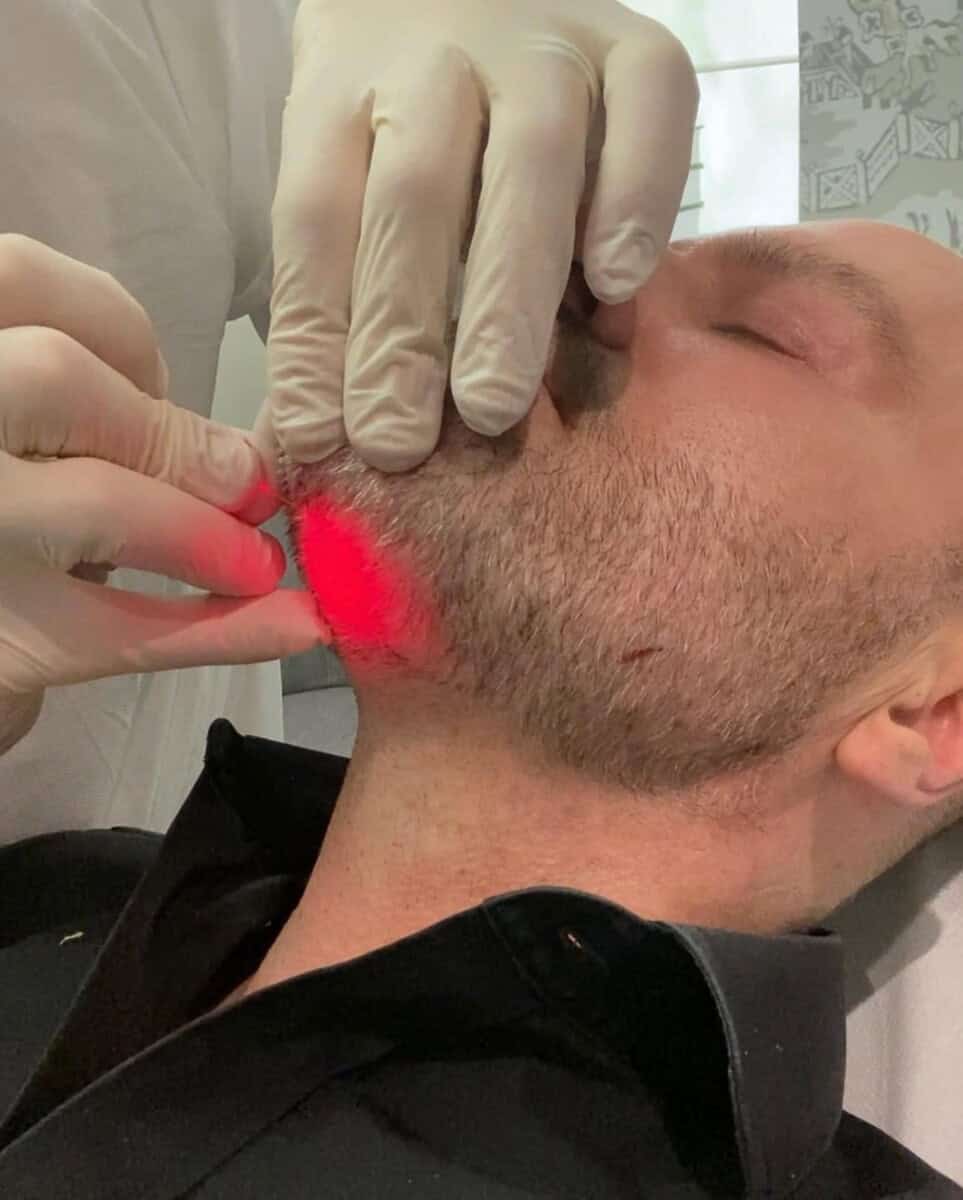
Latest

Sculptra vs Radiesse: What is different?
Sculptra vs Radiesse. What is the difference? The team at Dr Joney De Souza in london explore how these collagen treatments compare.
Blogs
Read the article: Sculptra vs Radiesse: What is different?
Doctor-led Sculptra in Marylebone rebuilds your own collagen gradually for natural, lasting volume. From £500 per vial. Book a consultation.


If your face has started to look flatter or more deflated over the past few years, and creams and everyday fillers no longer seem to touch the underlying loss of firmness, Sculptra in Marylebone is designed for you. It suits people, most often from their mid-thirties onwards, who notice their cheeks, temples and jawline losing structure rather than gaining a single new line. Age is a guide, not a rule, so suitability is assessed on your face, not your birthday.
Sculptra is well suited to people with one or more of the following concerns:
Sculptra also suits people who have used hyaluronic acid fillers before but want to rebuild the collagen framework itself rather than keep topping up lost volume. It uses no donor tissue and no animal-derived ingredients, so it works for those who prefer a synthetic but biocompatible option.
Sculptra is at its best for gradual, natural results that last far longer than a standard top-up. For an instant change, or to lift heavier sagging, we will guide you to the right option at consultation. Suitability is confirmed first, and it is not recommended during pregnancy or breastfeeding, with active skin infections, certain autoimmune conditions or a history of keloid scarring.
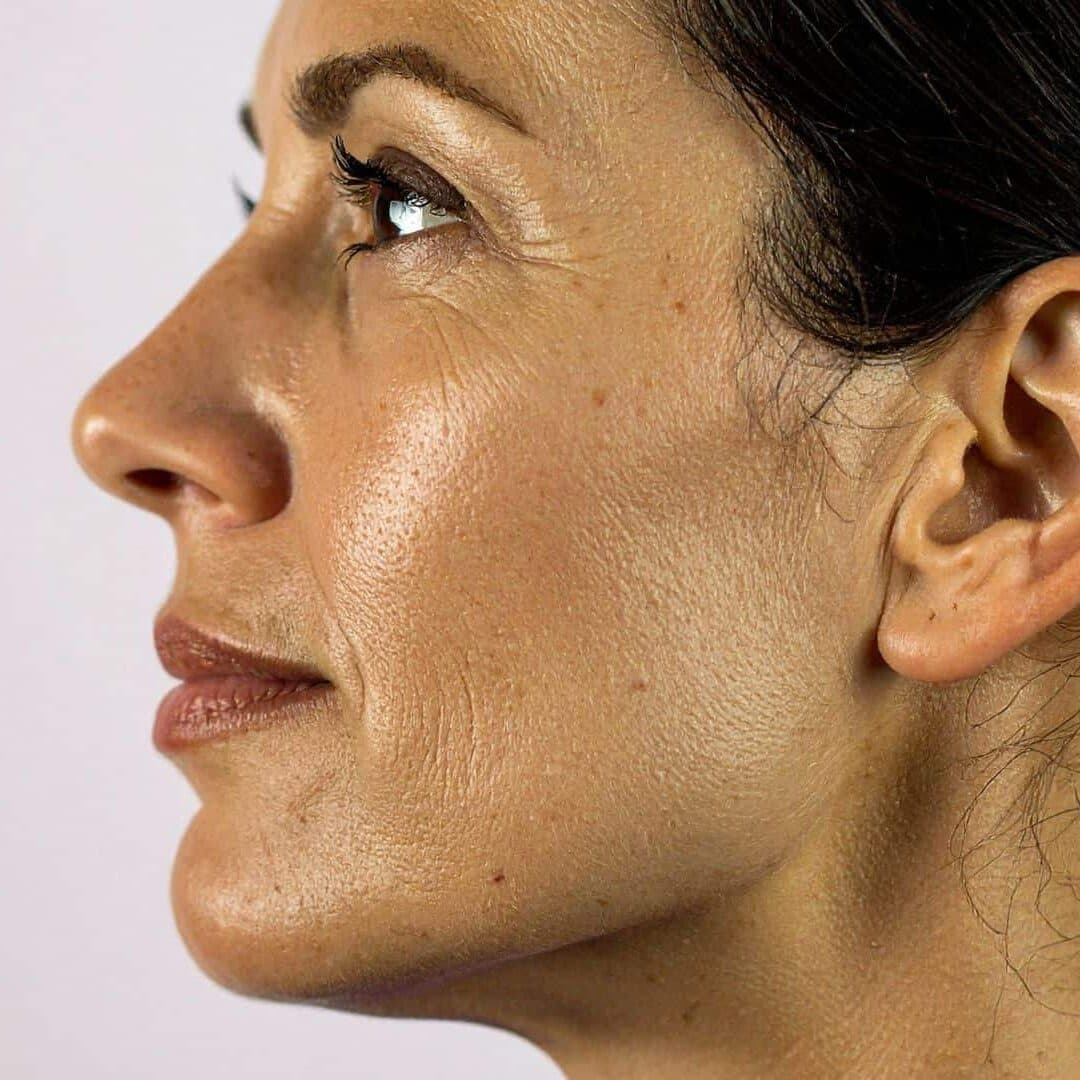








Sculptra is a collagen-stimulating injectable built around poly-L-lactic acid (PLLA), a biocompatible and biodegradable synthetic polymer. It does not add volume the moment it goes in. It works by prompting your own fibroblast cells to make fresh collagen slowly over the weeks and months that follow.
A diluted suspension of fine PLLA microparticles is placed beneath the skin in targeted areas of the face. Those microparticles stimulate new collagen fibres, and the structure, firmness and support that thin with age are rebuilt from within.
The change arrives quietly, without the sudden shift that can follow an instant volume treatment. Most people benefit from two to three sessions, results keep improving over several months, and the effect lasts up to two years with appropriate maintenance.
Our Sculptra patients typically notice gradual improvement in facial volume, skin firmness and structural definition over 6 to 8 weeks following their first session. Results continue to develop as new collagen builds across a course of treatment, creating a naturally refreshed and lifted appearance.

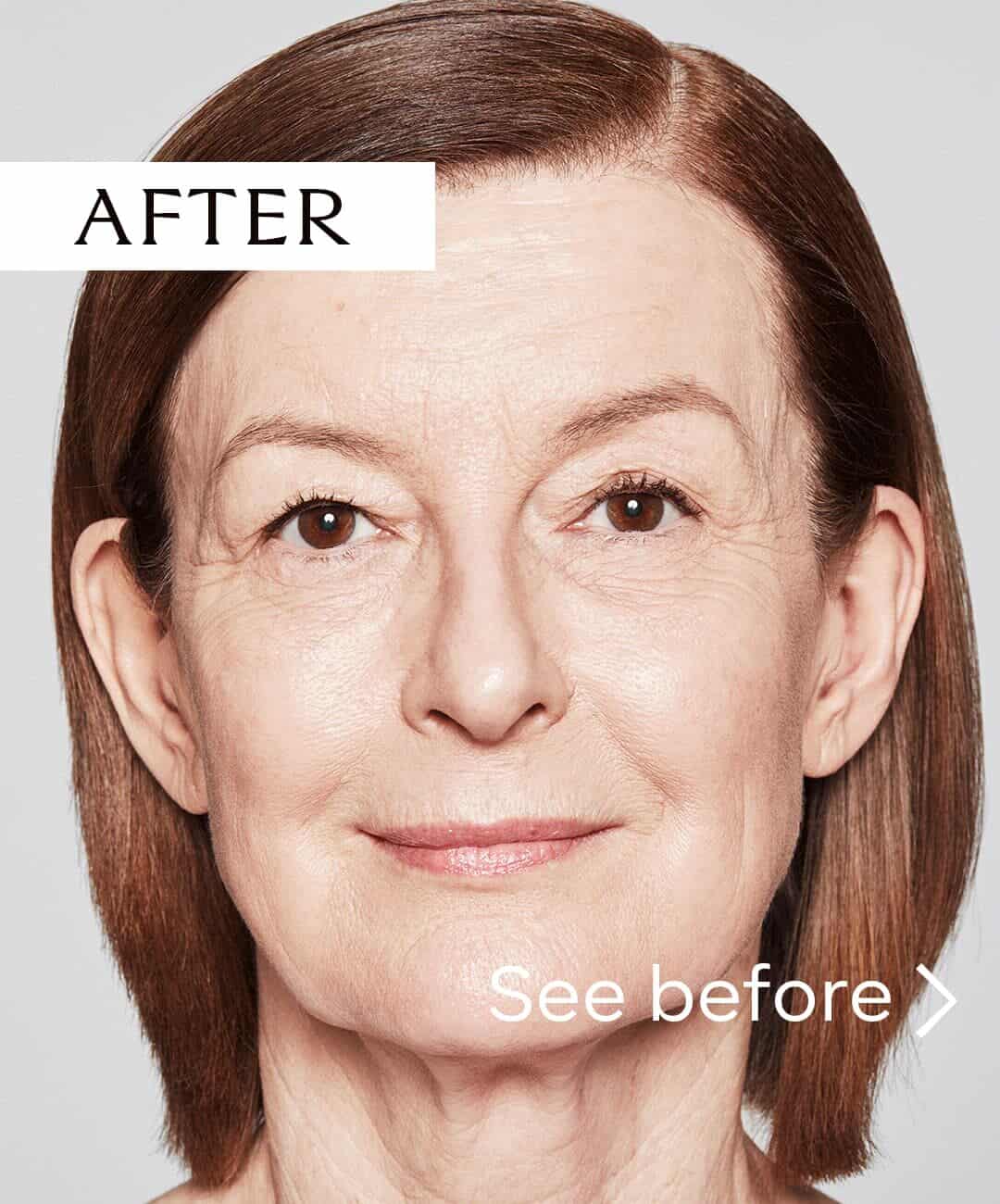

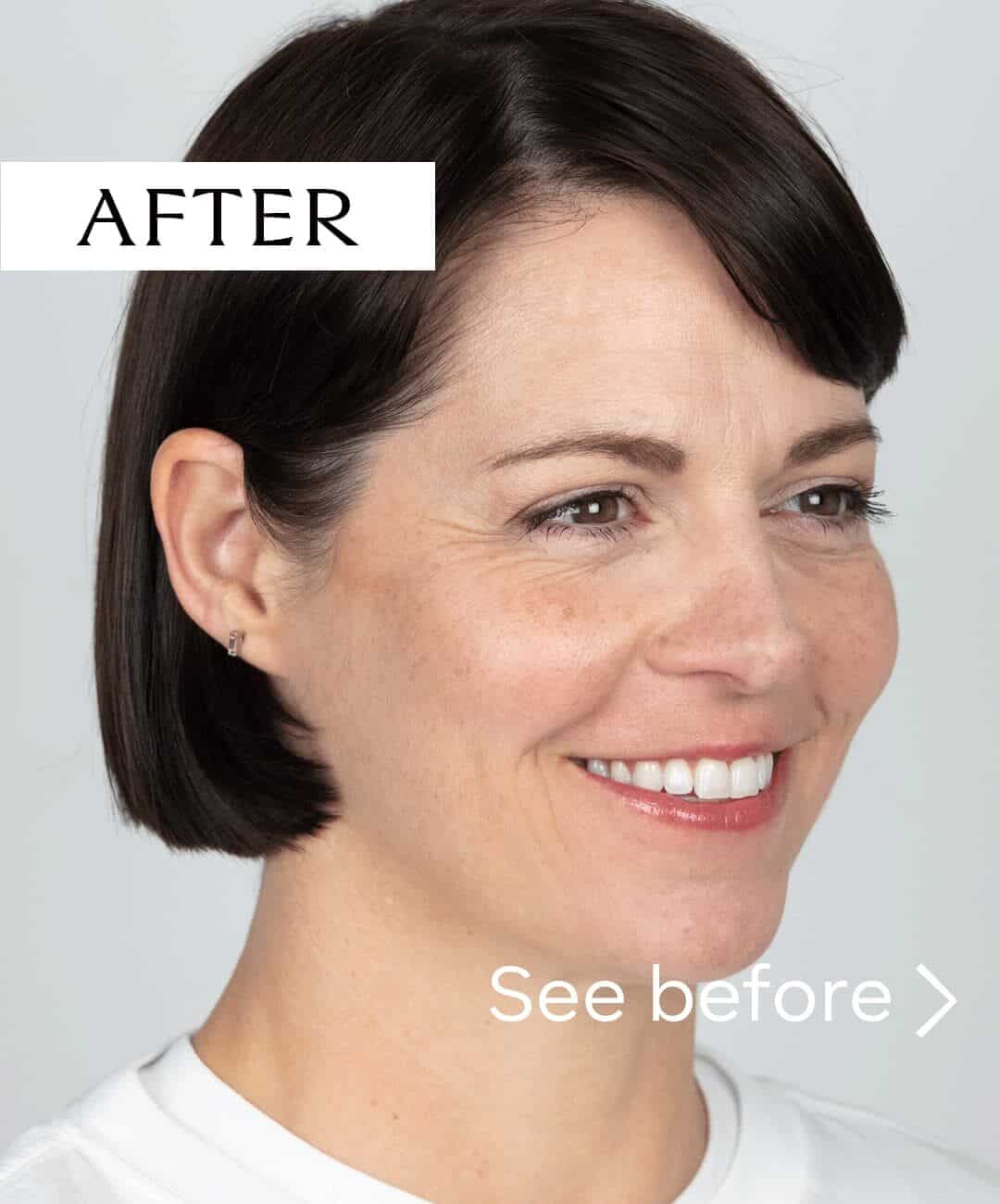
Sculptra places PLLA microparticles into the layer of tissue just under the skin, where they trigger a controlled fibroblast response. Your skin then produces new collagen over the following weeks, rebuilding the scaffold that naturally thins with age. You are not being filled, you are being prompted to regrow your own support structure, which is why the result reads as your face on a better day rather than a treated face.
Your practitioner assesses your facial anatomy, the pattern of collagen loss and any skin laxity at a detailed consultation. You talk through what is bothering you and what you want the result to feel like, then a precise plan is agreed before any injections begin, including the number of sessions and vials suited to your face.
On the day, the skin is thoroughly cleansed and a topical anaesthetic cream may be applied to the treatment areas. Most people find the injections well tolerated. The diluted Sculptra solution is prepared at the clinic to the correct concentration and reconstitution time, since both affect how the product performs.
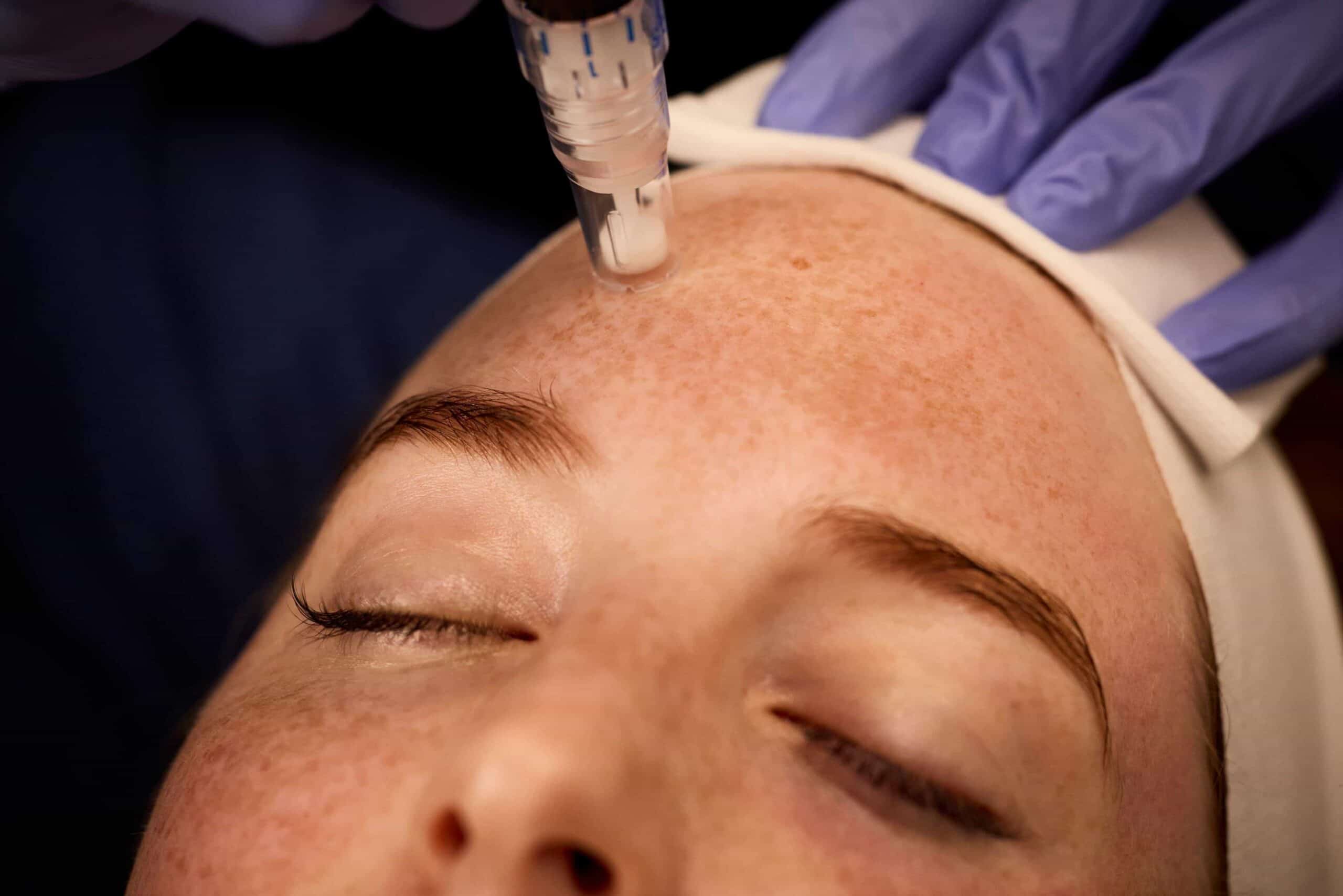
Using fine needles, the solution is placed into the tissue beneath the skin across the targeted areas. Placement follows the natural contours of your face, with careful, even distribution. Sessions usually take 45 to 60 minutes, depending on how many areas are treated.
Straight after injection, the treated area is massaged to spread the product evenly, which helps reduce the risk of nodules forming. You also receive clear aftercare, including how to keep massaging at home using the 5-5-5 guideline: five minutes, five times a day, for five days.
Over the following weeks, the PLLA microparticles prompt your fibroblasts to make new collagen. Results start to show from six to eight weeks after your first session and keep developing over three to six months. The change is gradual, so it looks natural and is rarely spotted by others as a sudden shift.
A review appointment lets your practitioner judge your collagen response before planning the next session. Most people complete their course over two to three sessions, spaced six to eight weeks apart. After that, a maintenance session every 12 to 18 months helps hold the structure you have built.
Sculptra is usually delivered as a course of three sessions, spaced four to six weeks apart. Your schedule is planned at consultation around your anatomy, the degree of volume loss and your goals, then reviewed before each session so the injection approach can be refined as your collagen response develops. Across the full course, new collagen forms gradually, and the final result keeps maturing for several months after your last session.
In the week before your session, avoid blood-thinning medications and supplements such as aspirin, ibuprofen, fish oil and vitamin E, since these raise the risk of bruising. Skip alcohol for 24 hours beforehand and arrive with clean, makeup-free skin. If you have recently had dental work or any infection in the area, mention it in advance. A brief VISIA skin analysis lets your practitioner document your baseline and tailor placement to your anatomy.
The session opens with cleansing and a topical anaesthetic cream, which takes around 20 minutes to take full effect. The injection points are then marked from your plan, and the solution is placed with fine needles across the targeted areas. Most people describe the feeling as mild pressure and a brief sting at each point. The injection phase runs around 20 to 30 minutes, followed by a massage to spread the product evenly. From arrival to leaving, expect roughly 60 minutes.
Some redness, mild swelling or tenderness at the injection sites is normal straight afterwards and usually settles within 24 to 48 hours. Follow the 5-5-5 massage rule: massage the treated area for five minutes, five times a day, for five days. This lowers the risk of nodules and helps the product settle evenly into the tissue. Most people return to normal activities the same day, though it is best to avoid vigorous exercise, saunas and direct sun for 48 hours. Results build gradually over six to eight weeks as new collagen begins to form.
With Sculptra, the outcome rests almost entirely on the injector’s grasp of facial anatomy, their experience with biostimulators and their precision in placement. Get those right and the result looks like nothing more than good skin. Get them wrong and you risk lumps or an overfilled look. At Dr Joney De Souza Clinic in Marylebone, treatment is doctor-led throughout, with a conservative approach that favours the smallest effective volume over the maximum number of vials.
Carried out by one of our doctors, Dr Joney De Souza or Dr Mattia Parducci. Your consultation is with Dr Joney De Souza or Dr Mattia Parducci. New patients begin with a detailed facial assessment, including VISIA skin analysis, before anything is agreed, and there is no obligation to proceed afterwards. All aftercare support, including massage guidance, is provided as standard.
“My ‘less is more’ approach has become the mainstay of my practice and clients appreciate that they will have natural looking results.”
For anyone considering Sculptra, Marylebone is easy to reach from across Central and North West London. Same-day results are not the aim here. If you value real collagen improvement that develops naturally over time, Sculptra at Dr Joney De Souza Clinic offers a clinically sound, evidence-based route to facial rejuvenation.
By encouraging your skin to rebuild its own collagen framework rather than borrowing volume from a syringe, Sculptra is an investment in your skin’s underlying structure and its long-term health.
At Dr Joney De Souza Clinic, Sculptra costs £500 per vial. Most people need two to three sessions across a course, each using one or more vials depending on anatomy and the degree of volume loss. Booking a course of three vials saves compared with individual sessions.
One vial per session is the usual starting point for anyone new to Sculptra. If you have more pronounced volume loss or are treating several areas, a higher vial count across the course may be recommended. Your practitioner confirms the right number at consultation, based on your anatomy and clinical assessment.
| Treatment | Price (£) |
|---|---|
Sculptra | 725 |
Julaine is a newer-generation poly-L-lactic acid biostimulator that offers a different route to collagen stimulation. Like Sculptra, it works gradually by prompting fibroblasts to make new collagen, but the two differ in formulation, particle size and the pattern of collagen they generate.
Both Sculptra and Julaine are offered at the Marylebone clinic, and the recommendation between them is based on your anatomy, goals and pattern of collagen loss. If you are unsure which biostimulator fits, a consultation lets you compare both approaches and leave with a personalised recommendation.
The two can also complement each other as part of a staged biostimulator programme. For advice on which option suits your skin, WhatsApp our team before booking.
Below are the questions people most often ask about Sculptra in London. For anything not covered here, WhatsApp our team directly for a quick answer.
Sculptra is a collagen-stimulating injectable built around poly-L-lactic acid (PLLA). Unlike dermal fillers that add volume directly, it prompts your fibroblast cells to make new collagen gradually over time. A diluted PLLA solution is placed beneath the skin in targeted areas, the microparticles trigger a controlled biological response, and new collagen fibres form over the following weeks. Results become visible from six to eight weeks and keep developing over three to six months.
Sculptra suits areas where volume loss and collagen depletion are the main concern, including the temples, mid-cheek, cheekbones, jawline, chin and the area around the mouth. It can also improve overall skin quality and firmness across broader zones rather than a single point. Treatment areas are agreed at consultation based on your anatomy and clinical assessment.
Most people benefit from a course of two to three sessions, spaced six to eight weeks apart. Each session builds on the collagen response from the last, for a cumulative improvement. Those with more significant volume loss may need additional sessions as part of a longer plan. The right number of sessions and vials is recommended at consultation, based on your anatomy.
Results develop gradually. Most people notice early gains in firmness and structural support from six to eight weeks after their first session, and the full result keeps building over three to six months as new collagen forms. The change happens over time, so it looks natural and is rarely noticed as a sudden shift by others.
A course of two to three sessions typically delivers results lasting 18 months to two years or more. Longevity depends on the number of sessions completed, your individual collagen response, age and lifestyle. A maintenance session every 12 to 18 months helps preserve the structure you have built.
For mild volume loss, or as a preventative starting point, one vial may be appropriate. It is rarely enough on its own for meaningful structural restoration across several areas, and most people need two to three vials over their course. The right vial count is assessed at consultation based on your anatomy and degree of collagen loss.
For many people, two to three vials across a course is a practical and effective starting point. The number needed depends on the areas treated, the degree of volume loss and your individual response. Often one vial per session is recommended, with results reviewed between sessions before the total is confirmed. Some achieve satisfying results with two vials, others benefit from a third to complete the course.
The 5-5-5 rule is the standard aftercare: massage the treated area for five minutes, five times a day, for five days after your session. This spreads the PLLA microparticles evenly and reduces the risk of nodules. The correct technique is demonstrated at your appointment, with written instructions to take home.
Most people find Sculptra well tolerated. A topical anaesthetic cream is applied beforehand to reduce discomfort, and the injection itself usually gives a mild stinging or pressure sensation that passes quickly. Tenderness at the injection sites is common for 24 to 48 hours and usually settles on its own. Significant pain is uncommon, so contact the clinic promptly if it occurs.
Yes. Sculptra combines well with several treatments depending on your concerns and goals. It is commonly used alongside anti-wrinkle injections, hyaluronic acid fillers, polynucleotides and Profhilo as part of a staged programme. Each combination needs careful planning to avoid over-treatment, so combinations are discussed at consultation and staged appropriately.
Sculptra suits people who prefer gradual, natural-looking results over immediate volume and who are happy to commit to a course of two to three sessions. It works best for volume loss, collagen depletion, skin laxity or early facial deflation. It is not appropriate during pregnancy or breastfeeding, with active skin infections or certain autoimmune conditions. Suitability is always confirmed at consultation before any treatment begins.
Below are the questions people most often ask about how Sculptra compares to other treatments, what to expect on safety, and what it costs. For personalised advice, WhatsApp our team directly.
Related reading: Sculptra vs Radiesse.
At Dr Joney De Souza Clinic in Marylebone, Sculptra is £500 per vial. A course of three vials is available for £1,350, saving £150 compared with three individual sessions. Most people need two to three vials across a course, depending on anatomy and the degree of volume loss. Final pricing is confirmed at consultation based on your agreed plan.
For anyone who wants gradual, natural-looking collagen restoration that lasts, Sculptra offers strong clinical value. Unlike hyaluronic acid fillers that need replacing every six to twelve months, a Sculptra course typically lasts 18 months to two years. The investment supports genuine collagen production rather than temporary tissue displacement, and many find the longer duration and natural progression justify the cost against more frequent filler sessions.
Hyaluronic acid dermal fillers add immediate volume by physically filling the space beneath the skin. Sculptra adds no direct volume, instead stimulating fibroblasts to make new collagen gradually over weeks. The change appears more slowly but lasts far longer: fillers are typically absorbed within six to twelve months, while Sculptra results last 18 months to two years or more. The two are complementary and can be used together as part of a planned programme.
Both stimulate collagen, but through different mechanisms and to different ends. Profhilo is a highly concentrated hyaluronic acid that hydrates the skin and triggers a broad bioremodelling response, improving quality and laxity. Sculptra stimulates structural collagen via PLLA microparticles and is used mainly for volume restoration and facial support. The choice comes down to whether your main concern is skin quality and hydration, which points to Profhilo, or structural volume loss, which points to Sculptra. Many people benefit from both as part of a staged plan.
Both are collagen-stimulating injectables, but they use different substances and work in distinct ways. Radiesse is calcium hydroxylapatite, which gives immediate volume alongside collagen stimulation over time. Sculptra is poly-L-lactic acid, which gives no immediate volume but stimulates collagen gradually over weeks. Radiesse is partially reversible using hyaluronidase in off-label use, while Sculptra is not reversible. The choice depends on your anatomy, your preference, and whether an immediate visible change matters to you.
Sculptra has a well-established safety record across more than two decades of clinical use. Poly-L-lactic acid is biocompatible and biodegradable, so the body gradually absorbs it over time without accumulation. Common side effects are temporary swelling, redness or bruising at the injection site, which resolve within a few days. The most important safety point is sticking to the 5-5-5 massage aftercare, which reduces the risk of nodules. All treatment at the clinic is doctor-led, by a GMC-registered doctor with specialist training in facial anatomy.
The most common side effects are temporary swelling, redness, bruising and mild tenderness at the injection sites, which usually settle within two to five days. Some people notice small bumps or nodules beneath the skin, which can happen if the massage aftercare is not followed correctly. Most resolve over time without intervention, and in rare cases medical management is needed. Serious adverse events are uncommon when a trained, experienced practitioner follows correct technique and dilution.
Yes, nodule formation is a recognised but uncommon side effect. It is most likely when the product is not spread evenly or the post-treatment massage is not done correctly, which is why the 5-5-5 rule is strongly recommended after every session. Superficial nodules often resolve over time, while deeper or persistent ones may need assessment and treatment. Choosing an experienced, medically trained injector significantly reduces this risk.
Sculptra is not reversible the way hyaluronic acid fillers are, as there is no enzyme equivalent to hyaluronidase that dissolves PLLA. PLLA is biodegradable, so though, the body gradually absorbs it over time. If you are not happy with the outcome, changes will naturally fade over the following months as the product breaks down and collagen remodels. This is one reason a conservative approach, starting with fewer vials for new patients, is preferred.
Sculptra needs precise placement in the tissue beneath the skin, accurate dilution and a clear understanding of facial anatomy to be safe, consistent and free of complications. A doctor-led approach keeps treatment planning, injection technique and complication management within one clinical standard. Treatment is carried out by one of our doctors, Dr Joney De Souza or Dr Mattia Parducci, rather than delegated to a therapist or nurse injector, and new patients receive a full facial assessment before any treatment is agreed.
I had my first Sculptra session with Dr De Souza three months ago and the results have been remarkable. My cheeks look fuller and more defined and nobody can tell I have had anything done. The treatment was comfortable and the aftercare guidance was really thorough. I have already booked my second session.
After years of using fillers I wanted something more natural and longer lasting. Dr De Souza recommended Sculptra as the right approach for my face shape and I am so glad I listened. The results have developed beautifully over the past two months and I look genuinely refreshed without looking done. Highly recommend the clinic.
Dr De Souza was incredibly thorough at the consultation and explained exactly how Sculptra works and what to expect. The injection itself was much more comfortable than I expected and the team followed up afterwards to check on my recovery. Four months in and the improvement in my jaw definition is significant. Well worth it.
From the journal
Latest
Sculptra vs Radiesse. What is the difference? The team at Dr Joney De Souza in london explore how these collagen treatments compare.