Written by the team at Dr Joney De Souza Skin and Laser. 15th February 2026
Choosing a resurfacing treatment involves more than comparing brand names. Skin condition, recovery time, and long-term goals all influence which laser is appropriate.
At Dr Joney De Souza’s clinic in Marylebone, London, treatment selection follows careful consultation. Two commonly discussed options are UltraClear and CO2 laser. Both improve skin texture and stimulate collagen, but they differ in intensity and downtime.
The CO2 laser has been used for many years to treat deeper skin concerns. It works by removing damaged outer layers of skin while heating the layers beneath to encourage new collagen formation.
It is often chosen for:
Because it treats the skin more intensively, recovery can take one to two weeks or longer depending on how deep the treatment goes. Redness and peeling are expected. It may also carry a higher risk of pigmentation changes in darker skin tones if not carefully managed.
CO2 remains effective, but it requires a longer healing period.
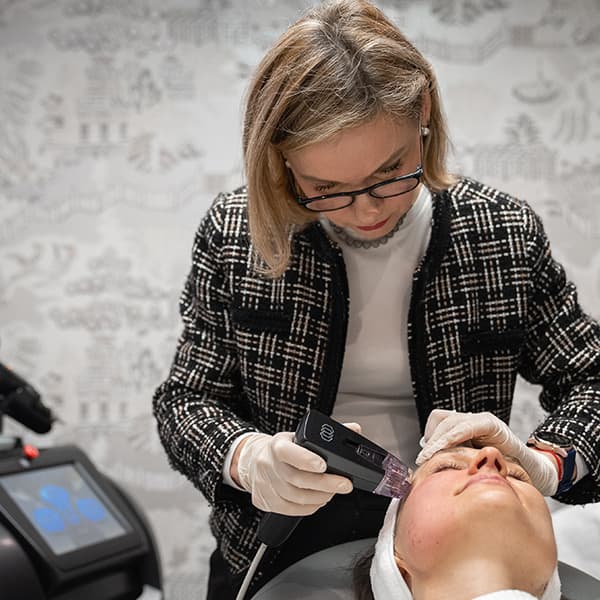
UltraClear uses cold fibre based fractional technology to treat the skin in a more controlled way. Instead of removing large areas at once, it creates tiny treatment zones while leaving surrounding skin untouched. This helps the skin heal faster.
UltraClear is commonly used for:
Downtime is usually shorter than CO2 treatment, often lasting several days rather than weeks. Redness and light peeling are common, but most patients return to normal activities more quickly.
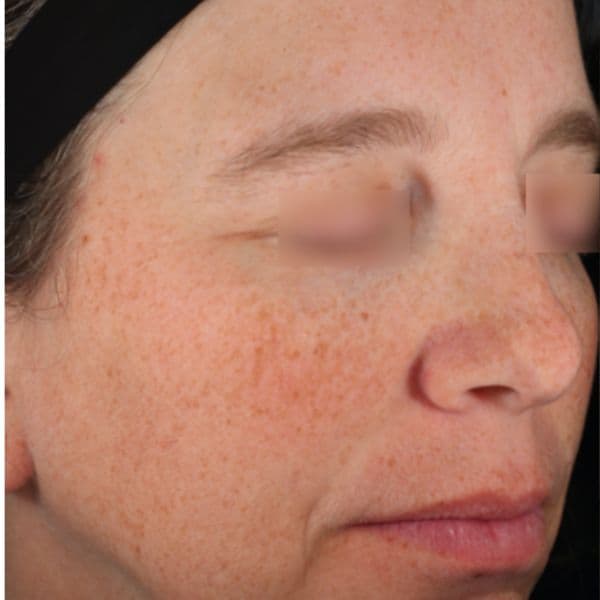
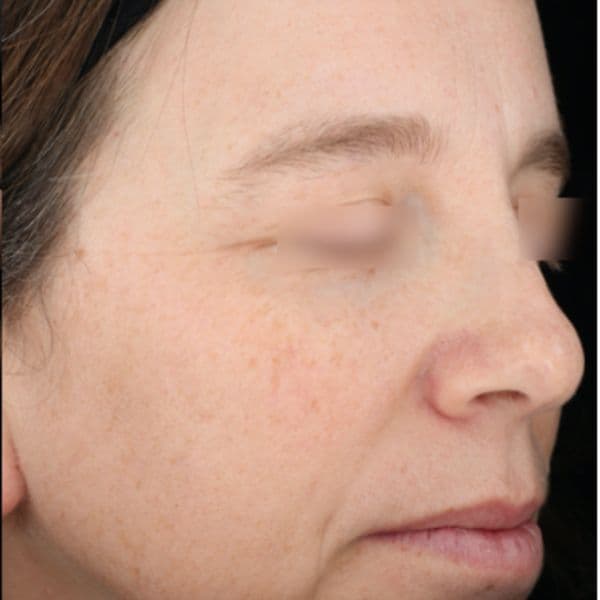
UltraClear is a newer laser platform designed to resurface and refresh the skin while giving your clinician more control over intensity and recovery time. Traditional CO2 lasers are highly effective for deeper resurfacing, but they can involve more downtime and a longer “social recovery” depending on the settings used. The right choice usually comes down to your skin concern, your tolerance for downtime, and how aggressively you want to treat texture, lines or scars.
| Feature | UltraClear | CO2 Laser |
|---|---|---|
| Intensity | Moderate, controlled resurfacing | Deeper, more intensive resurfacing |
| Best For | Moderate ageing, texture issues, acne scars | Deep wrinkles, advanced skin damage |
| Downtime | Several days | 7–14+ days depending on depth |
| Comfort | Generally well tolerated | More intensive treatment experience |
| Skin Types | Suitable for a wider range of skin tones | Requires careful assessment in darker skin types |
Both treatments can help acne scarring, but it depends on the type and depth of scarring.
CO2 resurfacing can be very effective for deeper texture change, while UltraClear can be a strong option for improving scar texture with more flexible treatment settings and recovery profiles. Many people do best with a personalised plan that may include multiple sessions and combination treatments rather than a single “one and done” approach.
CO2 is often chosen for more advanced lines and more significant photoageing where deeper resurfacing is needed. UltraClear can be excellent for improving fine lines, tone and surface texture, especially when you want visible improvement with a more manageable downtime plan. Your clinician will usually match the treatment depth to the area (for example, around the mouth and eyes) and your skin type.
Comfort varies based on treatment depth, numbing, and individual sensitivity.
Generally speaking, both treatments are performed with topical anaesthetic, and deeper resurfacing will feel more intense.
UltraClear protocols can often be tailored to reduce treatment intensity if comfort is a priority, while CO2 resurfacing at higher settings can be more demanding during and after treatment.
There is no single “best” laser. The right option depends on how significant the skin concern is and how much recovery time you can accommodate.
Patients with deeper wrinkles or more advanced skin damage may benefit from CO2 resurfacing. However, many patients looking to improve texture, acne scars, or early signs of ageing prefer UltraClear because it offers noticeable improvement with shorter downtime.
At Dr Joney De Souza’s London clinic, every laser recommendation follows a thorough consultation. Skin type, history of pigmentation, lifestyle, and expectations are all considered before deciding on treatment.
The most appropriate laser is the one that matches your skin, your goals, and your recovery tolerance.