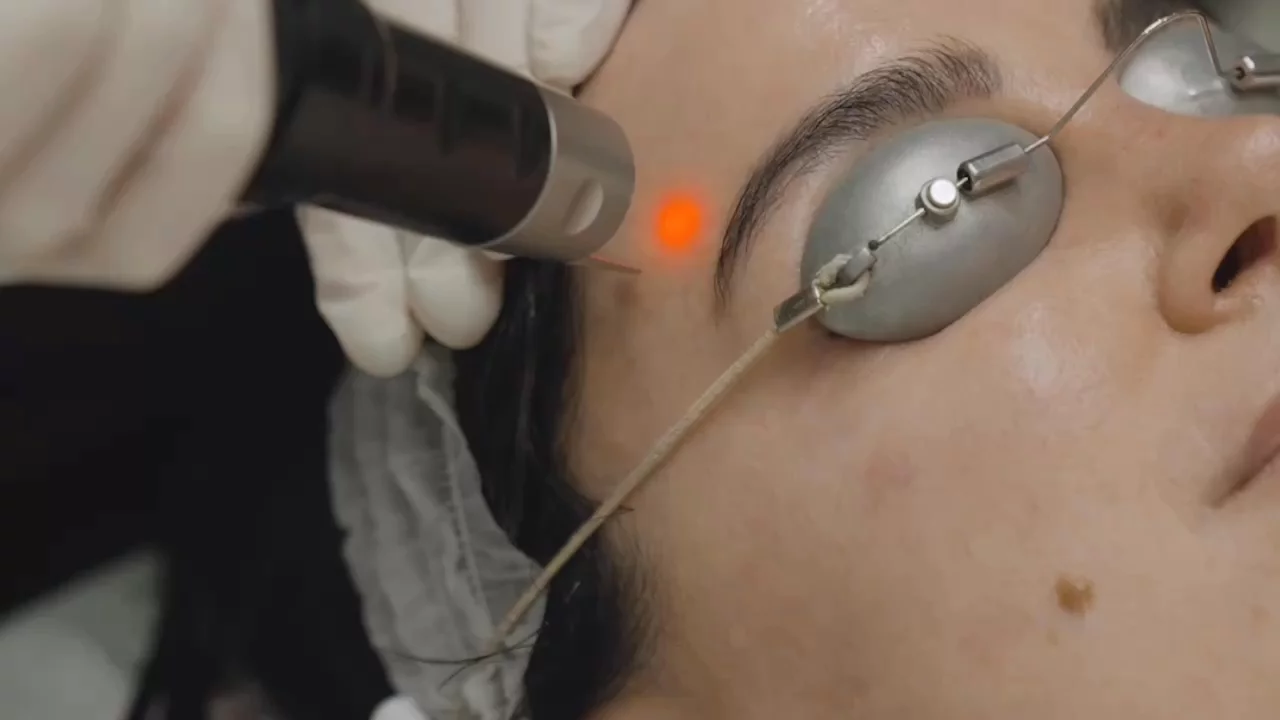
Skin rejuvenation with Picosure Laser is the latest and most advanced skin revitalisation treatment with very little downtime. It can dramatically reduce pigmentation, and melasma whilst boosting collagen and reducing lines and wrinkles.


PicoSure laser treatment in London suits patients who want to reduce pigmentation, improve skin tone and achieve a brighter, more even complexion without extended downtime. In practice, most patients choose PicoSure for one or more of the following concerns:
PicoSure is suitable for a wide range of skin tones, including medium and darker complexions that carry a higher risk of side effects with older laser technologies. However, your specialist always carries out a consultation and patch test before your first session to confirm your suitability and set realistic expectations for your results.
PicoSure is a picosecond laser that delivers ultrashort bursts of energy into the skin, each lasting just one trillionth of a second. In practice, this generates a photomechanical PressureWave beneath the skin surface rather than primarily thermal energy, meaning the surrounding tissue absorbs significantly less heat than with older nanosecond or millisecond laser systems. Consequently, PicoSure can address pigmentation concerns that older technologies could not safely treat, particularly in patients with darker skin tones.
At Dr Joney De Souza Clinic in Marylebone, PicoSure laser treatment uses the Focus lens attachment, which concentrates energy into precise zones within the skin to break down pigment particles and stimulate new collagen production. As a result, patients achieve meaningful improvements in pigmentation, skin quality and overall brightness with minimal downtime and no removal of the skin surface. PicoSure treatment London is available as a single session or as a course of two or three sessions, tailored to the individual concern and skin response.
PicoSure delivers picosecond pulses of laser energy at 755nm, specifically targeting melanin pigment in the skin. In practice, each pulse shatters pigment particles into microscopic fragments, which the body then clears naturally through its immune system. Additionally, the Focus lens stimulates a pressure response in the deeper skin layers, triggering new collagen and elastin production without generating the heat that causes downtime or complications in sensitive skin tones.
Before any PicoSure laser session begins, your specialist conducts a thorough consultation to assess your skin type, degree of pigmentation and treatment goals. In practice, this allows the practitioner to select the correct energy settings and handpiece for your skin tone and concern. Additionally, your specialist carries out a patch test at this stage to confirm your skin responds as expected and to ensure the treatment is appropriate for you.
On the day of your appointment, your specialist cleanses the treatment area to remove any makeup, oils or SPF. Next, your specialist applies a topical numbing cream and leaves it for 20 to 30 minutes to ensure your comfort throughout the session. As a result, most patients find PicoSure laser treatment far more comfortable than they anticipated, particularly for larger areas such as the full face.
Once your specialist removes the numbing cream and passes the PicoSure handpiece across the treatment area in a series of controlled pulses. In practice, each pulse delivers an ultrashort burst of energy lasting just picoseconds, generating a photomechanical PressureWave beneath the skin. For pigmentation concerns, the Focus lens attachment concentrates energy into precise zones to shatter pigment particles without generating significant heat in the surrounding tissue.
Immediately after the laser session, your specialist applies a cooling gel or soothing mask to the treatment area. As a result, any redness or warmth settles more quickly, and the skin settles calmly before you leave the clinic. Additionally, your specialist applies SPF to protect your skin before you step outside and provides a written aftercare guide to take home.
In the days following treatment, your skin may appear slightly pink or feel mildly sensitive, particularly in the first 24 to 48 hours. However, for most patients these effects are minimal and daily activities can resume the same day or the following morning. Overall, the improvement in pigmentation and skin radiance builds gradually over two to four weeks as the body clears the treated pigment particles and produces new collagen.
After each session, your specialist reviews your skin’s response and adjusts the plan if needed. In most cases, a course of three sessions spaced four to six weeks apart produces the most significant and lasting results for pigmentation. Furthermore, your specialist will advise on a maintenance schedule and any skincare products that will support your results between sessions.
Over the two to four weeks following each session, your body processes the fragmented pigment and produces new collagen, gradually improving skin clarity and brightness. At your review, your specialist assesses your skin’s progress and adjusts the next session’s energy settings accordingly. For most concerns, three sessions spaced four to six weeks apart deliver optimal results. Consequently, patients whose pigmentation returns over time, particularly those prone to melasma, often benefit from a single maintenance session once or twice a year to sustain their results.
The following results show improvements in skin tone, texture and pigmentation achieved after a course of PicoSure laser treatment at Dr Joney De Souza Clinic.


Most patients achieve their best results from a course of three PicoSure sessions, each spaced four to six weeks apart. However, even a single session produces a visible improvement in skin brightness and pigmentation. Your specialist tailors every treatment plan to your skin’s individual response and your goals, reviewing progress at each appointment before proceeding.
As your consultation approaches, your specialist will advise you to avoid sun exposure and to pause vitamin A products such as retinol or tretinoin for at least one week beforehand. Additionally, you should arrive with clean skin, free of SPF, makeup and active skincare on the day of your appointment. In practice, your specialist carries out a patch test at your first appointment to confirm your skin’s suitability and to set realistic expectations for the results ahead. Before committing to a course, you are welcome to discuss any questions or concerns with your specialist at that initial consultation.
On the day of treatment, your specialist cleanses your skin and applies a topical numbing cream for 20 to 30 minutes before the laser session begins. In practice, the laser delivers a series of controlled pulses across the treatment area, each lasting just picoseconds. However, because of the numbing cream, most patients describe the sensation as a mild snapping or warmth rather than significant discomfort. Overall, a full-face session typically takes 20 to 30 minutes from start to finish, after which your specialist applies cooling and SPF before you leave the clinic.
In the 24 to 48 hours following treatment, your skin may appear slightly pink or feel mildly warm and sensitive. As advised at your consultation, SPF 50 should be worn daily throughout your course and for at least four weeks after your final session. Additionally, it is important to avoid saunas, steam rooms, intense exercise and direct sun exposure for 48 hours after treatment. After each session, your skin’s brightness and evenness will improve gradually over two to four weeks as the body processes the treated pigment, with full results visible four to six weeks after each appointment.
At Dr Joney De Souza Clinic in Marylebone, Specialist practitioners, each specifically trained in PicoSure, carry out all laser sessions at the clinic, with clinical oversight from Dr Joney De Souza. In practice, this means the team designs every treatment plan to a medical standard, taking into account your full skin history, any underlying concerns, and the most appropriate energy settings for your skin type and tone.
Dr Joney De Souza has spent over 20 years in aesthetic medicine in London, building a reputation grounded in clinical results and honest advice. However, what sets the clinic apart is not only the technology it uses but the quality of assessment that precedes every treatment. In practice, the clinic will never recommend a treatment that is not clinically appropriate for your skin, and the team will always discuss realistic outcomes before you commit. As a result, patients return not just for the results but for the trust they have built with the clinic over many years of care.
Trained specialist practitioners carry out all PicoSure sessions at Dr Joney De Souza Clinic. Prices vary depending on the treatment area and whether you choose a single session or a course. In most cases, a course of three sessions provides the most significant and lasting improvement for pigmentation concerns.
PicoSure is an Associate treatment. Final pricing confirmed at consultation.
| Associate (£) | Associate x2(£) | Associate x3(£) | |
|---|---|---|---|
Face | 420 | 840 | 1,160 |
Face & Neck | 550 | 1,100 | 1,500 |
Face, Neck & Decolletage | 700 | 1,400 | 1,900 |
Neck | 350 | 700 | 950 |
Neck & Decolletage | 500 | 1,000 | 1,400 |
Decolletage | 350 | 700 | 950 |
Eye area | 250 | 500 | 675 |
Mouth area (‘smoker’s lines’) | 250 | 500 | 675 |
Scars – Small (10×10 cm) | 250 | 500 | 675 |
PicoSure is exceptionally effective at targeting surface pigmentation, melasma and uneven tone. However, for patients who also experience textural concerns such as enlarged pores, fine lines or superficial scarring, combining it with Fraxel 1540 can produce a more comprehensive result. In practice, PicoSure addresses colour and pigmentation concerns while Fraxel 1540 targets the skin’s texture and promotes collagen remodelling at a deeper level. As a result, patients who complete a planned sequence of both treatments frequently see a more complete overall improvement than either treatment could achieve alone.
The clinic offers both treatments and sees many patients benefit from a tailored combination approach, with sessions sequenced to allow full recovery between each. Additionally, the two lasers work on fundamentally different wavelengths and mechanisms, meaning they complement rather than compete with one another. If you are considering both, your specialist can advise on the most appropriate sequence and timing during your initial consultation.
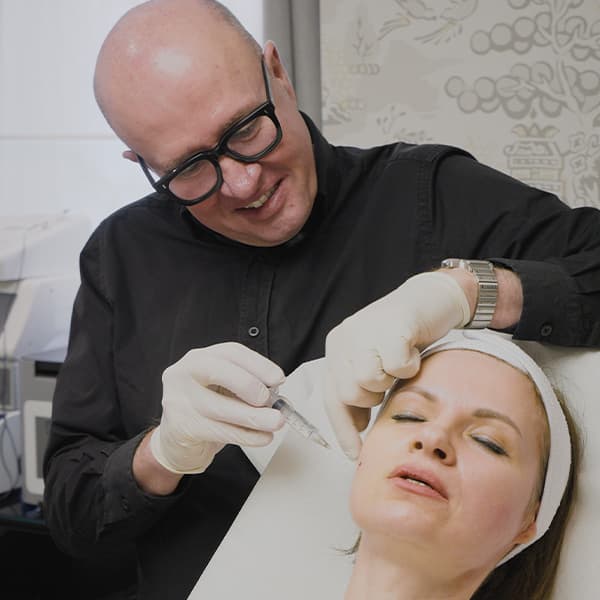
Below you will find answers to the most common questions about PicoSure laser treatment at Dr Joney De Souza Clinic in Marylebone. However, if your question is not covered here, please contact the team directly by WhatsApp or through the form on this page.
PicoSure is clinically used to treat a wide range of pigmentation and skin concerns. In practice, the treatment is most commonly chosen for sun damage and age spots, post-inflammatory hyperpigmentation, melasma, freckles, uneven skin tone, dull complexion, superficial acne scarring and overall skin rejuvenation. Additionally, PicoSure with the Focus lens is particularly effective for collagen stimulation, improving overall skin texture and brightness even in patients without significant pigmentation.
The number of sessions depends on the type and severity of your concern. However, for most pigmentation conditions, a course of three sessions spaced four to six weeks apart produces the most consistent results. In some cases, patients with lighter or more superficial pigmentation see meaningful improvement after a single session, while more persistent conditions such as melasma may benefit from additional treatments. In practice, your specialist will review your skin after each session and adjust the plan accordingly.
PicoSure is suitable for a broad range of skin tones, including medium and darker skin types that carry a higher risk of side effects with older laser technologies. In practice, the picosecond pulse duration generates less heat in the surrounding tissue than nanosecond or millisecond lasers, reducing the risk of post-inflammatory hyperpigmentation in patients with higher melanin levels. However, a consultation and patch test are always conducted before your first session to confirm suitability for your specific skin type and concern.
Yes. PicoSure has a strong safety profile for Fitzpatrick skin types IV, V and VI when used at appropriate settings. In practice, the clinic’s practitioners are experienced in treating a diverse range of skin tones and will adjust energy settings based on your consultation assessment. As a result, patients with darker skin tones achieve effective pigmentation reduction while minimising the risk of post-inflammatory hyperpigmentation.
Older Q-switched nanosecond lasers deliver pulses lasting one billionth of a second. PicoSure, however, delivers pulses lasting one trillionth of a second, generating a photomechanical PressureWave rather than primarily thermal energy. In practice, this means the surrounding tissue absorbs significantly less heat, reducing the risk of burning or post-inflammatory pigmentation. As a result, PicoSure can treat conditions that older technologies could not safely address, particularly in patients with darker skin tones or sensitive skin.
Most patients describe PicoSure as a series of snaps or mild warmth on the skin surface. However, because your specialist applies a topical numbing cream before the session, the majority of patients find the treatment comfortable and well tolerated. In practice, a full-face session takes 20 to 30 minutes from the point the laser begins. After treatment, the skin typically feels warm and appears slightly pink, which usually settles within a few hours to 24 hours. Overall, most patients return to their normal routine the following day.
The Focus lens is a specialised attachment for the PicoSure handpiece that concentrates laser energy into a series of precise, high-intensity zones within the skin. In practice, this creates a pattern of treated zones surrounded by unaffected tissue, which accelerates the healing response and stimulates collagen and elastin production. Specifically, the Focus lens is used for skin rejuvenation and difficult pigmentation conditions such as melasma, where broad-field treatment with the standard handpiece would carry too much risk for certain skin types.
PicoSure involves minimal downtime compared to ablative laser treatments such as CO2 or UltraClear. In practice, most patients return to work the following day, with some able to resume normal activities the same afternoon after applying makeup to cover any residual redness. However, we advise patients to avoid high-intensity exercise, saunas and direct sun exposure for 48 hours after treatment, and to wear SPF 50 daily throughout their course. Overall, the combination of short recovery time and visible results is one of the most frequently cited reasons patients choose PicoSure over alternative treatments.
Many patients notice an immediate brightening effect after their first session, particularly in areas of superficial pigmentation. However, the full improvement in pigmentation and skin radiance develops over two to four weeks after each session as the body processes the treated pigment particles. In most cases, the most significant change is visible between the second and third session of a course. Consequently, it is important not to assess final results until four weeks after the last treatment.
Results vary depending on the condition treated and your exposure to triggering factors such as sun exposure and hormonal changes. In most cases, pigmentation removed during a course of PicoSure does not return to the same degree, provided patients maintain good sun protection habits. However, melasma in particular can be influenced by hormones, heat and UV exposure, meaning some patients benefit from annual maintenance sessions to sustain their results. In practice, your specialist will advise on a maintenance plan appropriate to your skin and lifestyle.
Yes. PicoSure combines well with several treatments offered at the clinic. In practice, many patients pair a course of PicoSure with Profhilo or polynucleotides for additional hydration and skin quality improvements after laser treatment. Additionally, Fraxel 1540 can be used alongside PicoSure in a planned sequence to target both pigmentation and skin texture. However, your specialist will advise on appropriate spacing between treatments to allow your skin to recover fully between each session.
Choosing the right laser treatment depends on your skin concern, skin tone and how much downtime you can accommodate. In practice, different laser systems work on different principles and are suited to different conditions. Below, you will find a comparison of PicoSure against the other laser options available at Dr Joney De Souza Clinic and beyond.
CO2 fractional laser is an ablative treatment that removes the surface layer of the skin and stimulates significant collagen remodelling, making it highly effective for deep wrinkles, scarring and texture concerns. PicoSure, however, is a non-ablative treatment that works beneath the skin surface without breaking it, resulting in far less downtime and a more comfortable experience. In practice, CO2 is the stronger option for resurfacing, while PicoSure is the more targeted and lower-risk choice for pigmentation and tone. Both treatments are available at the clinic, and your specialist can advise on the most appropriate option for your concern.
IPL uses a broad-spectrum light source to target pigmentation and redness, making it effective for mild sun damage and vascular concerns. PicoSure, however, uses a specific 755nm wavelength with picosecond pulses, offering far greater precision and effectiveness for deeper or more stubborn pigmentation conditions. In practice, PicoSure delivers more consistent results for melasma, post-inflammatory hyperpigmentation and age spots than IPL, particularly in patients with higher skin tones where IPL carries greater risk. Consequently, patients who have not achieved sufficient results with IPL frequently see better outcomes with PicoSure.
Fraxel 1540 uses a fractional erbium laser to target the deeper layers of the skin, stimulating collagen production and improving skin texture, fine lines and superficial scarring. PicoSure, in contrast, works on the photomechanical PressureWave principle and is primarily used for pigmentation, tone and brightness. In practice, the two treatments are complementary rather than interchangeable: PicoSure for colour concerns, Fraxel for texture concerns. Additionally, many patients at the clinic choose a planned sequence of both treatments for a more comprehensive approach to skin renewal.
Morpheus8 is a radiofrequency microneedling treatment designed to remodel deeper tissue and stimulate collagen and elastin, making it highly effective for skin laxity, texture and body contouring. However, Morpheus8 is not the primary choice for pigmentation treatment. PicoSure is specifically designed to target and break down pigment particles in the skin, making it the more appropriate option for melasma, age spots and uneven tone. In practice, both treatments serve different purposes and can be used at different points in a broader skin treatment plan.
Yes. PicoSure is one of the most widely used laser technologies for melasma and is generally preferred over ablative or high-heat laser options because of its lower thermal load. In practice, the Focus lens is frequently used for melasma because it stimulates the skin without generating the heat that can worsen the condition. However, melasma is a complex, hormone-driven condition, and results vary between patients. In most cases, a course of three to four sessions produces significant lightening, but ongoing sun protection and occasional maintenance treatments are important to sustain results over time.
PicoSure is generally well tolerated by patients with sensitive skin, particularly compared to ablative laser treatments. In practice, the limited thermal damage produced by the picosecond pulse means the surrounding tissue experiences minimal inflammation, which is the main trigger for sensitivity and post-procedural reactions. However, a patch test and full consultation are always carried out before any first session to identify individual risk factors or contraindications. Additionally, your specialist will advise on any adjustments to your skincare routine in the weeks before and after treatment to minimise the risk of irritation.
In the two weeks before your first PicoSure session, you should avoid direct sun exposure, sunbeds and self-tanning products. Additionally, pause active vitamin A products such as retinol or tretinoin for at least one week before treatment. In practice, your specialist will advise you to arrive with clean, product-free skin on the day, and to stop taking any blood-thinning supplements if possible. Furthermore, patients taking certain antibiotics or photosensitising medications should discuss this at their consultation before proceeding.
Topical treatments such as vitamin C serums, hydroquinone or retinol can improve mild pigmentation over time but rarely achieve the level of correction that laser treatment produces in a shorter timeframe. PicoSure, however, directly targets the pigment deposits beneath the surface and breaks them down in a way that topical products cannot replicate. In practice, many patients find that a course of three PicoSure sessions achieves what years of topical treatment could not, making it a cost-effective long-term investment when considering the cumulative spend on products over time. Additionally, the results tend to be more reliable and consistent than those from topical-only approaches.
At Dr Joney De Souza Clinic, specialist practitioners carry out all PicoSure treatments at the clinic, each specifically trained in the technology, with clinical oversight from Dr De Souza. In practice, Roma, who is named in many of our patient reviews, has particular expertise in PicoSure laser for pigmentation and skin rejuvenation. However, your specialist assesses all new patients at an initial consultation before their first laser session, allowing your specialist to design a treatment plan tailored specifically to your skin and concerns.
Many patients notice a visible improvement in skin brightness immediately after their first session as the treated pigment begins to fragment. However, the full result of each session develops over two to four weeks as the body clears the broken-down pigment particles and produces new collagen. In most cases, the most dramatic improvement occurs between the second and third session of a course. Consequently, patience is important: PicoSure produces progressive results, and final outcomes should be assessed four weeks after the last session.
You can book a consultation directly via the online booking link on this page, by WhatsApp at the number listed above, or by calling the clinic directly. In practice, consultations for new patients take 30 to 45 minutes and include a full skin assessment, medical history review and discussion of your goals. Additionally, if your consultation confirms PicoSure is appropriate, your specialist carries out a patch test on the day to confirm your skin’s response. Overall, the consultation is entirely no-obligation, and there is no pressure to proceed with treatment if the timing is not right for you.
After your PicoSure session, keep the skin clean and avoid touching the treated area. Your specialist applies SPF before you leave the clinic, and you should continue wearing SPF 50 daily for at least four weeks after your final session. Avoid saunas, steam rooms, intense exercise and direct sun exposure for 48 hours after treatment. Skip retinoids, acids and active skincare for seven days and use gentle, hydrating products only. Additionally, avoid heavy make-up for 24 hours. If you experience prolonged redness, blistering or unexpected changes, contact the clinic directly.
Rated 4.9 out of 5 from 276 verified Google reviews
The results from my PicoSure treatment have been incredible. My pigmentation has faded significantly and my skin looks clearer and more even than it has in years. Highly recommend Dr Joney and the whole team.
I had a course of PicoSure sessions for sun damage and the improvement is remarkable. The treatment was comfortable and the staff were professional throughout. I will definitely be returning.
Dr De Souza is exceptional. My skin tone is so much more even after PicoSure and the results keep improving. I cannot recommend this clinic highly enough.
Fantastic clinic. PicoSure has made a real difference to my skin texture and pigmentation. The aftercare advice was thorough and my results have been amazing.


