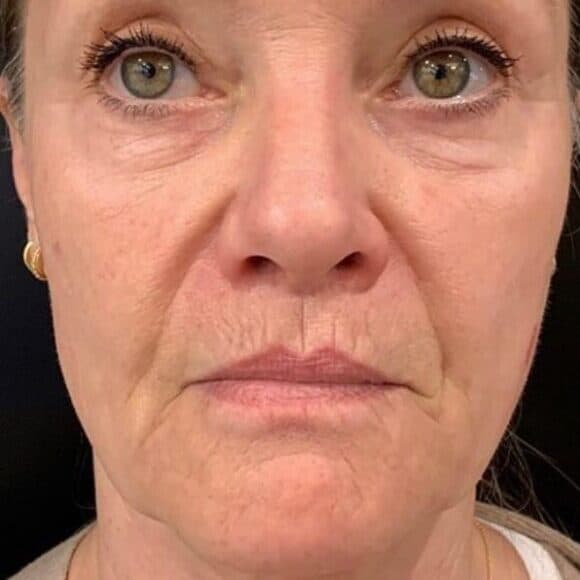
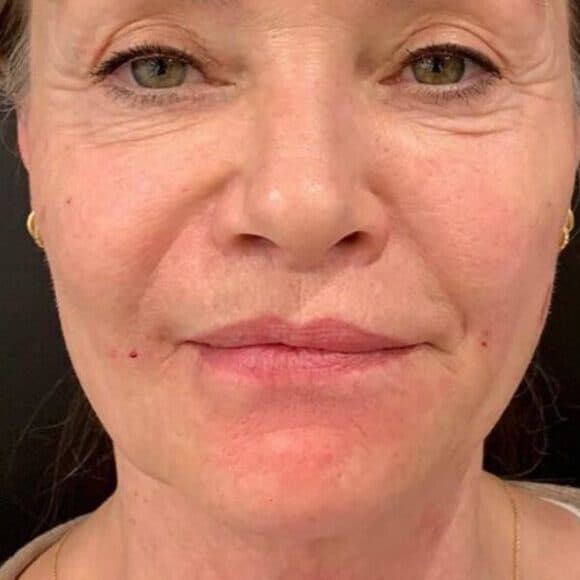
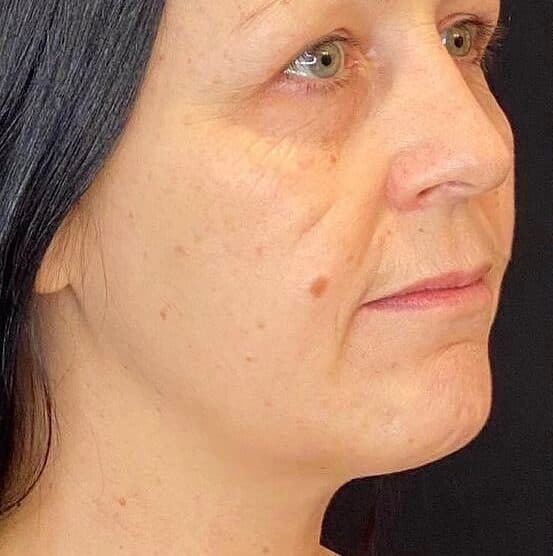
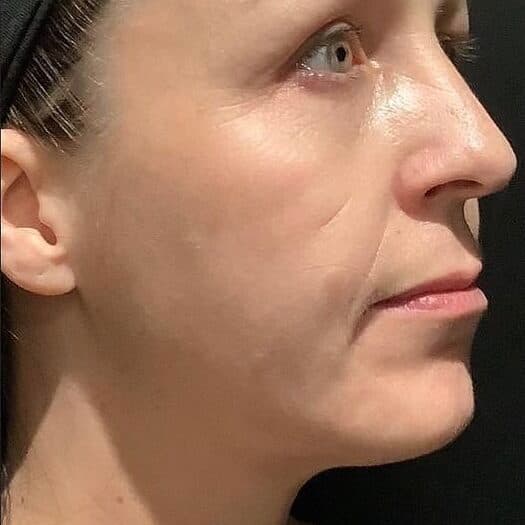
A sagging jawline is a common concern that develops gradually as skin support and facial structure change. Led by Medical Director Dr Joney De Souza, our medical team focuses on understanding these changes before considering treatment.
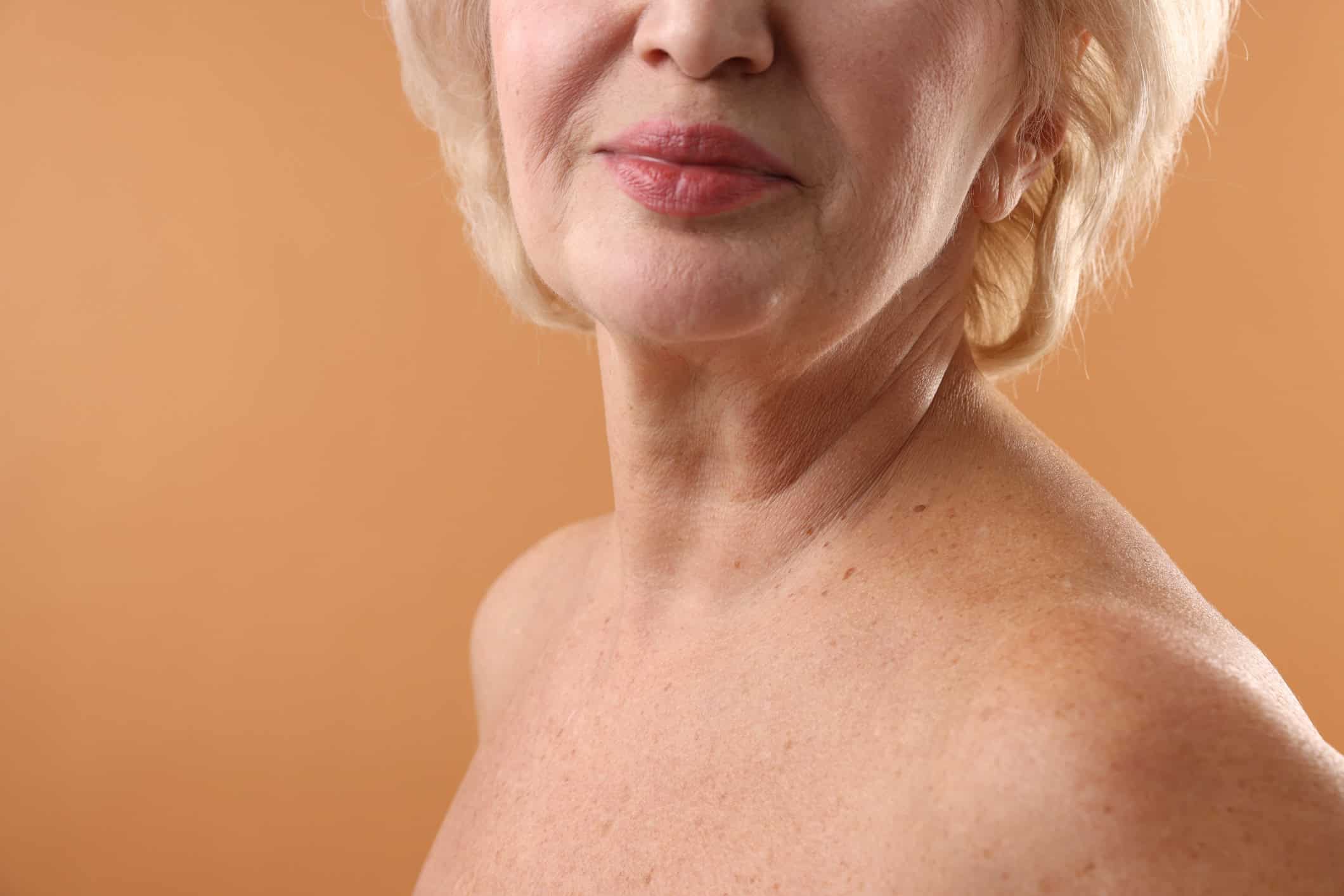
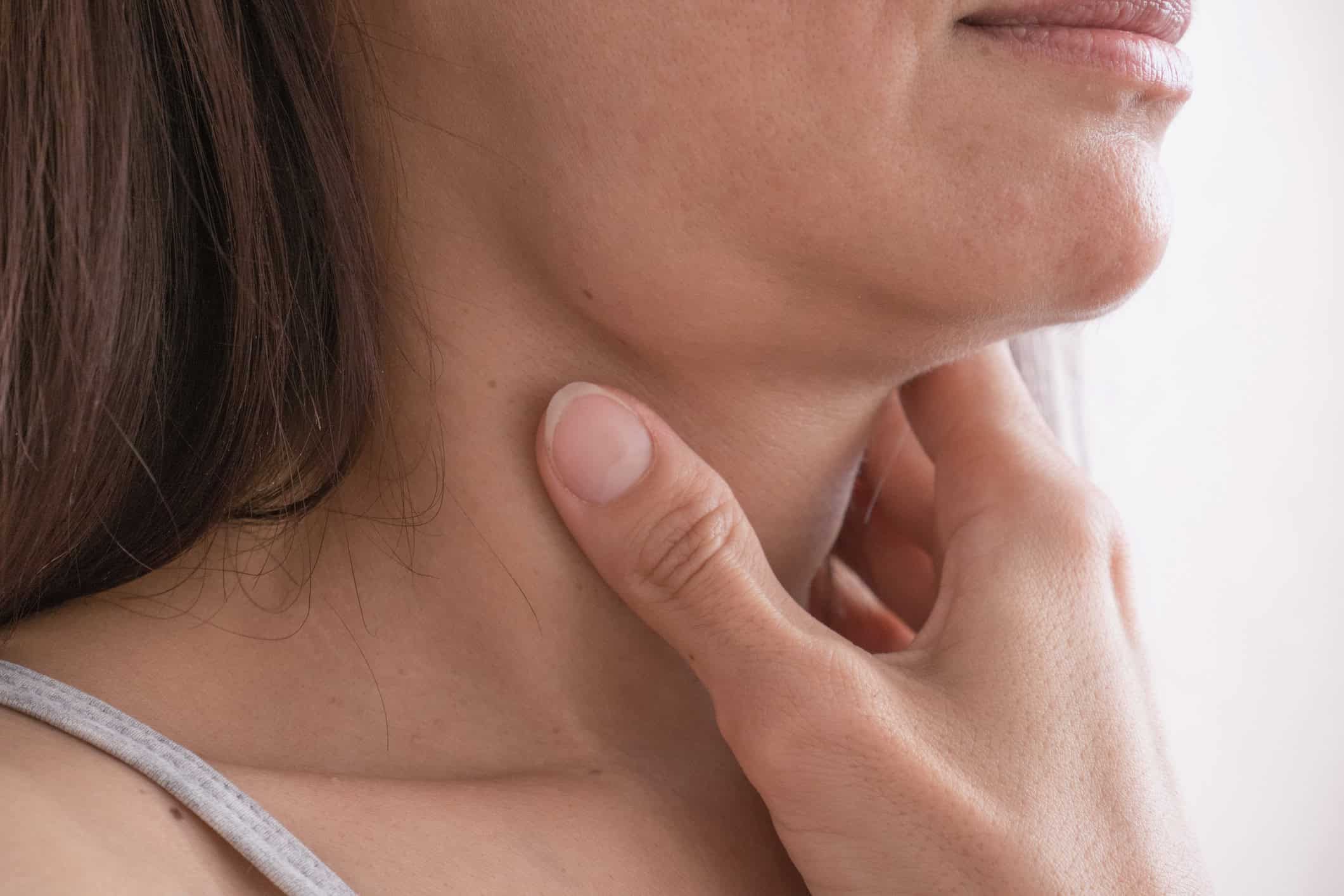
A sagging jawline refers to a loss of definition along the lower face, often accompanied by softening or downward movement of tissue. This can blur the transition between the jaw and neck and affect facial contours. These changes are usually part of a broader ageing process rather than an isolated concern.
Dermal fillers made of Hyaluronic Acid (HA fillers) can help restore and enhance jawline definition by providing structural support to areas where bone density and soft tissue volume naturally decline with age. As the jawline weakens, skin and fat can shift downward, contributing to a jagged or less defined jaw contour and the appearance of jowls. Carefully placed filler along the jawline and chin helps recreate a smoother, more continuous contour, improves symmetry, and supports the overlying skin. By reinforcing the jaw’s natural framework, fillers can reduce the look of jowling and create a sharper, more balanced lower face without surgery.

Jawline sagging develops due to a combination of structural and skin-related factors.
These may include:
Gradual loss of collagen and elastin in the skin
Changes in facial fat distribution and support
Bone remodelling with age
Reduced skin firmness and resilience
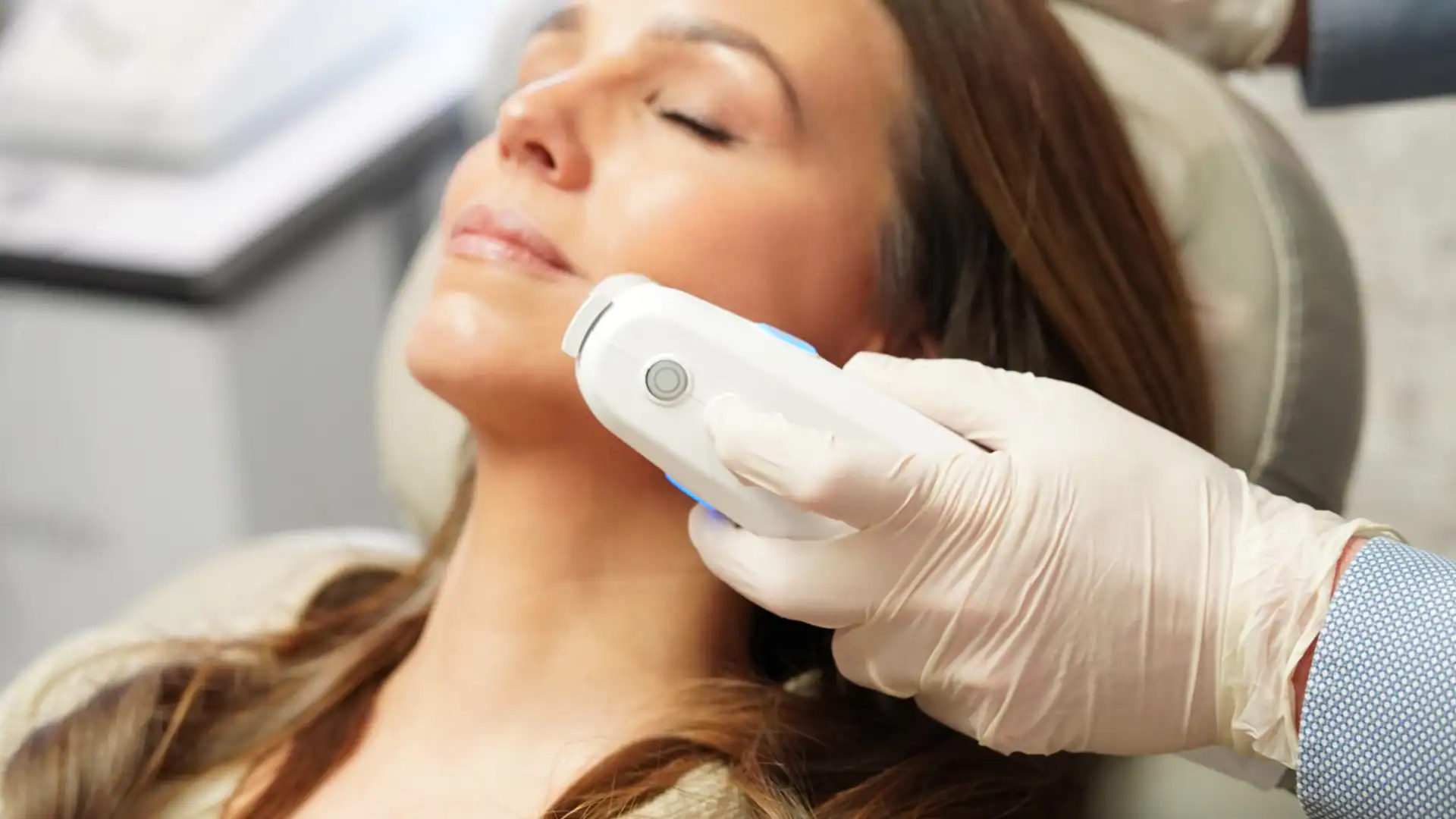
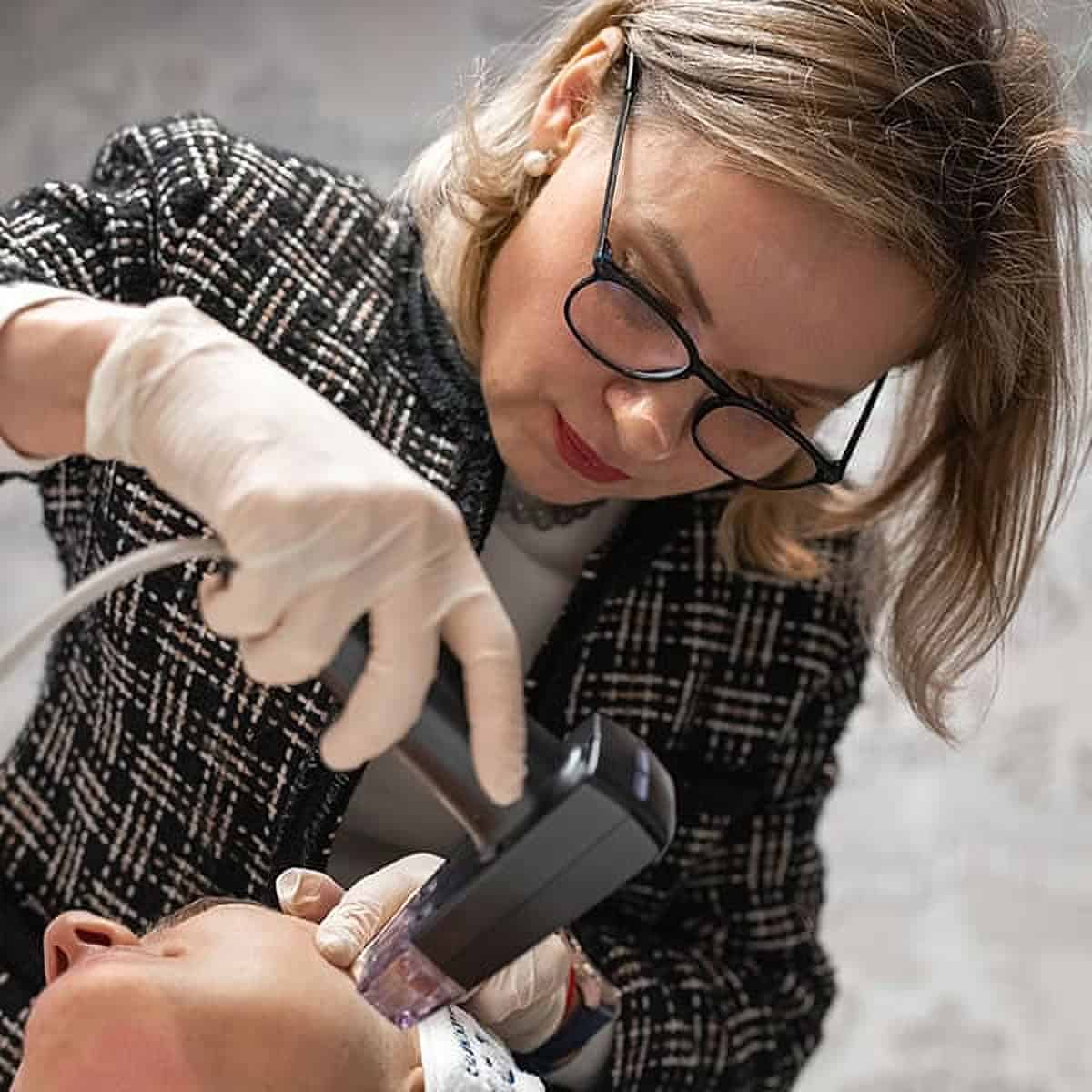
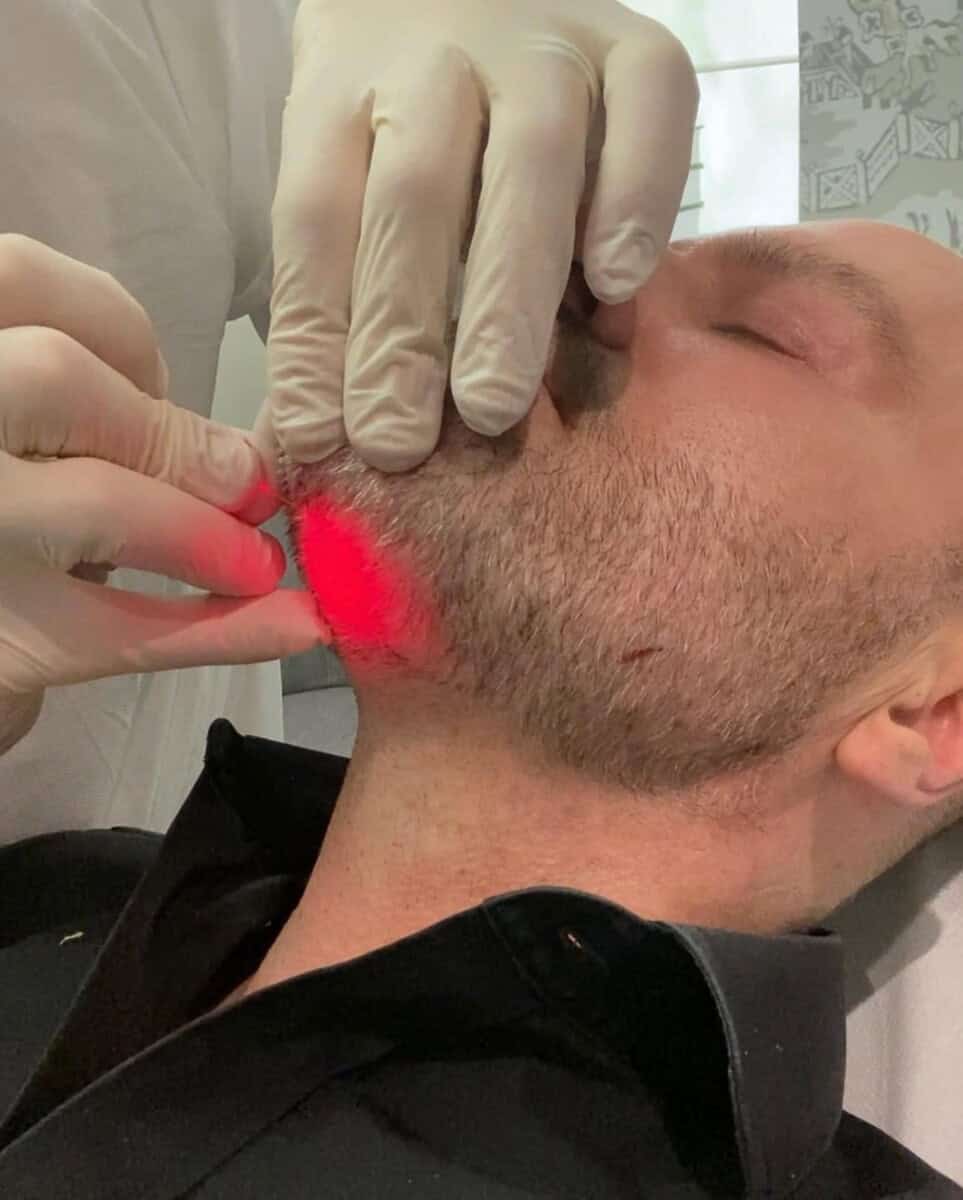
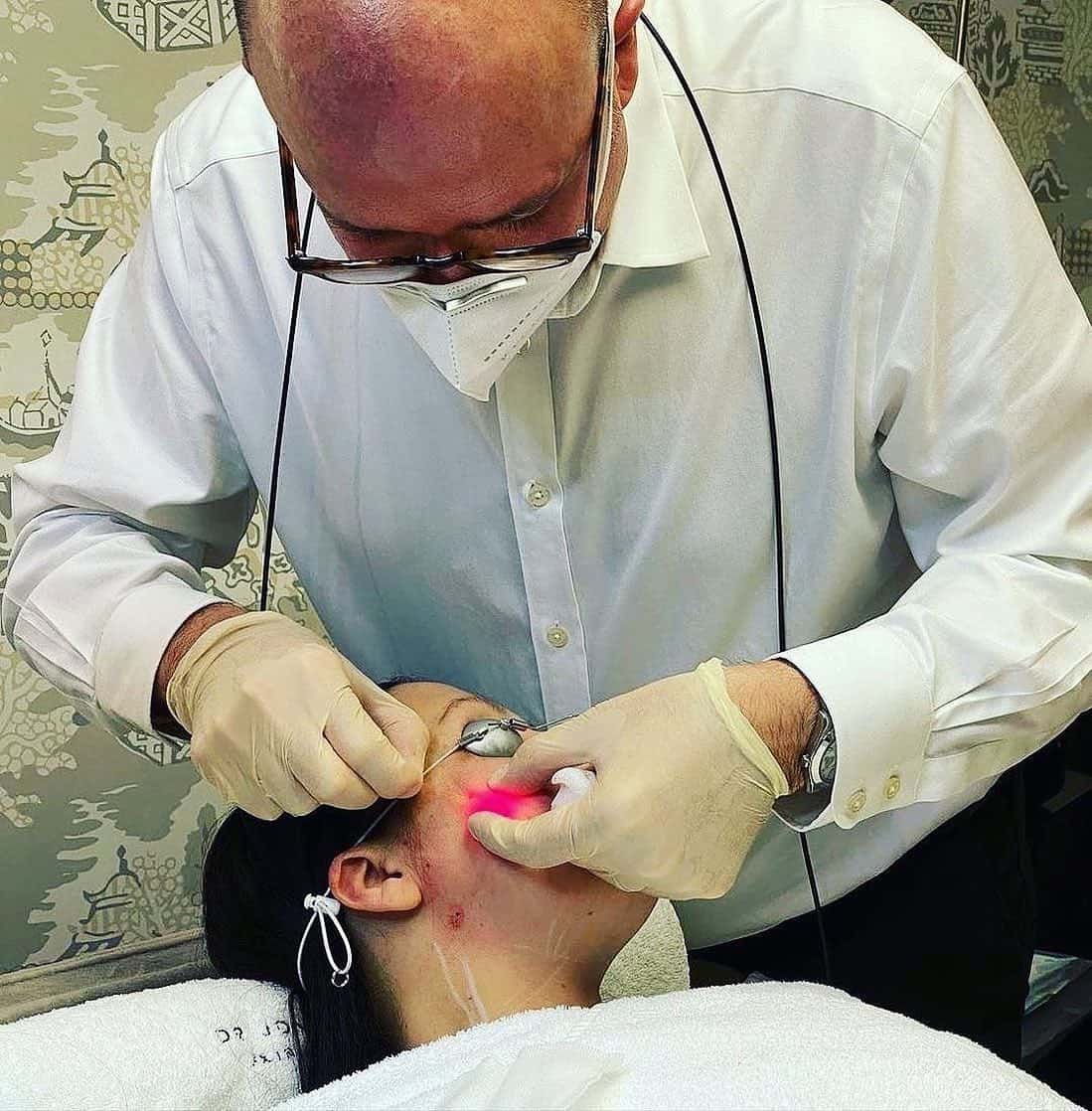
The degree and pattern of sagging vary between individuals. One effective treatment for treating a jagging jawline or jowl region is Ultherapy. Ultherapy is an FDA approved, non-invasive treatment for skin tightening that uses micro-focused ultrasound energy with real-time visualisation to ensure that the treatment is accurately targeting the concerns. Talk to us if you’d like to learn more from our specialist team.

Assessment considers the lower face in the context of the face as a whole. Our medical team evaluates skin laxity, volume distribution, structural support and overall facial proportions.
This allows us to explain which factors are contributing most to jawline changes and whether treatment may be appropriate.


A sagging jawline develops as collagen and elastin decline with age, softening the once-crisp line between the face and neck. At our Marylebone clinic we lift and tighten this area with energy-based and regenerative treatments, and a consultation matches you to the option best suited to your skin and goals.
| Ultherapy From £765 |
Focused ultrasound reaches deep foundational layers to stimulate fresh collagen, gradually lifting and redefining a soft, sagging jawline with no downtime. |
| Morpheus8 From £550 |
Microneedling combined with radiofrequency remodels the skin and firms slack tissue along the jaw, tightening laxity and sharpening a blurred contour. |
| Endolift From £1,275 |
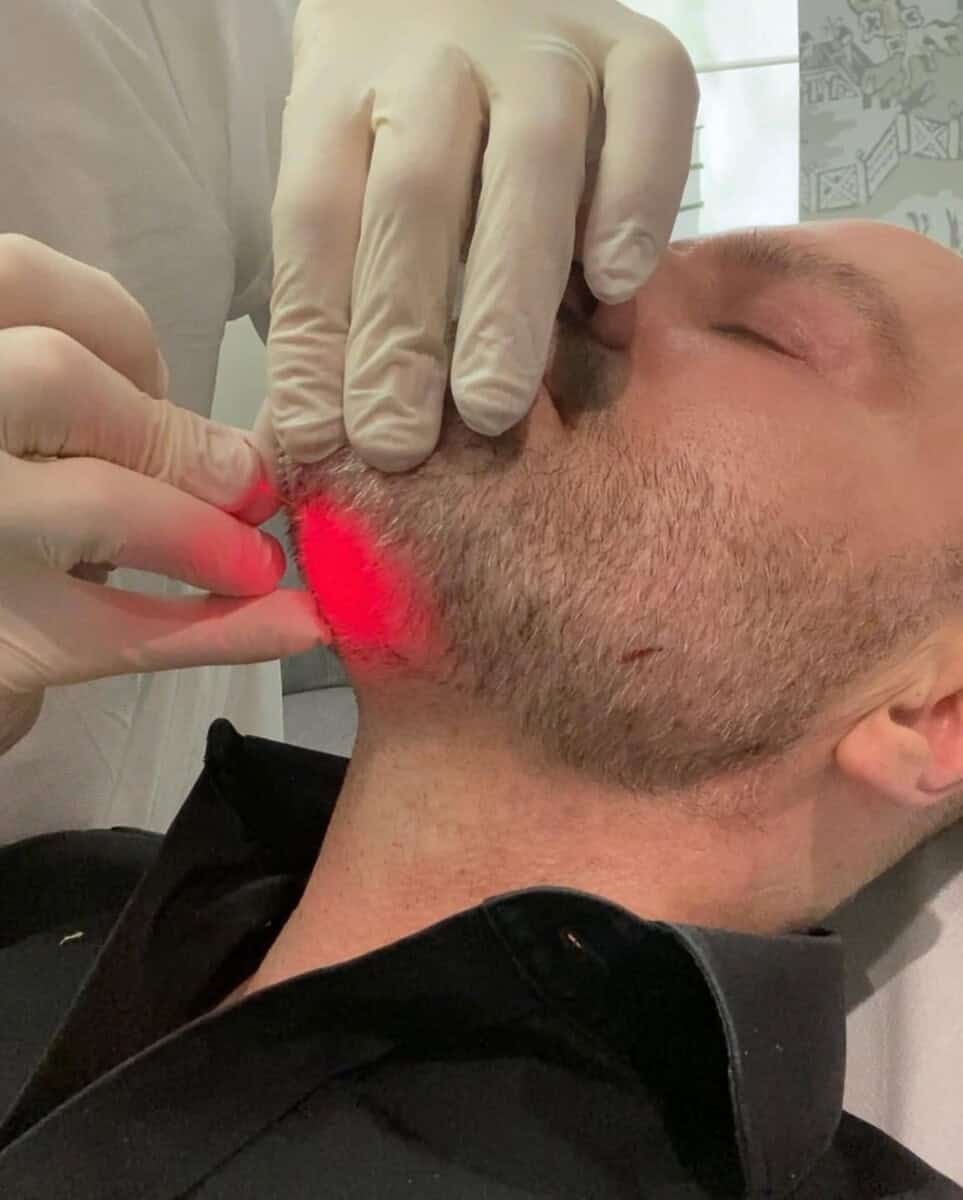
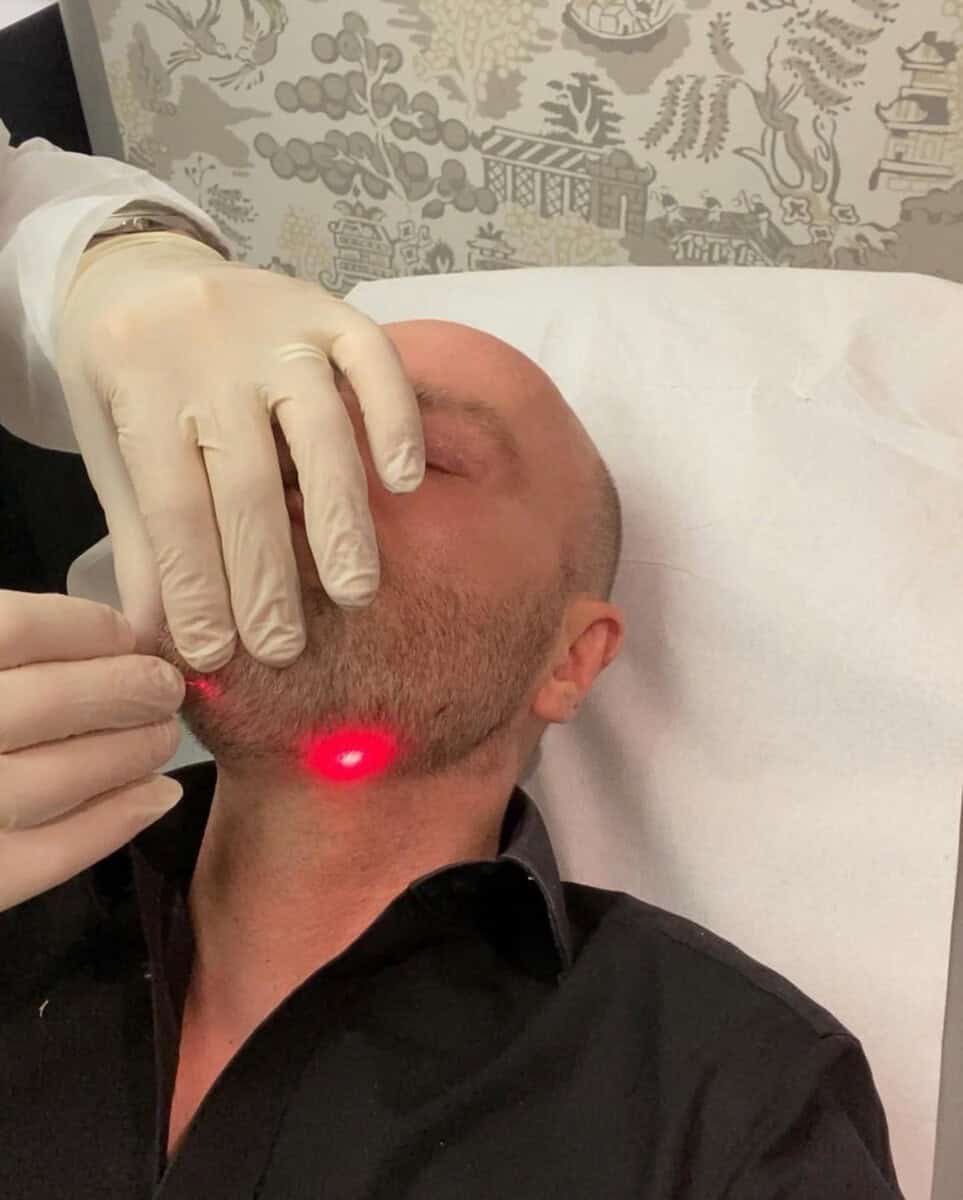
Laser fibres placed under the skin tighten and lift the lower face, defining the jawline and reducing early jowls without surgery. |
Book a consultation at Dr Joney De Souza in Marylebone to find the right treatment for your jawline.
Dermal fillers are often discussed where additional structural support is needed to improve jawline definition. They are used conservatively to maintain natural proportions.
Improvement depends on the degree of sagging and the underlying cause. Options discussed at our clinic may include dermal fillers to support structure and contour, Endolift or Ultherapy to stimulate skin tightening, alongside UltraClear laser resurfacing and medical-grade skincare to support overall skin quality.
Not exactly. Sagging involves changes in support and tissue position, while loose skin relates more to skin laxity. They often occur together but are assessed separately.
It cannot be fully prevented, but early assessment and skin health optimisation may help manage how changes appear over time.
It often becomes more noticeable as skin and structural support reduce, although progression varies between individuals.
The aim is subtle support and improved balance rather than altering natural facial shape.
No. Many people choose not to treat jawline changes once they understand the cause and progression.