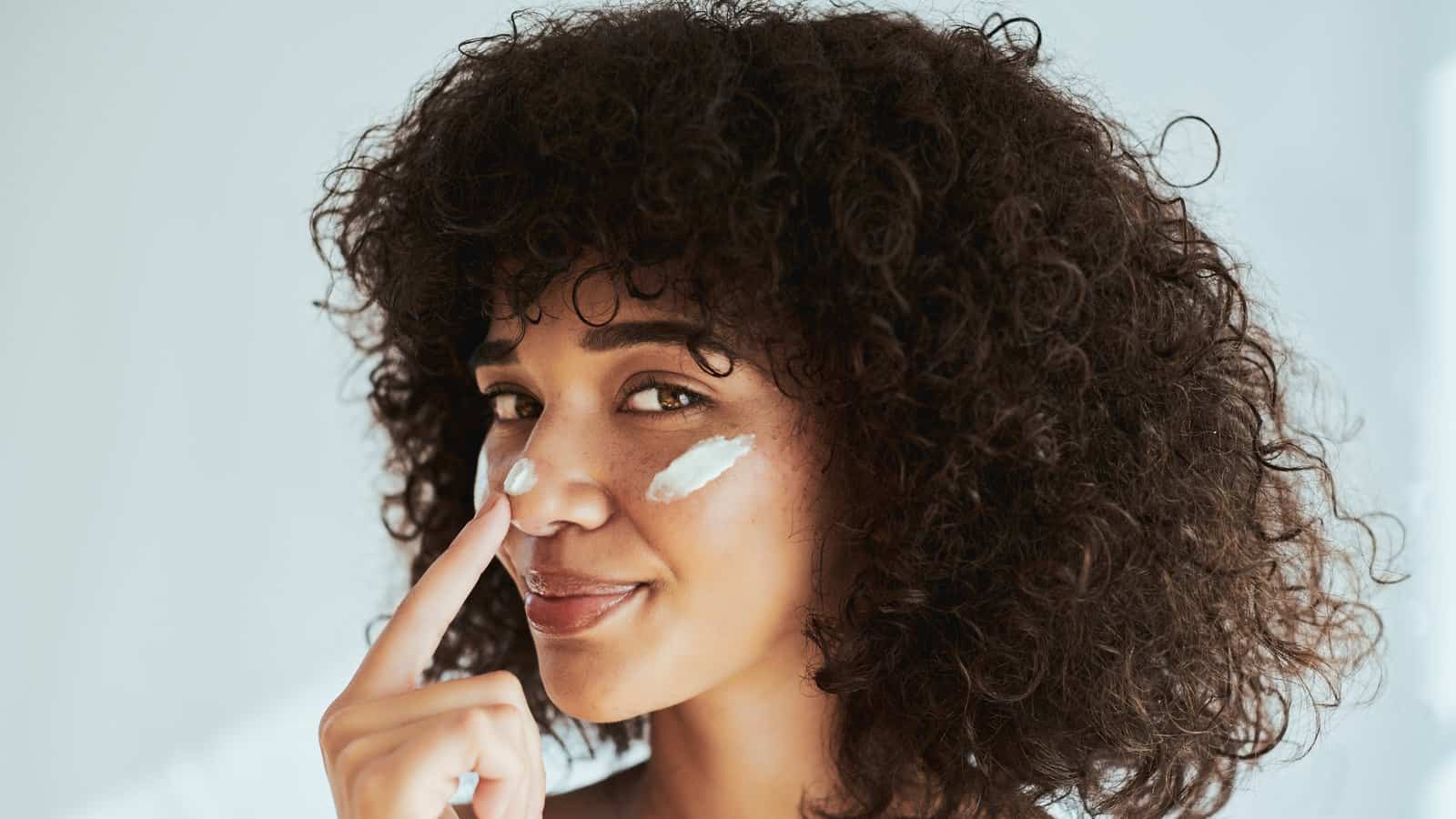
Fine diagonal creases across your nose in every laughing photo, gone the moment you stop smiling. Bunny lines treatment in Marylebone softens that scrunch with a tiny dose.
You scroll through photos from a birthday dinner and notice fine diagonal creases across the top of your nose in every laughing shot. They vanish the moment you stop smiling, yet the camera always finds them. Bunny lines treatment at Dr Joney De Souza Clinic in Marylebone softens that scrunch with one of the smallest doses in aesthetic medicine.
| Performed by | Appointment | Downtime | Results |
|---|---|---|---|
| Dr Joney De Souza or Dr Mattia Parducci | About 15 minutes | None, straight back to your day | Begin in three to five days, settle at two weeks |
The surprise is what sits beneath the creases. Anatomists who dissected 39 cadavers and scanned 13 volunteers by ultrasound found a small area directly under bunny lines with no muscle in it at all. They named it the bunny triangle, and four muscles frame it and do the pulling.
That anatomy explains the approach. The dose goes to the muscle edges around the creases rather than into the lines themselves, and only a light amount is needed. Your smile, your laugh and the warmth around your eyes stay as they are. Dr Joney De Souza (GMC 7008632) or Dr Mattia Parducci (GMC 7635663) treats every nose.
Bunny lines take their name from the way a rabbit wrinkles its nose. The main muscle involved is the nasalis, a thin strap that crosses the upper part of the nose and helps compress the nostrils. When you laugh hard, wrinkle your nose at a smell or squint into sunshine, it draws the skin on each side into angled pleats.
In some people the nasalis is particularly active, so the pleats appear with even a gentle smile. Over the years the skin over the bridge loses a little elasticity. The lines then linger after the expression has passed, and powder settles into them by the end of the day.
They are easy to spot on yourself. Look straight into a mirror, scrunch your nose, and watch the diagonal creases running down from the inner corners of the eyes towards the sides of the nostrils. That pattern, and how far down it travels, is what the doctors look at first.
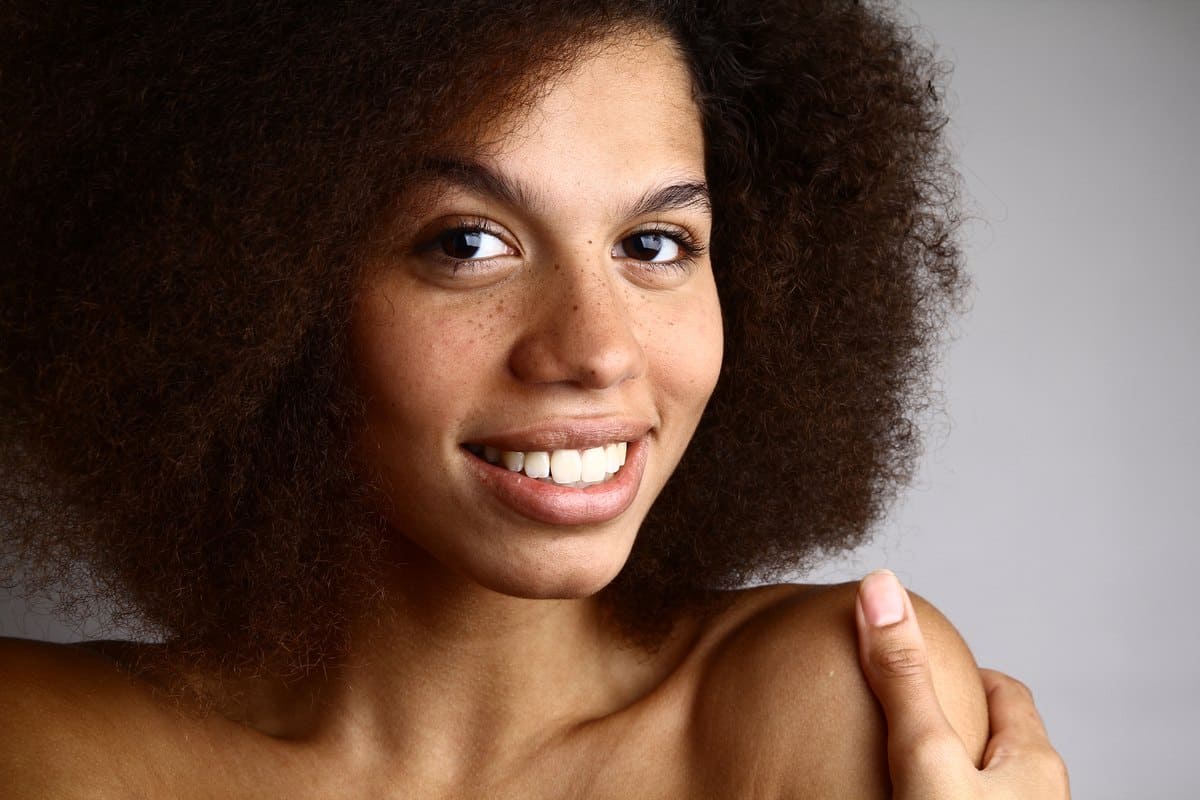
The Clinical Anatomy team was led from Yonsei University in Seoul. They traced the borders of four muscles around the creases. Three are the procerus between the brows, the nasalis across the bridge and the ring of muscle around the eye. The fourth is a slim muscle that lifts the lip and flares the nostril, and the creases sit in the gap the four leave.
The size and shape of that gap varied from one person to the next, depending on the width of the procerus and nasalis. On a thin-skinned nose the borders of those muscles show as faint ridges when you scrunch. The authors concluded that a dose placed straight into the wrinkles mostly reaches connective tissue. Their recommendation was to aim at the borders of the surrounding muscles instead.
That is why the doctors watch the scrunch closely before marking anything, from the front and from each side. Two noses with similar lines can be driven by different muscles, and the points follow the muscle that is doing the work.
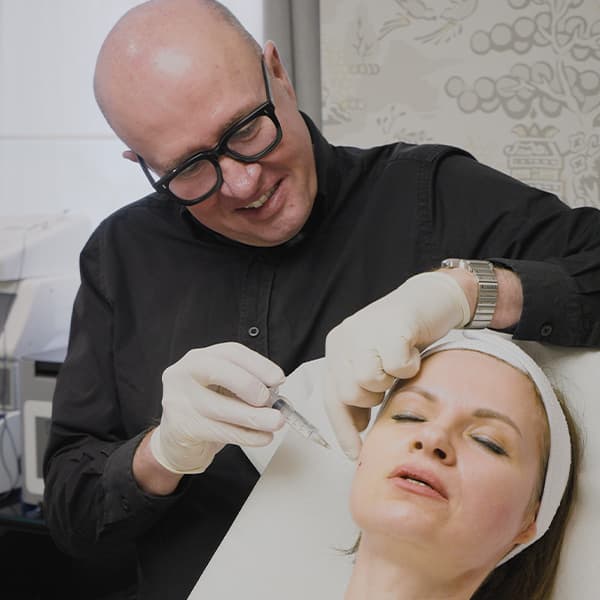
Dr Joney De Souza or Dr Mattia Parducci places a minute amount of anti-wrinkle medicine on each side of the bridge. Usually only a couple of points are needed. The muscles here are small and lie just beneath thin skin, so the dose is light.
Placement matters more than quantity. The muscles that lift the upper lip lie close by, and they give your smile its shape. Keeping the injections high and precise on the bridge means the nose relaxes while the lip and cheek move freely, so your smile stays natural.
Dr Joney De Souza or Dr Mattia Parducci places a minute amount of anti-wrinkle medicine on each side of the bridge.
What you notice afterwards is subtle. When you laugh, the skin across the top of your nose stays smooth, while the rest of your face lights up as usual. Photographs taken at full laugh look softer and fresher, and concealer stays put instead of creeping into the creases.
Men often scrunch harder, and their lines show as deeper grooves across the bridge in a full laugh. The dose reflects that stronger pull, while the points stay just as high on the nose. The aim is the same for everyone, a laugh that reads warm with a smooth bridge.
Bunny lines are an expression line, which means they appear at the very moment a photograph is most likely to be taken. A laugh, a squint into bright light or a candid smile at a party all bring them out. In the mirror, with a neutral face, you hardly see them at all.
Flash photography exaggerates the effect. A strong light from the front throws a fine shadow into each diagonal crease. On screen the lines look sharper than they feel under your fingertips. Video calls tell the same story when you laugh at a colleague’s joke.
Some people notice the lines more once the area between their brows is smoother, simply because the eye has fewer other details to land on. If you have already had frown lines or crow’s feet softened, adding the nose often completes the picture.
Anti-wrinkle injections are a prescription-only medicine, prescribed after a face-to-face assessment with a doctor. Dr Joney De Souza, founder and Medical Director, and Dr Mattia Parducci both see patients for this treatment. The doctor who assesses you is the one who treats you.
You are asked when you last had anti-wrinkle injections and in which areas, whether you are pregnant or breastfeeding, and which medicines you take. You are also asked whether you wear glasses every day. The frame sits close to the injection points, so the doctor places each one clear of it.
Recent frown line treatment matters most. Some people first see bunny lines a few weeks after their brows were softened, because the nose takes over part of the scrunch. Knowing what was used and when tells the doctor how light the dose on the nose should be.
Bunny lines are often treated alongside crow’s feet and frown lines, since the three areas work together when you smile and squint. In 2014 a panel of Korean dermatologists classified the frown patterns of 139 people. Nasal wrinkles were one of the features they read to decide which muscles carried the movement.
A 2024 report in Aesthetic Plastic Surgery went further, describing 227 patients treated with a whole-face pattern that included the nasal muscles. The authors reported a lifted brow tail, softer crow’s feet and a less drooping nasal tip. The muscles of the upper face link up more closely than most people expect.
Bunny line treatment relaxes movement and does not change the shape of the nose. Non-surgical nose reshaping with filler does that, refining a bump or a tip in profile. The anti-wrinkle injections page shows how the nose fits within a full upper face plan.
You sit back while the doctor cleans the bridge of your nose and asks you to scrunch once more to confirm the points. The needle is extremely fine. Each injection feels like a quick, sharp prick, a little more noticeable than on the forehead because the skin is thin.
The injecting takes only a minute or two, and the whole visit fits within a lunch hour. A tiny pink dot remains at each point for a little while, and make-up can go on later the same day. You can head straight back to an office near Oxford Circus or on to dinner in Mayfair.
For the rest of the day avoid rubbing your nose, pushing glasses hard against the bridge and strenuous exercise. From day three to five the laugh lines on the nose soften. By about two weeks the effect has settled, and your review appointment confirms both sides look even.
Your first appointment is with Dr Joney De Souza or Dr Mattia Parducci at our clinic in Marylebone, close to Harley Street. They watch you smile, laugh and scrunch your nose, go through your medical history, and agree a light dose with you. Treatment often follows straight away.
The smoothing lasts around three to four months before the scrunch slowly returns. Most people repeat it alongside crow’s feet or frown lines. Some space it out further over time, and the consultation gives the real answer for your face. The plan and its investment are set out before anything is injected.
The clinic is a short walk from Regent’s Park and easy to reach from anywhere in central London, and our injectables page lists every area the doctors treat. You can meet the doctors on our meet the team page. If the crinkle across your nose keeps catching your eye in photographs, come in and see how little it takes to settle it.
Short clips filmed at Dr Joney De Souza Clinic in Marylebone, so you can see how anti-wrinkle injections is carried out before you book.
If bunny lines keep appearing in your favourite photos, come and see Dr Joney De Souza or Dr Mattia Parducci in Marylebone for a quick, precise treatment. Phone us on 020 7043 0748, or drop us a WhatsApp message.
These are the questions people search for most before treating the creases on the sides of their nose, from what causes them to how the dose keeps a smile looking natural.
They come mainly from the nasalis, a small muscle across the upper nose that contracts when you laugh, squint or wrinkle your nose. Each contraction pinches the skin into diagonal pleats. Genetics plays a part, so some people develop them early, while thinner skin with age makes them linger longer.
Very few. Most people need just one or two tiny points on each side of the bridge. The muscles are small and close to the surface, so a light dose is enough. That is part of why the appointment is so quick and the injection points are so hard to spot afterwards.
Often it is because something else changed. Once frown lines or crow’s feet have softened, the nose becomes the remaining crease in a smile, so your eye catches it. Thinning skin also makes the lines last longer after laughing, which pushes them into everyday view.
No. The treatment only relaxes the scrunching movement, so the bridge, tip and nostrils keep exactly the same shape. Your nose simply stays smoother when you laugh. If you would like to refine the profile itself, non-surgical nose reshaping with filler is a separate option to talk through.
Yes, they can be treated as a single small area in a very short appointment. Many people choose to add them to crow’s feet or frown line treatment, because the areas move together. Doing them in the same appointment also means one review covers the whole upper face.
Typically three to four months. The nose begins to scrunch again gradually, so the creases come back softly rather than overnight. Many people time it alongside their other upper face areas. That steady rhythm keeps the bridge of your nose smooth all year, with no sudden change in how you look.
A well-placed dose leaves your smile untouched. The muscles that lift the upper lip sit lower and to the side, and the injections stay high on the bridge, away from them. You still laugh freely, your cheeks still lift and your eyes still crinkle warmly.
Because the creases sit over a gap between muscles. A 2025 anatomy study of 39 cadavers and 13 volunteers found connective tissue rather than muscle directly under the lines. The pull comes from the edges of the surrounding muscles. That is where a small dose does its work, and the skin above stays smooth.
Yes, but rest them lightly on the bridge for the first day and avoid pushing them up firmly against the injection points. Sunglasses perched on your head are a good alternative that afternoon. From the next morning, wear your glasses as normal. Mention your frames at the appointment, so each point is placed clear of where they sit.
A little, for a second at each point. The skin over the nose is thin, so the needle feels sharper than it does on the cheek, though there are only a few points. Most people are surprised at how quickly it is over, and no numbing cream is needed.
