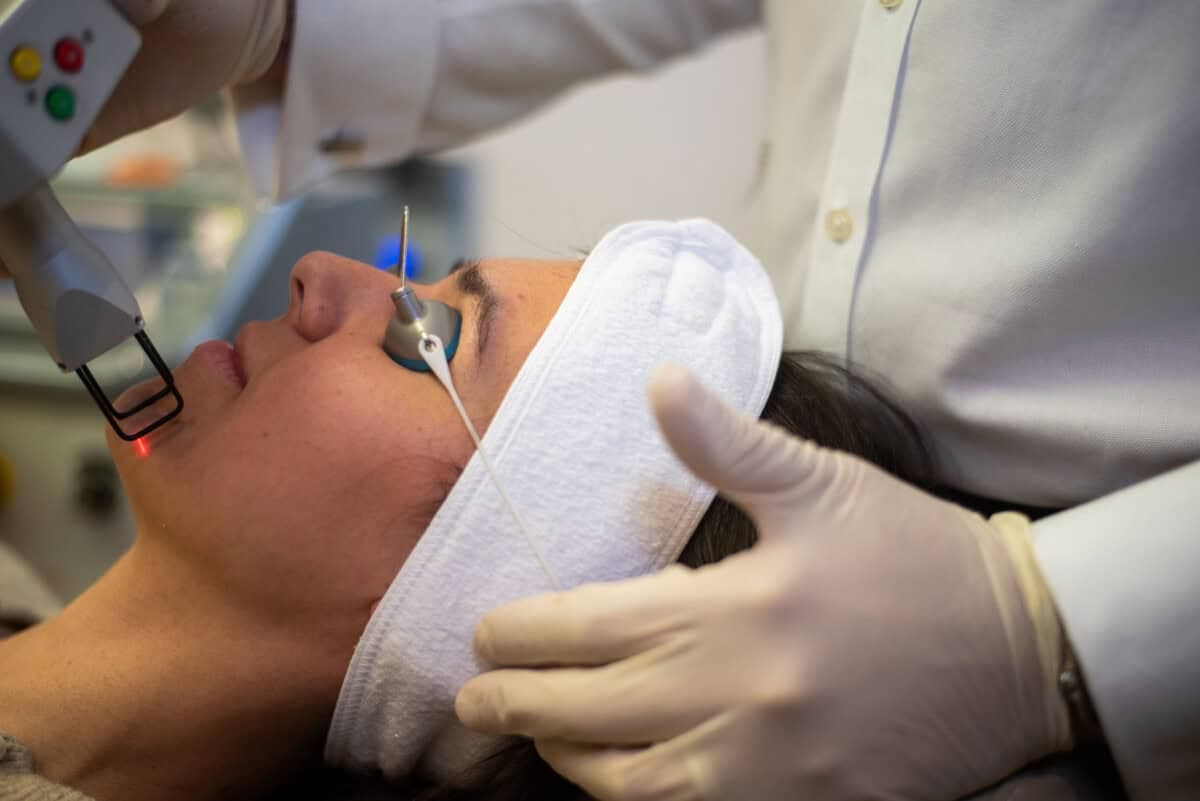
Dr Joney De Souza Skin & Laser in Marylebone helps patients across London who feel held back by pitted, uneven skin. CO2 laser for acne scars offers a structured, evidence-led way to soften the texture that previous breakouts leave behind. Many people try creams for years before they discover that deeper scarring needs a treatment that works within the skin itself. Fractional CO2 resurfacing does exactly that. Below, our clinical team explains how the treatment works, who it suits, and what you can realistically expect.
At Dr Joney De Souza, our CO2 treatment uses the Deka SmartXide DOT fractional CO2 laser. It is worth being clear that this is fractional resurfacing, not fully ablative CO2. We are often asked for fully ablative CO2, which we do not offer, because the fractional approach gives meaningful results with a safer, more manageable recovery. At your consultation, we explain exactly how the laser is set for your skin.
Acne scarring forms when inflammation damages the collagen beneath the surface. As the skin heals, it can pull inward or fail to rebuild fully. This creates the dips and shadows that catch the light and make skin look rough. Most facial acne scars fall into three broad shapes.
Understanding your scar type matters, because it guides the treatment plan. You can read more about the wider picture on our acne scarring concern page.
Fractional CO2 laser delivers tiny columns of light energy into the skin. Crucially, it treats only a fraction of the surface at a time and leaves healthy tissue in between. That untouched tissue speeds healing and supports a controlled recovery. As the treated columns heal, the body launches a natural repair response.
This response drives collagen remodelling. New collagen and elastin form over the following weeks and months, which gradually fills out atrophic, rolling, and boxcar scars from beneath. Therefore the skin tightens and the scar edges soften, so light no longer pools in the dips. You can explore the full CO2 laser treatment details and pricing on our dedicated page.
Resurfacing reaches the depth where scar tissue actually sits. Surface products simply cannot get there. By prompting fresh collagen at that level, the laser addresses the cause of the texture rather than masking it. Results build gradually, so the change tends to look natural rather than abrupt.
Your visit begins with a consultation and a careful skin assessment. We then apply numbing cream so the session stays comfortable. During treatment you may feel warmth and a light prickling sensation. Most sessions take roughly 30 to 60 minutes, depending on the area.
Afterwards, expect the skin to look red and feel warm, rather like sunburn, for a few days. Some patients notice mild swelling, flaking, or a sandpaper-like texture as the surface renews. There is little to no downtime for milder settings, although deeper treatments need a longer recovery. We give clear aftercare and ask you to protect the skin from sun while it heals.
Many patients see smoother texture within several weeks, while collagen remodelling continues for up to six months. Most people need a course of sessions for the best improvement, typically spaced several weeks apart. Outcomes vary from person to person, and a consultation gives you a realistic, tailored estimate.
Research supports fractional CO2 laser as a recognised option for facial acne scarring. In a study published in Dermatologic Surgery, Ochi, Tan, Tan, and Goh (2017) reviewed fractional CO2 laser for facial acne scarring in Asian patients. The authors reported transient side effects only, with no infection and no permanent loss of skin colour. As with all treatments, individual experiences differ, which is why an in-person assessment matters.
CO2 laser suits moderate to deeper scarring well. For finer or more superficial texture, a gentler option may be more appropriate. Microneedling with SkinPen also stimulates collagen, yet works with very fine needles rather than laser energy. It often appeals to patients who want a milder approach or who have a busy schedule. During your consultation, we can compare both routes and recommend what fits your skin type, scar pattern, and goals.
CO2 laser is not suitable for everyone. We do not treat during pregnancy or breastfeeding, and certain skin conditions, active infections, or medications can mean the treatment should wait or be avoided. A thorough consultation always confirms suitability first. Our clinicians review your medical history, examine your skin, and explain any precautions specific to you.
Ready to take the next step? Book a consultation with Dr Joney De Souza Skin & Laser through our contact page, and review the full options and costs on our prices page.
If acne scars affect your confidence, our London team can help. Book a consultation with Dr Joney De Souza Skin & Laser to assess your scar type, confirm suitability, and plan a personalised course. We will explain expected results and costs clearly, so you can decide with confidence. Get in touch today to begin.
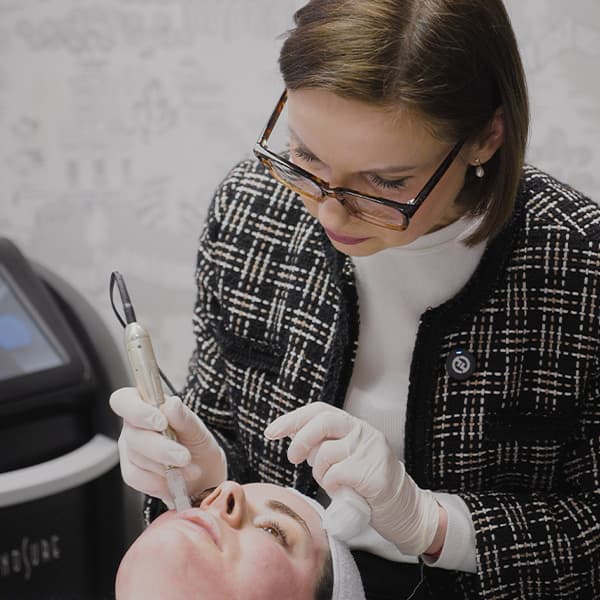
Common questions our Marylebone team hears.
Pricing depends on the area treated and the number of sessions you need. You can view current costs on our prices page, and your consultation gives a tailored quote.
Most sessions take roughly 30 to 60 minutes, depending on the area treated. We allow extra time for numbing cream to take effect beforehand.
There is little to no downtime with milder settings, though deeper treatments need longer recovery. Many patients have redness and flaking for several days.
Many patients notice smoother texture within a few weeks. Collagen remodelling continues for up to six months, so improvement builds gradually over time.
Most people benefit from a course of sessions spaced several weeks apart. Your clinician recommends a realistic number after assessing your scar type and skin.
Yes, fractional CO2 resurfacing can improve atrophic, rolling, and boxcar scars by stimulating new collagen beneath the surface. Results vary between individuals.
We apply numbing cream first, so most patients find the treatment comfortable. You may feel warmth and a light prickling sensation during the session.
When performed by trained clinicians, fractional CO2 laser has a strong safety record, and published research reports mainly transient side effects. A consultation confirms it is right for you.
CO2 laser suits moderate to deeper scarring, while microneedling can suit milder texture or busier schedules. We compare both during your consultation and advise accordingly.
Contact Dr Joney De Souza Skin & Laser in Marylebone to arrange a consultation. You can reach us through our contact page, and we will help you plan your treatment.