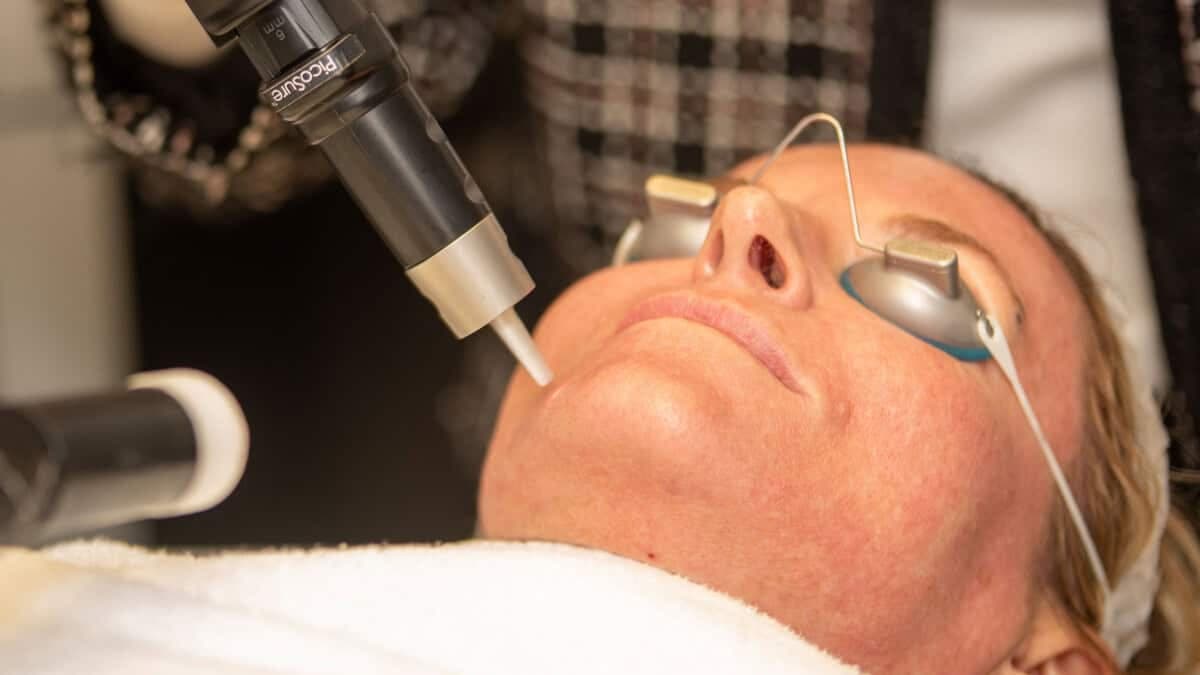
At Dr Joney De Souza Skin & Laser in Marylebone, a frequent question is how many PicoSure sessions you need. The honest answer depends on what you are treating. Pigmentation, sun damage and tattoos each follow a different pattern. Below, we explain the typical number of sessions by concern, and why a personal plan matters.
At Dr Joney De Souza, we run PicoSure Pro with both of its wavelengths, and we fit the Focus lens, so rejuvenation is part of what the platform does here and not only pigment clearance. We also include around 30 minutes of numbing and a full 45-minute treatment, rather than a rushed 15-minute session with no numbing. In practice, that means a more thorough and more comfortable treatment.
Key takeaways
Pigment responds well to PicoSure. Studies in pigmentation report clear improvement over one to four sessions. In practice, lighter, recent marks may clear faster. Deeper or layered pigment often needs a few more. To learn more, see our PicoSure laser page.
For overall glow and texture, PicoSure works gradually. Therefore, a short course usually gives the best result. Many patients have a series of treatments spaced about a month apart. Your clinician then tailors the number to your skin.
As a general guide, the following ranges apply. Even so, your clinician confirms the right plan for you.
Naturally, the plan depends on your skin and your goal. For coloured or layered ink, see our guide on PicoSure tattoo sessions.
Spacing gives the skin time to respond. For pigmentation and rejuvenation, sessions usually sit around four weeks apart. For tattoos, the gap is longer, often six to eight weeks. This pacing lets the body clear broken-down pigment between visits.
Ranges are only a guide. In reality, your skin type, the depth of pigment and your goal all shape the plan. For this reason, we confirm the number of sessions after assessing your skin, not before.
Once your course is complete, results can last well with good care. However, pigment can return with sun exposure. Therefore, daily sun protection and the occasional top-up help maintain your result. Your clinician advises what suits your skin.
At Dr Joney De Souza Skin & Laser, every PicoSure plan is doctor-led and tailored. To see options and current pricing, visit our PicoSure laser page and our prices list. Alternatively, book a consultation.
At Dr Joney De Souza Skin & Laser in Marylebone, every treatment is doctor-led and tailored to you. To discuss your goals and see current pricing, explore the treatment page or book a consultation with our team.
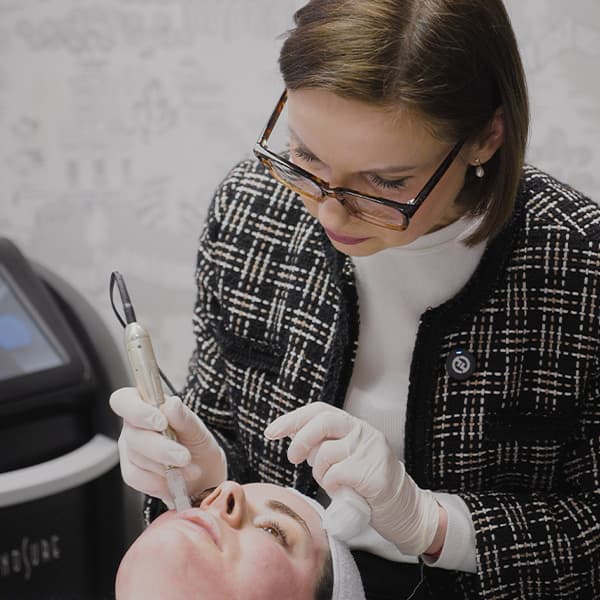
Common questions our Marylebone team hears about this treatment.
It depends on the concern. Pigmentation often improves over one to four sessions, while skin rejuvenation and tattoos need a longer course.
Many pigment concerns, such as sun spots and freckles, improve over one to four sessions, depending on how deep and layered the pigment is.
Rejuvenation works gradually, so a short course of around three to four sessions, spaced about a month apart, usually gives the best result.
Tattoos need more sessions than pigmentation, often several spaced six to eight weeks apart, depending on ink colour, depth and age.
Sessions for pigment and rejuvenation usually sit about four weeks apart, while tattoo sessions are spaced six to eight weeks apart.
Spacing lets the body clear broken-down pigment between visits, which improves results and keeps treatment gentle on the skin.
Possibly. Results last well with good care, but pigment can return with sun exposure, so occasional top-ups and daily SPF help.
Yes. Skin type, the depth of pigment and your goal all influence the plan, which is why it is confirmed at consultation.
Many patients notice improvement after the first one or two sessions, with the fuller result building across the course.
Pricing depends on the area and the number of sessions. See our prices page or book a consultation for a tailored quote.