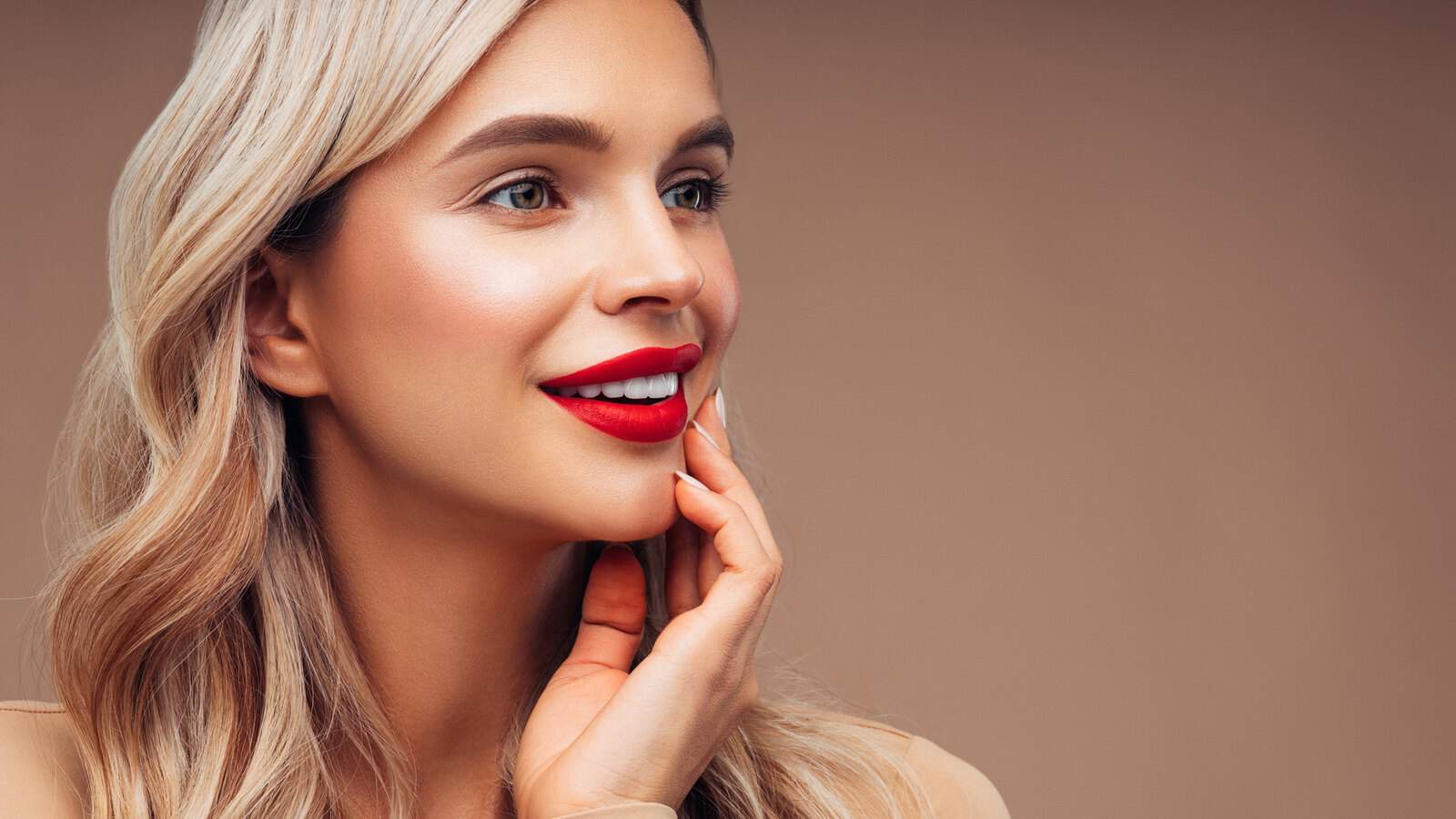
Lips prouder than planned on the walk home? Lip filler at Dr Joney De Souza Clinic in Marylebone is planned around the settled shape. Here is how your lips calm down day by day.
You leave pleased, then catch your reflection in a shop window on the walk home and your lips look prouder than planned. By the evening they feel tight and a little tender, and you start to wonder what you have done. Lip filler at Dr Joney De Souza Clinic in Marylebone is planned around the settled shape, not that first evening.
| Performed by | Results | Downtime | Your plan |
|---|---|---|---|
| Dr Joney De Souza or Dr Mattia Parducci | Visible straight away, settled within two weeks | Swelling eases over two to three days | Set by the doctor at consultation |
You are in good company. An analysis pooling lip filler studies of nearly 1,500 participants found that three in four people swell at the injection site, second only to tenderness, and that these early reactions resolved without treatment. The clinic’s guidance is that swelling, tenderness and small marks settle within 24 to 72 hours, and the final shape shows within about a week.
Two doctors treat lips at the clinic. Dr Joney De Souza (GMC 7008632), founder and Medical Director, and Dr Mattia Parducci (GMC 7635663) both place lip filler. Each plans the amount so the shape still looks like you once the fluid has gone.
Lips are soft, mobile and full of small blood vessels, so they answer each needle point with a little fluid and warmth. The skin over them is thin, which means any fluid shows at once. A cheek treated with the same gel hides its early swelling under thicker tissue and firmer support.
The gel itself adds to the effect. Lip filler is hyaluronic acid, a molecule your own skin already makes. A review in Dermato-Endocrinology describes its unique capacity to bind and retain water. Once placed, the gel draws water towards itself. For the first day your lips carry the filler, the fluid from the injections and the water the gel has attracted.
That is why the mirror on day one shows more volume than you will keep. The fluid drains over the next few days, and the gel settles into the tissue around it. What stays is the amount that was placed, sitting where it was put.
The first evening carries the most swelling, and it peaks again the following morning. Your lips feel tight and slightly tender, and you can feel small firm points under the surface where the gel went in. A tiny mark at one entry point is common and fades within a day or two.
Swelling is rarely even at this stage. One side can look plumper, or the upper lip can seem to lead the lower. Each part of the mouth holds fluid at its own rate. Judging symmetry that night tells you very little about the result you will have at the end of the week.
The clinic asks you to keep your fingers off your lips for the first 24 hours, and to skip lipstick and kissing for that day too. A cool, quiet evening at home is the best start. Most people find they sleep normally and wake to lips that already feel softer than they did at bedtime.
By the second and third day the tightness eases and the outline starts to match the plan you agreed in the chair. Small bruises fade, and once the entry points have closed, concealer covers what is left. You begin to see the border and the curve of the Cupid’s bow rather than the fullness around them.
By the end of the first week the shape has arrived. The gel has softened into the tissue, the border looks natural, and you stop noticing your lips when you talk. You eat, laugh and speak as before, and your mouth moves the way it always did, only with a clearer edge.
By the second and third day the tightness eases and the outline starts to match the plan you agreed in the chair.
The firm points you felt on the first day follow the same curve. Fluid gathered around each placement while the gel found its place, and the firmness softens on its own. No pressure or massage goes on your lips for the first week, so the gel keeps the exact position it was given and the outline stays crisp.
The US Food and Drug Administration makes the same point about fillers in general: swelling and bruising appear shortly after injection, and many settle within days. Lips sit at the busier end of that range, which is why the clinic waits two weeks before judging a lip result.
Lip filler shapes the lips. It does not lift heavy folds beside the mouth or replace volume lost deeper in the face. Adding more to the lips to make up for either only makes them look heavy. Those changes belong to dermal filler placed in the cheek and mid-face, where support for the lower face starts.
That distinction shapes the plan. If the corners of your mouth have started to turn down or a shadow runs from nose to mouth, the doctors look at the cheek first and the lips second. A mouth with support restored above it often needs less filler of its own, and the result looks lighter.
The fine vertical lines above the lip are a separate question again. They come from skin texture and muscle movement, and the clinic’s lip lines page sets out the treatments built for them. Lip filler supports the border, which helps lipstick sit cleanly, but the lines themselves need their own plan.
Lip aftercare is short and practical. Strenuous exercise waits 24 hours, because a raised heart rate pushes more blood into the lips and keeps swelling up for longer. A gentle walk home past Baker Street or across Regent’s Park is fine, and many people prefer the fresh air.
Alcohol, saunas, steam rooms and hot yoga wait 48 hours. Heat and alcohol both widen small blood vessels, so swelling and bruising linger when either arrives too soon. Two quiet evenings are enough for the first fullness to settle on schedule, and after that your usual routine returns.
Pressure and massage stay off your lips for a full week. That means no firm kissing, no testing the gel with a fingertip and no facial that works around the mouth. The rule protects the border while the gel integrates. It is also the one people find hardest to keep, because the urge to check is strong.
Weddings, birthdays and photoshoots all deserve lips that have settled. The shape shows within about a week, and the review sits at around two weeks, so booking at least a fortnight ahead leaves room for both. A month gives you space for a small refinement to settle in turn.
Mention the date when you first sit down with the doctor, because it changes the plan. Dr Joney or Dr Mattia may place a measured first amount and keep a little in reserve for the review, rather than placing everything at once. Your lips then reach the day soft and settled, with nothing added on the eve.
The clinic’s guide to dermal fillers and natural results sets out the thinking behind that restraint across the whole face. Lips show it most clearly because they move every time you speak, smile or drink.
Every lip appointment starts with a short medical check, and each question there has a reason behind it. Are you pregnant or breastfeeding? Is there an active cold sore or any infection on your lips right now? Are you taking blood-thinning medicines or supplements? Have you had filler before, and if so, what, where and when?
A cold sore or a lip infection means treatment waits until it has fully cleared. Blood-thinning medicines and supplements are reviewed too. Where it is appropriate to pause them for a few days beforehand, bruising and swelling are lighter. Earlier filler matters because new gel is planned around what is already in the lip.
Then the doctor studies your lips at rest and while you talk. The border, the Cupid’s bow and the balance between upper and lower lip are all read against the proportions of your whole face. The amount and the product are agreed with you before numbing cream goes on. First-time patients usually start at 0.5ml for a subtle change.
The treatment itself takes 30 to 45 minutes, including about 20 minutes for numbing cream and 15 to 20 minutes of injecting. You go back to work the same day. Two weeks later the doctor sees your lips again, now free of swelling, and checks the shape against the plan.
If one side still looks fuller at that point, a small refinement goes in on lips that have settled, rather than on lips still holding fluid. If the shape is right, nothing more is added. Lip filler lasts six to twelve months. The doctors would rather you leave with less and come back than leave with more than you wanted.
The clinic sits on Blandford Street in Marylebone, close to Harley Street. People come from Paddington, St John’s Wood and across central London for lip filler with a doctor holding the needle. The lip fillers page has the full treatment detail. Book your first visit, and give your lips their first week to settle.
Short clips filmed at Dr Joney De Souza Clinic in Marylebone, so you can see how dermal fillers is carried out before you book.
Tell Dr Joney De Souza or Dr Mattia Parducci the date you are planning for, and the treatment is timed so your lips have settled well before it. Send us a WhatsApp message or ring 020 7043 0748 to arrange your appointment on Blandford Street.
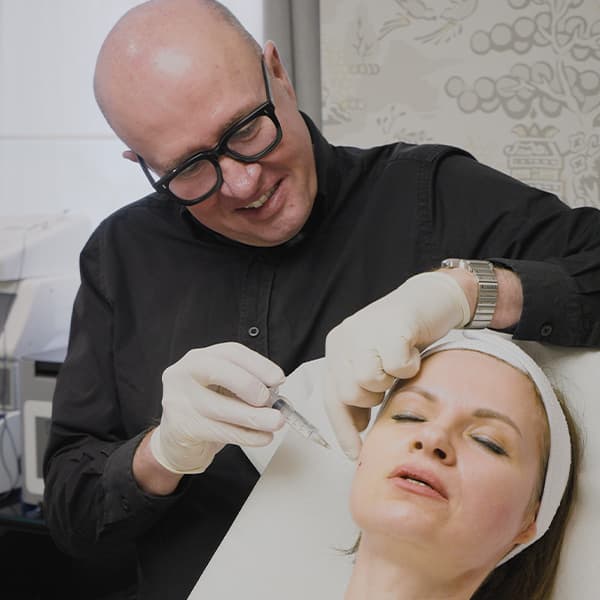
People ask these in the first few days after treatment, phone in one hand and a mirror never far away. Where an answer rests on a study, the source is linked.
The obvious puffiness is mostly gone by the third day, and the planned shape is visible within about a week. A faint firmness can linger a few days longer before it softens. By two weeks the gel has fully settled into the lip, which is why the clinic chooses that point to look at your result with you.
In the first few days, yes. The upper and lower lip, and each side of the mouth, hold fluid differently, so one area looks fuller for a while. Judge symmetry only once a week has passed. If anything still looks uneven at that stage, a small refinement is planned at the two-week review, on lips that have settled.
Usually that first evening and the following morning. Two things happen at once: the lip reacts to each injection with a little fluid, and the hyaluronic acid holds water of its own. Swelling is the most common reaction after tenderness, reported by about 74 percent of participants in a 2021 meta-analysis. From day two the fullness drops each morning.
Leave strenuous exercise for the first 24 hours, although a gentle walk is perfectly fine. Hot yoga, saunas and steam rooms wait for 48 hours, because heat encourages swelling to linger. After that your usual routine returns. A cool, quiet first evening is the best start your new shape can have, and all it asks of you is one skipped class.
The clinic asks you to give alcohol a miss for 48 hours, because it lets swelling and bruising linger in the lips. If the treatment falls just before a celebration, a sparkling water toast is the kinder choice. Save the champagne for the end of the first week, when the shape is there to enjoy and the border has settled.
Some people do, usually as a small mark near the border or at a corner. The lips have a rich blood supply, so a little bruise is expected rather than a surprise, and it fades within a day or two. Once the tiny entry points have closed, a dab of concealer covers it and nobody across a dinner table will know.
For the first week the gel is still settling into the surrounding tissue. Pressing or rubbing at that stage nudges it away from where it was placed, and the border loses some of its crispness. It is tempting to test the small firm points with a fingertip. Leave them be, because they soften by themselves into a smooth outline.
Aim for at least a fortnight, and a month is even more relaxed. That window covers the week the shape takes to appear, the second week it takes to settle and the review at around two weeks. It also leaves room for any small refinement to settle in turn, so your lips look calm and natural in every photograph.
Wait until the tiny entry points have closed before you reach for colour, and skip lipstick completely on the first day. By the end of the first week the outline looks crisp. Colour then sits neatly along the border instead of bleeding into fine lines, and a liner follows the edge with far less effort than it did before.
Ring the clinic that treated you. The team is available Monday to Friday, 9 am to 6 pm, on 020 7043 0748. Any question is passed straight to Dr Joney De Souza or Dr Mattia Parducci. A short photograph sent on WhatsApp often helps the doctors see exactly what you mean, well before your review at around two weeks.
