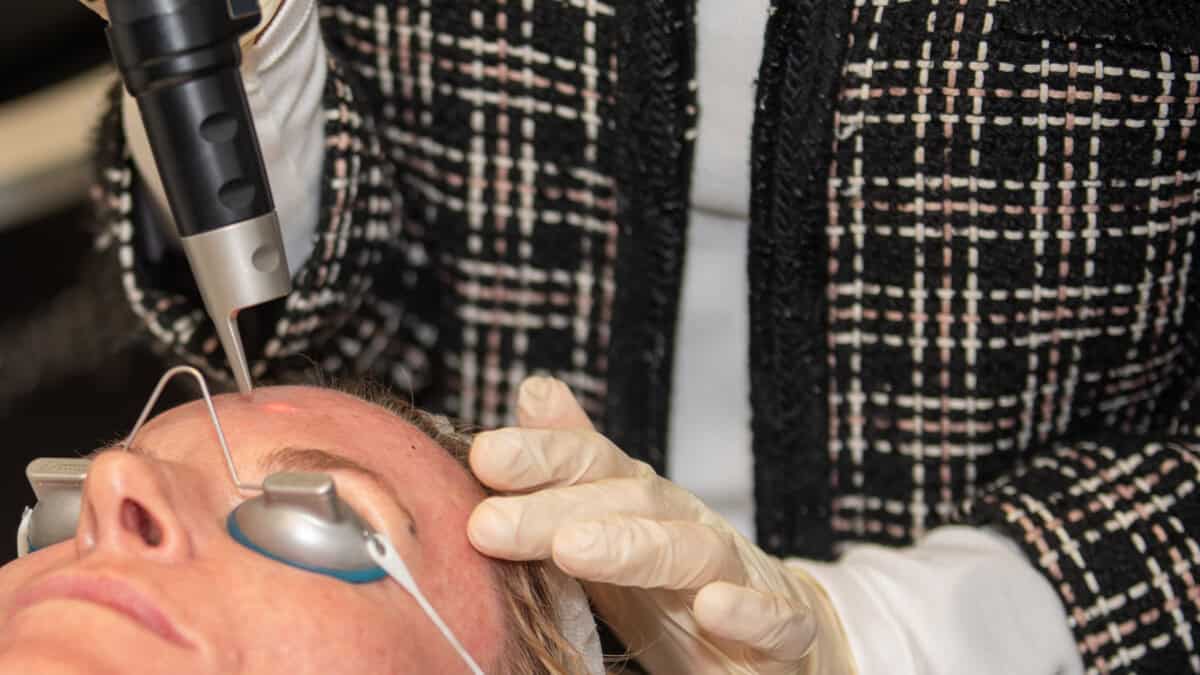
At Dr Joney De Souza Skin & Laser in Marylebone, we see many patients who feel stuck with stubborn brown patches that refuse to fade. PicoSure for melasma offers a considered, medically supervised option for pigmentation that has not responded to creams alone. Our Harley Street team treats this concern with caution, because melasma behaves differently from sun spots and rewards a gentle, patient approach rather than aggressive settings.
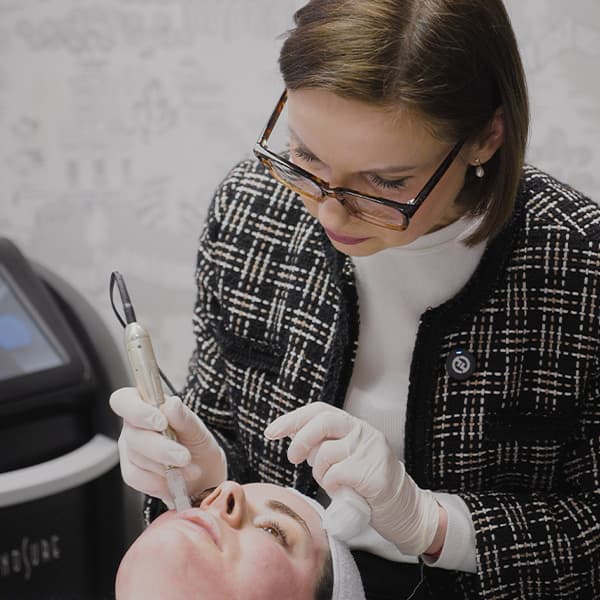
At Dr Joney De Souza, we use both PicoSure treatment heads. That includes the Focus lens, which targets skin rejuvenation, not only the head that treats pigmentation. Many clinics use the pigmentation head alone, because the Focus tip carries an extra cost to the clinic. We also include around 30 minutes of numbing and a full 45-minute treatment, rather than a rushed 15-minute session with no numbing. In practice, that means a more thorough and more comfortable treatment.
PicoSure delivers light in trillionths of a second, far faster than older nanosecond devices. The 755nm wavelength reaches melanin in the skin and shatters pigment into tiny particles. Your body then clears these fragments naturally over the following weeks. Because the energy lands so quickly, it produces a photomechanical effect rather than a heat-driven one.
This matters for pigment-led concerns. Less heat means a lower risk of triggering more pigmentation, which is exactly the trap that melasma sets. For sun-related marks, you can read more on our age spots page, while broader discolouration is covered under pigmentation.
The device also carries a focus lens that spreads energy across many tiny zones. This gentle, fractional effect stimulates the skin to refresh itself while keeping bulk heat low. For melasma, that balance is the whole point. We want enough action to lighten pigment, yet not so much that the skin reacts and darkens again.
Melasma is not a simple stain. Hormones, sunlight and heat all feed it, so it tends to return if provoked. We therefore choose conservative settings and build results gradually across a course. Aggressive energy can cause rebound pigmentation, where the skin darkens after treatment rather than clearing.
Recent evidence supports a measured combined approach. Zhou and colleagues, writing in the Journal of Cosmetic Dermatology in 2024, studied a picosecond 755nm laser alongside topical tranexamic acid for melasma and reported encouraging results when the laser was paired with supportive topical care. We mirror this philosophy by treating the laser as one part of a wider plan rather than a standalone fix.
Sun protection sits at the heart of that plan. Ultraviolet light reactivates the pigment cells that drive melasma, so daily broad-spectrum sunscreen does much of the quiet work between sessions. We also review your skincare, because some active ingredients help while others can irritate sensitive skin. Each plan is tailored, never a fixed template.
Many patients notice a softening of pigmentation across a course rather than after a single visit. Results may vary, and melasma in particular can fluctuate with sun exposure, pregnancy and hormonal changes. We always set honest expectations first. Clearance is rarely permanent, so we frame PicoSure as a way to manage and lighten pigmentation while you protect the skin going forward.
You can explore the device, what to expect and pricing on our PicoSure treatment page. There is typically little to no downtime, though mild redness can appear briefly after a session.
Consistency tends to beat intensity with melasma. Patients who stick with their plan, protect their skin and attend reviews usually see the steadiest improvement. We track your progress with photographs, so we can adjust energy and spacing as your skin responds. Honest, regular reviews keep the plan realistic and on course.
Darker skin holds more melanin, so any laser carries a real risk of unwanted pigment change if used carelessly. We assess every patient individually rather than ruling skin tones in or out. The 755nm picosecond laser has a reassuring track record here. Koh, Tan and Chua, reporting in Dermatologic Surgery in 2020, studied the 755nm picosecond laser in Type III to IV Asian skin and found it both effective and safe, with no permanent pigment change reported.
Even so, we proceed slowly. A patch test guides our settings, and we adjust energy to suit your skin rather than applying a fixed protocol. This careful, person-led method is central to how our clinic works.
PicoSure is not suitable for everyone. We do not treat during pregnancy or breastfeeding, and certain skin conditions, medications or recent sun exposure may mean you should wait. A consultation confirms suitability, reviews your history and lets us design a plan around your goals.
Ready to take the next step? Book a consultation with our London team through our contact page, or review session options on our prices page. Our Marylebone clinicians will guide you through realistic outcomes and a treatment plan that suits your skin.
If pigmentation or melasma is dulling your confidence, our doctor-led London team can help. We assess your skin individually and design a conservative, evidence-led plan. Book a consultation with Dr Joney De Souza Skin & Laser today, and we will talk you through realistic results, suitability and pricing before anything begins.
Common questions our Marylebone team hears.
Pricing depends on the area treated and the number of sessions you need. Our prices page lists current options, and we confirm a personalised quote at your consultation.
Most patients need a short course rather than a single visit. We typically space low-energy sessions several weeks apart and review your progress as we go.
There is typically little to no downtime. Mild redness can appear briefly, and most people return to normal activities the same day with sun protection.
Results may vary, and melasma can recur with sun exposure or hormonal changes. Daily sun protection and occasional maintenance sessions help keep pigmentation under control.
Melasma can rebound and darken if provoked by heat or aggressive energy. We use gentle, conservative settings to lighten pigment gradually and reduce the risk of recurrence.
We assess every patient individually. The 755nm picosecond laser has a reassuring safety record in darker skin, and a patch test guides the settings we choose for you.
It delivers ultra-fast pulses that shatter melanin into tiny particles through a photomechanical effect. Your body then clears these fragments naturally over the following weeks.
No treatment cures melasma permanently. PicoSure helps manage and lighten pigmentation, while sun protection and supportive care keep results steady over time.
We do not treat during pregnancy or breastfeeding. Certain skin conditions, medications or recent sun exposure may also mean you should wait, which a consultation confirms.
Contact Dr Joney De Souza Skin & Laser in Marylebone through our contact page to arrange a consultation. Our team will assess your skin and plan suitable treatment.