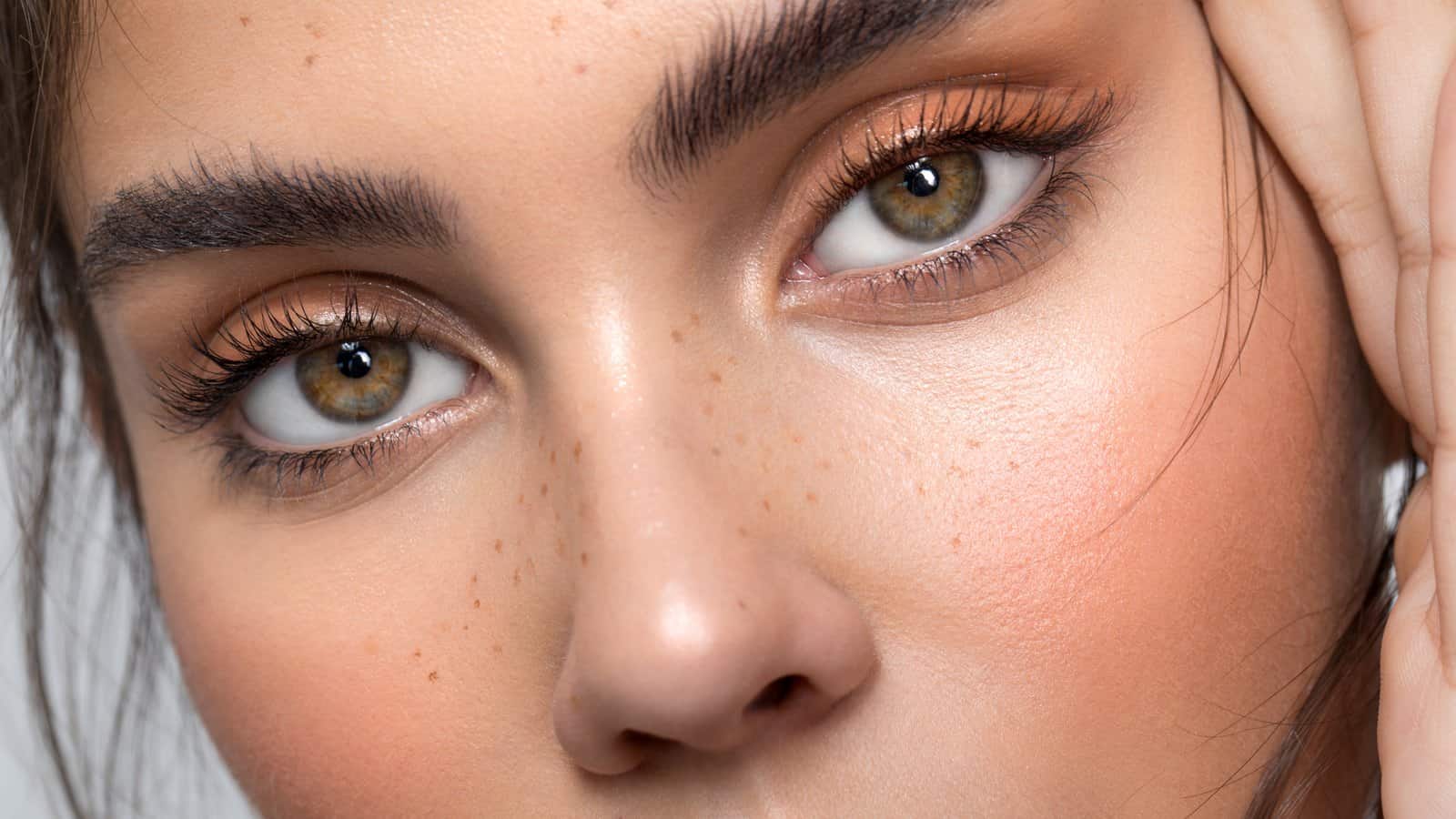
Rested but still looking tired? At Dr Joney De Souza Clinic in Marylebone, tear trough filler and polynucleotides answer different shadows. Here is how they differ, and how the doctors choose.
You have slept well, you feel rested, and still the mirror shows a shadow under each eye that makes you look tired. Concealer helps for an hour, then settles into the fine lines beneath it. At Dr Joney De Souza Clinic in Marylebone, choosing between tear trough filler and polynucleotides starts with working out what is actually causing that shadow.
| Performed by | Results | Downtime | Your plan |
|---|---|---|---|
| Dr Joney De Souza or Dr Mattia Parducci | Visible straight away, settled within two weeks | Swelling eases over two to three days | Set by the doctor at consultation |
Filler has a long track record under the eye. Across 155 people treated over sixteen years, tear trough filler still showed a significant improvement at 18 months. The average amount was about 0.45 ml in each hollow, less than half a millilitre a side, which is a reminder that a small dose, placed well, goes a long way.
There are two routes, and they work in completely different ways. Tear trough filler places a soft gel beneath a hollow to lift it level with the cheek. Polynucleotides add no volume at all, and instead prompt thin under-eye skin to rebuild its own collagen and elastin. Dr Joney De Souza (GMC 7008632) or Dr Mattia Parducci (GMC 7635663) performs both.
The tear trough is the groove that runs from the inner corner of the eye down and out across the top of the cheek. When the soft tissue there thins with age, the groove deepens. Overhead light then catches the edge of the cheek and leaves a crescent of shadow beneath it, which no concealer quite lifts.
Thin, crepey skin causes a different kind of tiredness. Here the problem is less a hollow and more a surface that creases into tiny folds when you smile. The skin is so fine that the colour of the vessels beneath shows through as a bluish or purple tint.
Many people have a mix of both. A hollow at the inner corner sits alongside crepey texture further out, and each responds to a different treatment. That is why the doctors look at your eyes in daylight, under the clinic lights and with your head tilted slightly downwards, which exaggerates any groove.
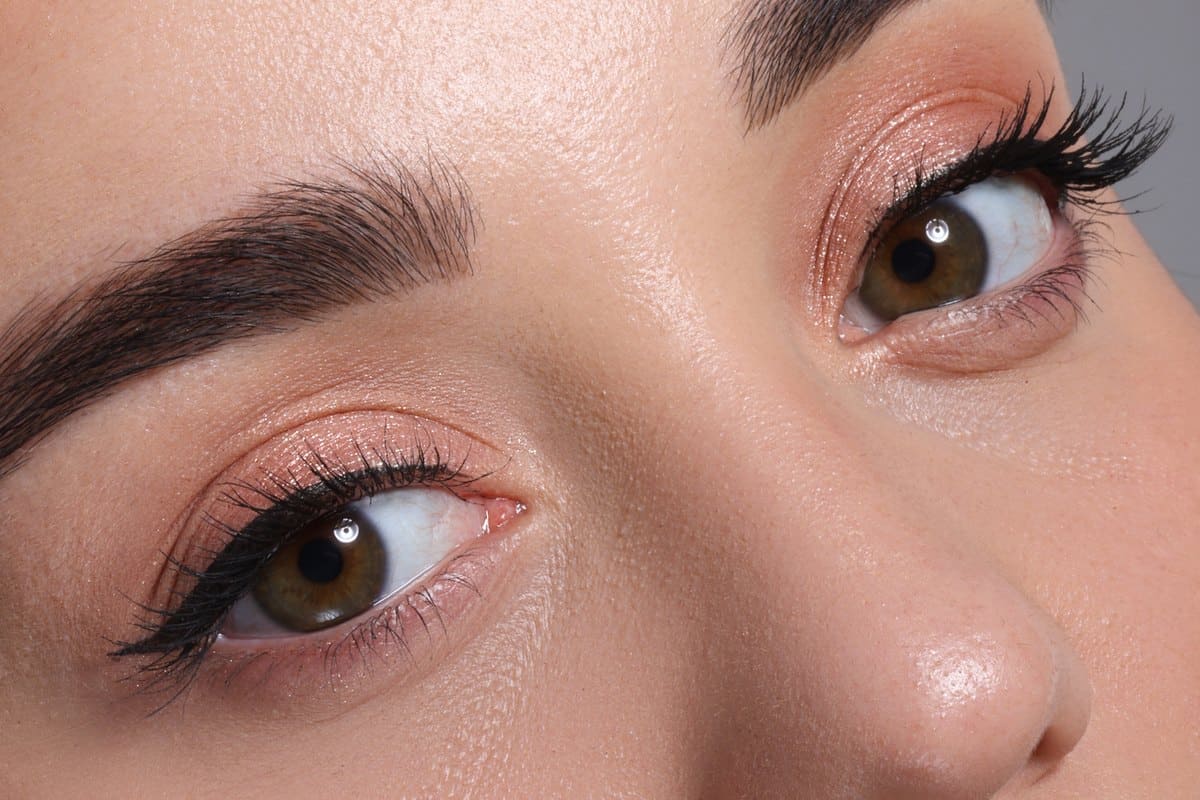
A 2026 review in the Journal of Clinical Medicine set the two side by side for the under-eye. Hyaluronic acid filler came out ahead for structural correction, filling a hollow. Polynucleotides showed consistent gains in skin quality instead: elasticity, hydration and fine lines. The authors called for more head-to-head trials, since study designs still vary widely.
The polynucleotide evidence is building. In a prospective study of 42 patients in the Journal of Cosmetic Dermatology, people rated their lower eyelids and crow’s feet as improved at one, three and six months after treatment. The best scores came at three months after two sessions, and early swelling and bruising were mild.
The tear trough figures carry their own lesson. In the 155-patient review the gel went in through a fine cannula, and grades measured at 18 months held up as well as those at six. The authors concluded that under-eye filler lasts longer than the familiar six to twelve months suggests, which is one more reason to place it sparingly and top up rarely.
Put together, the evidence points to a simple rule. Volume answers a groove, and repair answers thin skin. The skill lies in reading which one is in front of the doctor, and in what proportion, before anything is injected.
Tear trough filler uses a soft hyaluronic acid gel placed deep, close to the bone, beneath the groove. The gel supports the hollow from below so the lower lid flows smoothly into the cheek. Light then falls evenly across the area, and the crescent of shadow fades.
The treatment is often done with a fine cannula, a slim tube with a rounded tip that glides beneath the delicate skin. It enters through a tiny point on the cheek and lays the gel in a thin, even line. Numbing cream goes on about twenty minutes beforehand, and most people feel only gentle pressure.
The lift is visible as soon as you sit up. Over one to two weeks the result refines as any swelling settles and the gel integrates with the tissue. Results typically last six to eighteen months, and hyaluronic acid can be dissolved with an enzyme if the shape ever needs adjusting.
Tear trough filler suits a clear groove with reasonably firm skin over it, because the filler supports the hollow while the skin drapes smoothly on top. Strenuous exercise waits for twenty-four hours and saunas for forty-eight, and most people return to work the same day with only a faint mark where the cannula went in.
Results typically last six to eighteen months, and hyaluronic acid can be dissolved with an enzyme if the shape ever needs adjusting.
Polynucleotides are highly purified fragments of salmon DNA, and they work as a signal rather than a filler. Placed in the skin, they prompt fibroblasts, the cells that make collagen and elastin, to start repairing. The skin gradually thickens, firms and holds more water, so the under-eye looks smoother and less shadowed.
The clinic uses PhilArt, injected into the skin with a fine needle or cannula. Numbing cream goes on for about thirty minutes first, and the injections themselves take around fifteen to twenty minutes. Small bumps at the injection points settle within 48 hours, and in the UK polynucleotides are classed as a prescription-only medicine.
Hydration and a brighter look usually show after the first or second session, while firmness builds over four to eight weeks after each one. A typical course is three sessions spaced two to four weeks apart, sometimes four. Results last around six to nine months, with a top-up after that.
Polynucleotides suit eyes that look tired because the skin is thin, crepey or slightly darker, rather than hollow. The polynucleotides treatment page covers the face, neck and décolletage as well as the eyes. Daily SPF throughout the course protects the new collagen as it forms.
For many faces the strongest result comes from combining them. One sequence is to strengthen thin skin with polynucleotides first, over the course of a few weeks. Once the surface is firmer, a small amount of tear trough filler lifts the remaining hollow, and the gel sits more smoothly beneath healthier skin.
The combination works because each treatment handles a different layer. Filler supports structure from below, close to the bone. Polynucleotides work higher up, in the skin itself, improving texture, firmness and the way light reflects off the surface. Together they tackle both the shadow and the crepiness that concealer struggles with.
Timing matters for events too. Filler shows immediately, while polynucleotides need weeks to reach their best, so anyone preparing for a wedding or a milestone birthday does well to start the skin course early. The filler then goes in closer to the date as a finishing touch, once the skin above it has firmed.
Neither one clears brown pigment. Where the darkness under the eye is colour in the skin rather than a shadow or a thin surface, PicoSure breaks that pigment up with picosecond pulses, with sessions by Roma Sumskiene to the doctors’ protocol. The guide to dark circles sets out how the three fit together.
Before either treatment you are asked a short list of questions. Do you have a fish or salmon allergy, which rules polynucleotides out? Are you pregnant or breastfeeding? Have you had filler under the eyes before, and if so which product, how much and when? Do you take blood-thinning medicines or supplements?
The doctors then study your under-eyes in different lights and gently test how thick and elastic the skin is. Bring your usual concealer if you like. Seeing where it settles and creases tells them a great deal about the skin beneath it, and helps decide between lift and repair.
Your first appointment is a consultation with Dr Joney De Souza or Dr Mattia Parducci at 49 Blandford Street. You see the hollow and the texture side by side in the mirror as they talk you through it, and the plan and its investment are set out before anything is booked.
Filler is usually a single appointment, sometimes with a small top-up later. Polynucleotides run as a course of around three sessions, with maintenance every six to nine months. The consultation gives the real answer, because the balance of hollow and thin skin is different in every face.
The clinic sits in Marylebone, close to Harley Street, within easy reach of Baker Street and Bond Street. Patients come from St John’s Wood, Fitzrovia and across central London for an under-eye plan built around their own anatomy. Its 4.9 Google rating, from more than 270 reviews, reflects that care.
If tired-looking eyes are the first thing you notice in photographs, come in and find out which route suits them. Read about polynucleotides for the under-eye or tear trough filler before your visit, and arrive with your questions ready.
Short clips filmed at Dr Joney De Souza Clinic in Marylebone, so you can see how dermal fillers is carried out before you book.
If tired-looking eyes are holding you back, Dr Joney De Souza or Dr Mattia Parducci will show you whether lift, repair or both suits them. Call 020 7043 0748, or message us on WhatsApp to book your appointment.
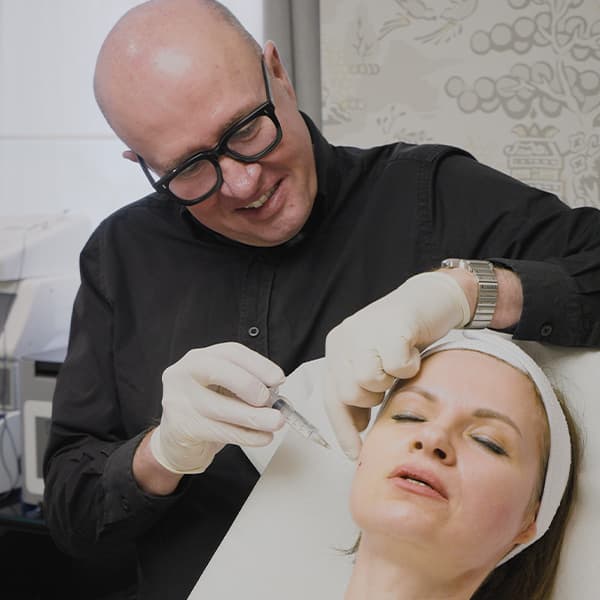
Filler or polynucleotides, or both? These are the questions people ask most when tired-looking eyes are the concern, from salmon DNA to how soon the skin looks fresher.
It depends on where the darkness comes from. A shadow cast by a hollow groove brightens with tear trough filler because the light no longer drops into it. Darkness that shows through very thin skin responds better to polynucleotides, which thicken the skin so less colour peeks through. Many people have some of each, and brown pigment needs a laser instead.
Not for a deep hollow, because polynucleotides add no volume. A 2026 review found filler stronger for structure and polynucleotides stronger for skin quality. They are an excellent alternative for people whose under-eye looks tired mainly because of fine, crepey skin, and some who assumed they needed filler find strengthening the skin enough.
Yes. They are highly purified fragments of salmon DNA, refined so that no cells remain. In the UK they are a prescription-only medicine, which is one reason they are given by doctors at the clinic. Let the team know about any fish allergy when you book, since that rules the treatment out and the plan moves to filler or laser instead.
Some people notice a dewier, more hydrated look within a few days of the first session. The deeper change takes longer, since collagen builds over the weeks after each treatment. By the end of a course of three, the skin under the eye usually looks firmer, smoother and visibly less crinkled when you smile.
Placed deep and in small amounts, it gives a smooth, natural lift. Puffiness tends to come from too much gel, or gel placed too close to the surface. The doctors use a soft product sparingly and build slowly, checking the result in the mirror with you, so the under-eye looks refreshed rather than filled.
Yes, and the two sit together comfortably. Polynucleotides work in the skin, while filler sits deeper near the bone, so one does not disturb the other. Many people with existing filler add polynucleotides to improve crepey texture over the top, which keeps the area looking fresh between filler top-ups.
Most people find it far easier than they expected. Numbing cream softens the skin first, many fillers contain local anaesthetic, and a cannula needs only a single tiny entry point on each side. You feel a gentle pressure and some movement under the skin rather than sharp pain, and it is over in minutes.
Three is the usual course, spaced two to four weeks apart. Skin that is particularly thin or crepey sometimes benefits from a fourth session. After that, a single top-up every six to nine months keeps the repair going, so the skin under the eye stays firm and smooth through the year.
Yes, and for some patients that order works well. A course of polynucleotides thickens thin under-eye skin first, which gives a firmer surface for filler to sit beneath if a groove is still visible afterwards. The doctors usually wait a few weeks after the last session before judging the hollow again. Both routes, and the investment for each, are set out at the consultation.
Not directly, because crow’s feet come from the muscle that squeezes when you smile. Anti-wrinkle injections relax that muscle, and they pair well with either under-eye option. Polynucleotides do improve fine crepiness at the outer corner, so the whole eye area often looks smoother after a course.
