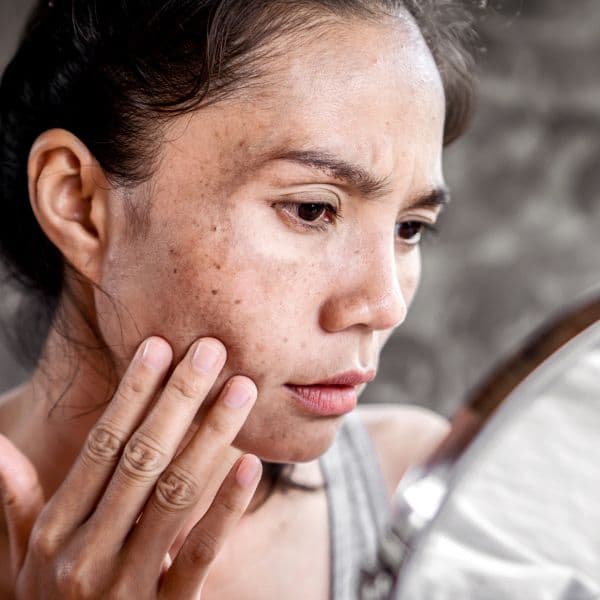
Laser pigmentation treatment can help reduce dark spots, sun damage, uneven skin tone, and hyperpigmentation with minimal downtime.
Skin pigmentation is one of the most common concerns treated at our skin clinic in London. From sun damage and melasma to post-acne marks and uneven skin tone, pigmentation can affect confidence and become difficult to manage with skincare products alone.
While creams and facials may help improve superficial discolouration, many forms of pigmentation require professional laser treatments to target excess melanin deeper within the skin.
Pigmentation occurs when the skin produces excess melanin, the natural pigment responsible for skin colour. This excess melanin can collect in certain areas of the skin, creating dark patches or uneven tone.
Common causes of pigmentation include sun exposure, hormonal changes, acne, inflammation, ageing, and genetics.
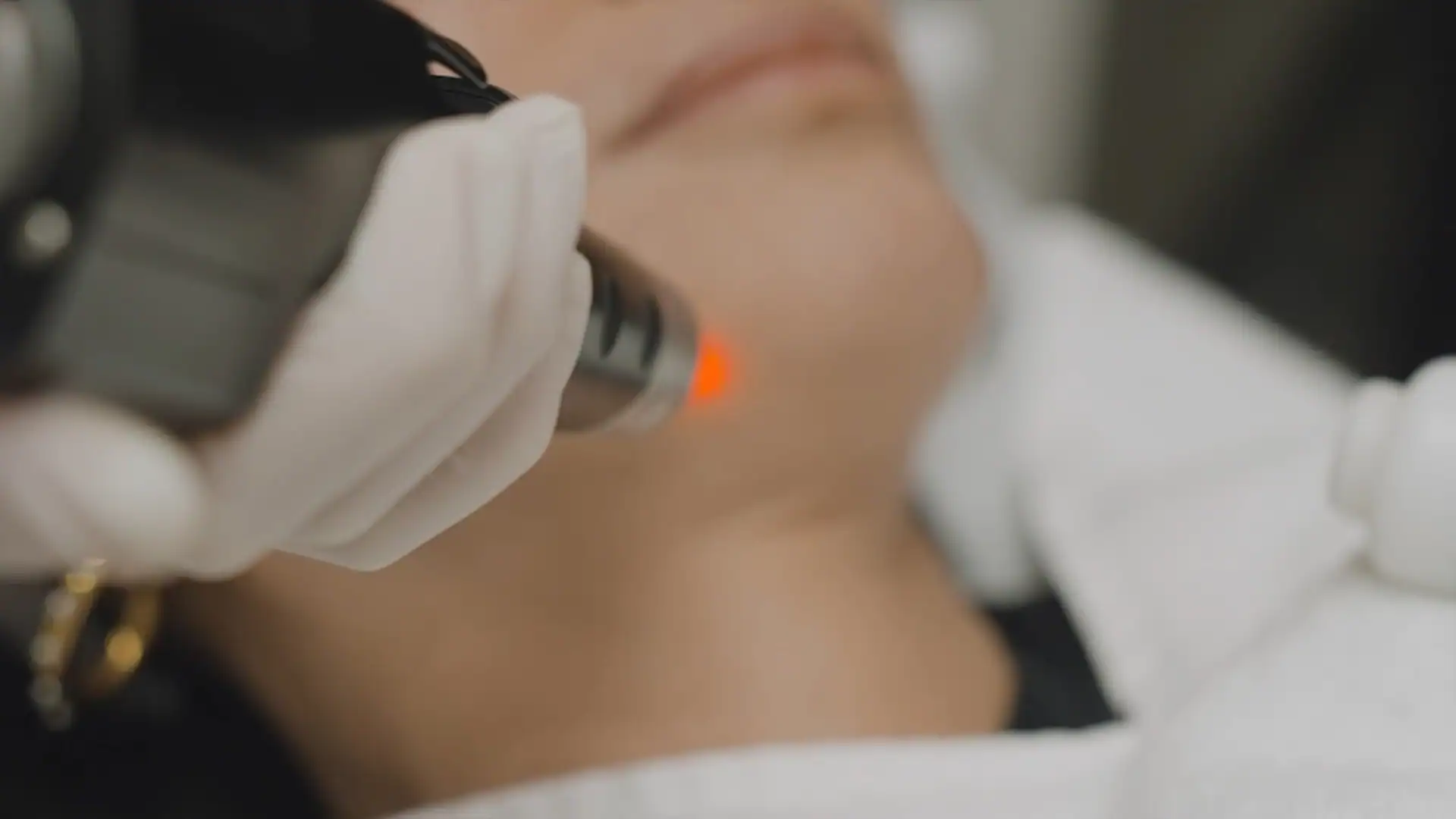
In many cases, laser treatment can significantly reduce pigmentation and improve overall skin clarity. Laser pigmentation treatment works by targeting excess melanin beneath the skin using focused light energy.
The pigment is broken down into tiny particles, which are then naturally removed by the body over time. Modern laser treatments can improve sun damage, uneven skin tone, freckles, age spots, and acne pigmentation.
The success of treatment depends on several factors, including the type of pigmentation being treated, how deep it sits within the skin, and the patient’s skin type.

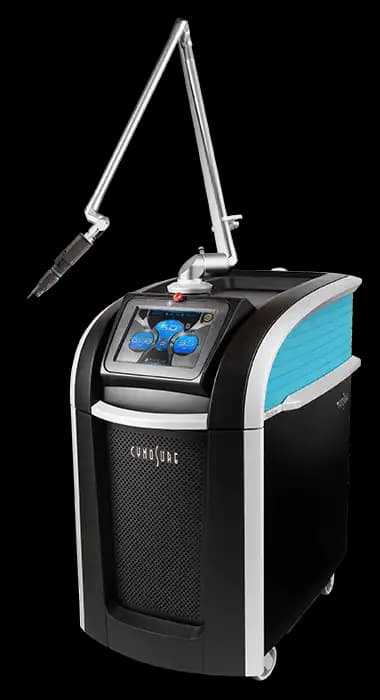
PicoSure laser technology has become one of the most advanced laser treatments for pigmentation available today.
Unlike traditional lasers that rely mainly on heat, PicoSure uses ultra-short picosecond pulses to break down pigmentation particles more efficiently while minimising damage to surrounding skin. You can learn more about the technology directly from the official PicoSure manufacturer.
This makes PicoSure particularly effective for treating sunspots, acne pigmentation, freckles, uneven skin tone, and age spots.
Many patients choose PicoSure because treatment is minimally invasive, associated with limited downtime, and can also stimulate collagen production to improve overall skin texture and brightness over time.

PicoSure laser treatment can improve several common forms of pigmentation. Sunspots and age spots caused by UV exposure can often be reduced by targeting excess pigment within the skin.
Acne pigmentation and post-inflammatory hyperpigmentation may also improve as laser treatment helps fade dark marks and restore a more even skin tone.
Patients with freckles or dull, uneven skin often choose PicoSure to achieve brighter and clearer-looking skin.
Certain cases of melasma may also benefit from treatment, although melasma usually requires a personalised approach combining laser treatments, medical-grade skincare, and strict sun protection.
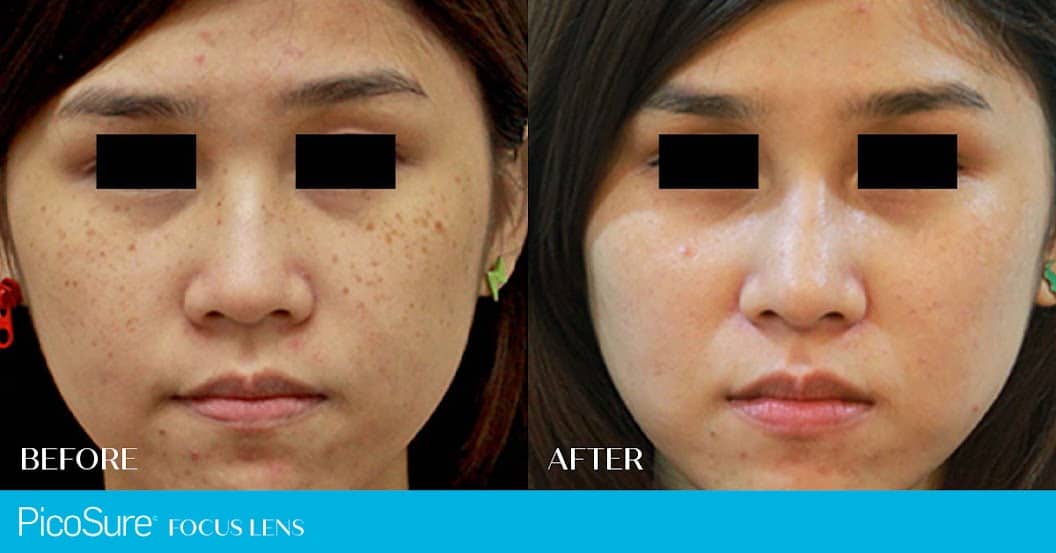
The number of laser sessions needed depends on the type of pigmentation, how deep the pigment sits within the skin, the size of the treatment area, and the patient’s skin type.
Many patients begin noticing visible improvement after just one or two sessions, although deeper or more stubborn pigmentation may require additional treatment.
Most patients typically require between two and six sessions for optimal results, with treatments spaced several weeks apart to allow the skin to heal and the body to naturally clear fragmented pigment.
A professional skin consultation helps determine the most suitable treatment plan for your skin concerns.
The most effective treatment for pigmentation depends on the type of pigmentation being treated, the patient’s skin type, and how deep the pigment sits within the skin.
Gold standard pigmentation treatments commonly include:
While treatments such as skin boosters and Profhilo can support hydration and improve overall skin quality, they do not directly remove pigmentation. However, combination treatment plans may help improve skin tone, texture, brightness, and overall skin rejuvenation results.
Both PicoSure and IPL can treat pigmentation, but they work differently. IPL uses broad-spectrum light to target pigment close to the surface of the skin, while PicoSure uses ultra-short laser pulses that can target pigmentation more precisely beneath the skin.
PicoSure is often preferred for stubborn pigmentation, acne pigmentation, and patients looking for minimal downtime combined with skin rejuvenation benefits.
Patients considering IPL treatments may also explore MaxG IPL photorejuvenation depending on their skin concerns.
The most suitable treatment depends on the patient’s skin type, the severity of pigmentation, and the overall treatment goals.

The cost of laser pigmentation treatment depends on the treatment area, severity of pigmentation, and the number of sessions required.
| Treatment Area | Price |
|---|---|
| Face | £420 |
| Face & Neck | £550 |
| Face, Neck & Décolletage | £700 |
| 3 Sessions Face | £1,160 |
You can also view our full clinic price list here.
In some cases, pigmentation can return if the underlying triggers are not controlled. Sun exposure, hormonal changes, inflammation, and acne can all contribute to recurring pigmentation, particularly with conditions such as melasma.
Maintaining results usually requires daily SPF use, medical-grade skincare, and avoiding excessive UV exposure.
Ingredients such as Vitamin C, retinol, azelaic acid, and niacinamide are commonly recommended to help brighten the skin, improve skin turnover, and reduce excess melanin production after laser treatment.
Professional skincare products from our ZO Skin Health range may help support and maintain pigmentation treatment results.

PicoSure laser treatment offers an advanced solution for stubborn pigmentation, sun damage, and uneven skin tone while helping patients achieve clearer, brighter-looking skin with minimal downtime.
If you have questions about PicoSure laser treatment in London, the answers below cover the most common concerns patients raise before booking. For a personalised assessment, your practitioner will discuss your specific concerns and treatment expectations at consultation.
PicoSure laser treatment is considered one of the most advanced laser treatments for pigmentation because it uses ultra-short picosecond pulses to break down excess pigment while minimising damage to surrounding tissue.
Most patients require between two and six sessions depending on the type and severity of pigmentation being treated.
PicoSure may help improve certain cases of melasma, although melasma often requires a combination approach including skincare and ongoing maintenance.
Some pigmentation can be removed long term, but ongoing sun exposure or hormonal triggers may cause recurrence over time.
Yes. PicoSure is commonly used on the face to treat pigmentation, uneven skin tone, and signs of sun damage.
Many patients begin seeing visible improvement after the first few sessions, with continued improvement over several weeks as the body naturally clears fragmented pigment.
Most patients tolerate PicoSure treatment very well. The sensation is often described as a mild snapping feeling against the skin, with minimal downtime after treatment.
Our patients return to us year after year for natural, balanced results. Every review reflects our commitment to precision, safety and a personalised approach to aesthetic care.
Based at 49 Blandford Street in Marylebone, the Dr Joney De Souza Skin & Laser Clinic is known for its refined, personalised approach to aesthetic medicine and skin health. The clinic offers a carefully curated range of advanced treatments, including Skinvive by Juvéderm, designed to improve skin quality, hydration and radiance while preserving natural facial expression.
Every aesthetic treatment at the clinic is approached with the same attention to detail and clinical integrity, focusing on long-term skin health rather than short-term cosmetic change. Through thorough consultation and tailored treatment planning, patients are guided towards subtle, effective solutions that support healthy, luminous skin over time.