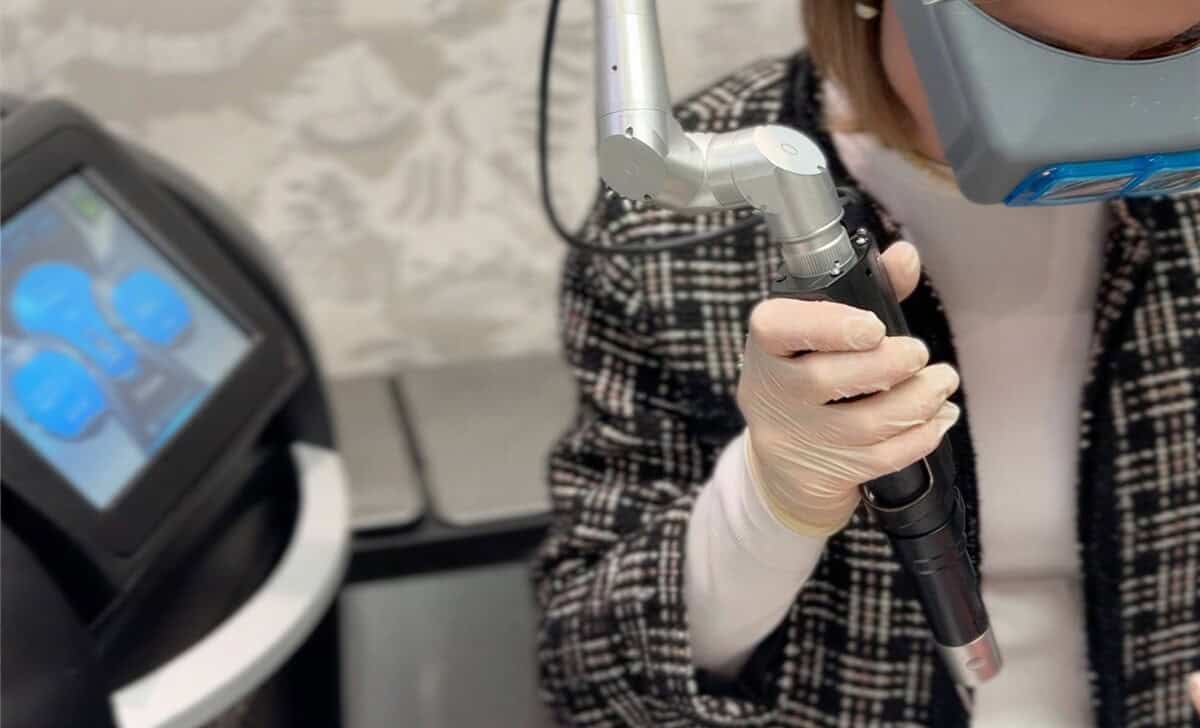
At Dr Joney De Souza Skin & Laser in Marylebone, people considering pigmentation or tattoo treatment often ask: is PicoSure safe? It is a fair question, and the evidence is encouraging. PicoSure is a 755 nm picosecond laser, and studies report a strong safety profile, including in darker skin tones. Below, we review what the research shows, the side effects to expect, and how we keep treatment safe.
At Dr Joney De Souza, we run PicoSure Pro with both of its wavelengths, and we fit the Focus lens, so rejuvenation is part of what the platform does here and not only pigment clearance. We also include around 30 minutes of numbing and a full 45-minute treatment, rather than a rushed 15-minute session with no numbing. In practice, that means a more thorough and more comfortable treatment.
Key takeaways
PicoSure has been studied in dermatology journals, including in skin of colour. A 2020 review in Dermatologic Surgery treated darker skin types for pigmentation. The authors found significant improvement and reported no permanent loss or gain of pigment. In short, the treatment was well tolerated.
The picosecond laser delivers energy in trillionths of a second. As a result, it shatters pigment with a photomechanical effect and less heat. Because there is less heat, the surrounding skin is better protected. For this reason, picosecond lasers carry a lower risk than older nanosecond devices. To explore the treatment, see our PicoSure laser page.
No treatment is entirely free of effects, so honesty matters. After PicoSure, most reactions are brief and mild. Typically, patients notice the following.
Generally, these effects are short-lived. Importantly, studies in Asian skin report transient erythema that resolves quickly. This makes PicoSure a considered choice for pigmentation across a range of skin tones.
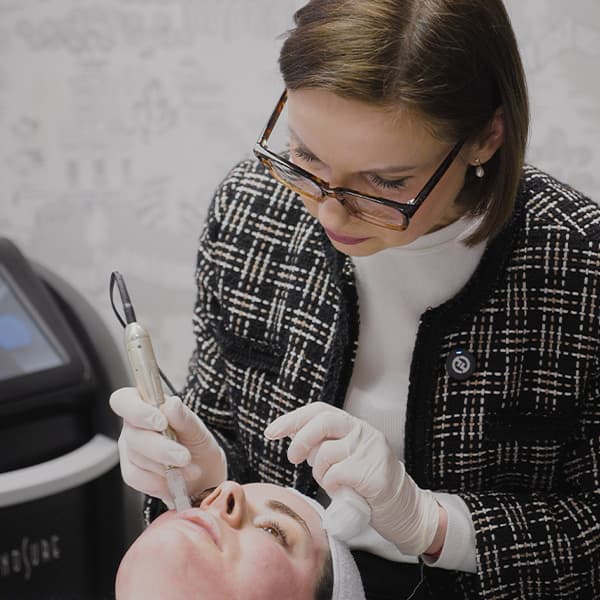
Safety is about the operator as much as the laser. At our Marylebone clinic, several steps protect you.
As a result, side effects stay minimal and brief. Moreover, every plan is matched to your skin and your goals.
PicoSure is not suitable for everyone. We avoid treatment during pregnancy or breastfeeding. Equally, it is unsuitable over active infections, recent sun tan, or with certain photosensitive conditions. A consultation confirms whether it is right for you.
At Dr Joney De Souza Skin & Laser, every PicoSure treatment is doctor-led. To learn more, visit our PicoSure laser page and our prices list. Alternatively, book a consultation.
At Dr Joney De Souza Skin & Laser in Marylebone, every treatment is doctor-led and tailored to you. To discuss your goals and see current pricing, explore the treatment page or book a consultation with our team.
Common questions our Marylebone team hears about this treatment.
Peer-reviewed studies describe the 755 nm picosecond laser as safe and effective, with minimal, short-lived side effects when used by a trained clinician.
Yes. Studies in Type III to IV skin report good results with no permanent pigment change, as the settings are tailored to the skin.
Most patients notice only brief redness, mild swelling and temporary darkening of pigment that flakes away over a few days.
Treatment feels like a warm, tingling snap. A numbing cream can be used to keep you comfortable if needed.
Redness and swelling usually settle within hours to a day. Any pigment darkening flakes away over several days.
Its picosecond pulses deliver energy with less heat than older nanosecond lasers, which lowers the risk of pigment-related side effects.
Temporary changes can occur, but studies report no permanent pigment change when the laser is used correctly on suitable skin.
PicoSure is avoided during pregnancy or breastfeeding, over active infections, on freshly tanned skin, or with certain photosensitive conditions.
PicoSure is a recognised, widely used picosecond laser platform. For safety, treatment should always be performed by a qualified clinician.
Choose a doctor-led clinic, share your skin history, avoid sun before treatment, and follow the aftercare and SPF advice given.