
The parting looks wider under the bathroom light, and the ponytail feels slimmer. See how PRP hair treatment at Dr Joney De Souza Clinic in Marylebone wakes the follicles that have started to rest.
The parting looks a little wider under the bathroom light each month, and the ponytail feels slimmer in your hand than it did a year ago. Nobody else has said a word, yet you have started parting your hair on the other side. That is the moment PRP hair treatment at Dr Joney De Souza Clinic in Marylebone is built for.
| Performed by | Course | Downtime | Your plan |
|---|---|---|---|
| Dr Joney De Souza or Dr Mattia Parducci | Three sessions, four to six weeks apart | Scalp tender for a day | Set by the doctor at consultation |
Losing 50 to 100 hairs a day is normal, according to the NHS, and most of them go without anyone noticing. A widening parting means something else: the follicles are still there, but more of them have started to rest. Dr Joney De Souza (GMC 7008632) or Dr Mattia Parducci (GMC 7635663) performs every PRP treatment for hair loss at the clinic, and one of them leads the first appointment too.
PRP stands for platelet-rich plasma, and every drop of it comes from you. A small sample of your blood is drawn on the day and spun until the platelets gather in a clear golden layer. That plasma goes back into the scalp exactly where the thinning shows, carrying growth factors at three to five times their usual concentration.
The evidence for PRP on the scalp has grown steadily over the last decade. In a 2015 randomised, placebo-controlled trial in Stem Cells Translational Medicine, Gentile and colleagues treated half of each scalp with PRP and the other half with placebo, three sessions 30 days apart, in men with pattern hair loss.
After those three sessions the treated side showed a mean gain of 33.6 hairs in the target area and 45.9 more hairs per square centimetre than at the start. Under the microscope, the treated skin also held more hair follicles two weeks after the last session, and the scalp around them carried a slightly richer network of small blood vessels.
Women have their own body of evidence. A 2024 meta-analysis in Skin Research and Technology pooled 21 randomised trials covering 628 women and found that PRP significantly increased hair density and the thickness of each strand. Fewer hairs came away on a gentle pull test, and the reviewers noted that the response varied with the dose and the treatment schedule.
Those figures describe groups of people rather than your scalp. They do explain why PRP is planned here as a course rather than a single visit, and why the photographs taken at the start carry so much weight when progress is measured months later.
Every hair on your head moves through a cycle of growing, pausing and shedding. In pattern hair loss and stress-related thinning, more follicles linger in the pause. The strands they do produce come through finer and shorter. That is why the scalp starts to glint through under a bright light long before you ever see a bald patch.
PRP works directly on that pause in the cycle. The growth factors signal to the cells around each follicle and lengthen the growing phase. Every strand stays in the scalp for longer and comes through with more body. Shedding slows first, often from four to six weeks after the first session, and visible density follows in the months after.
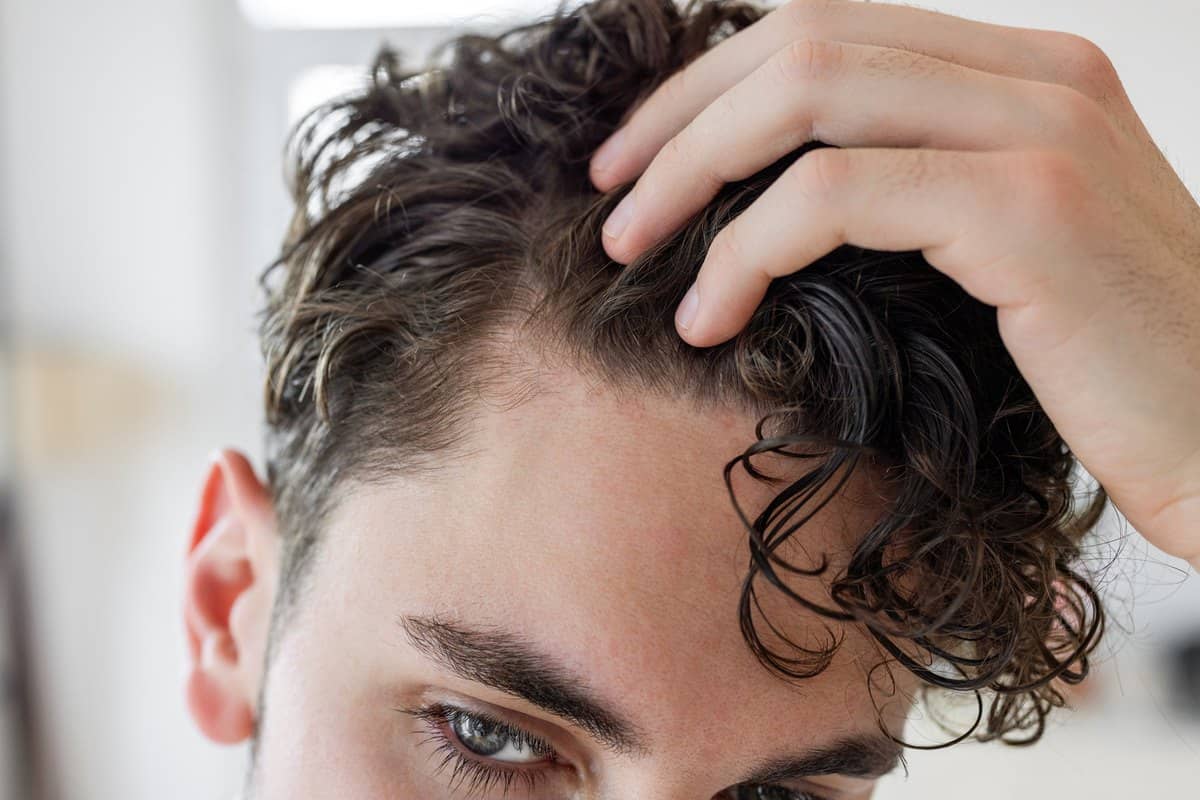
Because the plasma is entirely yours, the treatment sits comfortably alongside the routines many people already follow, and minoxidil at home carries on as before. The doctors also combine plasma with polynucleotides for hair when your scalp would welcome a second signal. Each one adds its own push towards thicker, glossier strands.
PRP is at its strongest while the follicles are still active. That is why timing matters more than how much hair you have lost. If you can still feel plenty of strands between your fingers at the crown, you are in the window where the treatment does its finest work. Thinning hair responds far better than hair that has long gone.
Male and female pattern hair loss is the most familiar picture. The temples draw back, or the parting widens into a soft triangle at the front. Diffuse thinning is the subtler version, where the whole scalp thins evenly. You notice it as a hair tie that now wraps round one more time than it used to.
Shedding after a big life event is another strong fit. Post-partum shedding responds well, as does the thinning that follows a stressful year, an illness or a medical treatment. Thinning linked to nutrition and early alopecia areata belong on the same list. In each case the follicles are present and simply need encouragement to return to growth.
The temples draw back, or the parting widens into a soft triangle at the front.
PRP does not create follicles where the scalp has been smooth for years, and it does not reset a scalp that is congested or flaky. For that second picture the clinic offers Hair Restore 360, which pairs a HydraFacial Keravive scalp cleanse with PRP and polynucleotides, and Dr Joney De Souza places those injections himself. The clinic’s guide to hair loss treatment sets out the wider range.
Your first appointment runs 20 to 30 minutes with Dr Joney De Souza or Dr Mattia Parducci. They look closely at the hairline, the parting and the crown under clear light and photograph the thinning areas. Those images become the baseline for every review that follows, so a change of a few strands along the parting is easy to see later.
Before any blood is drawn you are asked a short set of questions. How long has the thinning been showing, and did it begin after a pregnancy, an illness or a hard year? Do you take aspirin, fish oil or vitamin E, and can they be paused for a week beforehand? Has anyone mentioned a platelet disorder, and is the scalp sore or broken anywhere?
You are also asked what you already use at home, from shampoos to minoxidil. The answers shape the timing of your first session and the areas the plasma reaches, because the platelets are the whole treatment and anything that thins the blood or inflames the scalp changes how well they work.
Wash your hair on the morning of your appointment with a gentle shampoo. Arrive with it dry and unstyled, so the scalp is easy to reach. The visit runs 60 to 90 minutes from start to finish. Much of that time is calm waiting while the numbing cream takes hold and your plasma is prepared.
The blood draw feels like any routine blood test from the arm and takes around ten minutes. The tube then spins in a centrifuge at high speed for ten minutes. When it stops, the blood has separated into layers. The red cells settle at the bottom, and the straw-coloured plasma, rich in platelets, rests above them.
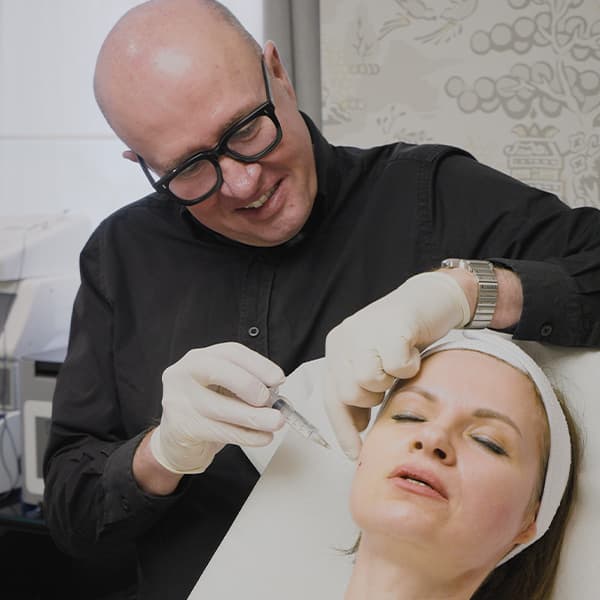
While the centrifuge turns, a numbing cream sits on your scalp for 20 minutes. The injections follow a careful grid across the areas where the thinning shows most. That way the plasma reaches the scalp evenly rather than pooling in one place. You feel a series of small pressures, and the injection phase takes 20 to 30 minutes.
A brief scalp massage finishes the session and spreads the plasma gently through the treated area. Your scalp feels warm and a little tender afterwards. Any mild redness usually settles within 24 hours. Leave your hair unwashed until the next day, and give vigorous exercise, swimming and strong sun a rest for 48 hours.
Most people start with three treatments spaced four to six weeks apart, and the whole course sits within about three months. Each visit renews the signal before the follicles have a chance to drift back into rest. Where thinning is more advanced, a fourth or fifth session sometimes joins the first course.
In the first two to four weeks, a little extra shedding is normal and is part of the plan. The weakest strands are making way for stronger ones growing behind them. From around week six the brush collects less. The shower drain stops catching the clump you had come to dread each morning.
The real change builds between three and six months. The parting looks narrower under the bathroom light, and the crown photographs fuller from above. New strands come through with more body and shine. Results keep building towards a peak at around six months and typically last six to twelve months.
Around week eight, part your hair in the mirror and look closely along the line. The short new strands standing up along the parting, finer than the rest and catching the light at their tips, are the follicles you woke. To hold on to that density, people return for a maintenance session every four to six months once the course is complete.
On average a course runs to three sessions followed by maintenance every few months, though the consultation gives the real answer for your scalp. The doctors set out the course and its investment once they have seen your scalp in person, parting by parting, under good light. The clinic’s PRP and PRF treatments all share the same careful preparation.
The clinic sits in Marylebone, a short walk from Baker Street and easy to reach from Fitzrovia or anywhere in central London. The 60 to 90 minutes fit neatly into a morning. It holds a 4.9 Google rating from more than 270 reviews, and you can read about Dr Joney De Souza before you visit.
If the parting has been bothering you for months, there is real reason to act while the follicles are still there. Come in and let the doctors take a look. Book PRP hair treatment in London and you will leave that first appointment knowing exactly how your course will run.
Short clips filmed at Dr Joney De Souza Clinic in Marylebone, so you can see how prp and prf is carried out before you book.
If your parting has been widening for months, come and let Dr Joney De Souza or Dr Mattia Parducci look closely at your scalp. They will map the thinning and plan a course around it. Call the clinic on 020 7043 0748, or message the team on WhatsApp today.
From receding temples to post-partum shedding, these are the questions people ask most often before they book their first PRP hair session at the clinic in Marylebone.
Yes, when the temples are thinning rather than completely smooth. The best-known placebo-controlled trial was run in men with pattern hair loss, and the treated side gained a mean of 33.6 hairs in the target area. The grid of injections follows the hairline closely, so plasma reaches the retreating follicles. Starting early matters.
It is one of the happiest fits. The shedding that follows pregnancy comes from follicles that all switched into rest together. They are still present and ready to respond. Plasma from your own blood gives them a strong push back towards growth, and the hairline at the temples often feels thicker by the end of the course.
Give it a full 24 hours before the first wash, then use a gentle shampoo and lukewarm water. Your scalp is slightly tender that first evening. A loose style suits better than a tight ponytail or clips pressing on the treated area. Within a couple of days the scalp feels completely ordinary again.
PRP restores density rather than switching off the cause of thinning forever. A course typically holds its result for six to twelve months, which is why maintenance sessions are part of the plan. Steady care keeps the follicles in their growing phase. Each top-up builds on the strength you gained during the first three sessions.
Yes. PRP is compatible with minoxidil and with the other hair loss medicines people already take, so there is no need to stop a routine that is helping. The medicine works daily at home while the plasma delivers a concentrated signal at each visit. Bring the names of everything you use to your first appointment so the plan accounts for it.
Where it is medically appropriate, the clinic suggests pausing fish oil, aspirin and vitamin E for one week beforehand. These thin the blood slightly. After the session, skip anti-inflammatory painkillers like ibuprofen for 48 hours so the platelets can work undisturbed. If any of these were prescribed for you, mention it at booking and the doctors will guide you.
Very little. The sample is similar in size to a standard blood test and comes from a vein in the arm, so it feels familiar. Once it has been spun, only the platelet-rich plasma goes into your scalp. You can eat and drink as normal beforehand, and staying well hydrated makes the draw quicker.
With the numbing cream in place, most people describe a series of small pressures and a mild sting at a few points along the crown. The scalp is quite forgiving once it has had time to settle. It feels warm for a day or so afterwards. There is no visible mark once your hair falls back over the treated area.
Early-stage alopecia areata is one of the patterns PRP suits, because the follicles under those smooth round patches are still there. The plasma is placed directly into and around each patch. Growth factors reach exactly where regrowth is wanted. Fine, soft hairs often appear first and thicken as the course continues.
They work differently and often sit well together. PRP uses growth factors from your own blood. Polynucleotides for hair use purified DNA fragments to support the scalp’s own repair. Some people do best with one, others with both working side by side. The doctors recommend the pairing that suits your pattern of thinning.
