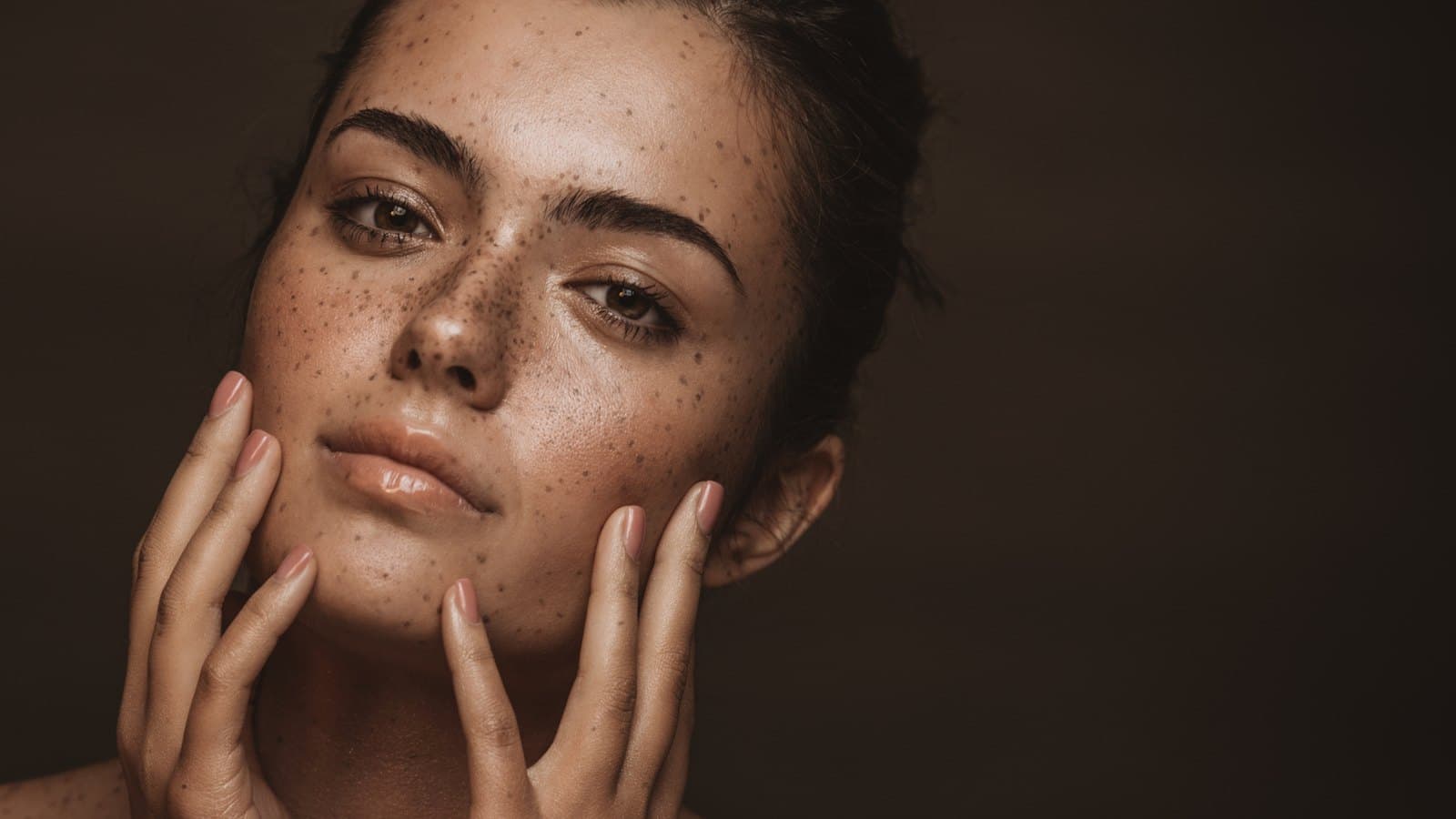
The tan has faded and the mirror shows what it was hiding: joined-up freckles and a new brown patch. See why autumn is PicoSure season at Dr Joney De Souza Clinic in Marylebone.
The holiday glow has gone, the evenings are drawing in, and the mirror shows what the tan was hiding. Freckles have joined up across your nose, and a new brown patch sits high on one cheekbone. Autumn is when PicoSure at Dr Joney De Souza Clinic in Marylebone does some of its best work on exactly that skin.
| Performed by | Appointment | Downtime | Your plan |
|---|---|---|---|
| Roma Sumskiene, to the doctors' protocol | 45 minutes, after 30 minutes of numbing | Pink and warm for a few hours | Set by the doctor at consultation |
The timing has a simple reason. In the UK the sun is at its strongest between 11am and 3pm from March to October, according to the NHS, and October is the month that window closes. It is also when PicoSure bookings at the clinic reach one of their two yearly peaks, and the timing is no accident.
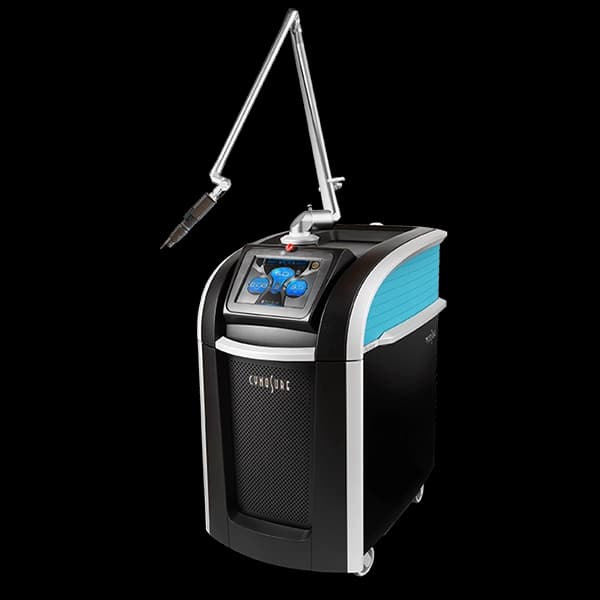
PicoSure is a picosecond laser. Each pulse lasts around a trillionth of a second, so quick that it cracks pigment with a pressure wave instead of cooking it with heat. The fragments are small enough for your body to clear, and the skin around them stays calm and cool.
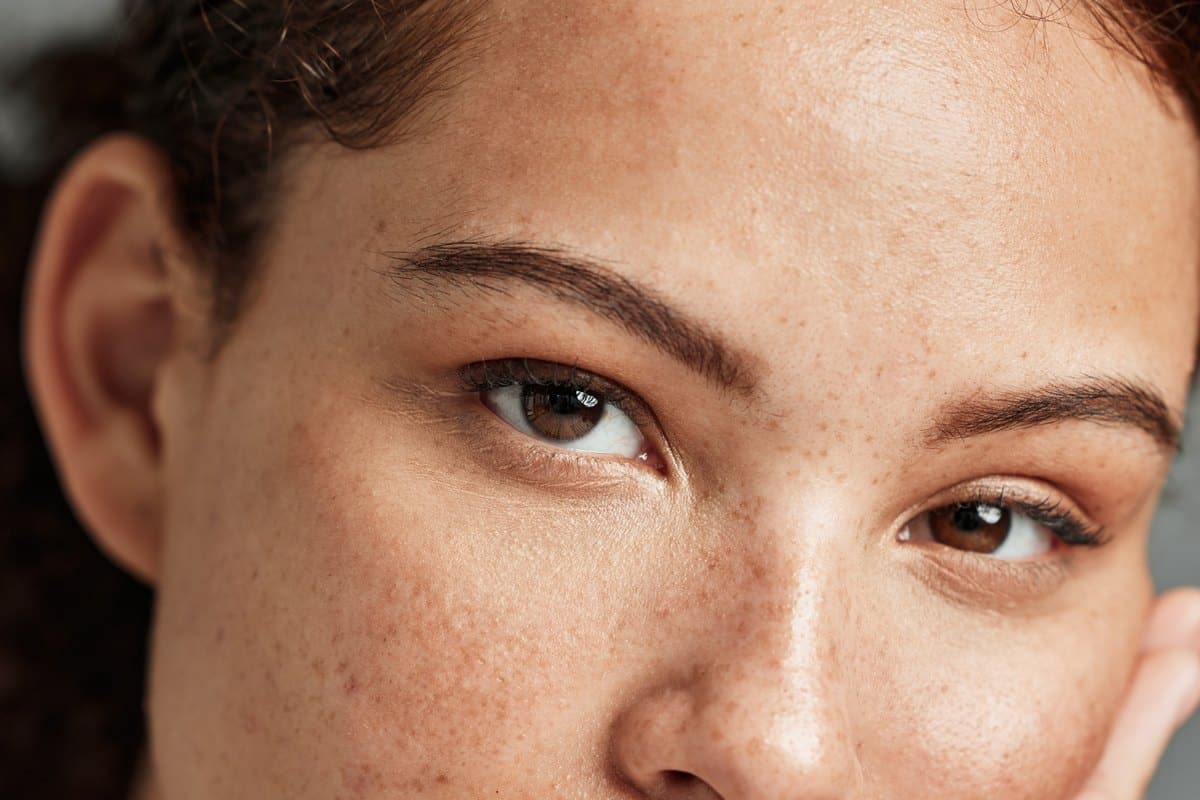
Every hour in the sun asks your skin to make more melanin, the pigment that darkens a tan. The American Academy of Dermatology puts it plainly: when sunlight hits the skin, the body produces more melanin. Most of that colour fades by September. Some of it settles into small clusters that stay. Those are the flat brown spots on your cheeks, temples and the backs of your hands.
Older marks often darken too. A freckle that was barely visible in March can look almost chestnut by the end of August. Melasma, the hazy shadow across the upper lip and forehead, tends to deepen through the brighter months and then sits stubbornly into autumn.
The AAD notes that tanning beds give off stronger ultraviolet rays than sunlight, so a pre-holiday sunbed course leaves its own trace. Our age spots page shows the kinds of marks that tend to surface after a bright summer.
Summer marks are not only on the face. The sides of the neck, the open V of the chest and the backs of the hands take the same sun with far less sunscreen. PicoSure treats those areas too, with settings chosen for thinner skin. Many people add the neck or hands to an autumn course once they see the face clearing.
PicoSure bookings at the clinic peak in March and in October. Set those months beside the NHS window and the pattern is clear. The two peaks sit at either end of the strong-sun season, one as it opens and one as it closes.
October brings the people looking at their late-summer pigment for the first time without a tan over it. They want the marks gone before the next summer adds to them. March brings those who started a course in the winter, or who want clearer skin before the light strengthens again.
Both peaks follow the same logic. The laser works best on untanned skin, so the natural moments to start are after the tan has gone and before a new one begins. A course begun in autumn has the whole low-sun half of the year to work in.
PicoSure works at 755 nm, the wavelength brown pigment absorbs most readily. Tanned skin carries extra melanin spread evenly through the surface. The laser then shares its energy between the spot you want gone and the colour you brought back from holiday.
Paler autumn skin changes that picture. With the tan gone, a sun spot stands out like a drop of ink on a pale page. Roma can direct the energy at the mark while the surrounding skin takes very little of it. Each session stays comfortable, and the result is crisp.
This is why the clinic asks you to keep away from strong sun, sunbeds and self-tan for two weeks before any session. Self-tan sits in the top layer of the skin, and the laser reads it as pigment. Arriving bare and pale lets the light find exactly what it needs.
Roma can direct the energy at the mark while the surrounding skin takes very little of it.
If you spent August on a beach, give the colour time to go. Most tans fade within a few weeks of coming home, and your skin tone is checked at each visit before the laser is set. A little patience in September repays you with sharper results.
Deeper skin tones follow the same seasonal rhythm, with one addition. A patch test on a small area comes before the first full session, and early settings are deliberately gentle. The intensity rises only as your skin shows how it responds, which suits the steady pace of an autumn course.
Pigmentation usually needs a course of three sessions, spaced four to six weeks apart. Begin in October and the second visit falls in late November, with the third arriving in the new year. The whole course sits inside the months when the sun stays low.
Winter dressing helps. A scarf and the shorter days keep stray sunlight off freshly treated cheeks. Your skin gets weeks of calm in which to clear the fragments, so the brightness builds without interruption from a bright weekend outdoors.
Each round builds on the last. After the first session the brown marks lighten. The biggest change usually arrives between the second and third, when the paler patches start to merge into the skin around them. By the end, many people need far less concealer before a winter party.
Results build over two to four weeks after each visit, and the final picture is judged four weeks after the last session. That lands in late winter, so your skin is even well before the first warm spring day. Melasma often takes three to four sessions, and our guide on how many PicoSure sessions you need walks through the numbers.
PicoSure clears the brown that summers leave, but it does not tighten skin that years of sun have loosened along the jaw. For that, Ultherapy uses micro-focused ultrasound with real-time imaging to reach the SMAS, the layer a surgeon tightens, without touching the surface. Dr Joney De Souza or Dr Mattia Parducci performs it.
One Ultherapy session is enough for most people, and the lift builds over two to three months. It sits well alongside a PicoSure course on separate visits. The pigment clears on the surface while the deeper layer firms, and by spring the face looks both brighter and more defined.
You arrive, take off your coat, and numbing cream goes onto your face for 20 to 30 minutes. Roma Sumskiene, the clinic’s laser and skin specialist, then begins the treatment to the protocol the doctors have set. She works across the cheeks in careful, even passes.
Each pulse lands as a sharp, quick tap with a faint crackle. The brown marks turn a pale ash grey for a moment as they absorb the light, the visible sign that the pigment has been reached. A full face takes around 45 minutes including the numbing time.
Your skin looks pink and warm when the laser stops, like cheeks after a cold wind. A cooling gel calms that warmth, and SPF goes on before you step back out. The treated spots darken over the next two or three days, like ground pepper on the skin. They lift away as fine flakes within about a week.
For 48 hours skip saunas, hot yoga and hard workouts, which is easy when the evenings invite you to stay in. Leave retinoids and acids aside for seven days, moisturise well, and read our PicoSure aftercare guide for the full routine.
Your course starts with Dr Joney De Souza (GMC 7008632) or Dr Mattia Parducci (GMC 7635663). They look at your pigment closely and use VISIA skin imaging, which shows sun damage still sitting beneath the surface. That picture often reveals marks that would rise next summer, so they can be treated now as well.
Before any session you are asked about the last two weeks of sun, sunbeds and self-tan. You are asked whether you use retinol or tretinoin, and whether you take antibiotics, blood-thinning supplements or anything that makes skin sensitive to light. A patch test follows for deeper skin tones, and Roma then treats to the doctors’ plan.
Three sessions is the average for sun spots and freckles, and the consultation gives the real answer, because a few new freckles behave differently from years of layered damage. PicoSure in London is planned around the season, with the plan and its investment set out at the first appointment.
The clinic sits in Marylebone, an easy walk from Baker Street station and a short hop from St John’s Wood. If this summer left its mark on your face, October is the month to begin. Book your PicoSure consultation and greet the spring with clearer, brighter skin.
Short clips filmed at Dr Joney De Souza Clinic in Marylebone, so you can see how PicoSure is carried out before you book.
Let Dr Joney De Souza or Dr Mattia Parducci look at what this summer left behind and plan a course that finishes before spring. Call us on 020 7043 0748, or message the team on WhatsApp to choose a date.
Timing pigmentation treatment around the sun raises plenty of questions in central London, from fake tan to winter holidays. These are the ones we answer most often as autumn arrives.
October is a lovely time to begin, because the summer tan has faded and the sun is low enough to make aftercare easy. March is the second natural window, for anyone who wants clearer skin before summer. Both are the months when PicoSure bookings at Dr Joney De Souza Clinic peak.
A tan adds melanin across the whole surface, so the laser struggles to single out the marks you want treated. The clinic asks for two clear weeks without strong sun, sunbeds or self-tan before a session. If your colour is still deep, the doctors will simply suggest waiting a little.
Yes, self-tan stains the top layer of skin and the laser reads it as pigment. Stop applying it two weeks before each session and let it wear away completely. Gradual tanning moisturisers count too, so switch to a plain, unscented body cream through the whole course.
You can, with planning. Fit the trip between sessions rather than straight after one, wear SPF 50 and a wide hat throughout, and come home without a tan before the next visit. Let the clinic know your dates early so Roma can space the course around them.
Sunlight prompts the skin to produce more melanin as protection, and the cells that already cluster into a sun spot respond more strongly than the skin around them. That is why a pale freckle in spring can look chestnut by August, and why autumn is when those marks are most noticeable.
For a single brightening session, allow at least two weeks so any darkened spots have flaked away. For a full course of three, start in early October if you can. That way the first two sessions are done before the party season, and the third follows in January.
The marks treated are cleared, but sunshine can create new ones. Daily SPF 50, a hat on bright days and a single maintenance session once or twice a year keep the skin even. Many people return each autumn for a top-up after the summer months.
Yes, every day. The NHS points out that you can burn in the UK even when it is cloudy, and freshly treated skin is more responsive to daylight than usual. A broad spectrum SPF 50 each morning, kept up for at least four weeks after your final session, protects the clearer tone you have built.
March is the clinic’s other busy month for PicoSure, and for good reason. Winter skin is at its palest, so the laser finds pigment easily. A single session or a short course then leaves you brighter for spring, though careful sun protection becomes even more important as the light strengthens.
Yes, with a little care. Give your skin a day or two to settle after each session, because heat and friction on freshly treated cheeks keep them pink for longer. Once that warmth has gone, outdoor runs and park walks are fine, as long as SPF 50 goes on first and a cap shades your face on bright, low autumn mornings.
