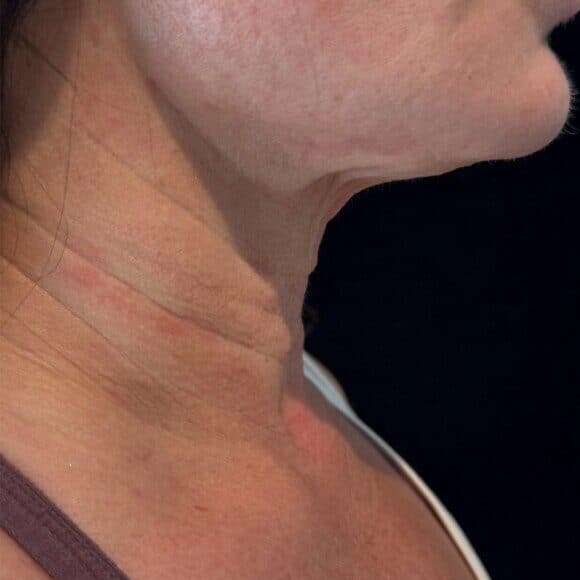
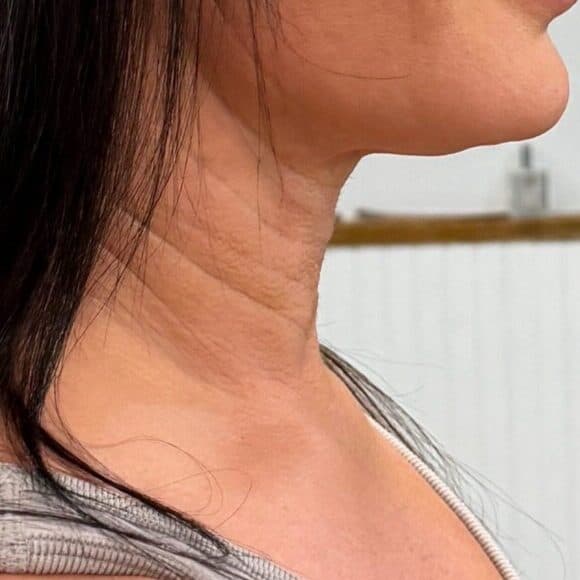
Experience advanced exosome treatment in Marylebone at Dr Joney De Souza Clinic. Exosomes support deep skin regeneration, improve texture and brightness, boost collagen and enhance overall skin health for powerful, natural revitalisation. Book your consultation today.
Exosome therapy suits patients who want to address multiple signs of skin ageing at once. Fine lines, loss of firmness, uneven tone, dullness and chronic dryness all respond well to this treatment. In practice, it works particularly well for patients whose skin has become resistant to conventional treatments, or for those who prefer a regenerative approach rather than fillers or injectable toxins.
You may benefit from exosome treatment in Marylebone if:
Exosomes are nano-sized vesicles produced by stem cells. They carry proteins, growth factors and genetic signals that instruct the body to repair and regenerate tissue. In aesthetic medicine, lab-grown exosomes are applied topically to the skin, typically after microneedling, to accelerate the skin’s own healing and renewal process.
Unlike PRP, exosomes come from screened stem cell sources and are standardised for potency. Each vial contains billions of exosomes, making the concentration and consistency far higher than most naturally derived alternatives. Furthermore, the treatment targets cellular communication directly, encouraging skin cells to behave as they did when younger.


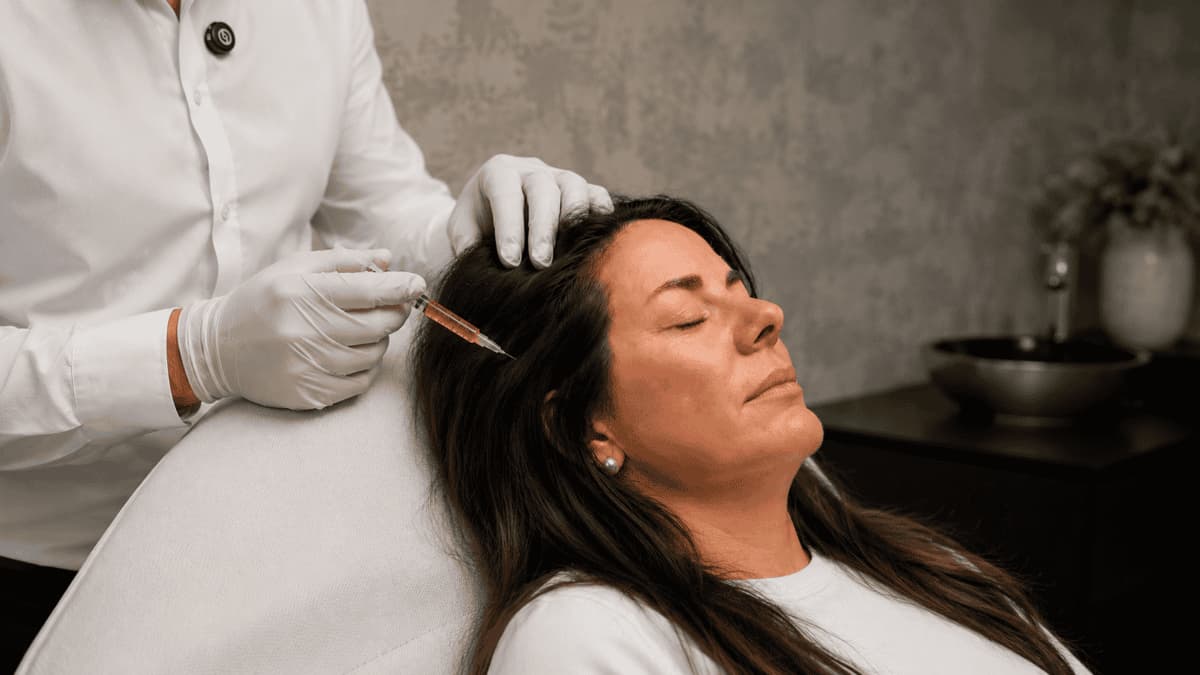
Dr Joney De Souza’s exosome protocol pairs microneedling with topical exosome application to maximise delivery and results. The microneedling creates micro-channels in the skin surface. Immediately after, the exosomes are applied to penetrate deeply and trigger a regenerative response at the cellular level.
At your consultation, Dr De Souza assesses your skin concerns, medical history and treatment goals in full. He confirms whether exosome therapy is suitable and recommends the number of sessions based on your skin condition. Additionally, he reviews your current skincare routine and any medications that could affect the treatment.
In practice, a topical numbing cream takes approximately 30 minutes to take full effect before the procedure begins. During this time, your specialist prepares the exosome solution and adjusts the microneedling settings for your skin type and concerns. Furthermore, this preparation time allows you to ask any remaining questions before the treatment starts.
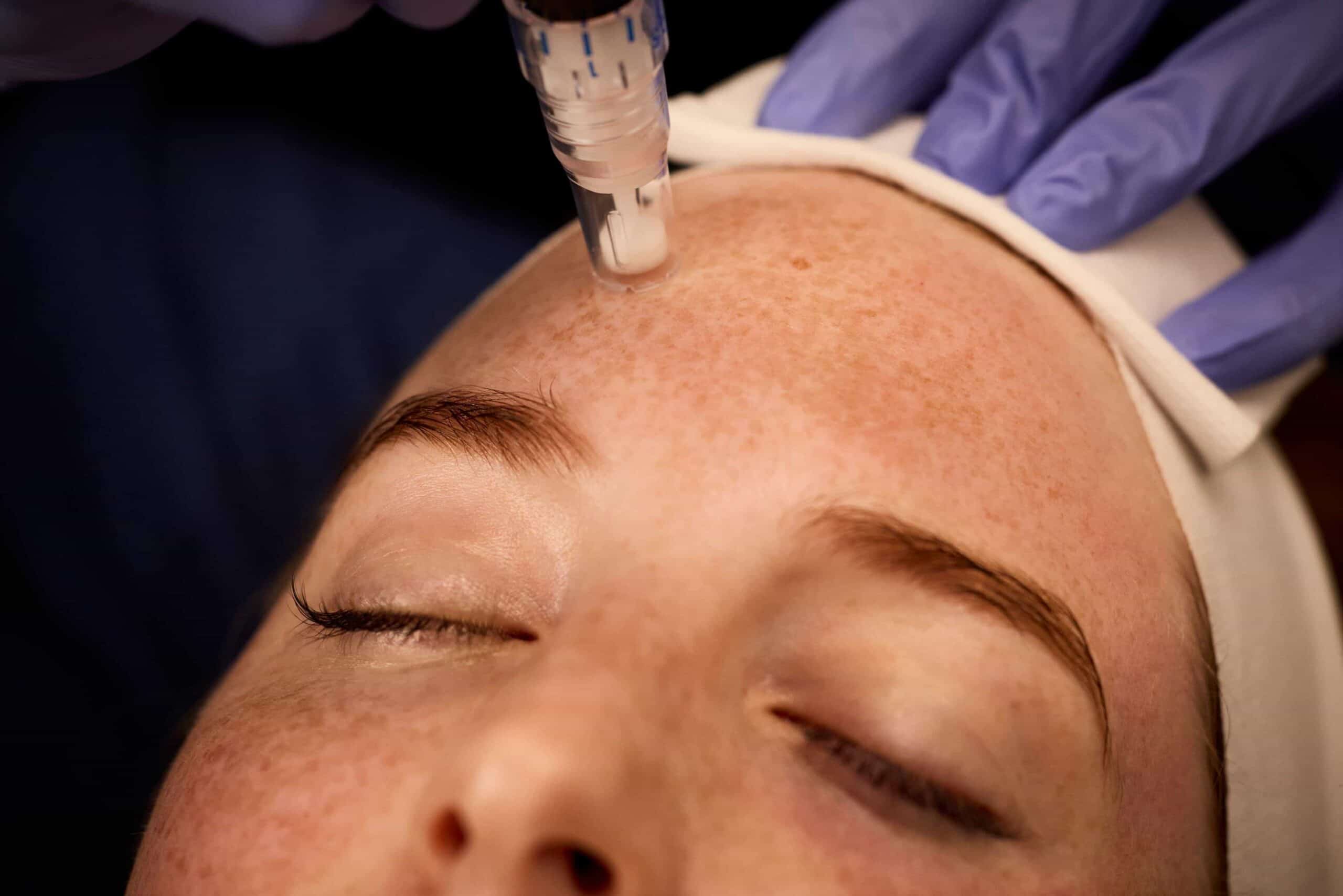
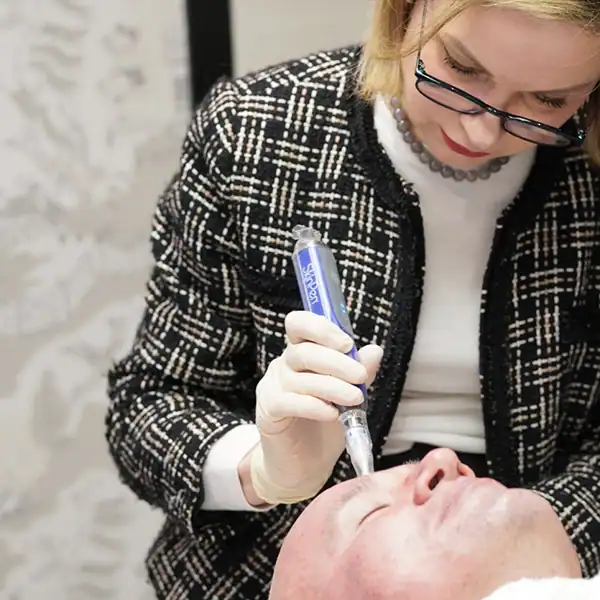
A professional SkinPen microneedling device creates controlled micro-channels across the treatment area. Dr De Souza adjusts the needle depth for each zone of the face to optimise penetration and minimise discomfort. Most patients describe a mild prickling sensation throughout this stage, rather than pain.
Immediately after the microneedling pass, Dr De Souza applies the exosome solution directly to the skin. The micro-channels allow deep penetration into the dermis, where the regenerative signals take effect. Additionally, the exosomes begin interacting with skin cells within hours of application, triggering repair responses that continue over the following weeks.
Before leaving the clinic, you receive a written aftercare guide covering what to expect and what to avoid. In most cases, redness lasts between 24 and 48 hours. However, SPF 50 protection is essential from the following morning, and you should avoid retinoids and active skincare for five days after each session.
Three sessions spaced two to three weeks apart produce the most significant results. This schedule allows the skin to complete each repair cycle before the next treatment builds on it. Overall, a review appointment follows the final session to assess results and plan any maintenance needed.
A full course of exosome therapy at Dr Joney De Souza Clinic consists of three sessions spaced two to three weeks apart. This spacing allows the skin to complete each cycle of repair and regeneration before the next stimulus. Most patients notice a visible improvement in brightness and texture after the first session, with the full cumulative effect visible four to six weeks after the final treatment.
In the week before your first session, Dr De Souza recommends avoiding active skincare ingredients for five days prior. Specifically, retinoids, AHAs and strong vitamin C serums should be paused. You should also avoid sun exposure and ensure the treatment area is free from active breakouts or infection. At your consultation, Dr De Souza reviews your full medical history, current skincare routine and any medications that could affect treatment.
Your appointment lasts approximately 45 minutes in total. A topical numbing cream is applied for the first 30 minutes to ensure comfort. Once the numbing takes full effect, Dr De Souza performs the microneedling pass and immediately applies the exosome solution. He adjusts the microneedling depth for each zone of the face to optimise results. Most patients report mild pressure and warmth rather than pain throughout the session.
Redness and mild swelling are normal for 24 to 48 hours following treatment. In practice, most patients return to office work the following day with little visible evidence of the procedure. Dr De Souza advises avoiding makeup for 24 hours, keeping the skin clean and applying a gentle SPF 50 the morning after treatment. Furthermore, strenuous exercise, saunas and direct sun exposure should be avoided for 48 hours. Results build progressively across the full course of treatment.
Dr Joney De Souza is one of London’s most experienced aesthetic practitioners, with over 20 years of clinical experience and a background rooted in conventional medicine. His Marylebone clinic provides a rigorous, medically led environment where every exosome treatment is performed or directly supervised by a doctor.
Exosome therapy represents a frontier in regenerative aesthetics. Dr De Souza selects only pharmaceutical-grade exosome products with standardised, consistent potency. Patients receive a full written aftercare plan and a review appointment after their course to assess results and plan any maintenance treatment needed.
Exosome therapy at Dr Joney De Souza Clinic is priced by treatment area. Your specialist will recommend the most appropriate option during your consultation, based on your skin concerns and goals.
Prices shown per session. A course of 3 sessions spaced 2-3 weeks apart is recommended.
| Treatment | Price (£) |
|---|---|
Exosomes Microneedling – Face | 650 |
Exosomes Microneedling – Face & Neck | 750 |
Exosomes Microneedling – Face, Neck & Decolletage | 850 |
ADD-ON Exosomes | 300 |
Polynucleotides (PDRN therapy) are a natural biostimulator derived from purified DNA that work in a complementary regenerative direction to exosomes. Both treatments stimulate fibroblasts and improve skin quality from within, but through different mechanisms, making them a powerful pairing for patients who want comprehensive skin renewal.
In practice, exosomes excel at surface repair and cellular communication, while polynucleotides stimulate deeper structural rebuilding and long-term hydration. Many patients at Dr Joney De Souza Clinic who complete a course of exosome therapy progress to a combined protocol during their maintenance phase. Dr De Souza will advise at consultation whether this combination suits your skin concerns and treatment timing.

Find answers to the most common questions our patients ask about exosome therapy at Dr Joney De Souza Clinic, Marylebone.
Exosome therapy stimulates your skin’s own repair mechanisms, increasing collagen and elastin production, improving tone and restoring brightness. However, it works progressively, with the best results visible four to six weeks after completing a course of three sessions. Results are cumulative and natural-looking rather than immediate.
Exosome therapy is suitable for most adults experiencing early to moderate signs of skin ageing, including fine lines, dullness, uneven texture and mild laxity. In most cases, it is safe for all skin tones and types. However, Dr De Souza does not recommend exosome treatment during pregnancy, while breastfeeding or over active skin infections in the treatment area. He assesses each patient individually at consultation.
Exosome therapy addresses a wide range of concerns, including fine lines, wrinkles, skin laxity, dullness, uneven pigmentation, large pores, dryness and post-procedure sensitivity. Additionally, many patients use it as a recovery accelerator after laser treatments or other intensive procedures, as the regenerative signals help calm inflammation and speed healing.
The treatment is well tolerated. Numbing cream takes effect over 30 minutes before the microneedling stage, and most patients experience only mild pressure or warmth during the procedure. However, individual pain thresholds vary. Patients with sensitive skin may notice more sensation around the nose or eyes. Overall, the vast majority of patients find the treatment comfortable from start to finish.
Visible improvement in radiance and hydration may appear as early as 48 hours after the first session. However, the most significant results build over all three sessions and continue to develop for four to six weeks after the final treatment. In practice, collagen remodelling is a gradual biological process. Overall, patients who complete the full course see the best and most lasting outcomes.
Dr De Souza recommends three sessions spaced two to three weeks apart for optimal results. This spacing allows each regenerative cycle to complete before the next treatment builds on it. Moreover, a single session can provide noticeable improvement, particularly when added to a microneedling appointment. However, a full course delivers the most lasting change to skin quality and overall tone.
Downtime is minimal. Redness and mild swelling are normal for 24 to 48 hours following the microneedling component. In most cases, patients return to work the following day. However, you should avoid makeup for 24 hours, strenuous exercise and sun exposure for 48 hours, and active skincare ingredients for five days after each session. Overall, the recovery profile is significantly lighter than laser or chemical peel treatments.
Yes. Exosome therapy pairs particularly well with a range of other treatments at Dr Joney De Souza Clinic. It works as an add-on to SkinPen microneedling sessions, as a post-laser recovery accelerator after UltraClear or CO2 laser, and as a complement to polynucleotide treatments. Dr De Souza advises on the most effective sequence and timing at your consultation.
Pharmaceutical-grade exosomes from screened stem cell sources carry a very low risk profile compared to injectable procedures. As a topical treatment applied via microneedling channels, the risk of systemic reaction is extremely low. However, as with any aesthetic procedure, there is a small risk of temporary redness, swelling or irritation. Consequently, Dr De Souza reviews your full medical history before treatment to confirm suitability and minimise risk.
Exosome treatment is not suitable during pregnancy or while breastfeeding. Furthermore, patients with active skin infections, open wounds or inflammatory skin conditions such as active eczema or rosacea flares should wait until the condition resolves. In most cases, patients on blood-thinning medication or those with a history of keloid scarring should discuss suitability with Dr De Souza at consultation before booking their first session.
Results from a full course of three sessions typically last six to twelve months, depending on age, lifestyle, sun exposure and skincare habits. In practice, patients who maintain a good SPF routine and follow Dr De Souza’s skincare recommendations retain results longer. A maintenance session every six to nine months helps sustain the regenerative benefits over time.
Understanding how exosome therapy compares to other treatments helps you make an informed decision about which approach is right for your skin and goals.
Both PRP and exosome therapy stimulate the skin’s own repair process. However, PRP uses the patient’s own blood, which means concentration and potency vary between individuals. Exosomes, by contrast, come from standardised pharmaceutical-grade production, so each vial delivers a consistent, high concentration of regenerative signals. In practice, exosomes tend to produce faster visible results and a lighter post-treatment redness profile.
Skin boosters such as Profhilo or hyaluronic acid injections deliver hydration and mild structural support directly into the skin via injection. Exosomes act topically at a cellular signalling level rather than by adding volume. Furthermore, exosomes address a broader range of concerns, including collagen, elastin, tone and texture, whereas skin boosters primarily target hydration and early laxity. Many patients combine both approaches for comprehensive skin health.
Both polynucleotides (PDRN) and exosomes stimulate fibroblast activity and collagen production, but through different mechanisms. Polynucleotides act as injectable DNA repair agents deep in the dermis, while exosomes act as topical cellular communication signals applied via microneedling channels. In practice, they are complementary rather than competing. Dr De Souza often recommends combining both for patients seeking comprehensive regenerative results.
Exosome therapy and dermal fillers serve different purposes. Fillers add volume by lifting, plumping and reshaping areas of volume loss. Exosomes, by contrast, improve skin quality by firming, brightening and smoothing the surface. However, exosomes cannot replace fillers where volume loss is the primary concern. Indeed, they work best for patients in the early stages of ageing who want to improve skin quality rather than restore structure. Dr De Souza will advise which approach or combination suits you best.
Microneedling on its own triggers the skin’s healing response and stimulates collagen production. However, adding exosomes significantly amplifies the regenerative stimulus. Specifically, the micro-channels created by microneedling allow the exosomes to penetrate deeply, delivering billions of growth factors directly to the dermis. Additionally, exosomes help calm post-treatment inflammation, which means less redness and faster recovery compared to microneedling alone.
Exosomes are derived from stem cells, but they are not stem cells themselves. They are vesicles, tiny particles, that carry the regenerative signals produced by stem cells. This distinction is important: exosome therapy does not involve introducing live cells into the body, which makes it significantly safer and more practical as an aesthetic treatment. In practice, the regenerative effect comes from the molecular signals rather than the cells themselves.
Retinoids increase cell turnover and stimulate collagen synthesis and are well evidenced for long-term skin ageing. Exosomes, however, work differently. They deliver regenerative signals directly to the dermis via microneedling, producing a faster and deeper structural response. In most cases, retinol and exosome therapy work in complementary directions and can be used alongside each other at different times. Nevertheless, you must pause retinoids for five days before each exosome session.
Laser resurfacing such as UltraClear or CO2 laser produces significant collagen remodelling through controlled thermal injury, with results that often exceed a single exosome course in depth. However, lasers carry a longer downtime, a higher cost per session and a requirement for greater post-treatment care. Therefore, exosome therapy is a lighter-touch alternative for patients who cannot accommodate downtime. It also works well as a complement to laser treatment to accelerate healing after resurfacing.
Mesotherapy delivers a cocktail of vitamins, amino acids and hyaluronic acid via micro-injections to nourish and hydrate the skin. Exosome therapy, by contrast, targets cellular regeneration at a deeper biological level. In practice, exosomes tend to produce more significant structural improvement in collagen and elastin, while mesotherapy excels at rapid hydration and glow. Overall, both are effective, and the best choice depends on your primary concern and budget.
The best way to determine the right approach is a consultation with Dr Joney De Souza. At your appointment, he assesses your skin in person, discusses your concerns and goals, and recommends a treatment protocol. In many cases, this will be a combination approach rather than a single treatment. Specifically, he may recommend exosome therapy alongside polynucleotides, microneedling or skin boosters. Consultations at the Marylebone clinic can be booked via WhatsApp or the online form on this page.
Our patients return to us year after year for natural, balanced results. Every review reflects our commitment to precision, safety and a personalised approach to aesthetic care.
I had a course of exosome treatments with Dr Joney and the difference in my skin is remarkable. It looks brighter, firmer and more youthful. I cannot recommend this clinic highly enough.
After years of trying different treatments, exosome therapy with Dr De Souza has given me the best results. My skin texture has improved dramatically and the team were so professional throughout. Highly recommended.
The clinic is exceptional. Dr Joney took time to explain everything and the exosome treatment has genuinely transformed my skin. I look at least five years younger.
Fantastic experience from consultation through to my third session. My skin is glowing and the redness after each treatment was minimal. Highly recommended.