Doctor-led polynucleotide skin treatment in Marylebone, London. Salmon-DNA injections that rebuild collagen, hydration and under-eye skin. From £410. Book today.
If your skin looks tired and thin no matter how much serum you layer on, polynucleotides work on the tissue itself rather than the surface. This treatment at Dr Joney De Souza Clinic in Marylebone suits patients who want their skin to behave younger, not look filled. It is a strong fit if you recognise yourself in any of the following:
Polynucleotides are at their best rebuilding skin quality, restoring firmness, hydration and glow from within. If your priority is structural volume, plumper lips or a lifted jawline, dermal fillers are the route, and your practitioner will advise which suits your goals. We confirm suitability first, and it is not recommended with a fish or salmon allergy.

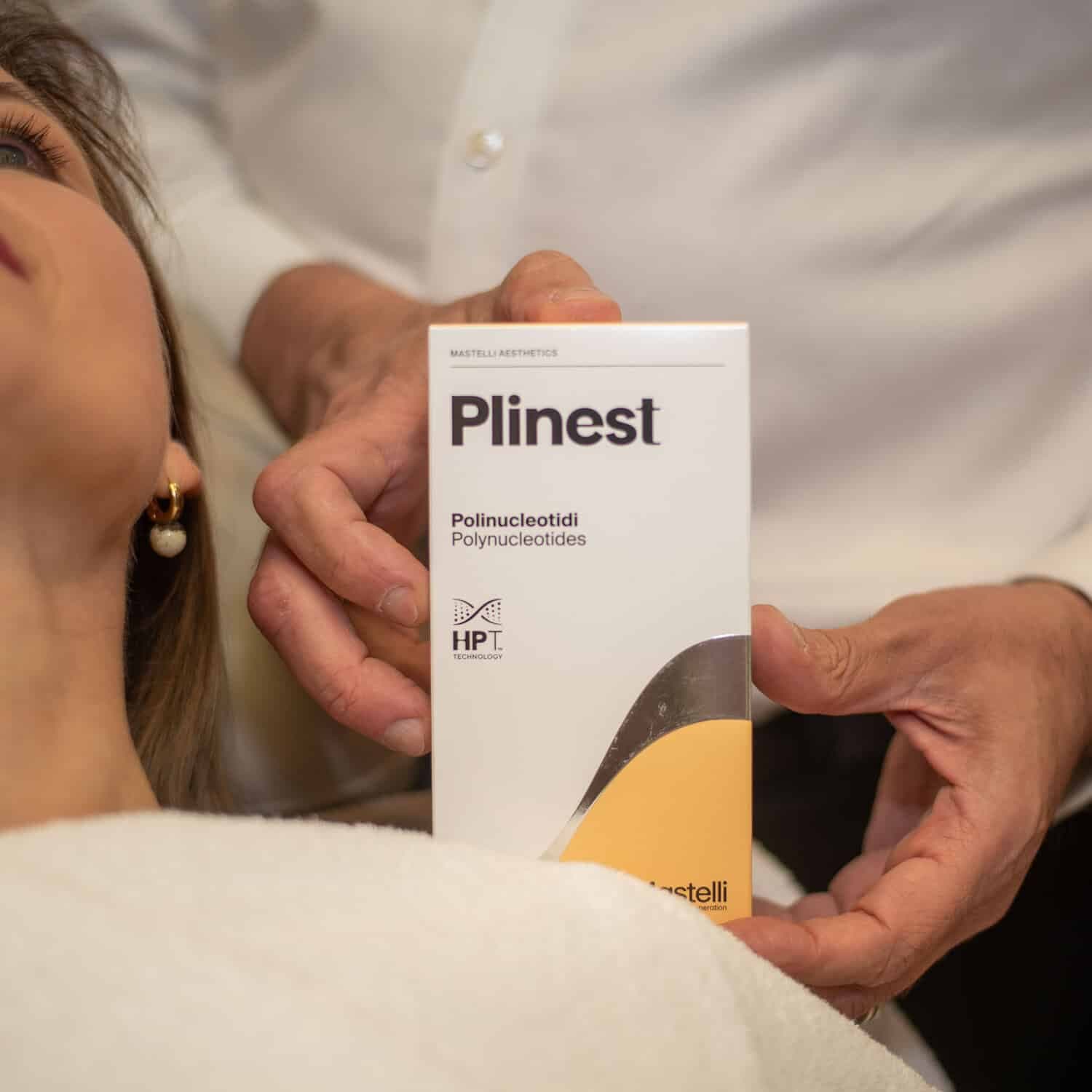
Polynucleotides, often shortened to PDRN or PN, are injectable compounds derived from highly purified salmon DNA. Dr Joney De Souza Clinic uses PhilArt polynucleotides, manufactured to exacting purity standards using polynucleotide high purification technology (PN-HPT). That process is what keeps the product safe and its clinical performance consistent.
Unlike dermal fillers, polynucleotides do not add volume or alter facial structure. They work at a cellular level, prompting your own repair mechanisms to build collagen and elastin, improve hydration and restore resilience over time. The change arrives quietly and naturally, which is exactly why this treatment suits patients who want healthier skin rather than a visible difference in appearance.
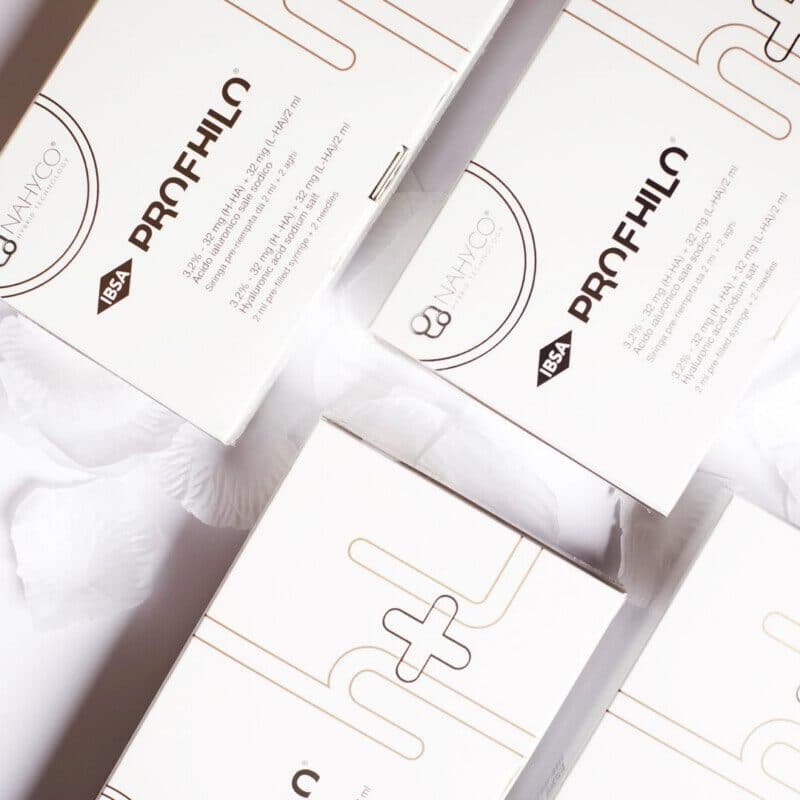
Related treatments at Dr Joney De Souza: Profhilo, skin boosters, Lumieyes and dark circles.

Polynucleotides deliver highly purified DNA fragments into the dermis, where they speak directly to your skin cells and switch on a biological repair response. That response drives fresh collagen and elastin, better tissue hydration and steady cellular regeneration. The gains are cumulative rather than instant, building over four to eight weeks after each session, so your skin keeps improving long after you leave the clinic.
Before anything else, your practitioner carries out a thorough consultation to assess your skin, talk through your concerns and confirm you are suitable for polynucleotide injections. This covers your medical history, current skincare and any previous treatments. The assessment sets which PhilArt formulation to use, how many areas to treat and the number of sessions your skin will benefit from.
A topical numbing cream goes onto the treatment area and stays on for roughly 30 minutes, so the injections stay comfortable from start to finish. While it takes effect, the clinical team cleanses the skin and confirms the injection mapping for your session.
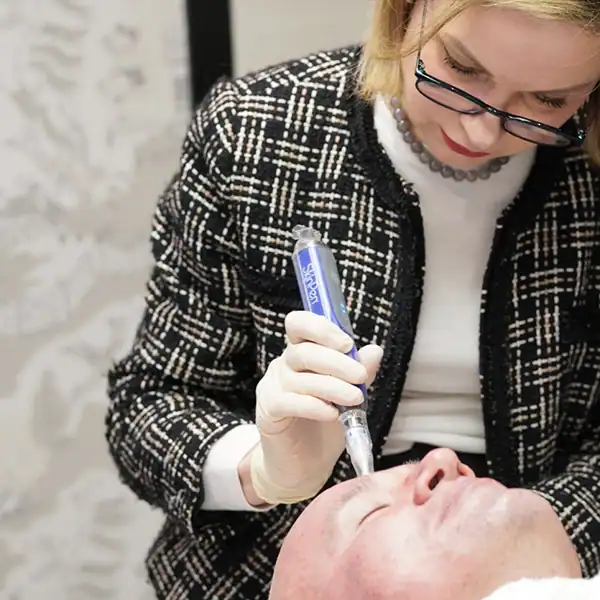
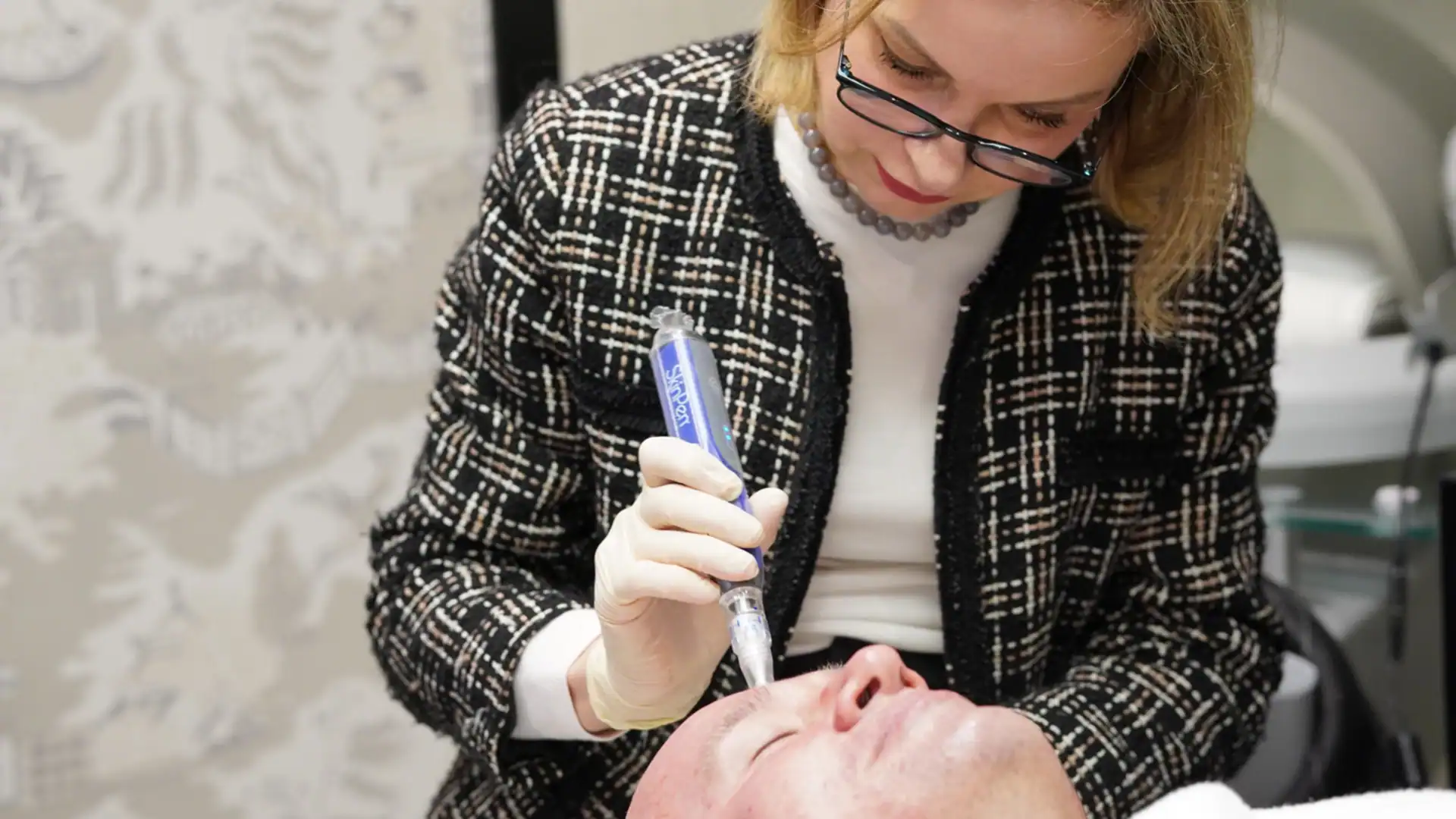
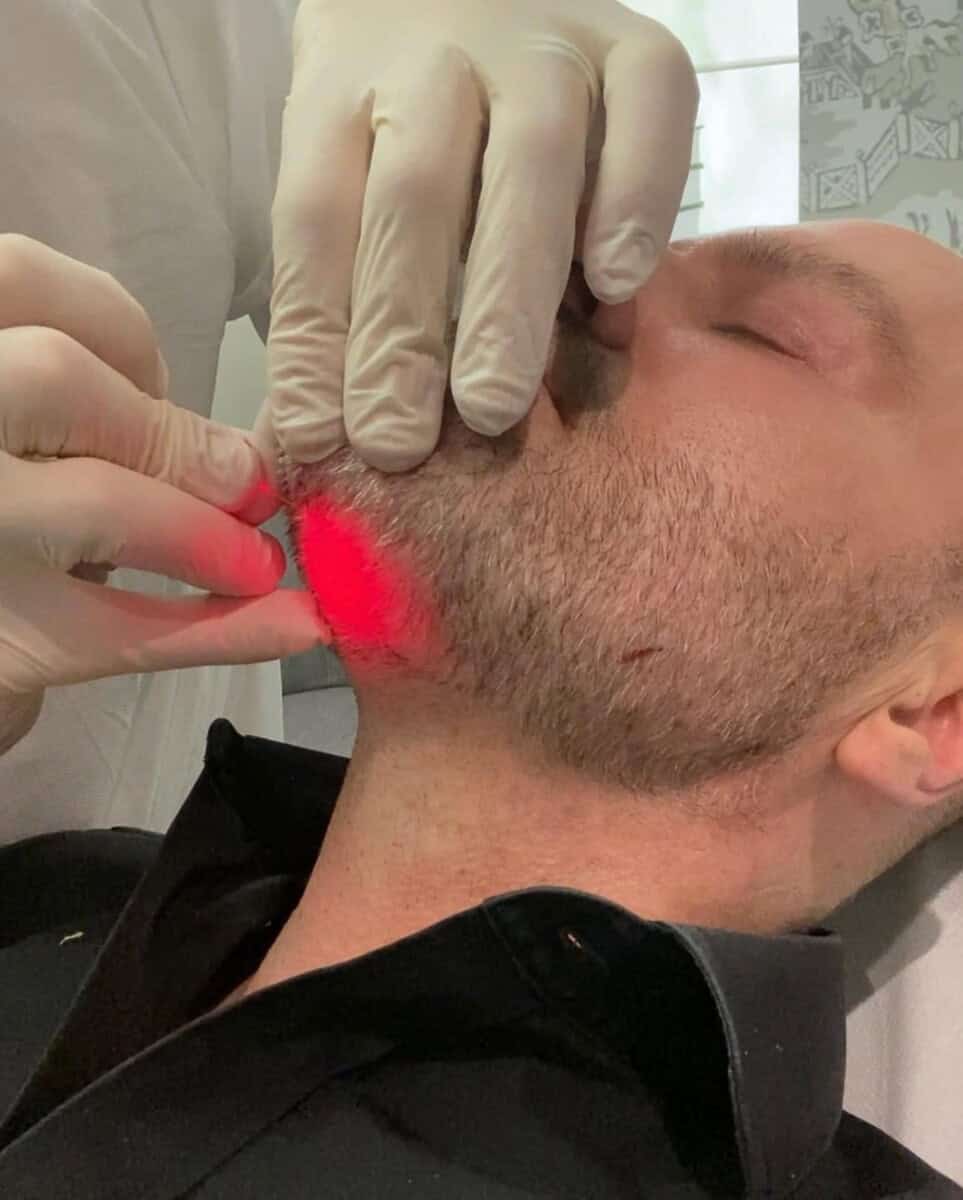
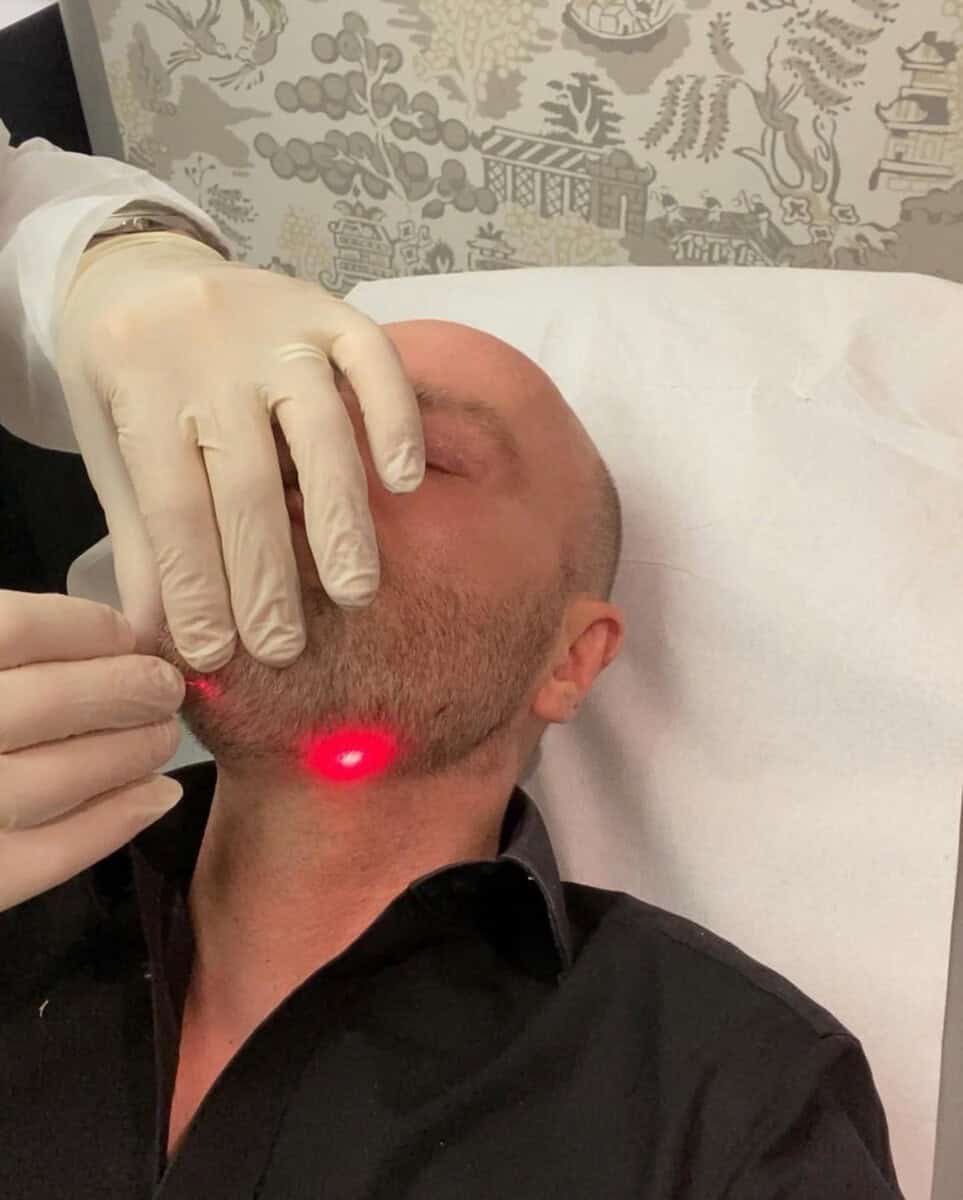
Your practitioner then administers the polynucleotide solution with a fine needle or cannula, placing it precisely into the mid-to-deep dermis of the target area. The injections are quick and methodical across the face, neck or under-eye zone agreed at consultation. Most patients report mild pressure and little discomfort, thanks to the numbing cream applied beforehand.
With the injections complete, your practitioner reviews the treated areas and gives you clear aftercare guidance. Small bumps or mild redness at the injection points are normal and usually settle within 24 to 48 hours. You leave the same day knowing exactly what to avoid over the following days.
Most patients complete a course of three sessions spaced two to four weeks apart for the best result. Improvements in hydration and radiance often show after the first or second session, while the deeper regenerative effects on collagen and elastin build over four to eight weeks. Maintenance sessions every six to nine months keep the result going long-term.
At Dr Joney De Souza Clinic in Marylebone, every polynucleotide treatment follows a clear path from your first consultation through to aftercare. Knowing what happens at each stage tends to make the whole course feel calmer and more predictable.
Very little preparation is needed, though a few steps help. Arrive with clean skin, free of make-up and heavy skincare. Where it is clinically safe, avoid blood-thinning medications and supplements such as aspirin, ibuprofen, fish oil and vitamin E for 48 hours beforehand, and skip alcohol for 24 hours before your appointment. If you are prone to cold sores, tell the clinical team in advance, as a precautionary antiviral course may be advised before injections around the mouth.
A topical numbing cream goes on 30 minutes before injections begin. Your practitioner then places the polynucleotide solution precisely into the dermis of the target areas using a fine needle. The injections take 15 to 20 minutes depending on how many areas you are treating. Most patients feel only mild pressure, and small papules or bumps straight after injection are entirely normal.
Mild redness, swelling or small bumps at the injection points are normal and usually settle within 24 to 48 hours. Most patients return to normal activities the same day. Avoid strenuous exercise, direct sun, saunas and swimming pools for 48 hours, and hold off on make-up or active skincare ingredients such as retinoids and acids on the treated area for 24 hours. Wear SPF every day throughout your course.
Polynucleotide treatment here happens in a fully doctor-led setting in Marylebone. Every patient is assessed individually, the right PhilArt formulation is selected and a plan is built around your specific skin and goals, which produces more predictable results than a fixed, protocol-driven approach. Carried out by one of our doctors, Dr Joney De Souza or Dr Mattia Parducci. Your consultation is with Dr Joney De Souza or Dr Mattia Parducci.
“My ‘less is more’ approach has become the mainstay of my practice and clients appreciate that they will have natural looking results.” Dr Joney De Souza, thesybarite.co
The clinic works to the standards expected of a registered medical practice. Polynucleotide injections are classed as prescription-only medicines in the UK, so your doctor performs the consultation, reviews your medical history and holds clinical responsibility for your treatment at every stage. That level of oversight matters most for patients with complex skin histories or those combining polynucleotides with other medical-grade treatments.
That thinking runs through everything here, and supporting your skin’s own repair, collagen and elastin over a short course is an investment in skin longevity, in healthier skin that holds its quality for longer.
Dr Joney De Souza Clinic offers polynucleotide treatment across several areas, with pricing set by area and by practitioner. Every session includes a clinical assessment, topical anaesthetic and aftercare guidance, and a course of three sessions is available at a reduced per-session rate.
Prices shown per session. Course of 3 pricing available for all areas.
| Treatment | Associate (£) | x3 Course (£) | Dr Joney (£) | x3 Course (£) |
|---|---|---|---|---|
1 Area (Face OR Neck OR Dec OR Eyes) | 410 | 1,105 | 480 | 1,300 |
2 Areas | 680 | 1,830 | 800 | 2,150 |
3 Areas (Face, Neck & Decolletage) | 810 | 2,125 | 950 | 2,500 |
Mouth & Lower Face | 275 | 470 | 325 | 550 |
Profhilo and polynucleotides tackle different sides of skin quality, and they work well as a pair. Profhilo delivers a high concentration of pure hyaluronic acid into the skin, giving rapid, noticeable gains in hydration, laxity and elasticity. Results from Profhilo often show within days, which suits patients who want a quick lift in softness and suppleness.
Polynucleotides take a slower, deeper route, triggering a biological repair response that builds over weeks and months. The two are highly compatible, and many patients here fold both into one skin programme. Profhilo handles hydration and tissue laxity while polynucleotides drive cellular regeneration and structural skin quality, so together they cover more ground than either treatment on its own. Your practitioner advises on the best sequencing at consultation.

Polynucleotide treatment prompts plenty of questions, especially from patients new to regenerative injectables or weighing it against other options. The answers below cover what comes up most often at Dr Joney De Souza Clinic, from how the treatment works to what a full course, downtime and long-term maintenance really look like.
Polynucleotides are highly purified DNA fragments, derived from salmon, that act as a powerful skin-regenerating treatment. Injected into the dermis, they interact with your fibroblast cells and trigger a natural repair response, which stimulates fresh collagen and elastin, improves hydration and strengthens the skin from within. They add no volume, unlike fillers; they improve the quality and health of the skin itself. The effect builds gradually over the weeks after each session, which gives a natural, unforced result.
Polynucleotides suit a wide range of patients at our Marylebone clinic. They work well for fine lines and early signs of ageing, loss of firmness and elasticity, and dull, dehydrated skin that has lost its glow. They also help thin, crepey skin around the eyes, neck and decolletage, and they can soften the look of dark circles caused by thinning skin. Because they calm inflammation and support the skin barrier, they can benefit acne-prone or sensitive skin too. Your practitioner confirms whether polynucleotides are right for you at consultation.
Most patients need a course of three sessions, spaced two to four weeks apart, to see the full benefit. Patients with more advanced concerns sometimes gain from a fourth session. After the initial course, a maintenance session every six to nine months keeps the results topped up. Your plan is built around your skin and goals rather than a fixed protocol, so your exact schedule is confirmed at your assessment.
You may notice early improvements in hydration and radiance within a few days of your first session. The deeper changes, including better collagen density, firmness and texture, build gradually over four to eight weeks as your skin regenerates. Results from a full course typically last six to nine months, depending on your skin, age and lifestyle. The treatment works with your own biology, so the improvement reflects genuinely healthier skin rather than a temporary effect.
Most patients find the treatment very comfortable. We apply a topical numbing cream around 30 minutes beforehand, and the needles are very fine, so most people feel only mild pressure. Downtime is minimal: you may see mild redness, slight swelling or tiny bumps at the injection points, and these usually settle within 24 to 48 hours. Most patients return to their normal day straight away, though we recommend avoiding strenuous exercise, saunas and alcohol for 48 hours.
Yes. At Dr Joney De Souza Clinic we use PhilArt polynucleotides, one of the most rigorously tested and clinically validated brands available, produced using the PN-HPT purification process for the highest possible purity. The product is biocompatible and integrates naturally with your skin. A GMC-registered doctor carries out every treatment and reviews your medical history first, which keeps any risk to a minimum. Polynucleotides are not suitable for patients with a fish or salmon allergy, so we always check this at consultation.
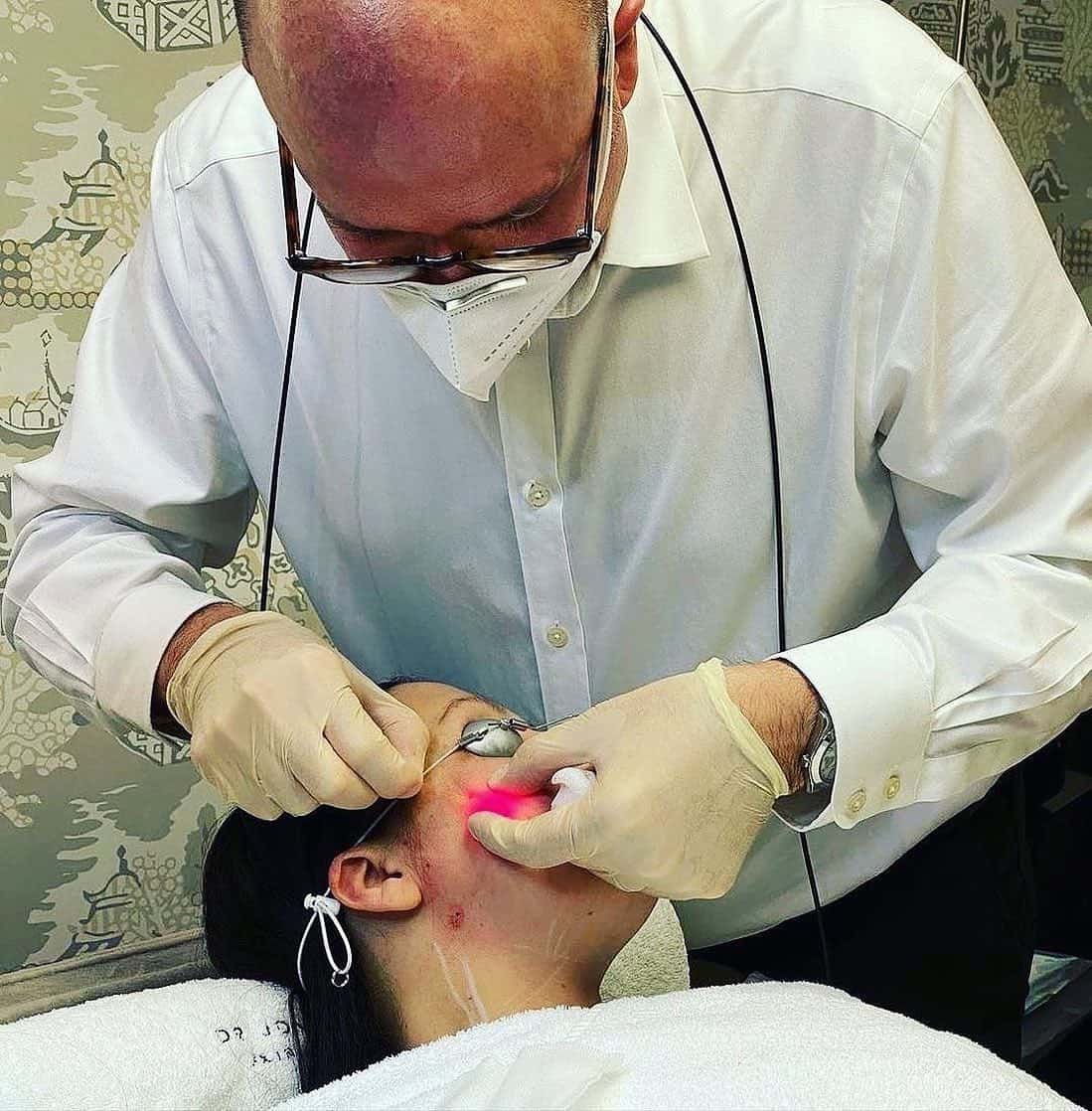
Yes, and the under-eye area is one of the most popular zones we treat. PhilArt Eye is a dedicated formulation designed for the delicate skin around the eyes. By strengthening and hydrating this thin skin, polynucleotides improve its quality and reduce the shadowed look of dark circles caused by skin thinning. Because the area is so delicate, precise doctor-led placement matters. Many patients combine under-eye polynucleotides with treatment of the wider face for a balanced result.
They work in genuinely different ways. Dermal fillers add volume and reshape features such as the lips, cheeks or jawline. Profhilo and skin boosters use hyaluronic acid to hydrate and improve skin quality, often with faster, more immediate results. Polynucleotides contain no hyaluronic acid and add no volume; they trigger a deeper cellular repair process that improves skin health over time. Many patients combine polynucleotides with Profhilo for hydration and structure together, and your practitioner advises on the right combination for you. For a deeper comparison, see our guide on polynucleotides compared to skin boosters.
Polynucleotide treatment starts from £410 per session for one area with an associate practitioner, and from £480 per session with Dr Joney De Souza. A course of three sessions is available at a reduced per-session rate, and treating two or three areas together in one appointment is also an efficient option. Every session includes a clinical assessment, topical anaesthetic and aftercare guidance. You can see the full breakdown on our pricing page, and your plan and cost are confirmed at consultation.
Polynucleotides are sometimes called salmon sperm injections because the DNA fragments come from salmon, which are naturally rich in these compounds. The purified product contains no cells, only the regenerative DNA fragments, and manufacturers screen and CE-mark it for safety. To book, reach us by WhatsApp, phone or online. Dr Joney De Souza Clinic sits in Marylebone in central London, within easy reach of Bond Street, Baker Street and Marble Arch stations, so it is convenient for patients across the West End and wider London.
Our patients return to us year after year for natural, balanced results. Every review reflects our commitment to precision, safety and a personalised approach to aesthetic care.
Fantastic anti-wrinkle injections and profhilo and polynucleotides. Love going to the clinic, the staff are super friendly. Love the doctor, he has such a soft touch with injecting.
Had an excellent experience today getting the Profhilo treatment done by Dr. Joney De Souza. The entire team was so friendly, and prepped me about what I should expect during and after the treatment.
I highly recommend Dr. Joney and his clinic. I have been his patient for many years and he is definitely one of the best. His work is natural and subtle.
Dr Joney is the most wonderful Dr, kind and caring and highly experienced. I feel safe in his care and trust his opinion 100%.